What Is Database Schema?
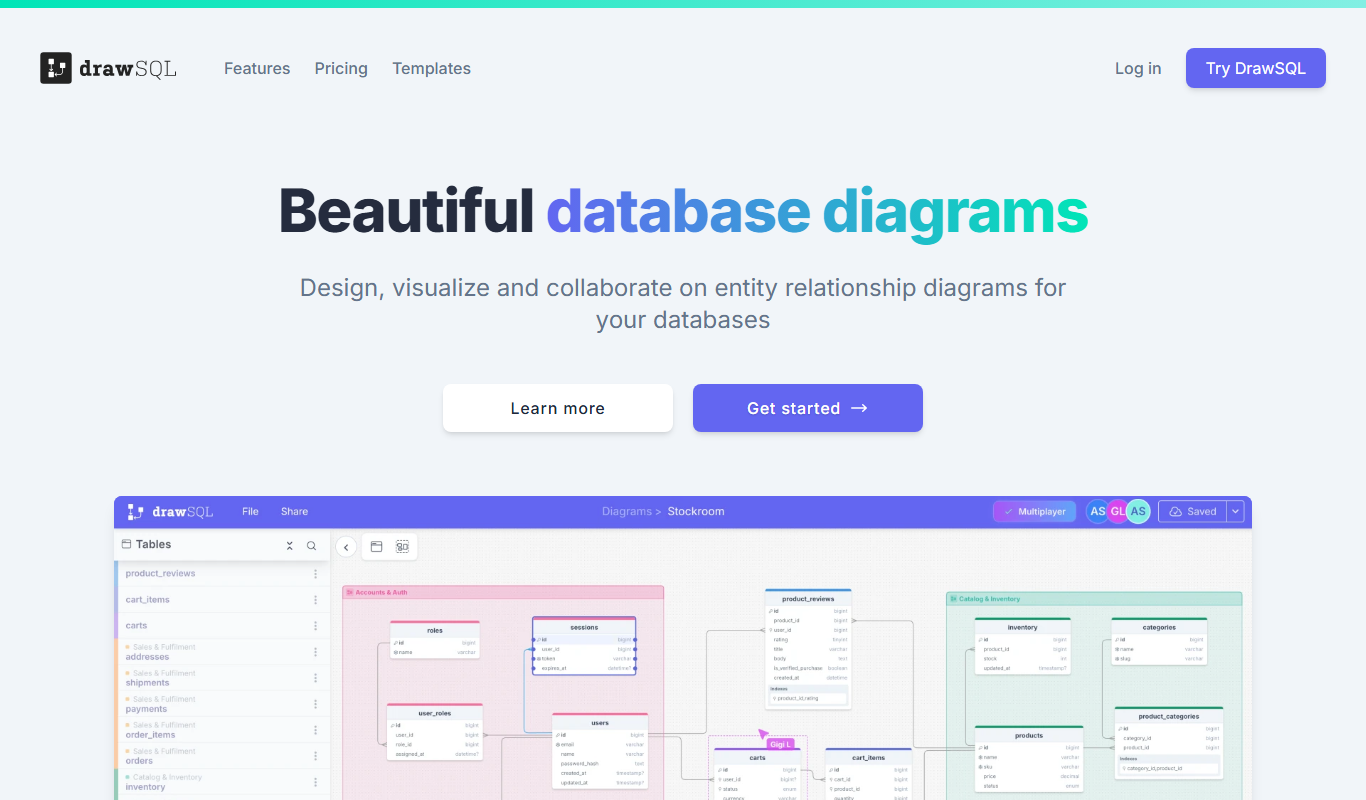
A database schema outlines the logical configuration of all the tables, fields, relationships, constraints, and indexes within a database. Think of it as a detailed map that shows where each piece of data lives and how different data points connect to one another. It doesn’t contain the actual data but rather the framework that governs how data is stored, accessed, and maintained. This structure ensures consistency and efficiency in managing data for applications, websites, and business operations.
Why Is Database Schema Important?
Having a well-designed database schema is crucial because it directly impacts data integrity, performance, and scalability. It helps developers and database administrators understand the data relationships clearly, making it easier to query and update information without errors or redundancies. Moreover, a thoughtful schema design supports business intelligence by enabling accurate data analysis and reporting.
- Ensures data consistency and prevents duplication through defined relationships and constraints.
- Improves query performance by organizing data efficiently and using indexes.
- Facilitates easier maintenance and scalability as business needs evolve.
Key Characteristics of Database Schema
- Structure Definition: Specifies tables, columns, data types, and relationships that form the database’s backbone.
- Constraints and Rules: Includes primary keys, foreign keys, and unique constraints to enforce data integrity.
- Abstraction Level: Acts as a logical model abstracted from the physical storage details, focusing on data organization.
How Database Schema Works (Step-by-Step)
- Designers analyze business requirements to determine the necessary data entities and their attributes.
- They define tables and specify data types, along with relationships and constraints among tables.
- The schema is implemented in the database management system, guiding data storage, retrieval, and updates.
Real-World Examples of Database Schema
- E-commerce Product Catalog: A schema organizing products, categories, prices, and inventory with relationships linking products to suppliers.
- Customer Relationship Management (CRM): A schema mapping customer details, interactions, sales pipelines, and support tickets for streamlined business processes.
Database Schema in SEO, Marketing, or Business Context
In marketing and SEO, database schemas underpin customer data platforms and analytics tools, enabling businesses to segment audiences, personalize campaigns, and track performance efficiently. A solid schema allows marketers to query data quickly and integrate diverse data sources, which supports informed decision-making and drives targeted marketing strategies.
Common Mistakes or Misunderstandings About Database Schema
- Confusing the schema with the actual data—it defines structure but does not hold content.
- Designing overly complex schemas that reduce system performance and increase maintenance challenges.
Related Terms
- Data Model
- Database Management System (DBMS)
- Entity-Relationship Diagram (ERD)
FAQs About Database Schema
The database schema defines the structure and organization, while the database contains the actual stored data following that structure.
A well-designed schema improves query efficiency and data integrity, resulting in faster and more reliable application performance.
Summary
A database schema is the foundational framework that organizes and governs how data is stored and related within a database. It is essential for ensuring data quality, enabling efficient access, and supporting scalable business operations. Understanding and designing effective schemas is a critical skill for developers, marketers, and data professionals aiming to leverage data-driven strategies successfully.