What Is Data Modeling?
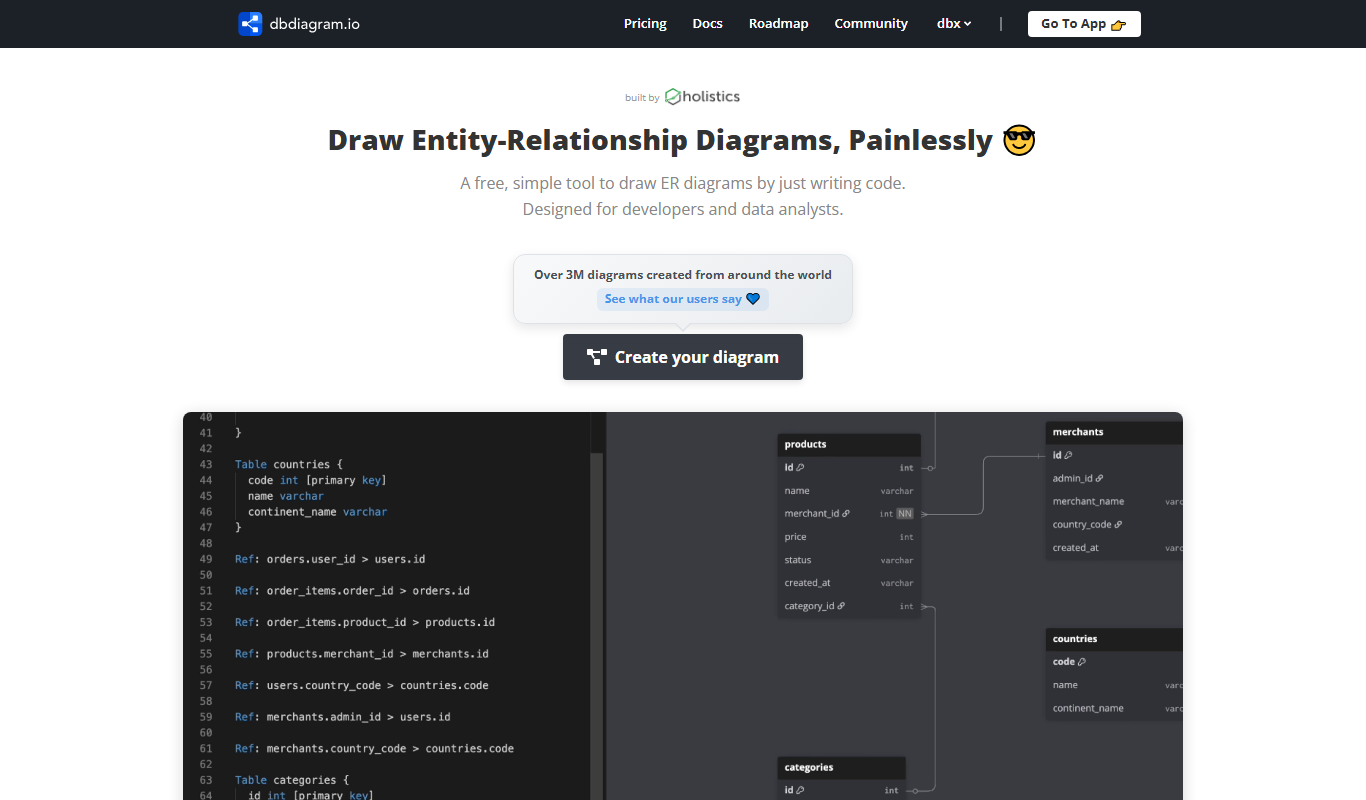
Data Modeling involves designing a visual blueprint or diagram that defines how data is stored, connected, and accessed within a system. It breaks down complex information into understandable parts, such as entities, attributes, and relationships, making it easier for developers and analysts to work with data. Essentially, it’s like drawing a map that shows how different pieces of data relate to each other within a business or software environment.
Why Is Data Modeling Important?
Data Modeling is crucial because it ensures data consistency, reduces redundancy, and provides clarity for database design and application development. It helps businesses understand their data needs, align data structures with business goals, and improve data quality and accessibility.
- Facilitates efficient database design and management.
- Improves communication between technical and business teams.
- Supports accurate data analysis and decision-making.
Key Characteristics of Data Modeling
- Abstraction: Simplifies complex data into manageable elements like entities and relationships.
- Structure: Defines clear formats and rules for data storage and interaction.
- Flexibility: Can be adapted to different database types and evolving business requirements.
How Data Modeling Works (Step-by-Step)
- Identify key data entities relevant to the business or system.
- Define attributes and relationships between these entities.
- Create diagrams or schemas to represent the data structure visually.
Real-World Examples of Data Modeling
- Customer Relationship Management (CRM) Systems: Models customer data, interactions, and sales information to optimize customer service and marketing.
- E-commerce Platforms: Organizes product catalogs, inventory, orders, and user data for seamless shopping experiences.
Data Modeling in SEO, Marketing, or Business Context
In marketing and SEO, data modeling helps organize customer behavior data, campaign performance metrics, and lead information to drive targeted strategies. Businesses use data models to integrate data from various sources like web analytics, CRM, and sales platforms to gain insights and optimize marketing efforts.
Common Mistakes or Misunderstandings About Data Modeling
- Assuming data modeling is a one-time task rather than an ongoing process.
- Ignoring business requirements leading to models that don’t align with real-world needs.
Related Terms
- Entity-Relationship Diagram (ERD)
- Database Schema
- Data Architecture
FAQs About Data Modeling
The primary types are conceptual, logical, and physical data models, each serving different levels of detail and design stages.
By defining clear structures and relationships, data modeling reduces errors, inconsistencies, and redundancy in data storage.
Summary
Data Modeling is a foundational practice that organizes and defines how data is structured and related, enabling businesses and developers to manage information effectively. It bridges technical design and business understanding, ensuring data systems support accurate analysis and decision-making across various industries.