What Is AI Food Recognition?
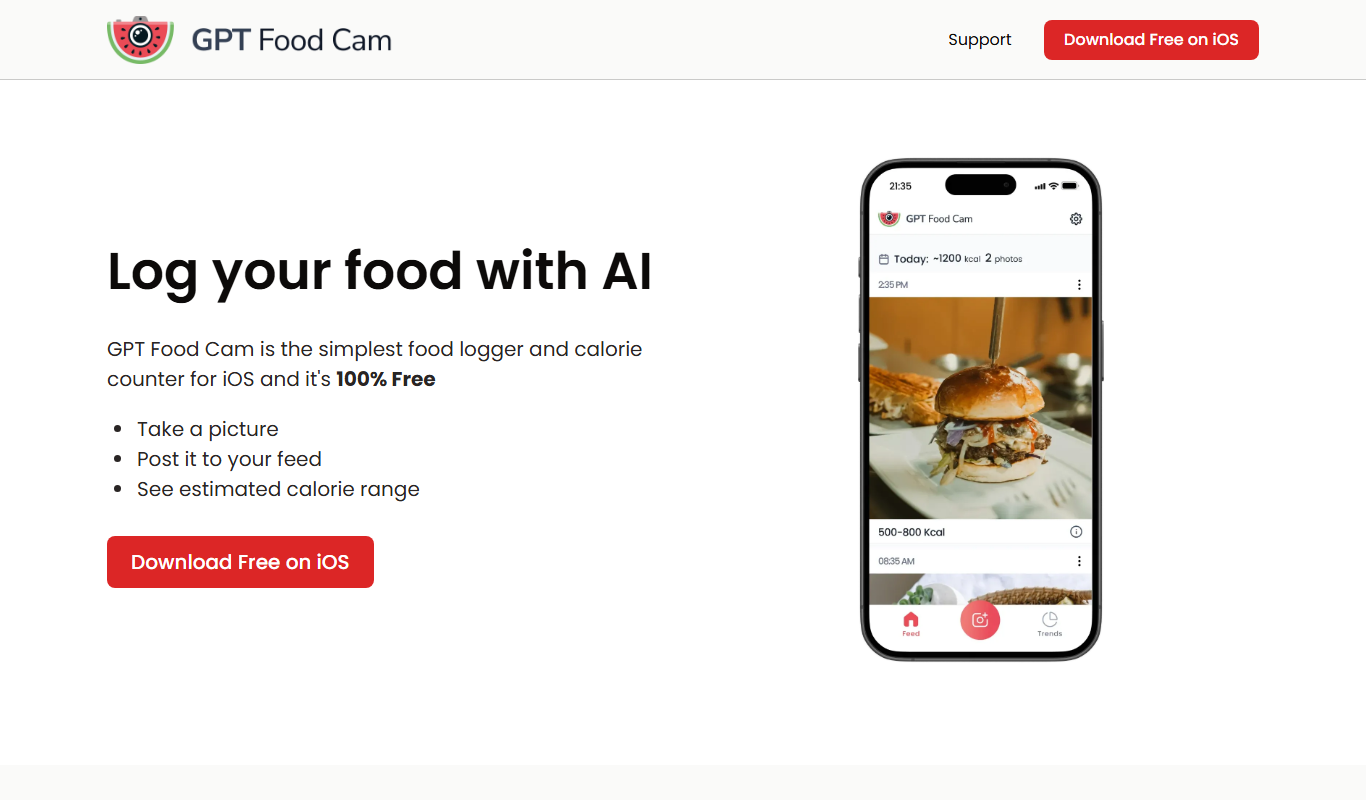
AI Food Recognition refers to the application of machine learning and computer vision techniques to analyze images of food and accurately identify the dishes or ingredients shown. By training algorithms on large datasets of food images, these systems learn to detect visual patterns such as color, texture, and shape, allowing them to recognize a wide variety of meals. This technology powers apps that estimate calorie content, recommend recipes, or automate food logging, making it easier for users to manage nutrition and dietary habits.
Why Is AI Food Recognition Important?
AI Food Recognition plays a crucial role in modern digital health, marketing, and food service industries by automating tedious tasks and enhancing user experience. It enables personalized diet tracking, supports restaurant menu digitization, and helps marketers understand consumer preferences through visual data analysis. Furthermore, it facilitates accessibility features for visually impaired users and streamlines food delivery services by accurately identifying orders.
- Enables efficient nutritional analysis and diet management.
- Improves customer engagement through personalized food recommendations.
- Supports automation in food service operations and inventory management.
Key Characteristics of AI Food Recognition
- Image-Based Identification: Uses visual data from photos or videos to detect food items without manual input.
- Machine Learning Models: Employs trained neural networks that improve accuracy over time with more data.
- Multi-Food Classification: Capable of recognizing multiple dishes or ingredients within a single image.
How AI Food Recognition Works (Step-by-Step)
- Capture or upload an image of food using a camera or device.
- The AI processes the image, extracting features like color, shape, and texture.
- The model compares extracted features against its trained database to identify the food.
Real-World Examples of AI Food Recognition
- Calorie Counting Apps: Apps like MyFitnessPal use AI to help users track calorie intake by recognizing meals from photos.
- Restaurant Automation: Fast-food chains implement AI recognition to speed up order processing by automatically identifying menu items.
AI Food Recognition in SEO, Marketing, or Business Context
In marketing and business, AI Food Recognition offers valuable insights into consumer behavior by analyzing popular dishes and food trends through image data on social media and review platforms. It also enhances SEO by enabling rich image tagging and improving content relevance for food-related searches. Businesses leverage this technology to create personalized ad campaigns, optimize menu offerings, and improve customer satisfaction by tailoring experiences based on food preferences identified through AI.
Common Mistakes or Misunderstandings About AI Food Recognition
- Assuming AI can always perfectly identify complex or mixed dishes without errors.
- Believing AI Food Recognition replaces the need for human oversight in dietary or food safety decisions.
Related Terms
FAQs About AI Food Recognition
Accuracy varies depending on the quality of training data and image clarity but generally improves with more data and model refinement.
Yes, but recognition is more challenging for homemade dishes due to variability in presentation and ingredients.
Summary
AI Food Recognition combines advanced machine learning and computer vision to identify food items from images, revolutionizing how individuals and businesses approach nutrition management, marketing analysis, and operational efficiency. Its ability to automate food identification streamlines processes in health apps, restaurants, and digital marketing, making it an essential tool in today’s food technology landscape.