

Skydio Autonomy Drone Technology for Advanced AI-Powered Flight Control
Skydio Autonomy is an AI-driven flight control system that enables drones to fly fully autonomously by using real-time computer vision to navigate and avoid obstacles, designed for industrial, safety, and creative use cases.
- Best for
- Industrial Inspection
- Key capability
- Real-Time Obstacle Avoidance
Save Skydio Autonomy, follow its updates and vote on it — everything stays in your account.
Sign in or create a free account
What is Skydio Autonomy?
Skydio Autonomy is an advanced AI-powered flight control system that enables drones to fly fully autonomously in complex environments. Using cutting-edge computer vision and machine learning, Skydio drones can perceive their surroundings in real time, avoid obstacles, and execute precise flight paths without human intervention. This technology is designed to revolutionize drone operations across industries by providing reliable, intelligent autonomy for inspection, security, mapping, and creative applications.
Key features of Skydio Autonomy
Skydio Autonomy features real-time 3D mapping, obstacle avoidance, autonomous navigation, and intelligent mission planning. It integrates with hardware drones and software platforms to deliver seamless autonomous flight experiences tailored to professional use cases.
Real-Time Obstacle Avoidance
Advanced computer vision algorithms allow the drone to detect and avoid obstacles dynamically during flight.
3D Environmental Mapping
Creates detailed 3D maps of surroundings to enable precise navigation and mission planning.
Autonomous Mission Planning
Users can program complex flight missions that the drone executes independently.
AI-Powered Subject Tracking
The drone can autonomously follow moving subjects while maintaining safe distances and smooth flight.
Integration with Enterprise Systems
Supports data export and integration with third-party software for asset management and analytics.
Pros and cons of Skydio Autonomy
Pros
- Highly reliable obstacle avoidance in complex environments
- Reduces need for skilled drone pilots
- Enables efficient data collection for industrial applications
- Supports integration with enterprise workflows
Cons
- Pricing is custom and may be high for small businesses
- Requires compatible Skydio hardware drones
- Limited language support beyond English
Key use cases for Skydio Autonomy
Industrial Inspection
Automate complex inspections in infrastructure, energy, and construction sectors with autonomous drones that navigate challenging environments.
Public Safety and Security
Deploy drones for real-time situational awareness, search and rescue, and perimeter security with AI-powered obstacle avoidance.
Mapping and Surveying
Capture high-resolution aerial data autonomously for geospatial mapping, land surveying, and asset management.
Film and Media Production
Enable dynamic aerial cinematography with drones that can autonomously follow subjects and avoid obstacles.
Research and Development
Leverage advanced autonomy for robotics research, AI development, and prototyping new drone applications.
How Skydio Autonomy works
- 1
Deploy the Drone
Launch the Skydio drone equipped with Autonomy software in the desired environment.
- 2
Set Mission Parameters
Use the mobile app or web dashboard to define flight paths, inspection points, or tracking objectives.
- 3
Autonomous Flight Execution
The drone uses AI-powered computer vision to navigate, avoid obstacles, and complete the mission without manual control.
- 4
Data Collection and Analysis
Captured images, videos, and sensor data are processed and accessible for review and decision-making.
Who is using Skydio Autonomy
Skydio Autonomy pricing
Enterprise
Custom Quote
Tailored pricing based on hardware, software licenses, and support for business needs.
Plans and prices are as published by the vendor and can change. Check the official site before you buy. Open the pricing page (opens in a new tab)
Frequently asked questions about Skydio Autonomy
It is designed to operate in complex, obstacle-rich environments such as urban areas, industrial sites, and natural terrain.
No, the system is built to enable fully autonomous flight, minimizing the need for manual control.
Yes, Skydio offers customization and integration options to fit various industry requirements.
High-resolution video, images, 3D maps, and sensor data relevant to the mission objectives.
It depends on your specific needs and how you plan to use the tool. The official website and documentation are the best sources for the latest details.
It depends on your specific needs and how you plan to use the tool. The official website and documentation are the best sources for the latest details.
It depends on your specific needs and how you plan to use the tool. The official website and documentation are the best sources for the latest details.
Data handling and security practices vary by provider. Review the official privacy policy to understand how your data is stored and used.
Conclusion
Autonomy here is tied to hardware, because the software runs on Skydio drones and requires compatible Skydio hardware. Operators define flight paths, inspection points or tracking objectives in the mobile app or web dashboard. Computer vision then lets the drone navigate, avoid obstacles and complete the mission without manual control. Missions return high-resolution video, images, 3D maps and sensor data.
The system is built for fully autonomous flight, minimizing the need for manual piloting skills. It is designed for obstacle-rich environments such as urban areas, industrial sites and natural terrain. The system is aimed at industrial inspection teams, public safety agencies and surveying and mapping professionals. Its intended uses range from infrastructure and energy inspections to search and rescue and aerial cinematography that can follow subjects. Pricing is a custom quote tailored to hardware, software licenses and support.
Sources
Sign in to review this tool.
Sign In to ReviewNo reviews yet
Be the first to share how this tool worked for you.
Ask about pricing, limits, or how it compares — or answer someone else.
Sign In to AskNo questions yet
Have a question about using or paying for this tool? Be the first to ask.
Featured on TiorAI



More AI Developer Tools tools
Other tools in the same category, for when this one is not quite the fit.
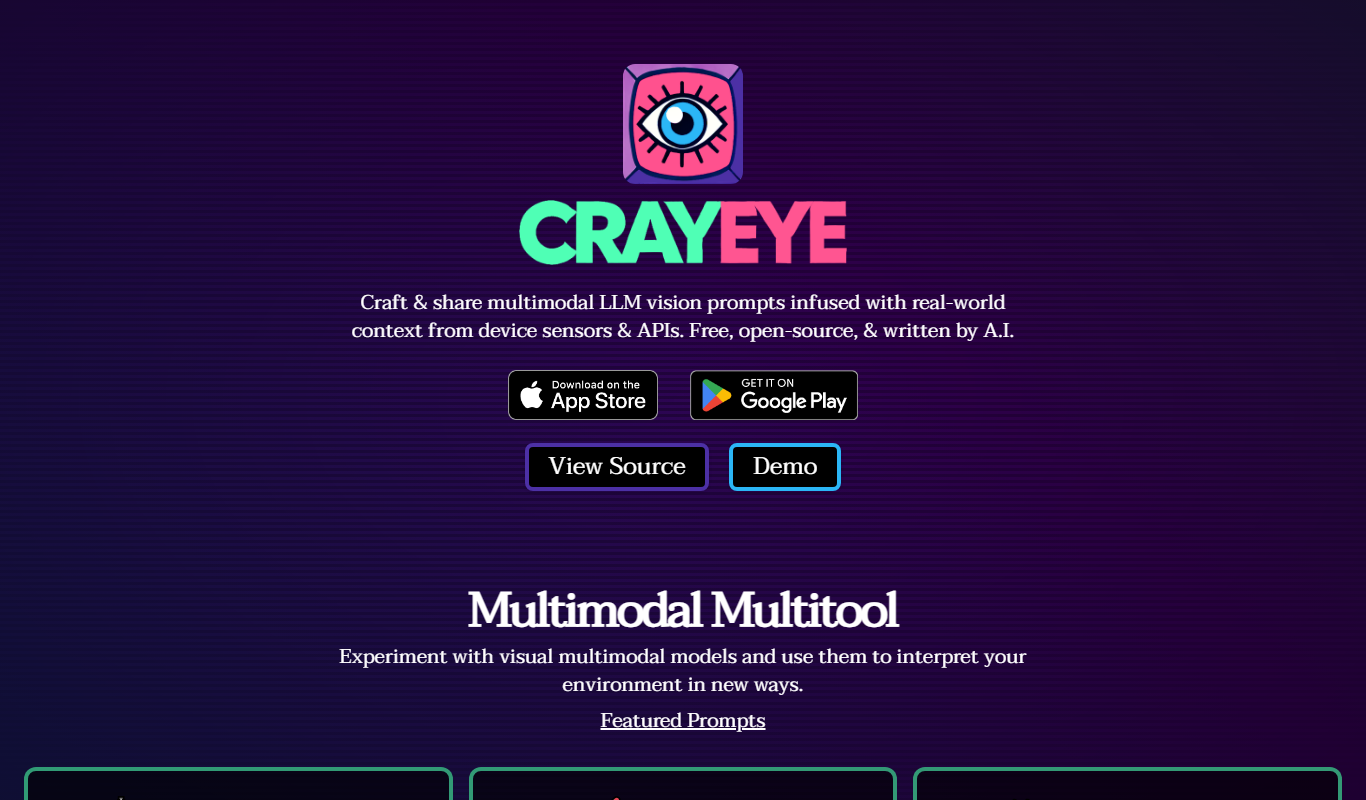
CrayEye
CrayEye is a free, open-source mobile app for crafting and sharing multimodal LLM vision prompts that use your camera plus sensor data such as location and weather.

TestLabs
TestLabs tests your app on 20 real devices for 14 days to meet the Google Play testing policy, with daily reports, device logs and screenshots.

Modly
Modly.ai trains, fine-tunes and hosts custom large language models on your business data, delivered as a managed service with API access.

modl.ai
modl.ai automates game testing and QA with AI agents that play your build and analysts that report bugs, glitches and performance issues, with no SDKs or code needed.

Mirascope
Mirascope is The LLM Anti-Framework: open-source Python and TypeScript SDKs with one API for OpenAI, Anthropic and Google, plus tools, tracing and versioning.

Myple
Myple is a developer platform to build, deploy and secure AI applications such as AI agents and RAG chatbots, with SDKs, a CLI and a free Hacker plan.

Momentic
Momentic is an AI testing platform where agents run and maintain plain-English end-to-end tests for web, iOS and Android apps, locally or in CI.

Intuition Machines
Intuition Machines builds privacy-preserving AI/ML platforms: the hCaptcha Security Suite against fraud and abuse, and the IM Perception Platform for training, deploying and improving ML models.