

Mindgard AI Red Teaming and AI Security Platform
Mindgard is an AI red teaming and AI security platform that finds, validates and fixes high-impact vulnerabilities in AI models, agents and applications.
- Best for
- Pre-launch AI security testing
- Key capability
- AI Recon
Save Mindgard, follow its updates and vote on it — everything stays in your account.
Sign in or create a free account

What is Mindgard?
Mindgard is an AI security platform that discovers, assesses and red teams AI models, agents and applications. Acting as an autonomous red teamer, it uses attacker-style reconnaissance to find and validate exploitable AI vulnerabilities, then provides remediation guidance and runtime protection.
Key features of Mindgard
Mindgard combines AI recon and attack surface discovery, automated AI red teaming, AI assessment, runtime protection and threat response, and AI governance and compliance reporting.
AI Recon
Profiles AI systems the way attackers do, mapping models, agents, tools and behaviors before attack execution.
AI Red Teaming
Continuously tests AI agents and systems against evolving attacks and validates which weaknesses are exploitable.
Remediation guidance and retesting
Explains the potential impact of each weakness and provides evidence and guidance to close it; teams can retest fixes.
AI Runtime Protection
Runtime protections can be deployed where needed, alongside AI threat response and governance and compliance reporting.
Pros and cons of Mindgard
Pros
- Validates which AI vulnerabilities are actually exploitable
- Operational in minutes through APIs, CI/CD pipelines or Burp Suite
- Built on over a decade of Lancaster University AI security research
Cons
- Pricing details not publicly available
- Primarily focused on healthcare organizations
- Limited information on supported platforms
Key use cases for Mindgard
Pre-launch AI security testing
Assess AI systems before deployment and keep testing them in production.
Testing guardrails and AI firewalls
Check whether guardrails and AI firewalls actually hold against adaptive attacks.
Securing agentic workflows
Cover AI chatbots, AI applications, AI infrastructure and agentic workflows.
Continuous AI compliance
Achieve continuous compliance as AI systems change.
How Mindgard works
- 1
Discover
Identify AI assets and attack surfaces.
- 2
Recon
Perform reconnaissance to understand how the AI system behaves.
- 3
Attack
Use adaptive attacks to find and validate exploitable vulnerabilities.
- 4
Defend
Close the weaknesses with the evidence and guidance provided, retest fixes and deploy runtime protections where needed.
Who is using Mindgard
Mindgard pricing
Enterprise
Contact for Pricing
Custom pricing for healthcare organizations and enterprises.
Plans and prices are as published by the vendor and can change. Check the official site before you buy. Open the pricing page (opens in a new tab)
Frequently asked questions about Mindgard
It follows a continuous discover, recon, attack and defend process: it identifies AI assets and attack surfaces, performs reconnaissance and uses adaptive attacks to find and validate exploitable vulnerabilities.
Yes. It explains the potential impact of each weakness, provides evidence and guidance to close it, lets teams retest fixes and can deploy runtime protections.
It can be operational in minutes through APIs, CI/CD pipelines, Burp Suite or a single-click workflow.
Guardrails and firewalls apply policies at runtime; Mindgard tests whether those controls actually work.
No. Mindgard gives teams actionable AI security insights without requiring specialist AI security expertise in-house.
Conclusion
Attack-led testing is the core idea: acting as an autonomous red teamer, the platform profiles AI models, agents and tools the way an attacker would before any attack is executed. A continuous discover, recon, attack and defend cycle then validates which weaknesses are exploitable and supplies evidence and guidance to close them. Teams can retest their fixes and deploy runtime protections where needed. Findings draw on more than 150 publicly disclosed AI vulnerabilities and over a decade of Lancaster University AI security research.
Mindgard can be operational in minutes through APIs, CI/CD pipelines or Burp Suite, so systems are assessed before deployment and continuously in production. Coverage extends to AI chatbots, applications, infrastructure and agentic workflows, and guardrails and AI firewalls are tested to see whether they actually hold. The offering is aimed at enterprises securing their own AI systems, and access starts with booking a demo.
Sources
Sign in to review this tool.
Sign In to ReviewNo reviews yet
Be the first to share how this tool worked for you.
Ask about pricing, limits, or how it compares — or answer someone else.
Sign In to AskNo questions yet
Have a question about using or paying for this tool? Be the first to ask.
Featured on TiorAI



Alternative Tools
Explore similar AI tools that might fit your needs

Ginger
Ginger is an AI-powered writing assistant that provides grammar and spell checking, sentence rephrasing, translation, and personalized learning tools to improve English writing accuracy and style.
More AI Developer Tools tools
Other tools in the same category, for when this one is not quite the fit.
CrayEye
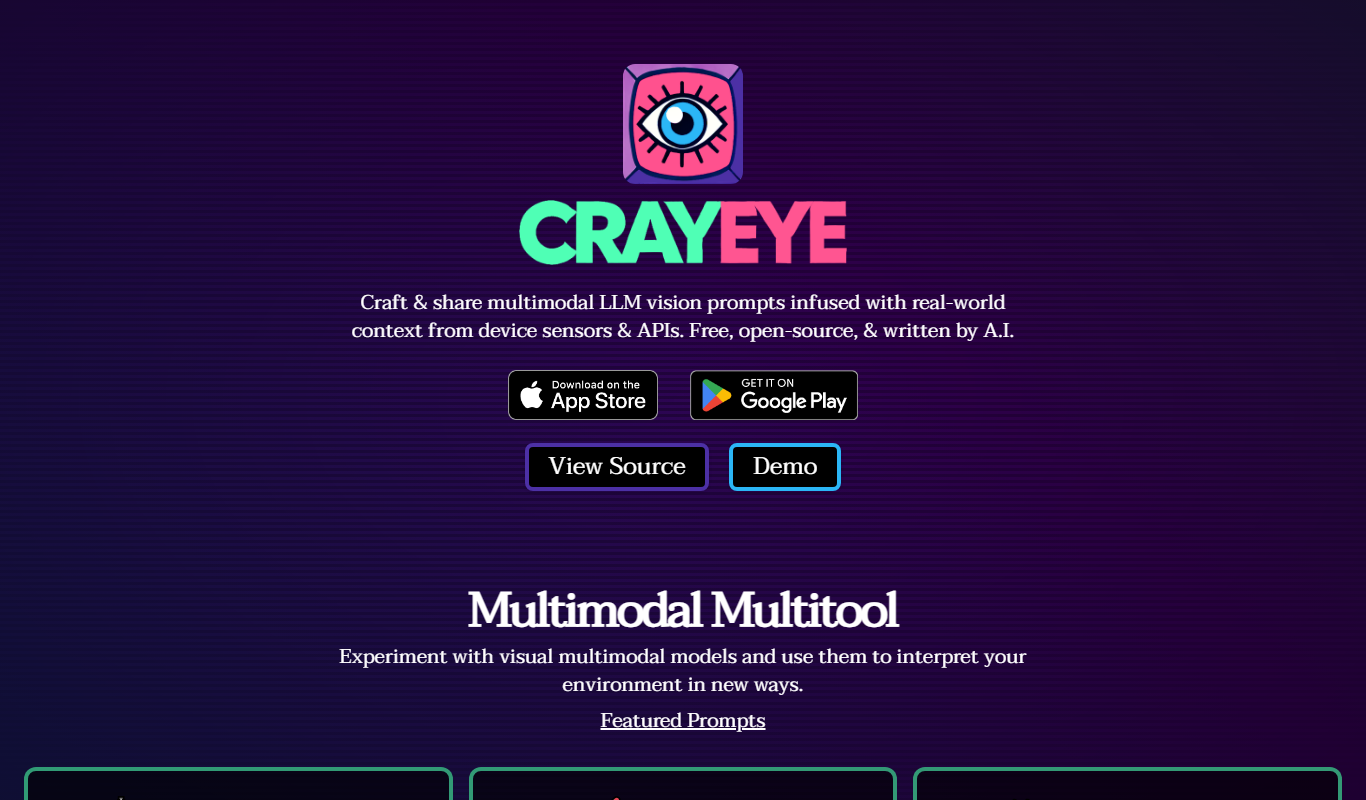
CrayEye is a free, open-source mobile app for crafting and sharing multimodal LLM vision prompts that use your camera plus sensor data such as location and weather.
TestLabs
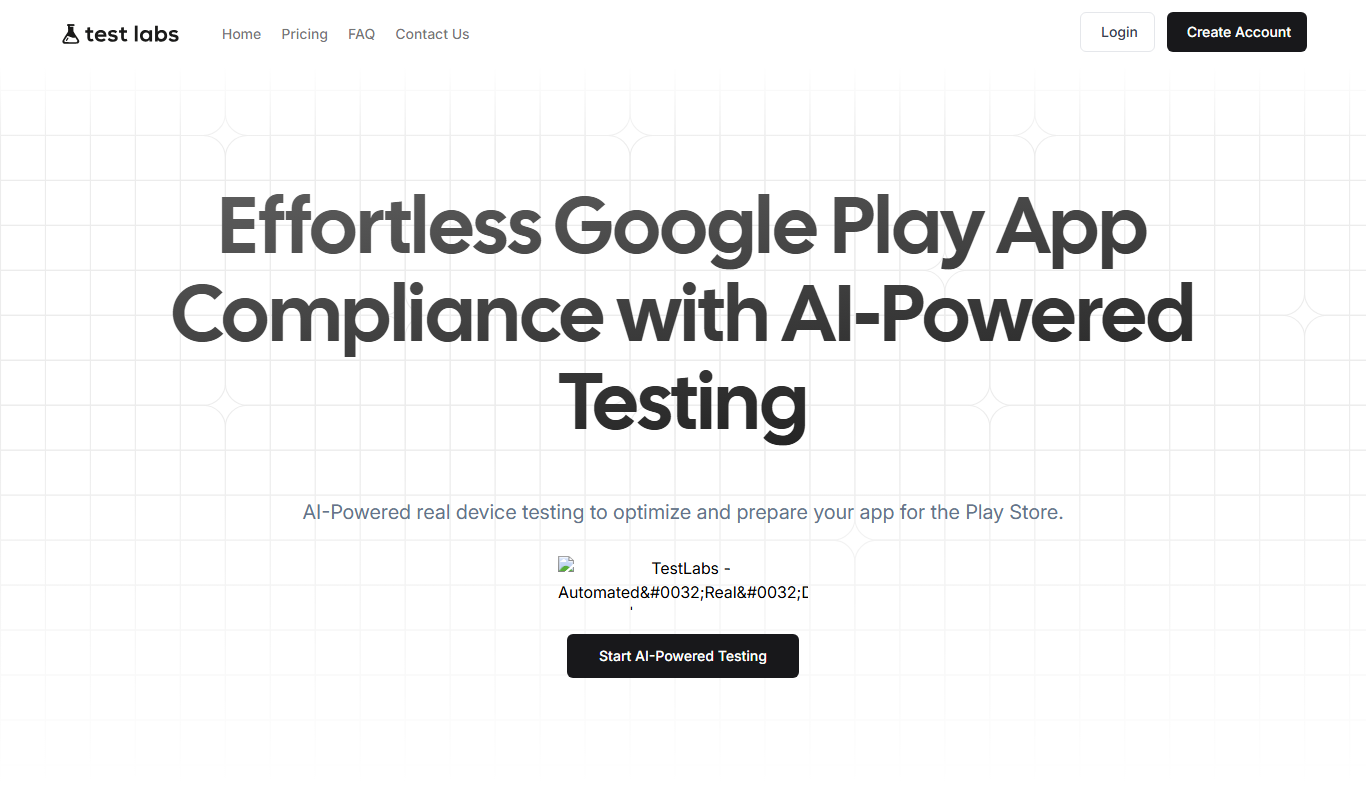
TestLabs tests your app on 20 real devices for 14 days to meet the Google Play testing policy, with daily reports, device logs and screenshots.

Modly
Modly.ai trains, fine-tunes and hosts custom large language models on your business data, delivered as a managed service with API access.

modl.ai
modl.ai automates game testing and QA with AI agents that play your build and analysts that report bugs, glitches and performance issues, with no SDKs or code needed.

Mirascope
Mirascope is The LLM Anti-Framework: open-source Python and TypeScript SDKs with one API for OpenAI, Anthropic and Google, plus tools, tracing and versioning.

Myple
Myple is a developer platform to build, deploy and secure AI applications such as AI agents and RAG chatbots, with SDKs, a CLI and a free Hacker plan.

Momentic
Momentic is an AI testing platform where agents run and maintain plain-English end-to-end tests for web, iOS and Android apps, locally or in CI.
Intuition Machines
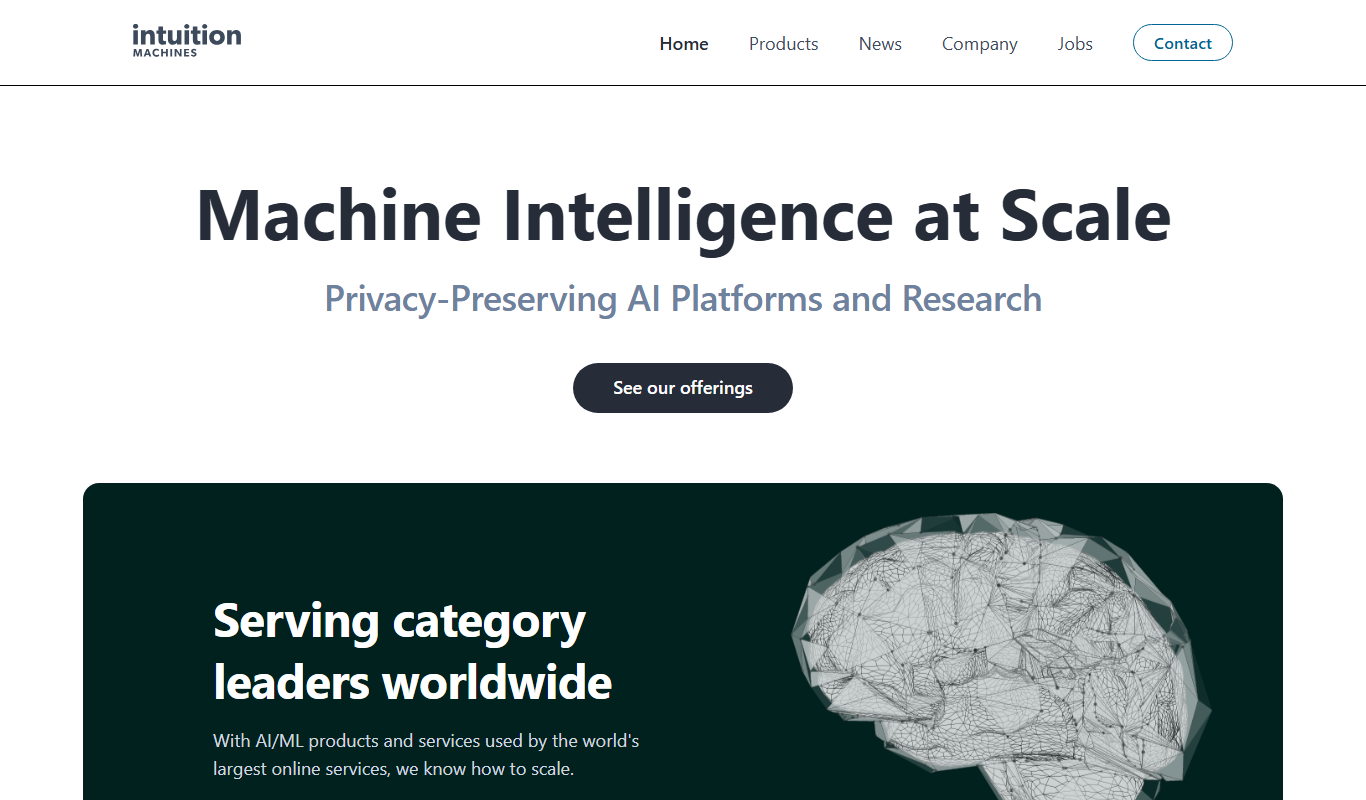
Intuition Machines builds privacy-preserving AI/ML platforms: the hCaptcha Security Suite against fraud and abuse, and the IM Perception Platform for training, deploying and improving ML models.