

The Science App verification engine for scientific claims
The Science App analyzes any claim by examining both supporting and opposing evidence, with direct links to peer-reviewed scientific research.
- Best for
- Checking health claims
- Key capability
- Claim analysis
Save The Science App, follow its updates and vote on it — everything stays in your account.
Sign in or create a free account
What is The Science App?
The Science App is a verification engine for scientific claims. A user enters a claim, and its AI searches peer-reviewed papers for evidence that supports and opposes it, links every finding to its scientific source and gives a balanced synthesis of evidence strength and scientific consensus. Analyses can be shared in a community feed, and developers can request access to The Science API.
Key features of The Science App
The Science App offers claim analysis with supporting and opposing evidence, direct links to peer-reviewed sources, a synthesis of scientific consensus, a community feed of analyses and a RESTful API.
Claim analysis
Analyze any claim by examining both supporting and opposing evidence.
Linked sources
Every finding is linked directly to its peer-reviewed scientific source.
Evidence synthesis
A balanced analysis of evidence strength and scientific consensus around the claim.
Community feed
Explore analyses submitted by the community, each examined with evidence from both sides.
Pros and cons of The Science App
Pros
- Shows both supporting and opposing evidence
- Every finding links to its peer-reviewed source
- API for apps and AI agents
- Community feed of shared analyses
Cons
- May provide incomplete or inaccurate information
- Not a substitute for professional medical, legal or expert advice
Key use cases for The Science App
Checking health claims
See supporting and opposing research behind everyday health claims.
Literature review
Researchers can streamline their literature review process.
Balanced perspectives
Curious readers get balanced, evidence-based perspectives on a claim.
Evidence analysis in apps and AI agents
Developers integrate evidence-based analysis into their application or AI agent through the API.
How The Science App works
- 1
Enter a claim
Type any claim, or try an example such as whether seed oils are bad for health.
- 2
Analyze
The AI searches peer-reviewed papers for evidence supporting and opposing the claim.
- 3
Verify
Every finding links to its scientific source so you can check it yourself.
- 4
Synthesize
Get a balanced analysis of evidence strength and scientific consensus.
Who is using The Science App
The Science App pricing
Free
$0/month
Access to basic science modules and limited interactive experiments.
Premium
$9.99/month
Full access to all science content, advanced simulations, and educator tools.
Plans and prices are as published by the vendor and can change. Check the official site before you buy. Open the pricing page (opens in a new tab)
Frequently asked questions about The Science App
It analyzes any claim by examining supporting and opposing evidence, with direct links to peer-reviewed research.
The AI searches peer-reviewed papers, and every finding is linked to its scientific source.
Yes. The Science API offers research-powered verification for apps and AI agents; access keys are granted on request.
No. The app may provide incomplete or inaccurate information and is not a substitute for professional medical, legal or expert advice.
It is part of the Imprnt project, built by researchers.
Yes, it can help with that use case depending on how you configure it and what features are available. You’ll get the best results with clear inputs and a defined goal.
Conclusion
Type in a claim, for example that seed oils are bad for health, and the AI searches peer-reviewed papers for evidence on both sides. Each finding links straight to its scientific source, and the result ends with a balanced synthesis of evidence strength and scientific consensus. Analyses can be shared to a community feed.
Researchers streamlining a literature review and curious readers wanting balanced perspectives are both addressed, and developers can request keys for an API that brings the same verification into their own apps or AI agents. A disclaimer warns that the AI may give incomplete or inaccurate information and is no substitute for professional medical, legal or expert advice.
Sources
Sign in to review this tool.
Sign In to ReviewNo reviews yet
Be the first to share how this tool worked for you.
Ask about pricing, limits, or how it compares — or answer someone else.
Sign In to AskNo questions yet
Have a question about using or paying for this tool? Be the first to ask.
Featured on TiorAI



Alternative Tools
Explore similar AI tools that might fit your needs

Labster
Labster is a virtual science lab platform providing interactive STEM simulations for students and educators to conduct experiments online safely and engagingly.
PhET Interactive Simulations
PhET Interactive Simulations is a free educational platform from the University of Colorado Boulder that offers interactive, research-based simulations in physics, chemistry, biology, earth science, and math to support STEM learning.
More AI Research & Analysis Tools tools
Other tools in the same category, for when this one is not quite the fit.
NotedSource
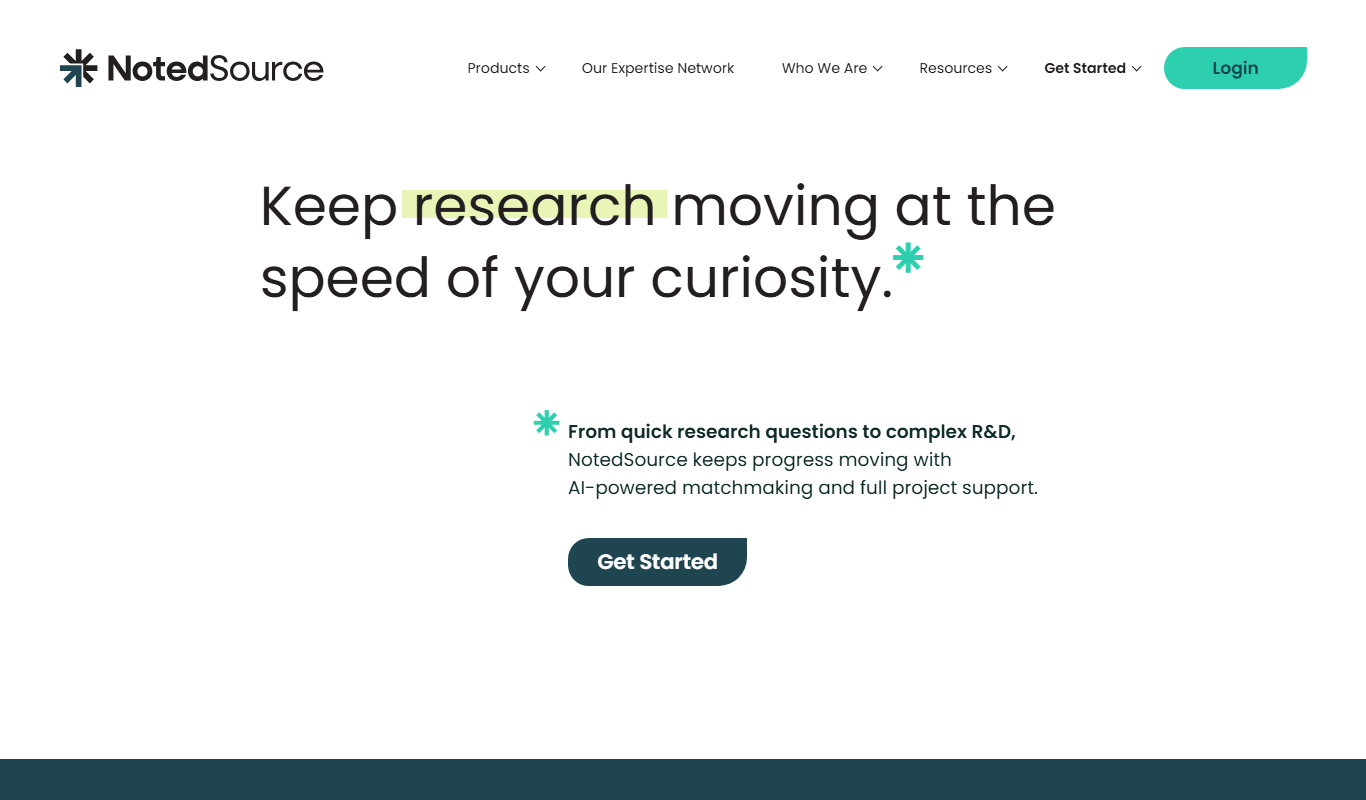
NotedSource is an AI-enhanced R&D platform that connects companies to the right expertise, with an AI research agent and support for contracts, project management and payments.

Competitors App
Competitors App is a web-based platform that enables businesses to monitor and analyze their competitors’ pricing, marketing, and product strategies in real time to make informed decisions.

MyReport
MyReport by Alaba.ai generates complete reports and essays from a title and description, searching the web and citing its sources.

Goover
Goover is an AI research agent that generates tailored reports and briefings in minutes from simple questions, with deep research, briefing agents and slide generation.
Mapify
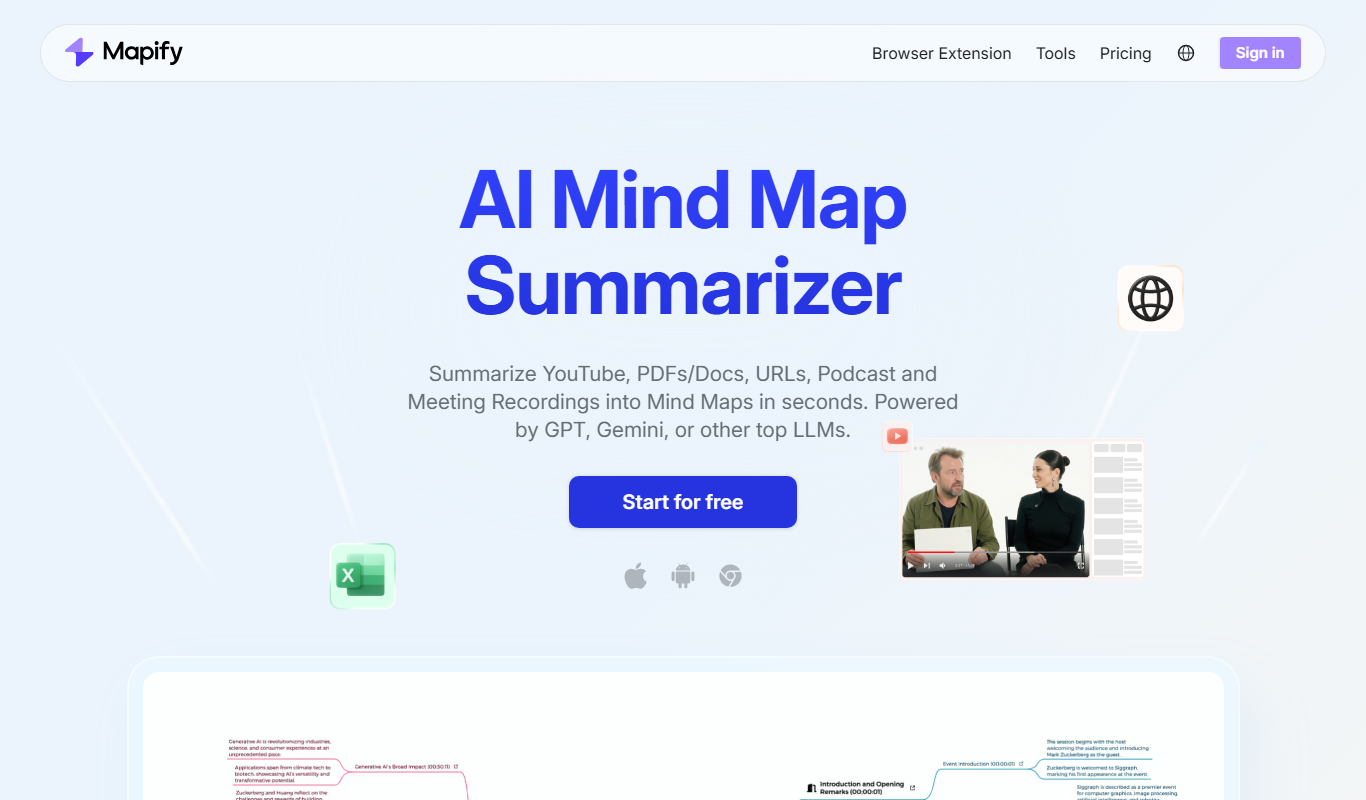
Mapify is an AI mind map summarizer that turns PDFs, YouTube videos, webpages and recordings into structured mind maps.

PollPebble
PollPebble is an online tool that allows users to create customizable polls and surveys to gather feedback and opinions quickly, with real-time result tracking and easy sharing options.
Versive
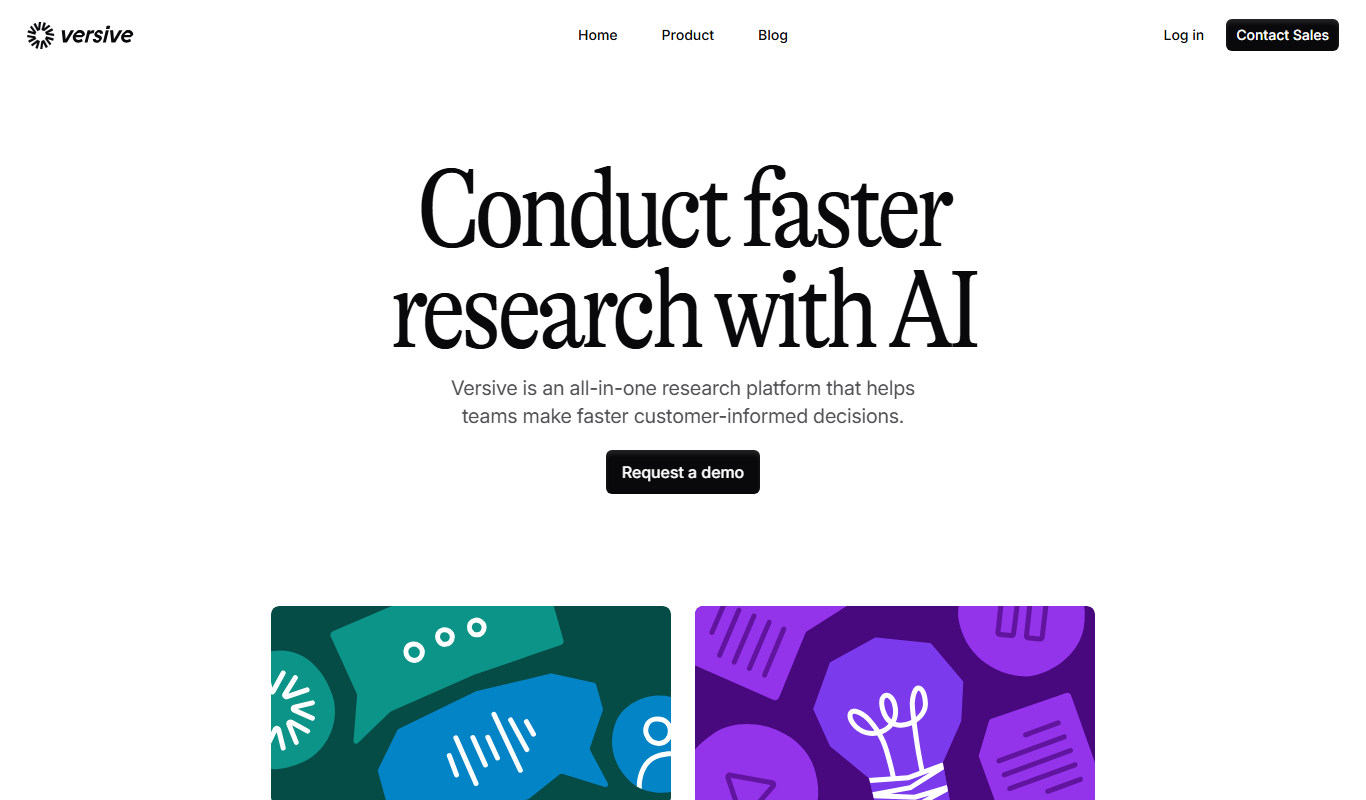
Versive is an AI research platform for AI-moderated interviews, surveys, usability tests and synthetic users, from study design to insight reports.
Voice of the customer by Pivony
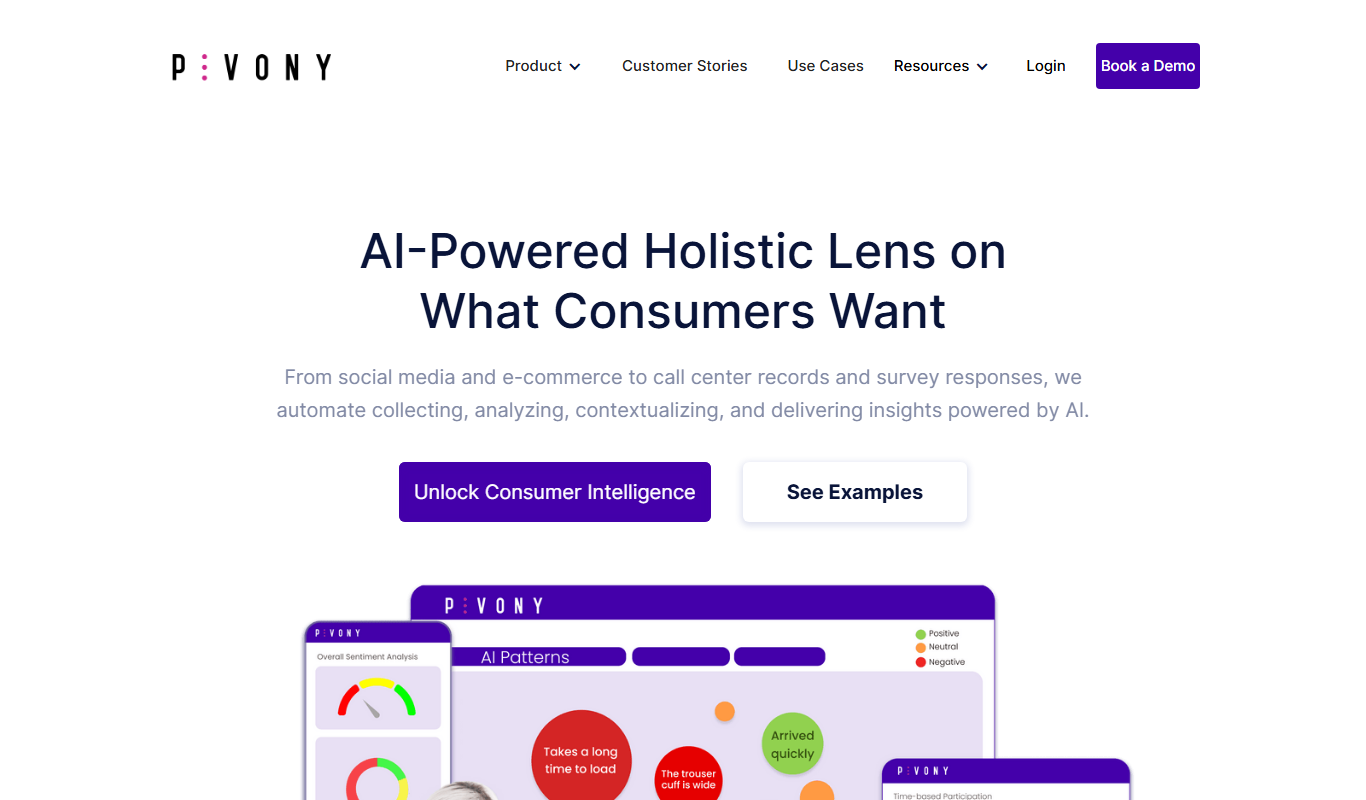
Voice of the Customer by Pivony is a web-based platform that enables businesses to collect, analyze, and act on customer feedback through customizable surveys and sentiment analysis tools.