

V7 Darwin AI Platform for Automated Video Annotation and Computer Vision Training
V7 Darwin is an AI platform that automates video annotation and labeling to accelerate computer vision model training with integrated collaboration and API access.
- Best for
- Automated Video Annotation
- Key capability
- AI-Assisted Video Annotation
Save V7 Darwin, follow its updates and vote on it — everything stays in your account.
Sign in or create a free account
What is V7 Darwin?
V7 Darwin is an AI-powered platform designed to automate video and image annotation workflows, enabling teams to efficiently create high-quality labeled datasets for computer vision applications. It combines advanced AI-assisted labeling tools with collaboration features and model training capabilities to accelerate the development of machine learning models.
Key features of V7 Darwin
The platform offers automated video annotation, support for multiple labeling formats, integrated model training, dataset management, and API access for seamless integration into AI pipelines.
AI-Assisted Video Annotation
Automates labeling of objects and actions in video frames to speed up dataset creation.
Multi-format Export
Supports exporting annotations in various industry-standard formats for compatibility.
Collaboration Tools
Enables teams to work together with role-based access and annotation review workflows.
Integrated Model Training
Allows users to train and validate computer vision models using their labeled datasets.
API Access
Provides RESTful APIs for uploading data, retrieving annotations, and deploying models.
Pros and cons of V7 Darwin
Pros
- Automates time-consuming video annotation tasks
- Supports multiple annotation formats for flexibility
- Integrated model training accelerates AI development
- Collaboration features improve team productivity
- API access enables seamless integration
Cons
- Pricing may be high for small teams or individual users
- Learning curve for users new to video annotation tools
- Limited language support beyond English
Key use cases for V7 Darwin
Automated Video Annotation
Use V7 Darwin to automatically label and annotate video data for training computer vision models, reducing manual effort.
Computer Vision Model Training
Prepare high-quality labeled datasets to train and validate AI models for object detection, segmentation, and classification.
Data Management for AI Projects
Organize, manage, and version control large datasets with integrated tools for collaboration and quality assurance.
Custom AI Model Deployment
Deploy and integrate custom-trained AI models into production environments via API for real-time video analysis.
Quality Control and Review
Leverage built-in review workflows to ensure annotation accuracy and consistency across teams.
How V7 Darwin works
- 1
Upload Data
Import videos or images into the platform to start the annotation process.
- 2
Automated Annotation
Use AI-assisted tools to automatically label objects and scenes within the data.
- 3
Review and Edit
Manually review and refine annotations to ensure accuracy and consistency.
- 4
Train Models
Leverage the labeled data to train custom computer vision models directly within the platform.
- 5
Deploy and Integrate
Use API endpoints to deploy trained models and integrate them into production workflows.
Who is using V7 Darwin
V7 Darwin pricing
Free
$0/month
Basic access with limited projects and annotation minutes.
Custom quote
No published prices; custom quote through a demo
No public price list; an annual agreement is scoped in one call and built from platform access, users and document volume.
Enterprise
Custom pricing
Tailored solutions with dedicated support, SLAs, and on-premise options.
Plans and prices are as published by the vendor and can change. Check the official site before you buy. Open the pricing page (opens in a new tab)
Frequently asked questions about V7 Darwin
You can annotate videos and images for tasks like object detection, segmentation, and classification.
Yes, it includes role-based access and review workflows to facilitate team collaboration.
Yes, V7 Darwin provides integrated tools to train and validate computer vision models using your labeled data.
Yes, the platform offers RESTful APIs for data upload, annotation retrieval, and model deployment.
It depends on your specific needs and how you plan to use the tool. The official website and documentation are the best sources for the latest details.
Yes, it can help with that use case depending on how you configure it and what features are available. You’ll get the best results with clear inputs and a defined goal.
Data handling and security practices vary by provider. Review the official privacy policy to understand how your data is stored and used.
Integration support depends on the tool and its available connectors or API. Check the official documentation or integrations page to confirm what is supported.
Conclusion
Videos or images are imported first, AI-assisted tools then label objects and scenes automatically, and a manual review refines accuracy and consistency. Annotation tasks include object detection, segmentation and classification. Labeled datasets can train and validate computer vision models on the platform, and RESTful APIs handle data upload, annotation retrieval and model deployment. Role-based access and annotation review workflows let teams work together.
Computer vision engineers, AI researchers and data annotation teams form its main audience. Darwin now has its own site at v7darwin.com, while v7labs.com has become the page for V7 Go. No prices are published, and a custom quote comes through a demo.
Sources
Sign in to review this tool.
Sign In to ReviewNo reviews yet
Be the first to share how this tool worked for you.
Ask about pricing, limits, or how it compares — or answer someone else.
Sign In to AskNo questions yet
Have a question about using or paying for this tool? Be the first to ask.
Featured on TiorAI



More AI Developer Tools tools
Other tools in the same category, for when this one is not quite the fit.
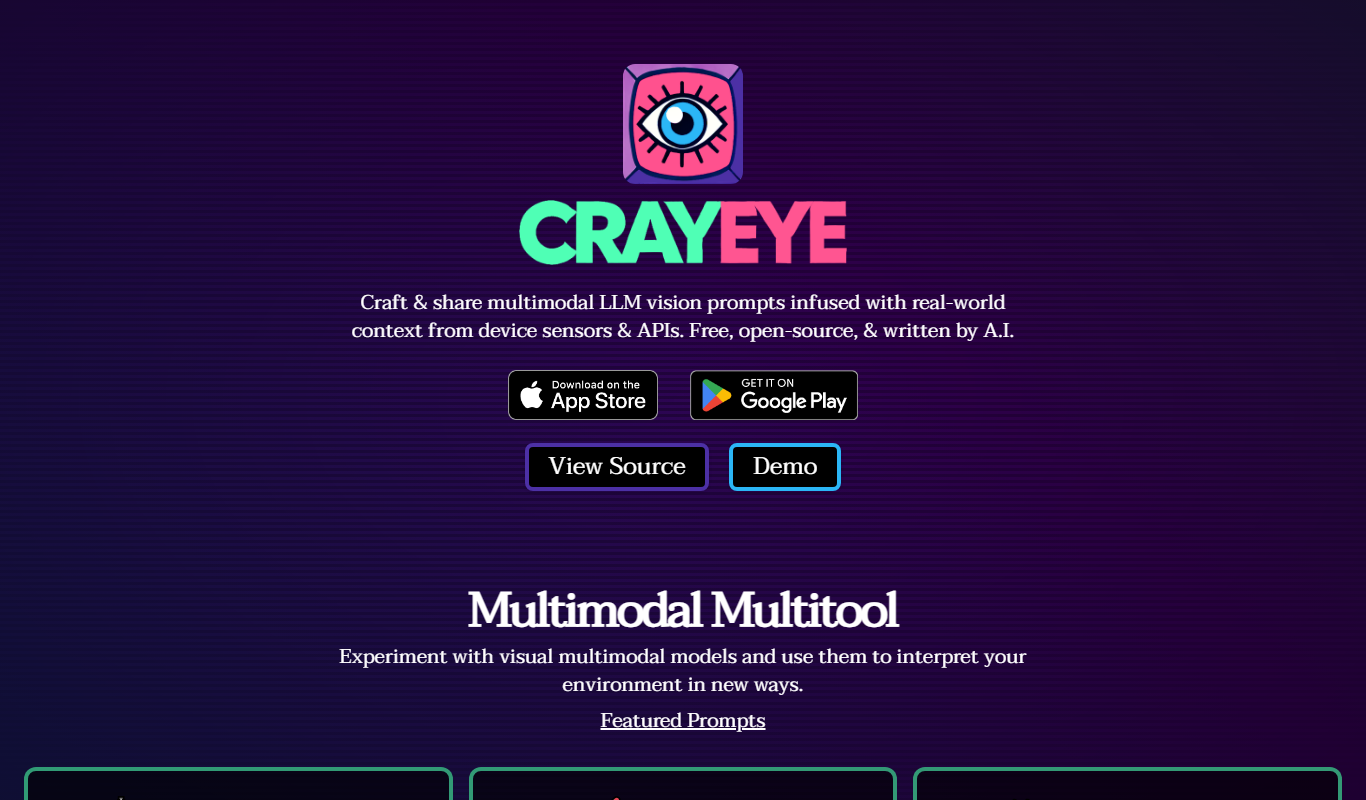
CrayEye
CrayEye is a free, open-source mobile app for crafting and sharing multimodal LLM vision prompts that use your camera plus sensor data such as location and weather.
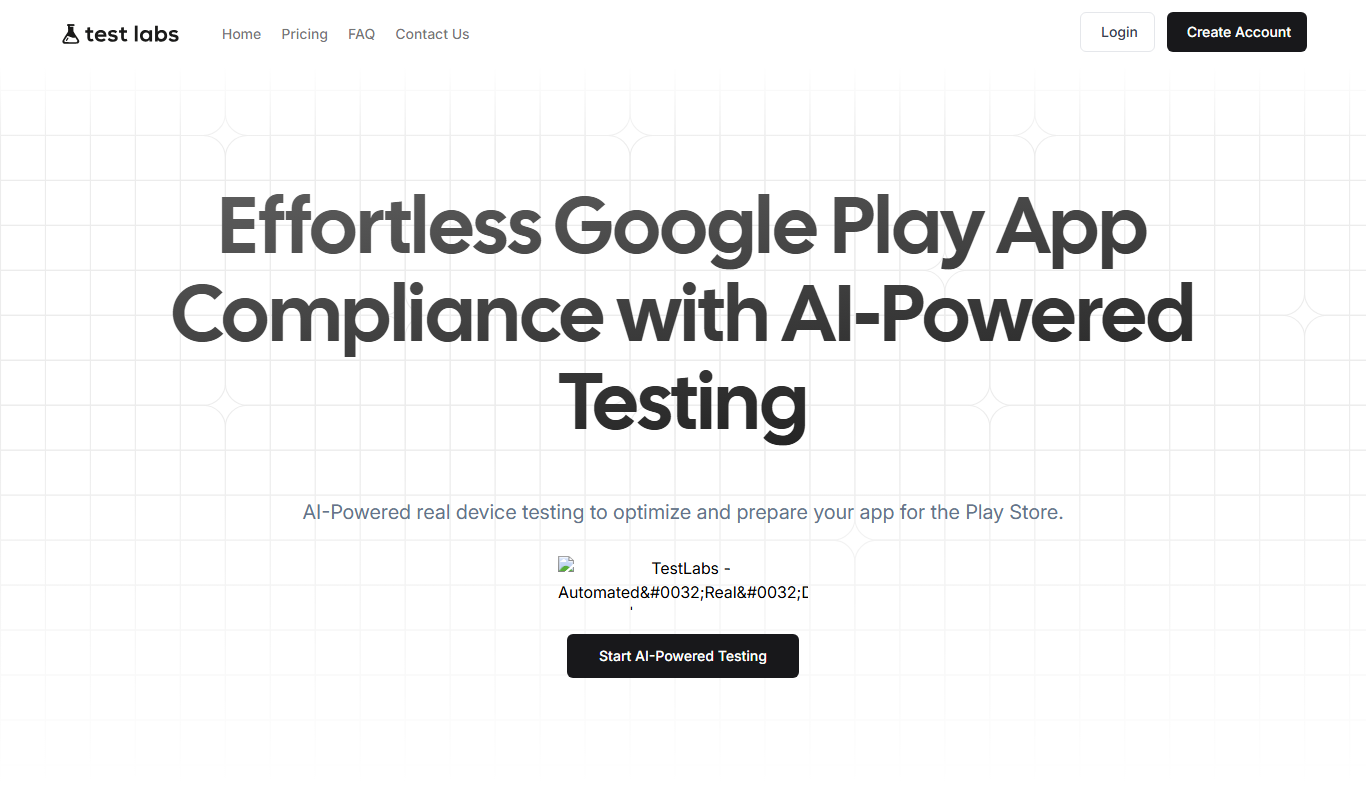
TestLabs
TestLabs tests your app on 20 real devices for 14 days to meet the Google Play testing policy, with daily reports, device logs and screenshots.

Modly
Modly.ai trains, fine-tunes and hosts custom large language models on your business data, delivered as a managed service with API access.

modl.ai
modl.ai automates game testing and QA with AI agents that play your build and analysts that report bugs, glitches and performance issues, with no SDKs or code needed.

Mirascope
Mirascope is The LLM Anti-Framework: open-source Python and TypeScript SDKs with one API for OpenAI, Anthropic and Google, plus tools, tracing and versioning.

Myple
Myple is a developer platform to build, deploy and secure AI applications such as AI agents and RAG chatbots, with SDKs, a CLI and a free Hacker plan.

Momentic
Momentic is an AI testing platform where agents run and maintain plain-English end-to-end tests for web, iOS and Android apps, locally or in CI.
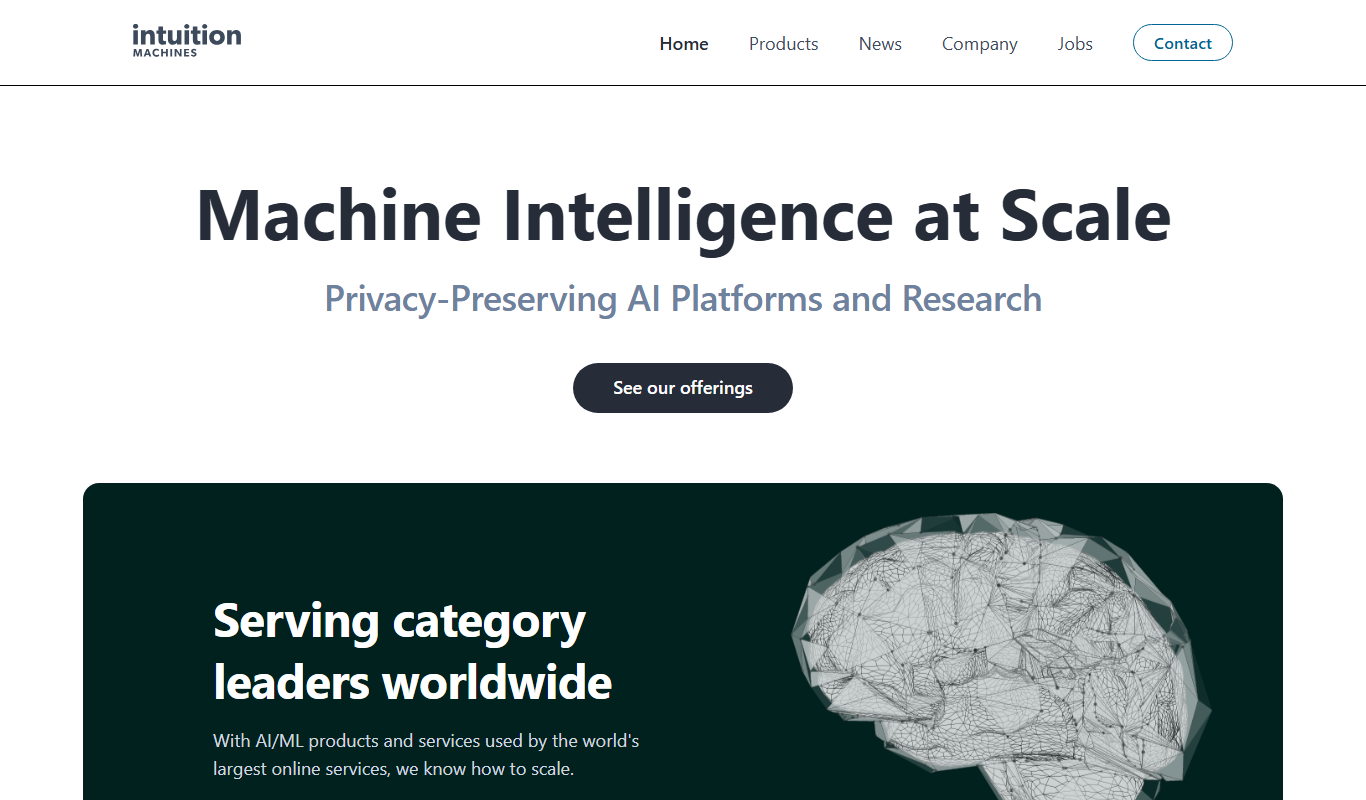
Intuition Machines
Intuition Machines builds privacy-preserving AI/ML platforms: the hCaptcha Security Suite against fraud and abuse, and the IM Perception Platform for training, deploying and improving ML models.