

QNX Software Real-Time OS for Embedded Systems and Automotive Solutions
QNX Software is a real-time operating system by BlackBerry designed for embedded and automotive applications requiring high reliability, security, and safety certifications.
- Best for
- Automotive Infotainment Systems
- Key capability
- Microkernel Architecture
Save QNX Software, follow its updates and vote on it — everything stays in your account.
Sign in or create a free account
What is QNX Software?
QNX Software is a real-time operating system (RTOS) developed by BlackBerry Limited, designed specifically for embedded systems that require high reliability, security, and real-time performance. It is widely used in automotive, industrial, medical, and IoT applications where safety and uptime are critical. The QNX OS architecture is microkernel-based, which enhances modularity and fault tolerance, making it suitable for complex, safety-critical environments.
Key features of QNX Software
QNX provides a microkernel architecture, POSIX compliance, extensive middleware, development tools, and safety certifications. It supports multi-core processors, offers robust security features, and integrates with various hardware platforms to deliver deterministic real-time performance.
Microkernel Architecture
Ensures high reliability and fault isolation by running most services in user space.
Real-Time Performance
Delivers deterministic response times critical for embedded and safety-critical systems.
Safety Certifications
Complies with standards such as ISO 26262, IEC 61508, and DO-178B for automotive and industrial safety.
Security Features
Includes secure boot, encryption, and access controls to protect against cyber threats.
Scalable Middleware
Offers networking stacks, graphics frameworks, and file systems optimized for embedded use.
Pros and cons of QNX Software
Pros
- Highly reliable microkernel architecture
- Strong safety and security certifications
- Robust real-time performance
- Comprehensive development tools
- Wide industry adoption and support
Cons
- Pricing is custom and can be expensive for small projects
- Steep learning curve for new developers
- Primarily focused on embedded and automotive markets
Key use cases for QNX Software
Automotive Infotainment Systems
QNX Software powers in-car infotainment and digital instrument clusters, providing a reliable and secure platform for automotive manufacturers.
Industrial Automation
Used in industrial control systems requiring real-time performance and high reliability for mission-critical operations.
Medical Devices
Supports medical device manufacturers with a safety-certified OS that meets stringent regulatory requirements.
IoT and Connected Devices
Enables secure and scalable IoT device development with real-time capabilities and robust security features.
Safety-Critical Systems
Ideal for aerospace, defense, and transportation systems where safety and reliability are paramount.
How QNX Software works
- 1
Select QNX Platform
Choose the appropriate QNX OS variant tailored for your embedded or automotive application.
- 2
Develop Application
Use QNX Momentics IDE and development tools to build and debug your real-time application.
- 3
Integrate Middleware
Leverage QNX middleware components for networking, graphics, and security to accelerate development.
- 4
Test and Certify
Perform rigorous testing and certification processes to meet industry safety and security standards.
- 5
Deploy on Target Hardware
Deploy the QNX OS and your application on embedded devices or automotive platforms.
Who is using QNX Software
QNX Software pricing
Custom Enterprise Licensing
Contact for pricing
Tailored licensing and support packages based on project scope and deployment scale.
Plans and prices are as published by the vendor and can change. Check the official site before you buy. Open the pricing page (opens in a new tab)
Frequently asked questions about QNX Software
QNX is widely used in automotive, industrial automation, medical devices, aerospace, and IoT sectors.
Yes, QNX is certified for safety standards like ISO 26262 and IEC 61508, making it ideal for safety-critical systems.
BlackBerry provides the QNX Momentics IDE, which includes debugging, profiling, and simulation tools.
Yes, QNX supports symmetric multiprocessing on multi-core architectures.
This tool is designed to help users accomplish its core tasks more efficiently. It is typically used by individuals or teams looking to improve productivity and workflow.
It depends on your specific needs and how you plan to use the tool. The official website and documentation are the best sources for the latest details.
Yes, it can help with that use case depending on how you configure it and what features are available. You’ll get the best results with clear inputs and a defined goal.
Conclusion
Safety certification is central to QNX: the operating system complies with standards such as ISO 26262, IEC 61508 and DO-178B for automotive and industrial safety. Its microkernel runs most services in user space for fault isolation, and it delivers deterministic response times for embedded and safety-critical systems. Applications are built and debugged in the QNX Momentics IDE, which includes profiling and simulation tools, and middleware for networking, graphics and security can be integrated to accelerate development. After testing and certification, the OS and application are deployed on embedded devices or automotive platforms.
In vehicles, it powers in-car infotainment and digital instrument clusters. Other use cases cover industrial control systems, safety-certified medical devices and secure IoT device development. It is aimed at automotive manufacturers and suppliers, medical device developers and aerospace and defense system integrators. Secure boot, encryption and access controls are included, and symmetric multiprocessing on multi-core architectures is supported. The OS also provides POSIX compliance, plus networking stacks, graphics frameworks and file systems optimized for embedded use.
Licensing is custom, tailored to project scope and deployment scale, and it can be expensive for small projects.
Sources
Sign in to review this tool.
Sign In to ReviewNo reviews yet
Be the first to share how this tool worked for you.
Ask about pricing, limits, or how it compares — or answer someone else.
Sign In to AskNo questions yet
Have a question about using or paying for this tool? Be the first to ask.
Featured on TiorAI



More AI Developer Tools tools
Other tools in the same category, for when this one is not quite the fit.
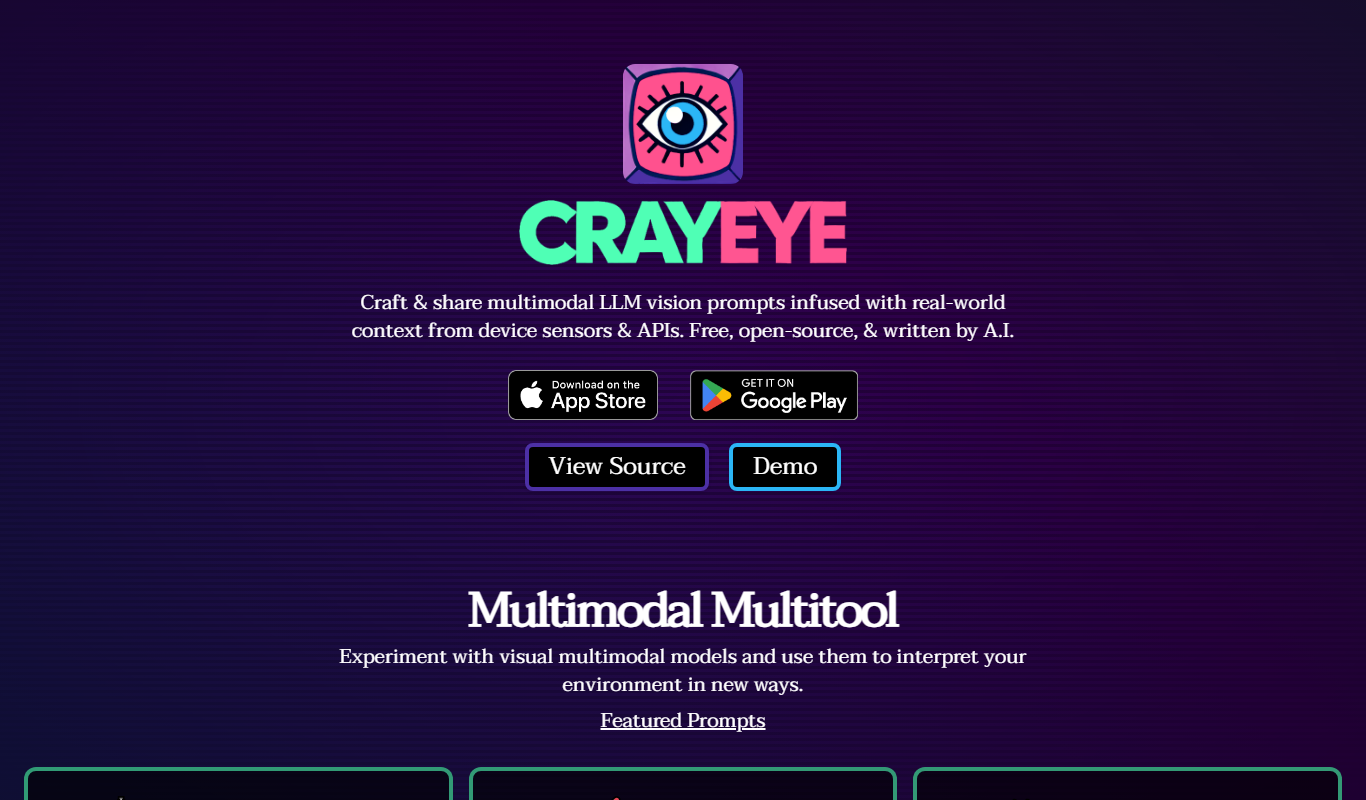
CrayEye
CrayEye is a free, open-source mobile app for crafting and sharing multimodal LLM vision prompts that use your camera plus sensor data such as location and weather.
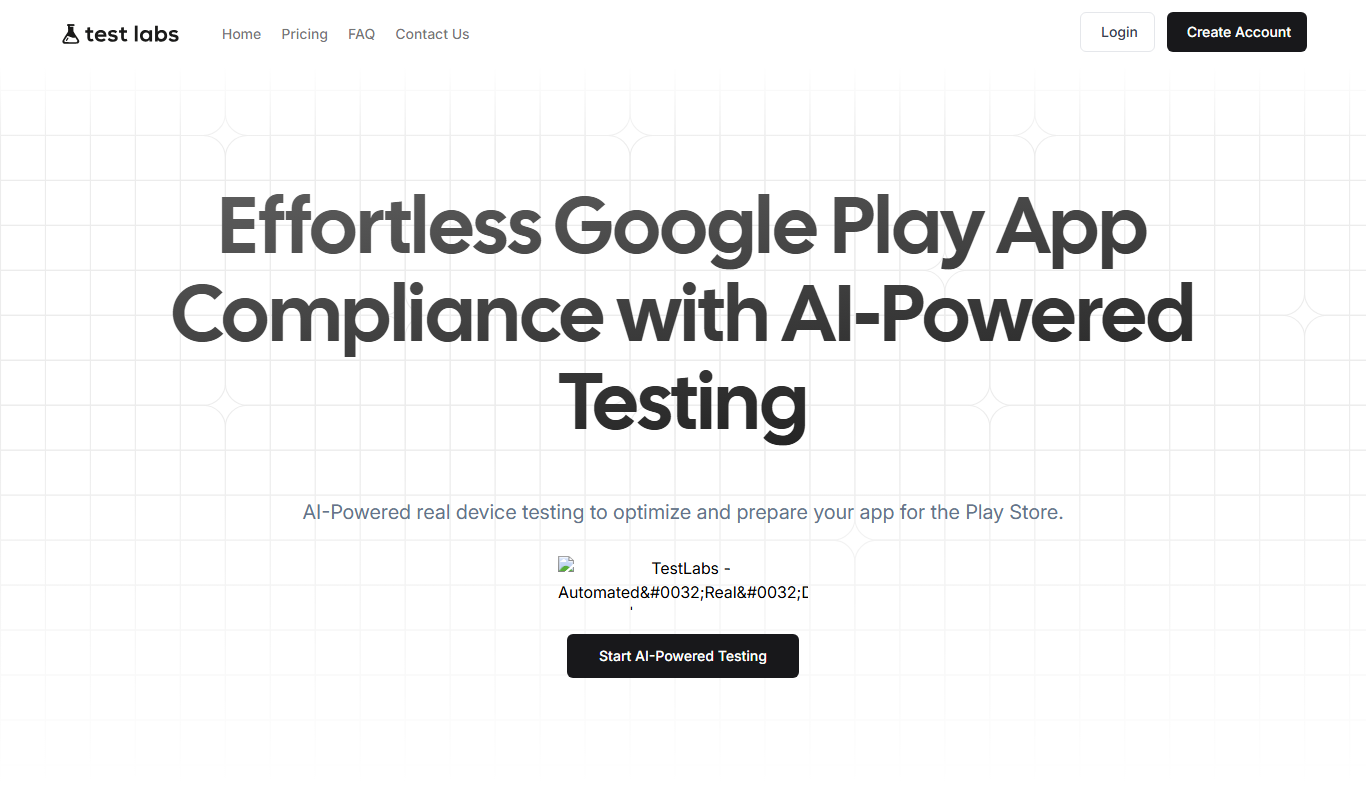
TestLabs
TestLabs tests your app on 20 real devices for 14 days to meet the Google Play testing policy, with daily reports, device logs and screenshots.

Modly
Modly.ai trains, fine-tunes and hosts custom large language models on your business data, delivered as a managed service with API access.

modl.ai
modl.ai automates game testing and QA with AI agents that play your build and analysts that report bugs, glitches and performance issues, with no SDKs or code needed.

Mirascope
Mirascope is The LLM Anti-Framework: open-source Python and TypeScript SDKs with one API for OpenAI, Anthropic and Google, plus tools, tracing and versioning.

Myple
Myple is a developer platform to build, deploy and secure AI applications such as AI agents and RAG chatbots, with SDKs, a CLI and a free Hacker plan.

Momentic
Momentic is an AI testing platform where agents run and maintain plain-English end-to-end tests for web, iOS and Android apps, locally or in CI.
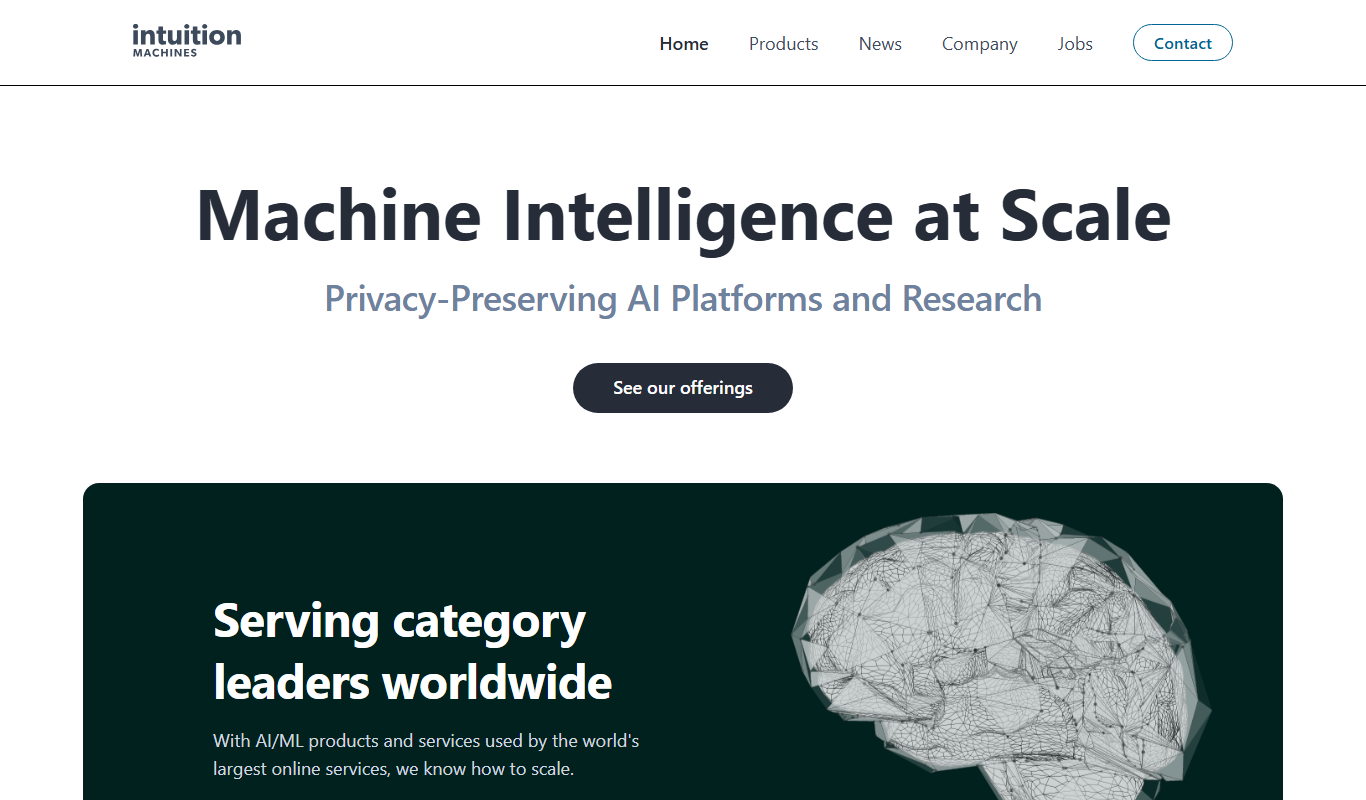
Intuition Machines
Intuition Machines builds privacy-preserving AI/ML platforms: the hCaptcha Security Suite against fraud and abuse, and the IM Perception Platform for training, deploying and improving ML models.