What Is Virtual World?
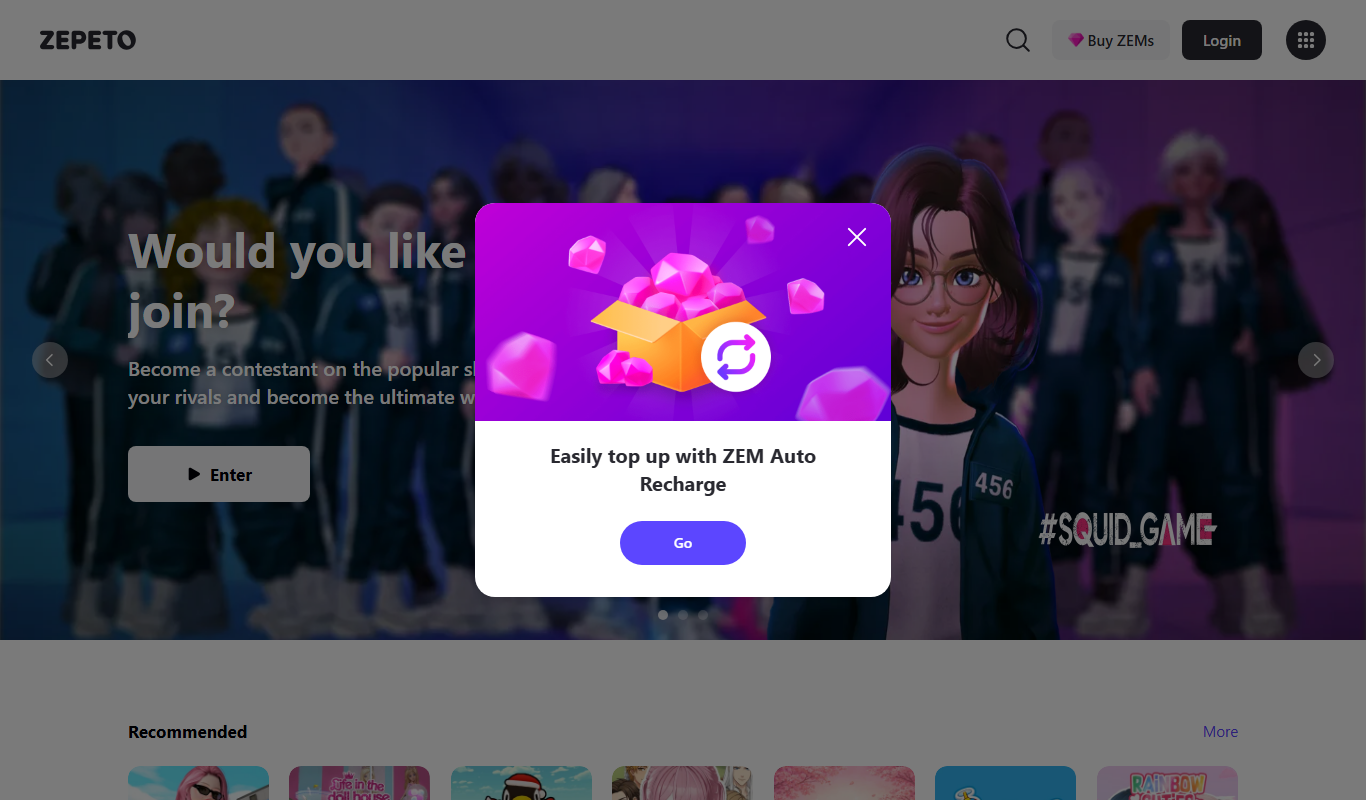
A virtual world is an immersive, computer-generated space designed to simulate real or imagined environments. Users navigate this environment using digital representations called avatars, which allow them to explore, communicate, and perform various activities much like in the physical world. These worlds can range from simple 2D environments to complex 3D spaces that mimic real-life physics and social interactions. Virtual worlds are used for gaming, social networking, training simulations, and business collaboration, providing a dynamic platform for interaction beyond physical constraints.
Why Is Virtual World Important?
Virtual worlds open new avenues for engagement, entertainment, and business by creating interactive experiences that transcend geography. They enable businesses and marketers to connect with audiences in immersive ways, fostering stronger brand loyalty and innovative customer interactions. Additionally, virtual worlds support remote collaboration and education, making them valuable tools for the modern digital economy.
- Enhances social interaction and user engagement through immersive experiences
- Provides innovative marketing and branding opportunities
- Supports remote collaboration and training in realistic simulated environments
Key Characteristics of Virtual World
- Interactivity: Users can actively participate, communicate, and influence the virtual environment.
- Persistence: The virtual world continues to exist and evolve even when users are offline.
- Avatar Representation: Users control digital personas to navigate and interact within the environment.
How Virtual World Works (Step-by-Step)
- Users create or log in to an account and select or customize an avatar.
- The system loads the virtual environment, allowing the avatar to move and interact with objects or other avatars.
- Real-time data exchanges facilitate communication, events, and changes within the virtual world, providing an immersive experience.
Real-World Examples of Virtual World
- Online Gaming Platforms: Games like “Second Life” and “World of Warcraft” offer vast virtual worlds for socializing, commerce, and adventure.
- Virtual Collaboration Spaces: Platforms such as “Mozilla Hubs” provide virtual meeting rooms for businesses to collaborate remotely in 3D environments.
Virtual World in SEO, Marketing, or Business Context
In marketing and business, virtual worlds serve as innovative channels for brand storytelling, product showcases, and customer engagement. Companies can host virtual events, launch products, or create immersive advertisements that resonate deeply with tech-savvy audiences. From SEO perspectives, virtual worlds can drive traffic through interactive content and generate backlinks via community participation, expanding digital presence and enhancing brand authority.
Common Mistakes or Misunderstandings About Virtual World
- Assuming virtual worlds are only for gaming, ignoring their business and educational applications.
- Underestimating the technical requirements and user experience design needed for effective virtual world engagement.
Related Terms
- Metaverse
- Augmented Reality (AR)
- Digital Avatar
FAQs About Virtual World
You typically need a computer, smartphone, or VR headset with internet connectivity to enter and interact in a virtual world.
They provide immersive marketing opportunities, remote collaboration tools, and innovative customer engagement platforms.
Summary
Virtual worlds are dynamic, interactive digital environments that simulate real or imagined spaces, enabling users to engage socially and commercially through avatars. They play a growing role in entertainment, education, and business by offering immersive experiences that enhance connection and innovation in the digital landscape.