What Is Virtual Reality?
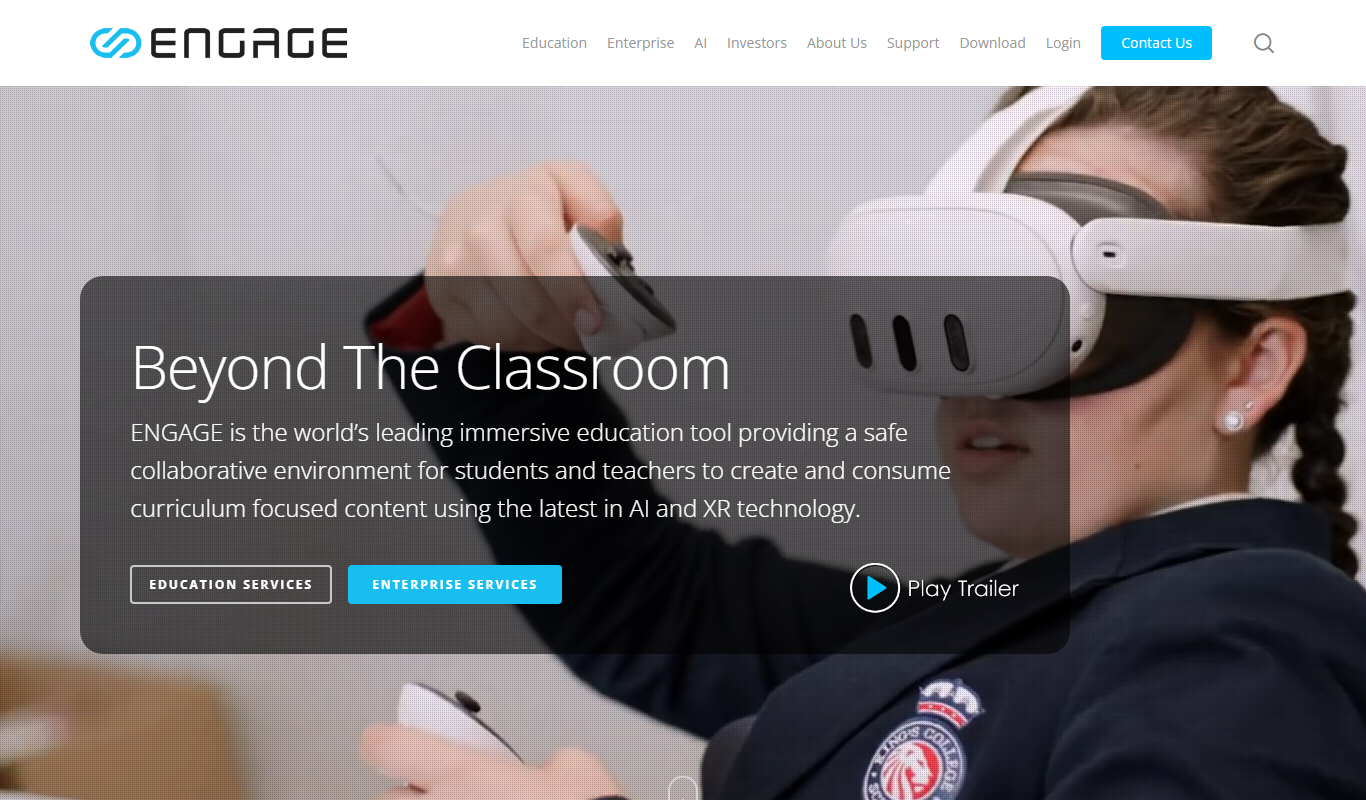
Virtual Reality is a technology that creates a simulated environment, which can be similar to or completely different from the real world. It involves the use of VR headsets or multi-projected environments to generate realistic images, sounds, and other sensations that mimic a user’s physical presence in a virtual or imaginary space. Users can look around the artificial world, move around in it, and interact with virtual features or items, enabling a fully immersive experience.
Why Is Virtual Reality Important?
Virtual Reality is revolutionizing the way we interact with digital content, offering unique experiences that are not possible with traditional media.
- It enhances user engagement by providing immersive experiences.
- VR is transforming industries such as gaming, education, and healthcare.
- It creates new opportunities for training and simulation in a risk-free environment.
Key Characteristics of Virtual Reality
- VR in Gaming: Games like Beat Saber use VR to provide a fully immersive gaming experience where players can interact with the game world in unique ways.
- Virtual Tours: Real estate companies use VR to offer virtual tours of properties, allowing potential buyers to explore homes remotely.
How Virtual Reality Works (Step-by-Step)
- A VR headset is worn to block out the real world and display the virtual environment.
- Head tracking technology adjusts the display according to the user’s head movements, maintaining a consistent perspective.
- Input devices, such as controllers or gloves, allow users to interact with the virtual environment and perform actions.
Real-World Examples of Virtual Reality
- VR in Gaming: Games like Beat Saber use VR to provide a fully immersive gaming experience where players can interact with the game world in unique ways.
- Virtual Tours: Real estate companies use VR to offer virtual tours of properties, allowing potential buyers to explore homes remotely.
Virtual Reality in SEO, Marketing, or Business Context
In marketing and business, VR offers innovative ways to engage with customers by creating memorable brand experiences. Virtual reality can be used to simulate product demonstrations or offer virtual try-ons, increasing consumer engagement and driving sales. Additionally, SEO strategies can incorporate VR content to attract tech-savvy audiences and enhance web presence.
Common Mistakes or Misunderstandings About Virtual Reality
- Believing VR is only for gaming, while it has applications in various fields like education and healthcare.
- Assuming VR is too expensive, when in fact, there are affordable options for both consumers and businesses.
Related Terms
- Augmented Reality (AR)
- Simulation
- Mixed Reality (MR)
FAQs About Virtual Reality
VR creates a fully immersive digital environment, while AR overlays digital elements onto the real world.
VR is used in education to create immersive learning experiences, such as virtual field trips and interactive lessons.
Summary
Virtual Reality is a transformative technology that offers immersive experiences across various industries, from gaming to education. By simulating real-world environments, VR allows for enhanced interaction and engagement, providing unique opportunities for businesses and educators alike. As VR technology becomes more accessible, its applications continue to expand, offering innovative solutions and experiences.