What Is Generative Adversarial Network?
A Generative Adversarial Network (GAN) is a class of machine learning frameworks designed by Ian Goodfellow and his colleagues in 2014. It involves two neural networks, a generator and a discriminator, which work in opposition. The generator creates fake data samples, while the discriminator evaluates them against real data. The generator’s goal is to produce data indistinguishable from real data, while the discriminator aims to identify the fake data. This adversarial process continues until the generator produces highly realistic data.
Why Is Generative Adversarial Network Important?
GANs hold significant importance in AI and data science due to their unique ability to generate high-quality synthetic data. They have various applications across industries, from creative arts to healthcare.
- GANs can generate realistic images, audio, and video content for creative industries.
- They enhance data augmentation, providing more data for training AI models.
- GANs play a role in privacy-preserving data generation, creating data that mimics real datasets without compromising sensitive information.
Key Characteristics of Generative Adversarial Network
- Adversarial Training: Involves a competition between generator and discriminator networks.
- Realism: Capable of producing highly realistic synthetic data.
- Versatility: Applicable across various domains, including image synthesis and data privacy.
How Generative Adversarial Network Works (Step-by-Step)
- The generator produces random noise and generates synthetic data samples.
- The discriminator evaluates both real and synthetic data, providing feedback on authenticity.
- The generator uses feedback to improve, refining its outputs to better fool the discriminator.
Real-World Examples of Generative Adversarial Network
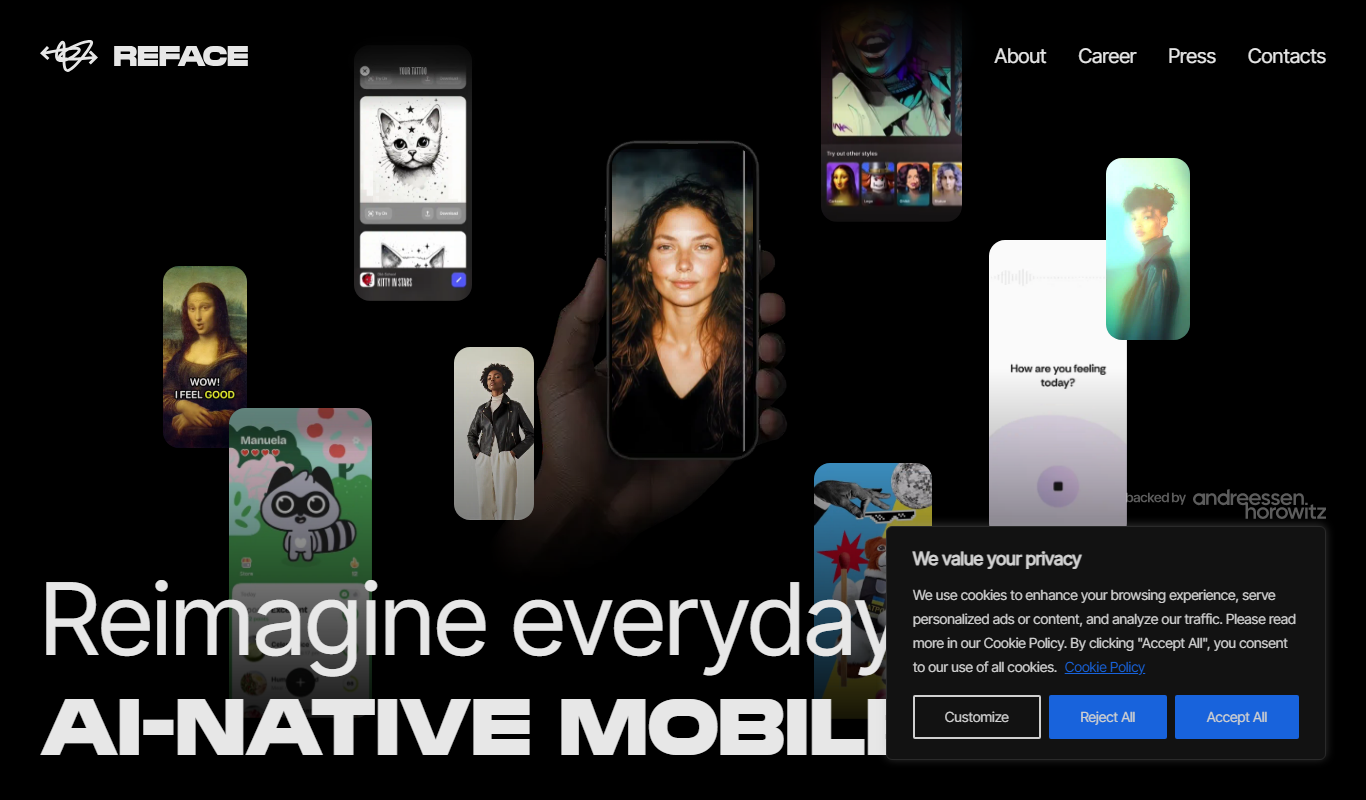
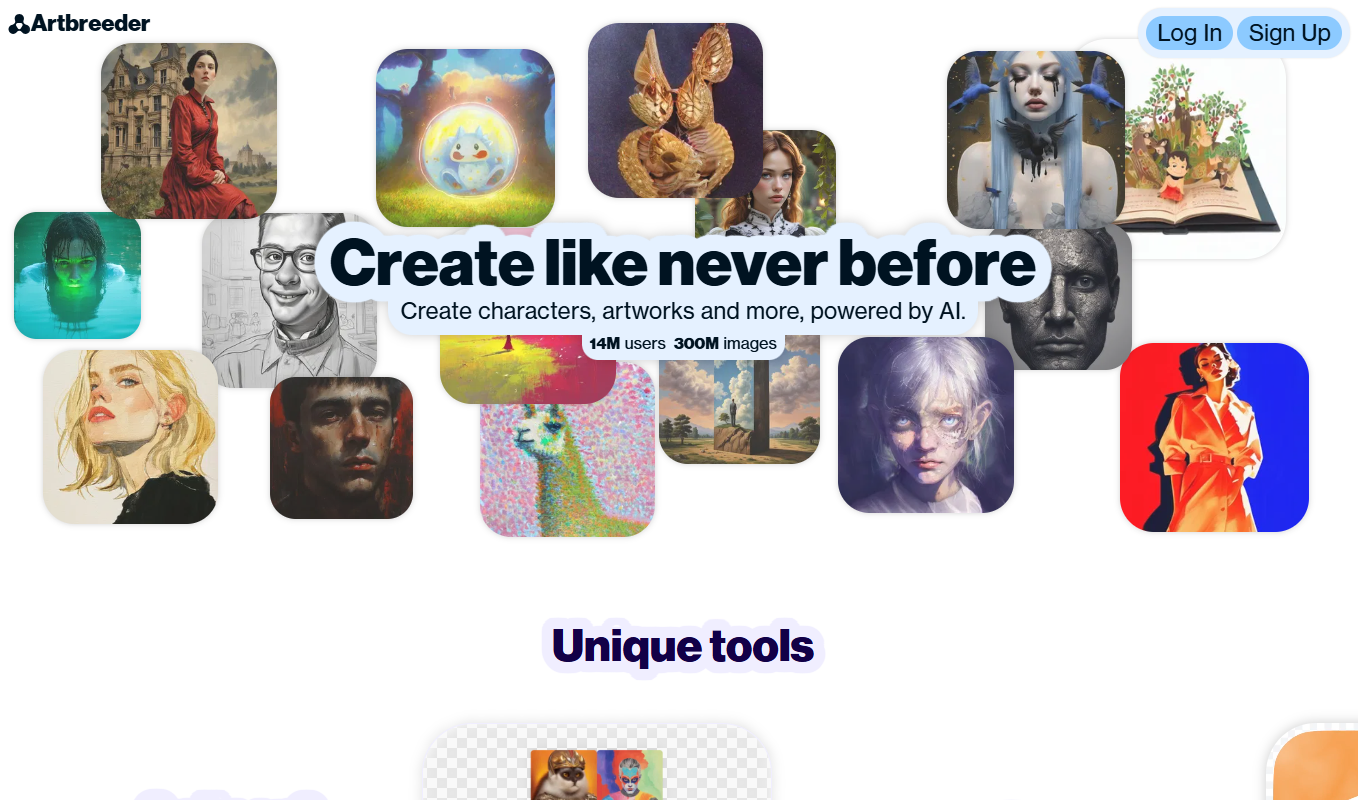
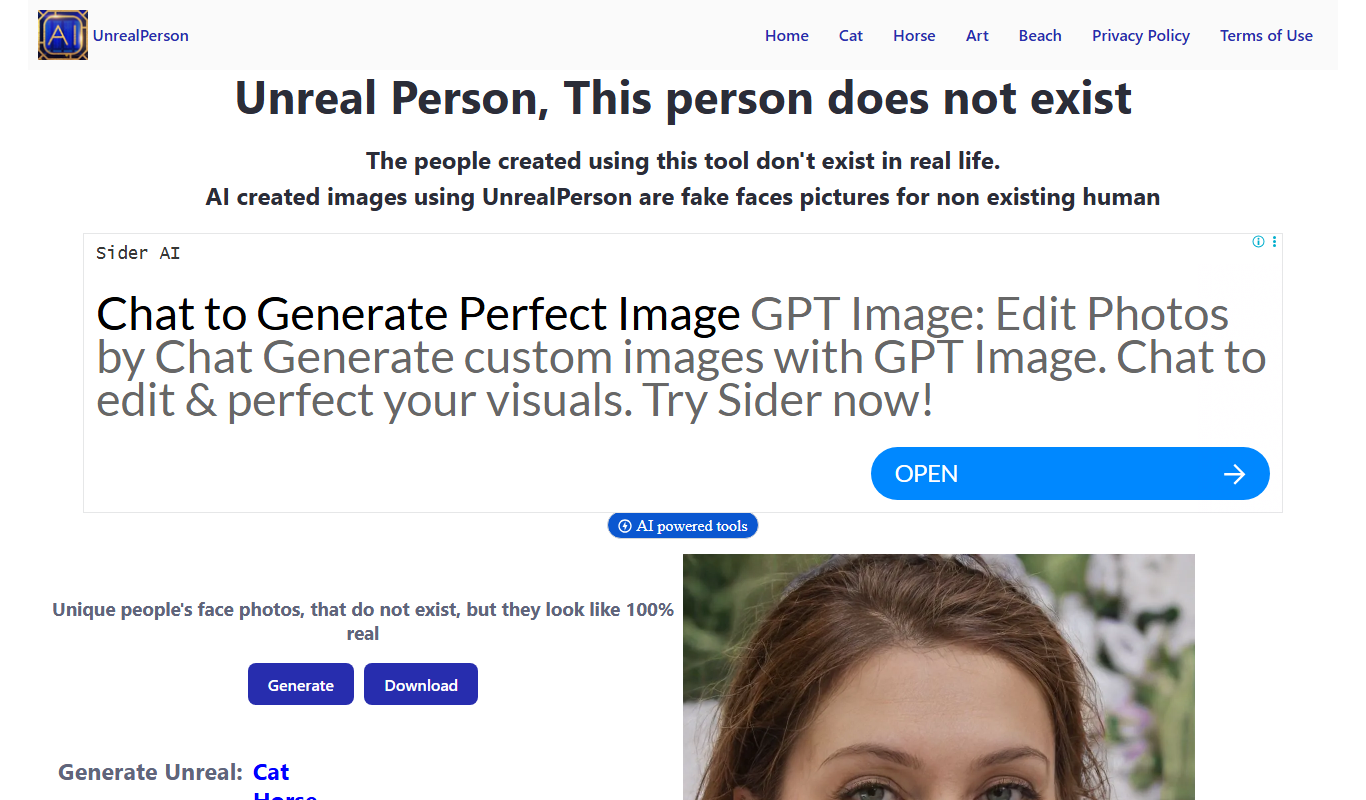
- Image Creation: GANs are used to create hyper-realistic portraits and artwork, such as the famous AI-generated painting auctioned at Christie’s.
- Data Augmentation: In healthcare, GANs generate synthetic medical images to enhance machine learning model training.
Generative Adversarial Network in SEO, Marketing, or Business Context
In the realm of marketing and business, GANs can be utilized to create lifelike product images, enhancing advertising campaigns. They can also simulate customer data for personalized marketing strategies without breaching privacy, offering a powerful tool for data-driven insights.
Common Mistakes or Misunderstandings About Generative Adversarial Network
- Believing GANs always produce perfect results without significant training and tuning.
- Assuming GANs are only applicable to image generation, overlooking their broader applications.
Related Terms
FAQs About Generative Adversarial Network
A GAN consists of a generator and a discriminator, which compete to improve the generation of realistic data.
GANs can create synthetic datasets that approximate real data, allowing analysis without exposing sensitive information.
Summary
Generative Adversarial Networks are a transformative AI technology with the ability to generate high-quality synthetic data. Through adversarial training, they refine data production for diverse applications, from art to privacy. Their versatility makes them a crucial tool in modern data science, marketing, and business strategies, although their successful implementation requires careful training and understanding.