What Is Conversational AI?
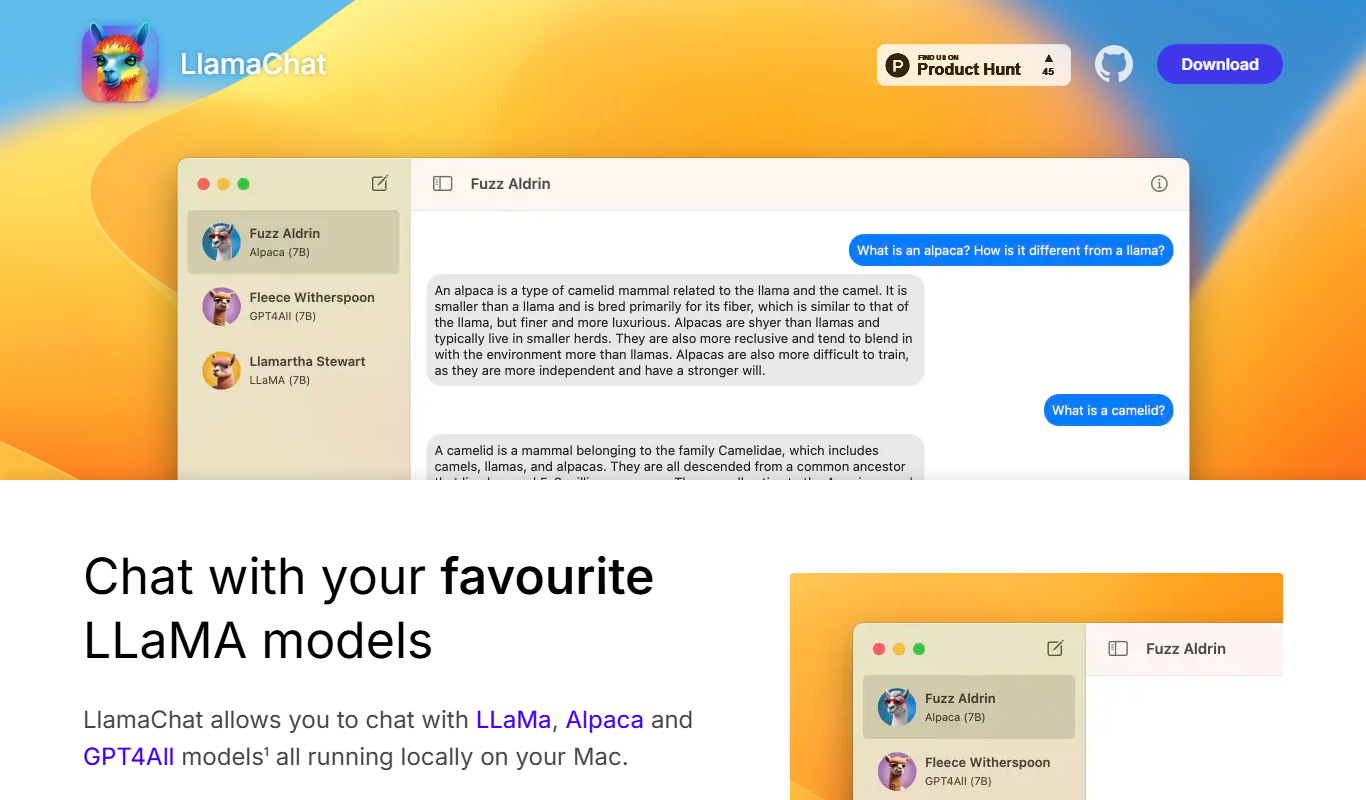
Conversational AI refers to the systems and algorithms that power chatbots, virtual assistants, and automated messaging tools. It combines natural language processing (NLP), machine learning, speech recognition, and dialog management to simulate human-like conversations. Rather than relying on rigid scripts, conversational AI systems interpret user intent, understand context, and generate dynamic responses. This allows businesses to automate communication at scale while improving customer engagement and user experience.
Why Is Conversational AI Important?
Conversational AI is crucial because it enhances communication efficiency and accessibility while reducing operational costs across industries.
- It allows businesses to automate customer support, sales, and service interactions 24/7.
- It improves user experience by offering fast, personalized, and accurate responses.
- It enables scalable engagement across websites, apps, messaging platforms, and voice interfaces.
Key Characteristics of Conversational AI
- Natural Language Understanding (NLU): Interprets user intent, context, and sentiment to guide responses.
- Contextual Awareness: Maintains conversation history to deliver coherent, relevant dialogue flows.
- Adaptive Response Generation: Uses machine learning or generative models to craft responses that mimic human conversation.
How Conversational AI Works (Step-by-Step)
- The user inputs a message or speaks a command.
- The system processes the input using NLP and machine learning to identify intent and extract key information.
- The AI generates a response—either rule-based or model-driven—and delivers it through the chosen interface.
Real-World Examples of Conversational AI
- Customer Support Chatbots: Used by banks, retailers, and SaaS companies to automate troubleshooting, onboarding, and FAQs.
- Voice Assistants: Systems like Alexa, Siri, and Google Assistant that enable hands-free, conversational interactions with technology.
Conversational AI in SEO, Marketing, or Business Context
Conversational AI helps businesses streamline user interactions, personalize marketing experiences, and increase conversion rates. In SEO, conversational AI aligns with the rise of voice search and long-tail, natural language queries, encouraging brands to optimize content around intent-driven phrasing. In customer engagement, it enhances lead qualification, supports omnichannel messaging, and reduces service bottlenecks, ultimately improving retention and customer satisfaction.
Common Mistakes or Misunderstandings About Conversational AI
- Believing that conversational AI works perfectly out of the box without training or optimization.
- Assuming conversational AI replaces human agents entirely, rather than augmenting and scaling their capabilities.
Related Terms
FAQs About Conversational AI
No. While a chatbot is a type of conversational AI, the term “conversational AI” refers to the broader technology stack that enables more sophisticated, context-aware, and human-like interactions.
Yes. AI models improve with ongoing data, user feedback, and refinements to ensure accuracy, relevance, and natural language coherence.
Summary
Conversational AI empowers machines to engage in natural, meaningful dialogue with users across digital channels. By integrating NLP, machine