

CockroachDB Distributed SQL Database for Scalable Cloud Applications
CockroachDB is a distributed SQL database designed for cloud-native applications that require strong consistency, high availability, and horizontal scalability across multiple regions.
- Best for
- Cloud-Native Application Development
- Key capability
- Distributed SQL with Strong Consistency
Save CockroachDB, follow its updates and vote on it — everything stays in your account.
Sign in or create a free account
What is CockroachDB?
CockroachDB is a distributed SQL database designed for cloud applications that require horizontal scalability, strong consistency, and high availability. It combines the familiarity of SQL with the resilience and scalability of a distributed system, enabling developers to build applications that can survive datacenter outages and scale globally without manual sharding.
Key features of CockroachDB
CockroachDB offers features such as distributed transactions, automatic replication and failover, multi-region deployment, strong consistency, and seamless scaling. It supports standard SQL queries and integrates with popular cloud and container orchestration platforms.
Distributed SQL with Strong Consistency
Supports ACID transactions across a distributed architecture ensuring data correctness.
Multi-Region and Global Distribution
Deploy data close to users worldwide to reduce latency and improve performance.
Automatic Replication and Self-Healing
Data is replicated automatically with built-in mechanisms to recover from failures.
Cloud-Native and Kubernetes Integration
Designed to run seamlessly on cloud platforms and container orchestration systems.
Standard SQL Interface
Uses familiar SQL syntax and tools, easing adoption for developers and DBAs.
Pros and cons of CockroachDB
Pros
- Highly resilient with automatic failover
- Scales horizontally without manual sharding
- Strong consistency with distributed ACID transactions
- Cloud-native with Kubernetes support
- PostgreSQL compatible interface
Cons
- Higher operational complexity compared to single-node databases
- Some advanced SQL features are still evolving
- Resource intensive for small-scale deployments
Key use cases for CockroachDB
Cloud-Native Application Development
Build scalable, resilient applications that require globally distributed SQL databases with strong consistency.
Multi-Region Data Distribution
Deploy databases across multiple geographic regions to reduce latency and increase availability.
Disaster Recovery and High Availability
Ensure continuous uptime with automatic failover and self-healing capabilities.
Transactional Workloads
Support complex transactional applications requiring ACID compliance and strong consistency.
DevOps and Database Automation
Integrate with Kubernetes and cloud infrastructure for automated scaling and management.
How CockroachDB works
- 1
Deploy Cluster
Set up a CockroachDB cluster on cloud infrastructure, on-premises servers, or Kubernetes.
- 2
Distribute Data
Data is automatically partitioned and replicated across nodes to ensure fault tolerance.
- 3
Execute SQL Queries
Applications interact with the database using standard SQL with ACID transactional guarantees.
- 4
Automatic Failover
If a node or region fails, CockroachDB automatically reroutes traffic and recovers without downtime.
- 5
Scale Horizontally
Add or remove nodes dynamically to handle changing workloads without manual intervention.
Who is using CockroachDB
CockroachDB pricing
Standard
$0.092 per vCPU-hour
Usage is billed per vCPU-hour, and a 30-day trial with $400 credit is offered.
Mission Critical
$0.162 per vCPU-hour
Usage is billed per vCPU-hour.
Enterprise
Custom pricing
Advanced features, dedicated support, and compliance options for large organizations.
Plans and prices are as published by the vendor and can change. Check the official site before you buy. Open the pricing page (opens in a new tab)
Frequently asked questions about CockroachDB
CockroachDB supports a PostgreSQL-compatible wire protocol, allowing many PostgreSQL clients and tools to work with it.
Yes, CockroachDB can be deployed on-premises, in private clouds, or on public cloud platforms.
It uses automatic replication and consensus algorithms to tolerate node and region failures without downtime.
Yes, it provides full ACID transactional guarantees across distributed nodes.
This tool is designed to help users accomplish its core tasks more efficiently. It is typically used by individuals or teams looking to improve productivity and workflow.
Data handling and security practices vary by provider. Review the official privacy policy to understand how your data is stored and used.
Yes, it can help with that use case depending on how you configure it and what features are available. You’ll get the best results with clear inputs and a defined goal.
Conclusion
Clusters run on cloud infrastructure, on-premises servers or Kubernetes, and data is automatically partitioned and replicated across nodes to ensure fault tolerance. Applications use standard SQL with ACID transactional support, and a PostgreSQL-compatible wire protocol lets many PostgreSQL clients and tools work with it. If a node or region fails, traffic is rerouted automatically and the database recovers without downtime. It also scales horizontally without manual sharding.
Its intended users include cloud application developers, DevOps engineers and database administrators managing distributed systems. The page notes higher operational complexity than single-node databases, and small-scale deployments can be resource intensive. Usage is billed per vCPU-hour, with the Standard plan at $0.092 and the Mission Critical plan at $0.162. A 30-day trial with $400 credit is also offered.
Sources
Sign in to review this tool.
Sign In to ReviewNo reviews yet
Be the first to share how this tool worked for you.
Ask about pricing, limits, or how it compares — or answer someone else.
Sign In to AskNo questions yet
Have a question about using or paying for this tool? Be the first to ask.
Featured on TiorAI



More AI Developer Tools tools
Other tools in the same category, for when this one is not quite the fit.
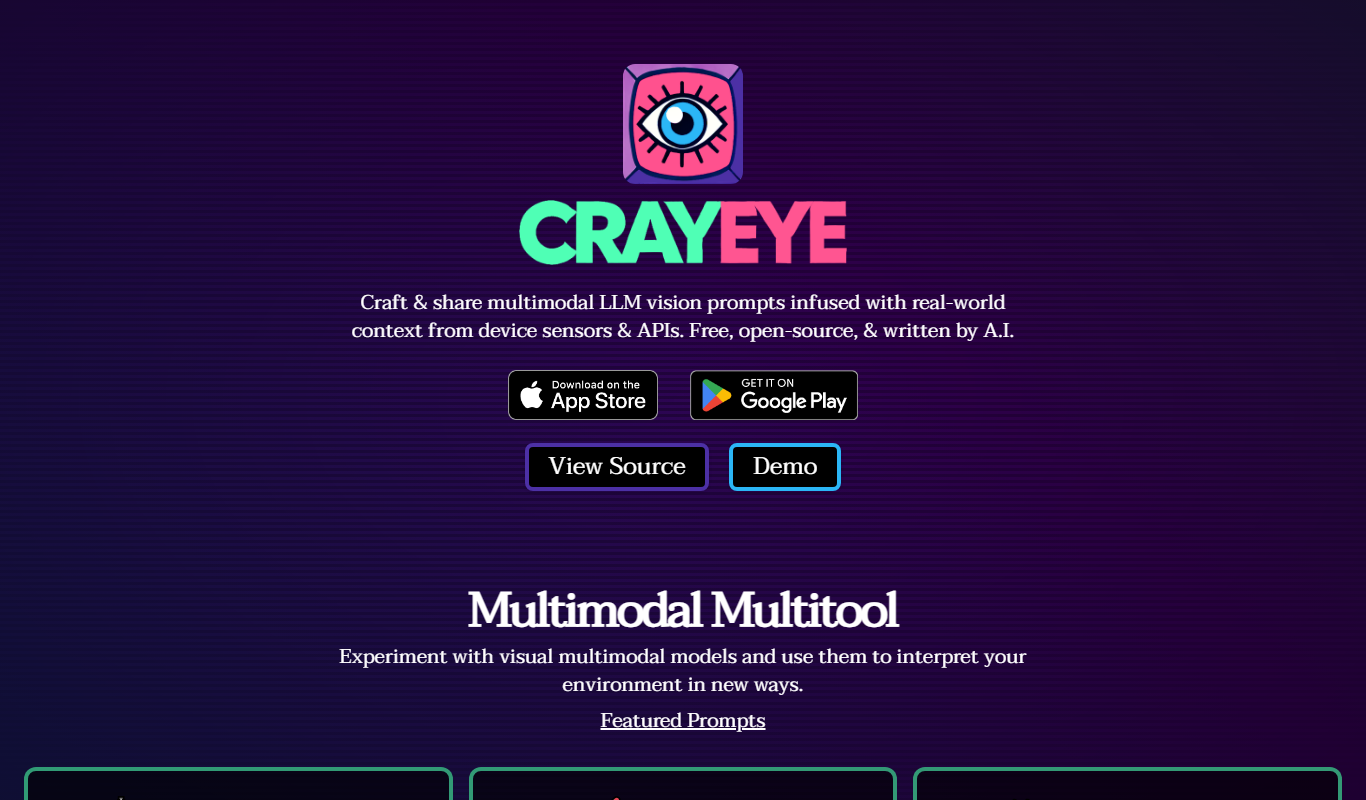
CrayEye
CrayEye is a free, open-source mobile app for crafting and sharing multimodal LLM vision prompts that use your camera plus sensor data such as location and weather.
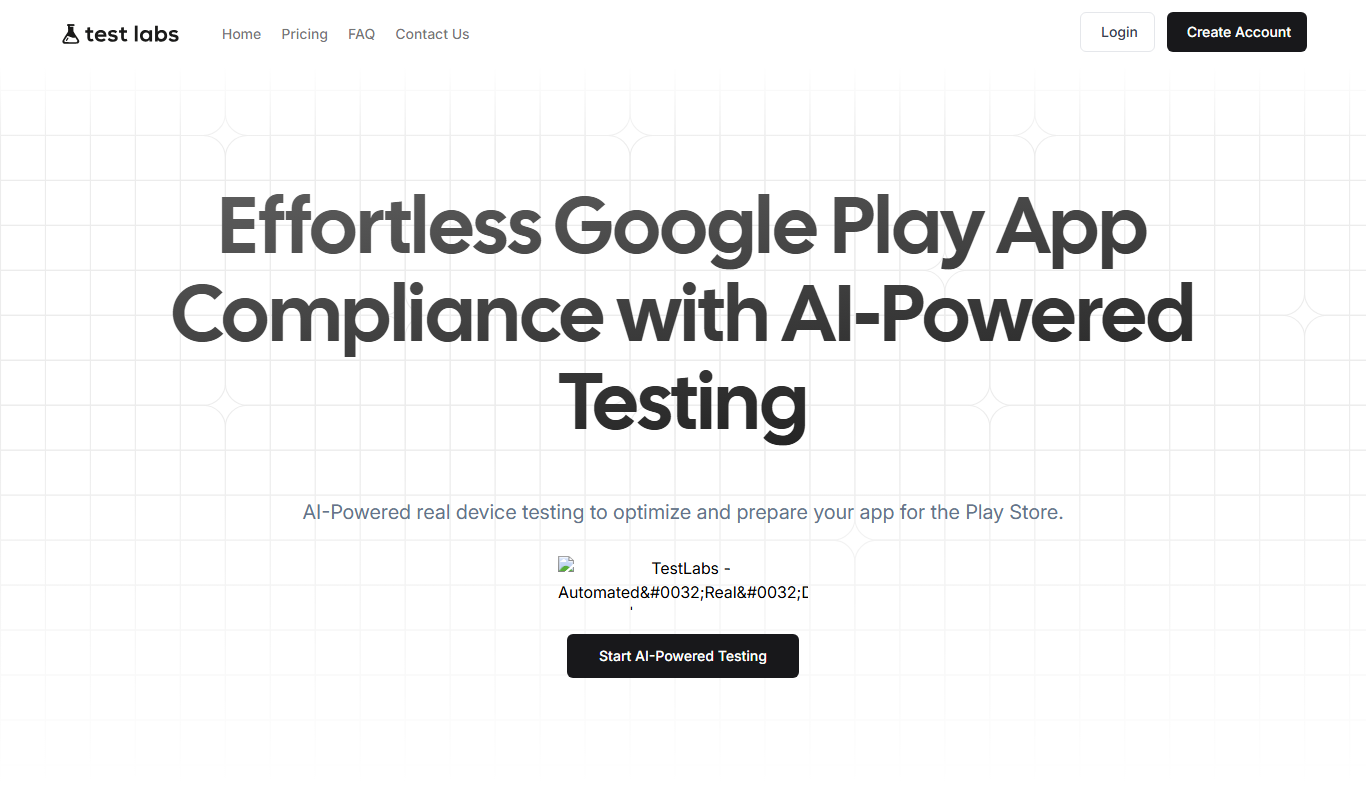
TestLabs
TestLabs tests your app on 20 real devices for 14 days to meet the Google Play testing policy, with daily reports, device logs and screenshots.

Modly
Modly.ai trains, fine-tunes and hosts custom large language models on your business data, delivered as a managed service with API access.

modl.ai
modl.ai automates game testing and QA with AI agents that play your build and analysts that report bugs, glitches and performance issues, with no SDKs or code needed.

Mirascope
Mirascope is The LLM Anti-Framework: open-source Python and TypeScript SDKs with one API for OpenAI, Anthropic and Google, plus tools, tracing and versioning.

Myple
Myple is a developer platform to build, deploy and secure AI applications such as AI agents and RAG chatbots, with SDKs, a CLI and a free Hacker plan.

Momentic
Momentic is an AI testing platform where agents run and maintain plain-English end-to-end tests for web, iOS and Android apps, locally or in CI.
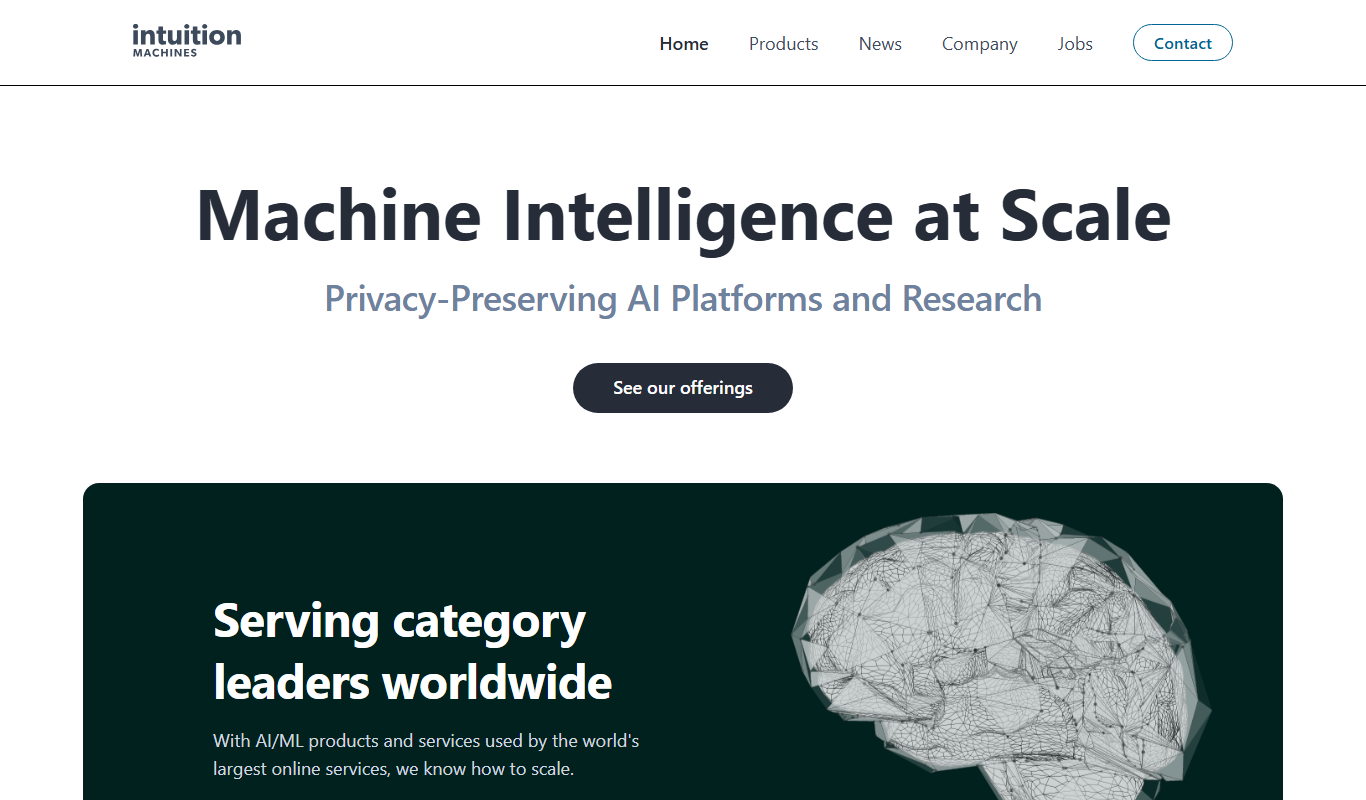
Intuition Machines
Intuition Machines builds privacy-preserving AI/ML platforms: the hCaptcha Security Suite against fraud and abuse, and the IM Perception Platform for training, deploying and improving ML models.