

From my experience with Snips, I found it excels at delivering a truly private voice assistant experience by processing speech commands entirely on-device. This approach is especially valuable for applications where user privacy is paramount, such as smart home devices and automotive systems. After spending time exploring Snips, I can say it’s particularly well-suited for developers and companies aiming to build custom voice interfaces without relying on cloud services. However, the trade-off is that Snips requires technical expertise to implement and does not offer a free or open-source version anymore. Overall, if you need a privacy-first, customizable voice assistant platform, Snips delivers solid results.
Snips AI Voice Assistant Platform for Private On-Device Speech Recognition
Snips is an AI voice assistant platform that processes speech recognition and natural language understanding locally on devices, ensuring privacy by avoiding cloud data transmission.
- Best for
- Private Voice Assistants
- Key capability
- On-Device Speech Recognition

Do you recommend this tool?
What is Snips?
Snips is a privacy-focused AI voice assistant platform designed to run speech recognition and natural language understanding directly on devices without relying on cloud services. It enables developers and companies to build custom voice assistants that process voice commands locally, ensuring user data remains private and secure. Snips supports multiple languages and is optimized for embedded systems, mobile devices, and IoT applications.
Key features of Snips
Snips offers on-device speech-to-text, natural language understanding, customizable voice assistant skills, multi-language support, and tools for easy integration into various hardware platforms. Its architecture prioritizes privacy by eliminating the need for cloud connectivity during voice processing.
On-Device Speech Recognition
Processes voice commands locally to ensure privacy and reduce latency.
Custom Natural Language Understanding
Allows developers to define intents and entities specific to their application domain.
Multi-Language Support
Supports several major languages including English, French, German, Spanish, and Italian.
Lightweight SDK
Optimized for embedded and mobile devices with limited computational resources.
Privacy by Design
No voice data is sent to external servers, protecting user privacy.
Pros and cons of Snips
Pros
- Strong privacy focus with on-device processing
- Customizable natural language understanding
- Supports multiple languages
- Optimized for embedded and mobile platforms
Cons
- No longer offers a free or open-source version
- Pricing and licensing details are not publicly disclosed
- Requires technical expertise to implement
Key use cases for Snips
Private Voice Assistants
Develop voice assistants that run locally on devices without sending data to the cloud, ensuring user privacy.
Smart Home Control
Enable voice commands for smart home devices with offline speech recognition and natural language understanding.
Automotive Voice Interfaces
Integrate voice control in vehicles for hands-free operation with low latency and high privacy standards.
Custom Voice Applications
Build tailored voice-enabled applications for industries requiring secure and private voice interactions.
How Snips works
- 1
Integrate SDK
Developers integrate the Snips SDK into their device or application to enable voice assistant capabilities.
- 2
Customize Voice Commands
Create and train custom voice commands and intents tailored to specific use cases or industries.
- 3
On-Device Processing
Voice input is processed locally on the device, converting speech to text and interpreting commands without cloud dependency.
- 4
Execute Actions
The assistant executes the corresponding actions or responses based on recognized commands.
Who is using Snips
Smart home device manufacturers
Automotive companies
IoT developers
Enterprises needing private voice assistants
Embedded systems engineers
Snips pricing
Enterprise Licensing
Custom pricing
Tailored licensing and support for businesses integrating Snips technology.
Plans and prices are as published by the vendor and can change. Check the official site before you buy. Open the pricing page (opens in a new tab)
Frequently asked questions about Snips
Snips originally offered open-source components, but after acquisition by Sonos, it is now provided under enterprise licensing.
No, Snips processes voice commands entirely on-device without needing internet access.
Snips supports English, French, German, Spanish, and Italian.
Yes, Snips allows developers to create custom intents and voice commands tailored to their needs.
This tool is designed to help users accomplish its core tasks more efficiently. It is typically used by individuals or teams looking to improve productivity and workflow.
Data handling and security practices vary by provider. Review the official privacy policy to understand how your data is stored and used.
Yes, it can help with that use case depending on how you configure it and what features are available. You’ll get the best results with clear inputs and a defined goal.
Sign in to review this tool.
Sign In to ReviewNo reviews yet
Be the first to share how this tool worked for you.
Ask about pricing, limits, or how it compares — or answer someone else.
Sign In to AskNo questions yet
Have a question about using or paying for this tool? Be the first to ask.
Featured on TiorAI

Alternative Tools
Explore similar AI tools that might fit your needs
Free
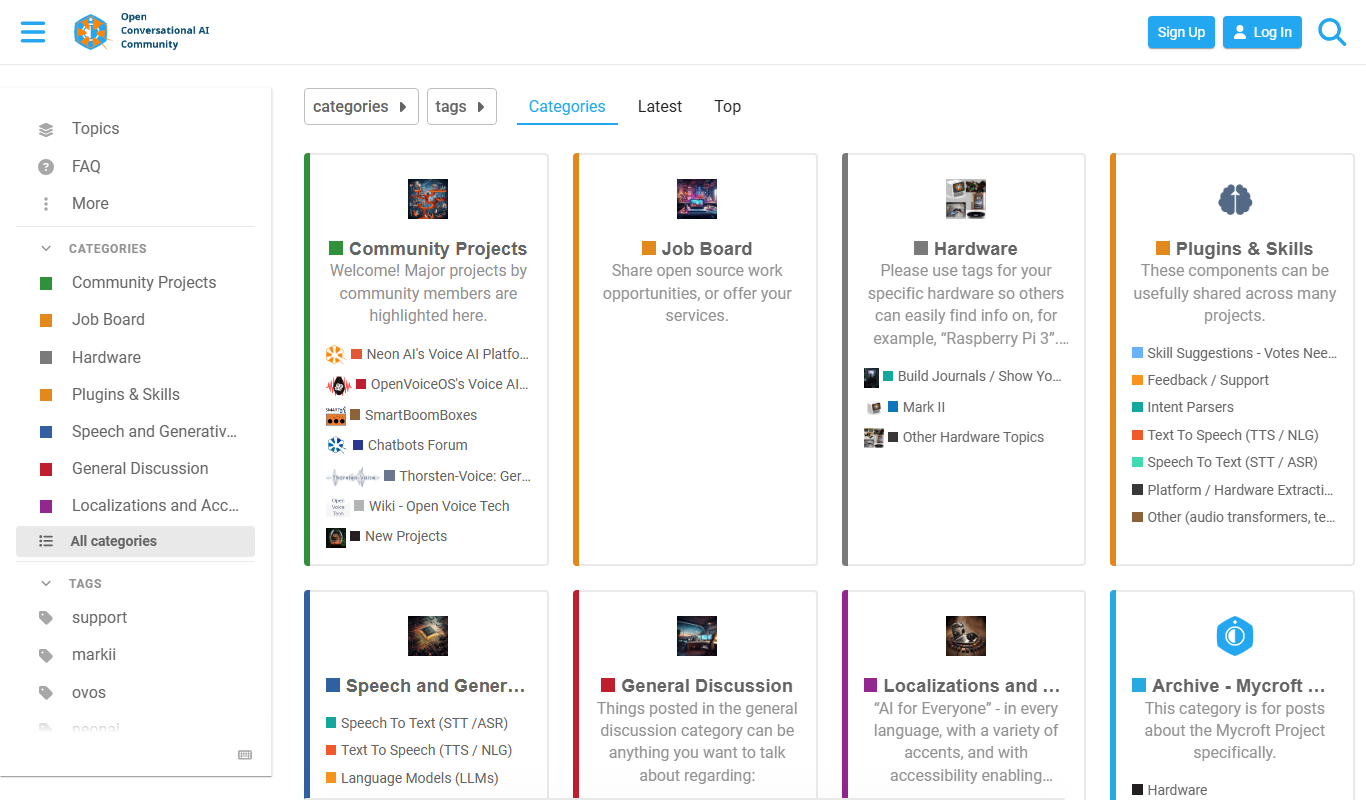
Mycroft AI
Mycroft AI is an open-source voice assistant platform that offers customizable, privacy-conscious voice interaction capabilities across multiple devices.
Free
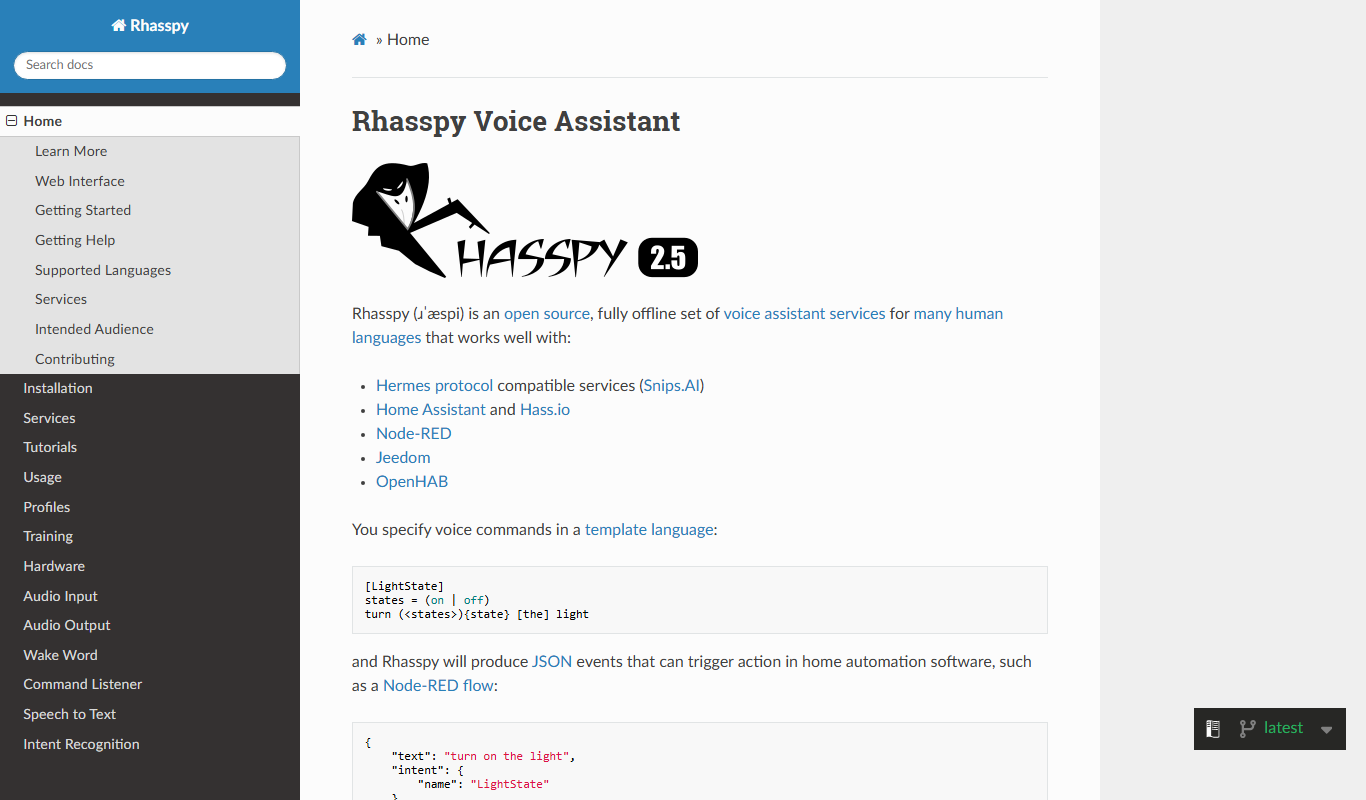
Rhasspy
Rhasspy is an open-source, offline voice assistant platform that enables users to build custom voice-controlled smart home systems with privacy and multilingual support.
More AI Speech Synthesis tools
Other tools in the same category, for when this one is not quite the fit.
Free
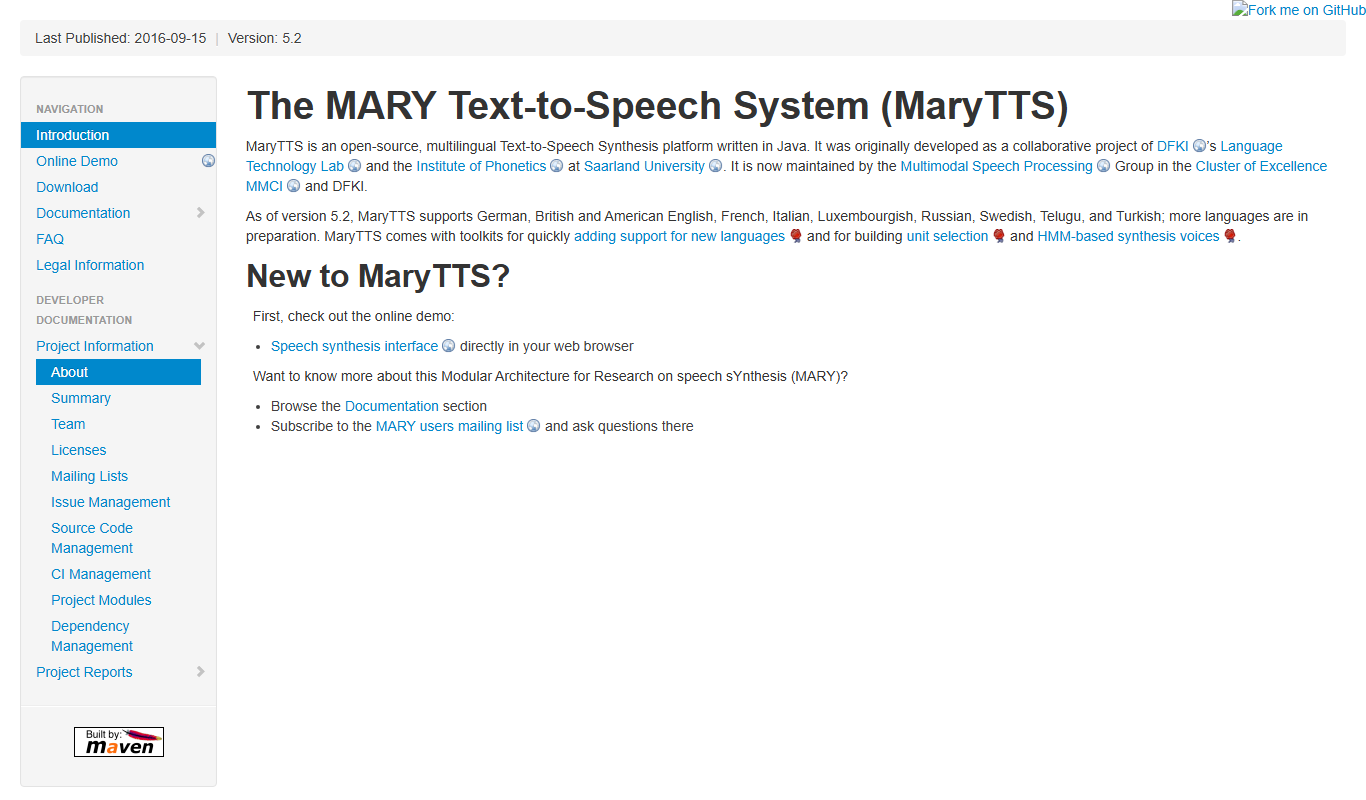
MaryTTS
MaryTTS is an open source text-to-speech system developed by DFKI that converts text into natural-sounding speech with multilingual support and customizable voices.
Freemium
Tactus Therapy
Tactus Therapy is a mobile app designed to help children with speech delays improve their articulation through interactive exercises and progress tracking.
Free
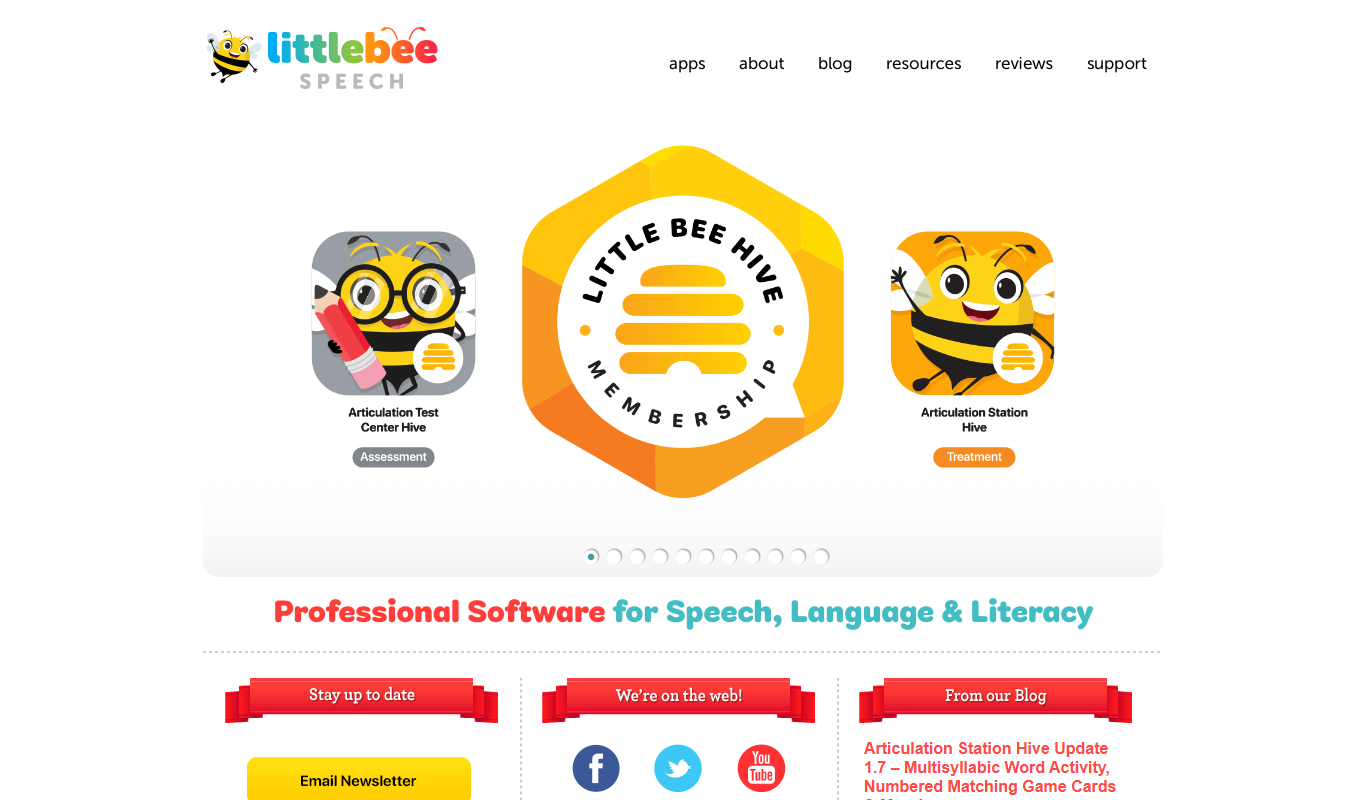
Articulation Station
Articulation Station is a mobile app by Little Bee Speech that helps children practice and improve their speech articulation through interactive exercises and audio modeling.
Free
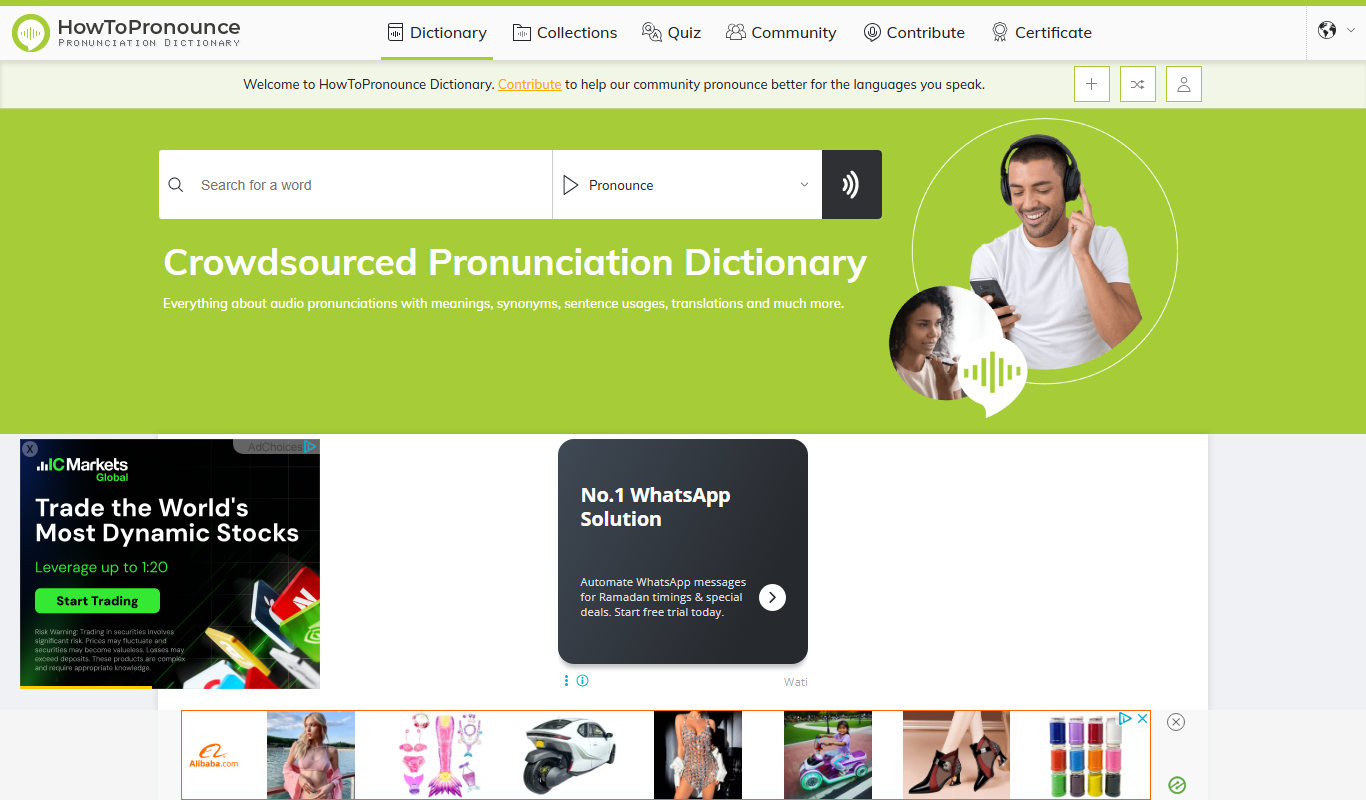
HowToPronounce
HowToPronounce is a free online tool that provides audio pronunciations and phonetic spellings for words in multiple languages, helping users learn correct pronunciation through native and expert recordings.

Free
EnglishCentral
EnglishCentral is an online English learning platform that uses video lessons and AI-powered speech recognition to help users improve their English speaking and listening skills through interactive practice and instant feedback.

Free
NVDA Screen Reader
NVDA is a free, open-source screen reader for Windows that helps visually impaired users access digital content through speech and braille output.

Free Trial
Audible
Audible is a subscription-based platform offering a vast library of audiobooks, podcasts, and spoken-word content with features like offline listening and Whispersync for Voice.

Free
EnglishClass101
EnglishClass101 is an online platform offering audio and video lessons, vocabulary tools, and cultural insights to help learners of all levels improve their English skills.