

From my experience with Radar, I found it excels at providing robust location tracking and geofencing capabilities that are easy to integrate into mobile apps. The platform’s analytics dashboard offers valuable insights into user movement and location trends, which can greatly enhance marketing and operational strategies. However, the pricing beyond the free tier is not transparent and requires direct contact with sales, which can be a hurdle for smaller teams. Overall, if you need a reliable location platform to build location-aware features or marketing campaigns, Radar delivers solid, developer-friendly tools.
Radar Location Platform for Mobile Apps with Geofencing and Analytics
Radar is a location data platform offering geofencing, location tracking SDKs, and analytics to enable location-based experiences in mobile and web apps.
- Best for
- Geofencing for Mobile Apps
- Key capability
- Geofencing
Your actions
Save Radar, follow its updates and vote on it — everything stays in your account.
Sign in or create a free account
What is Radar?
Radar is a location data platform that provides developers with tools to integrate geofencing, location tracking, and location-based analytics into mobile and web applications. It offers SDKs and APIs to capture and analyze user location data, enabling personalized experiences, marketing automation, and operational insights.
Key features of Radar
Radar’s main features include geofencing, location tracking, place detection, insights dashboards, and integrations with marketing and analytics platforms. It supports real-time location events and batch data processing to help businesses leverage location intelligence effectively.
Geofencing
Create and manage geofences to detect user presence in specific areas.
Location Tracking SDK
Lightweight SDKs for iOS and Android to capture accurate location data with minimal battery impact.
Place Detection
Identify when users are at specific places like stores, venues, or landmarks.
Location Insights Dashboard
Visualize and analyze location data trends and user movement patterns.
Integrations
Connect with marketing platforms like Braze, Segment, and Google Analytics for seamless workflows.
Pros and cons of Radar
Pros
- Comprehensive location tracking and geofencing features
- Easy integration with mobile SDKs and APIs
- Strong analytics and insights dashboard
- Good integration options with marketing platforms
Cons
- Pricing details beyond free tier require contacting sales
- Primarily focused on location data, not a general AI tool
Key use cases for Radar
Geofencing for Mobile Apps
Set up virtual boundaries to trigger actions when users enter or exit specific locations.
Location-Based Marketing
Deliver personalized marketing messages and offers based on user location data.
User Location Analytics
Analyze user movement patterns and location trends to improve app engagement and business decisions.
Logistics and Fleet Tracking
Monitor vehicle or asset locations in real-time to optimize routes and operations.
Safety and Compliance Monitoring
Ensure users or employees are within designated safe zones or comply with location-based policies.
How Radar works
- 1
Integrate SDK or API
Add Radar’s SDK to your mobile app or use its API to start capturing location data.
- 2
Define Geofences and Places
Create virtual boundaries and define places relevant to your business needs.
- 3
Track Location Events
Receive real-time events when users enter, exit, or dwell within geofences.
- 4
Analyze Location Data
Use Radar’s dashboard and analytics tools to gain insights from collected location data.
- 5
Trigger Actions
Automate marketing campaigns, notifications, or operational workflows based on location triggers.
Who is using Radar
Mobile app developers
Marketing teams
Logistics and fleet managers
Retail businesses
Data analysts
Radar pricing
Free
$0/month
Basic access with limited monthly tracked users and geofences.
Growth
Custom pricing
Higher limits, advanced features, and priority support for growing businesses.
Plans and prices are as published by the vendor and can change. Check the official site before you buy. Open the pricing page (opens in a new tab)
Frequently asked questions about Radar
Radar supports iOS, Android, Web platforms, and provides a REST API for integration.
Radar complies with privacy regulations and provides tools to manage user consent and data security.
Yes, Radar integrates with popular marketing and analytics platforms like Braze, Segment, and Google Analytics.
Radar offers a free plan with limited usage to test the platform before upgrading.
This tool is designed to help users accomplish its core tasks more efficiently. It is typically used by individuals or teams looking to improve productivity and workflow.
It depends on your specific needs and how you plan to use the tool. The official website and documentation are the best sources for the latest details.
Yes, it can help with that use case depending on how you configure it and what features are available. You’ll get the best results with clear inputs and a defined goal.
Integration support depends on the tool and its available connectors or API. Check the official documentation or integrations page to confirm what is supported.
Sign in to review this tool.
Sign In to ReviewNo reviews yet
Be the first to share how this tool worked for you.
Ask about pricing, limits, or how it compares — or answer someone else.
Sign In to AskNo questions yet
Have a question about using or paying for this tool? Be the first to ask.
Featured on TiorAI


Alternative Tools
Explore similar AI tools that might fit your needs

Enterprise
Mapbox
Mapbox is a developer platform providing customizable maps, navigation, and geospatial data APIs for building location-based applications.
More AI Analytics Assistant tools
Other tools in the same category, for when this one is not quite the fit.

Custom Pricing
Veraset
Veraset provides privacy-compliant, high-quality location data via API and web platform to support marketing, retail, and urban planning analytics.
Custom Pricing
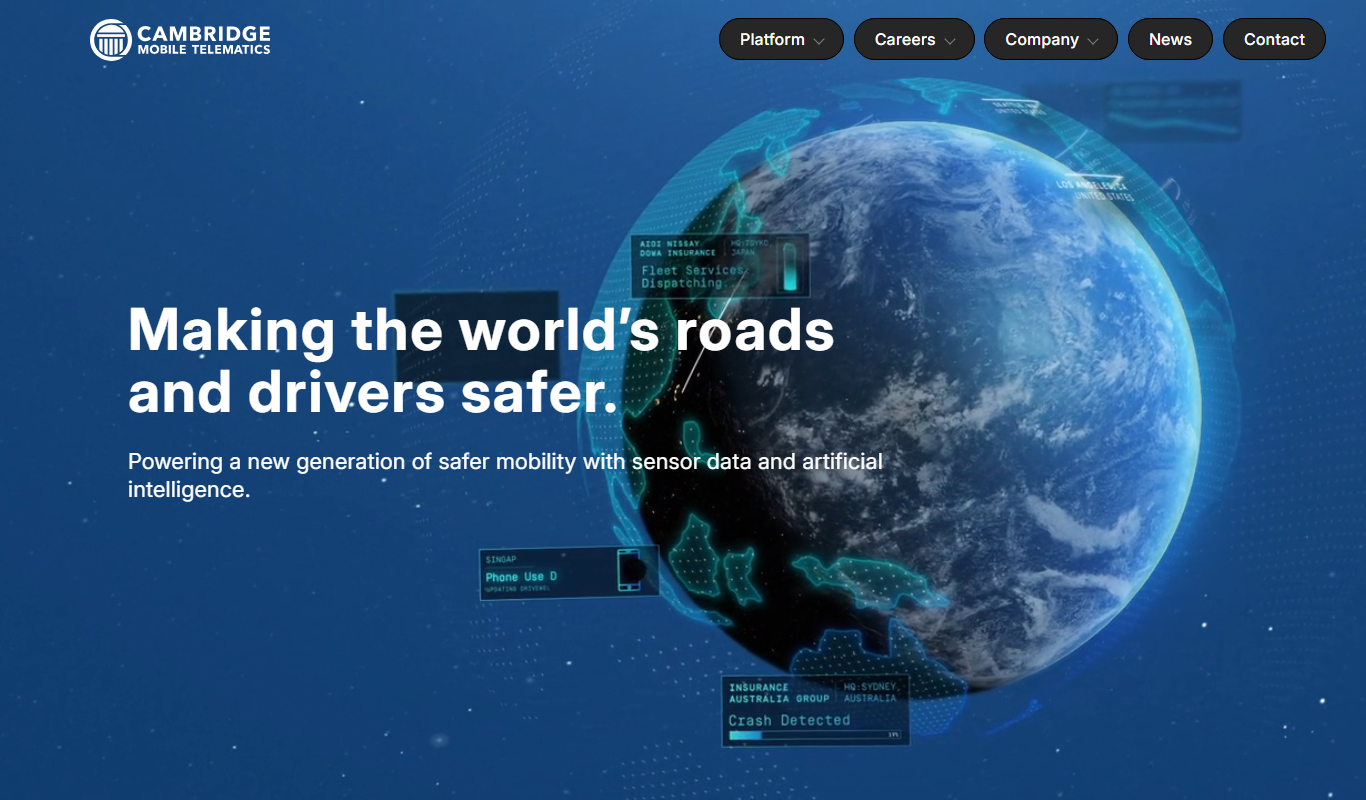
Cambridge Mobile Telematics
Cambridge Mobile Telematics provides a mobile telematics platform that uses smartphone sensors and AI to analyze driver behavior, enabling insurers and fleet managers to assess risk, improve safety, and reduce accidents.

Free
DeFiChain
DeFiChain is a blockchain platform focused on decentralized finance, enabling fast, secure, and low-cost DeFi applications integrated with Bitcoin.
Custom Pricing
Liquidnet
Liquidnet is a global institutional trading platform that connects asset managers and brokers to execute large block equity trades anonymously via a dark pool, providing liquidity and advanced analytics to optimize trade execution.

Free
Yearn Finance
Yearn Finance is a decentralized finance platform that automates yield farming strategies using smart contracts to maximize returns on Ethereum-based crypto assets.
Free
Stock Rover
Stock Rover is an investment research platform that provides advanced stock screening, portfolio analytics, and comprehensive financial data to help investors analyze and manage their investments effectively.
Free
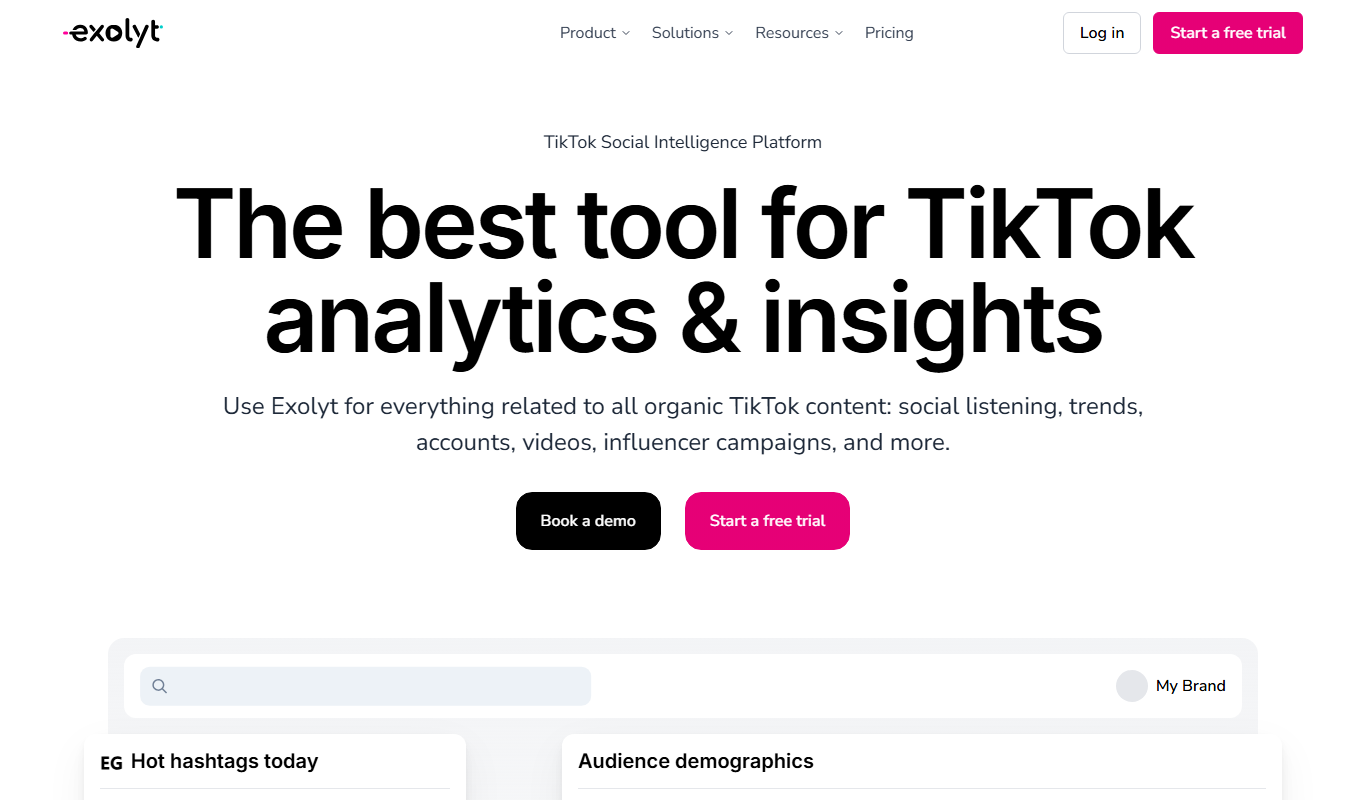
Exolyt
Exolyt is a TikTok analytics tool that helps marketers and influencers track video performance, analyze competitors, and monitor follower growth to optimize TikTok marketing strategies.
Freemium
新榜
NewRank is a Chinese social media analytics platform offering data insights on WeChat, Weibo, and influencer performance to help marketers optimize campaigns.