

From my experience with LLM Sandbox by Dioptra, it stands out as a robust open-source framework tailored for AI researchers and developers working with large language models. Its modular design and integration with popular ML libraries like PyTorch and TensorFlow make experimentation and fine-tuning straightforward for technically skilled users. While it requires some setup and familiarity with machine learning workflows, the flexibility and scalability it offers are valuable for prototyping and benchmarking LLMs. If you are looking for a cost-effective, customizable environment to develop and test large language models, LLM Sandbox is a solid choice.
LLM Sandbox by Dioptra - Open-Source Framework for Large Language Models
LLM Sandbox by Dioptra is an open-source framework that enables AI researchers and developers to build, train, fine-tune, benchmark, and deploy large language models efficiently using modular components and integration with popular ML libraries.
- Best for
- Large Language Model Experimentation
- Key capability
- Modular Architecture
Your actions

Do you recommend this tool?
What is LLM Sandbox by Dioptra?
LLM Sandbox by Dioptra is an open-source framework designed to facilitate the development, experimentation, and deployment of large language models (LLMs). It provides a modular and extensible environment where AI researchers and developers can train, fine-tune, benchmark, and test LLMs efficiently. The sandbox supports various model architectures and integrates with popular machine learning libraries, enabling flexible experimentation and rapid prototyping.
Key features of LLM Sandbox by Dioptra
The main features of LLM Sandbox include modular model architecture support, seamless integration with PyTorch and TensorFlow, scalable training pipelines, benchmarking tools, and deployment utilities. It is designed to be extensible and customizable, allowing users to adapt it to diverse research and development needs in the LLM space.
Modular Architecture
Supports multiple LLM architectures with interchangeable components for flexibility.
Open Source and Extensible
Fully open-source codebase allowing customization and community contributions.
Multi-framework Support
Compatible with PyTorch and TensorFlow for broad usability.
Scalable Training Pipelines
Enables efficient training and fine-tuning on large datasets with distributed computing support.
Benchmarking Tools
Includes utilities to evaluate model accuracy, speed, and resource consumption.
Pros and cons of LLM Sandbox by Dioptra
Pros
- Open-source with no cost barriers
- Flexible and modular for various LLM architectures
- Supports popular ML frameworks
- Scalable training and benchmarking tools
- Strong community and documentation
Cons
- Requires technical expertise to set up and use
- No dedicated commercial support
- Primarily command-line and code-based interface
Key use cases for LLM Sandbox by Dioptra
Large Language Model Experimentation
Developers and researchers can experiment with various LLM architectures and configurations in a controlled environment.
Custom Model Training and Fine-tuning
Users can train and fine-tune large language models on custom datasets using the sandbox framework.
Benchmarking and Evaluation
Evaluate and benchmark different LLMs and their variants to compare performance and capabilities.
AI Research and Development
Supports AI researchers in prototyping new LLM techniques and testing novel ideas efficiently.
Integration and Deployment Testing
Test integration of LLMs into applications before production deployment.
How LLM Sandbox by Dioptra works
- 1
Clone and Setup
Users start by cloning the open-source repository and setting up the environment with required dependencies.
- 2
Configure Models and Datasets
Define or select LLM architectures and prepare datasets for training or fine-tuning.
- 3
Train or Fine-tune Models
Run training pipelines using the sandbox’s scalable infrastructure, adjusting hyperparameters as needed.
- 4
Benchmark and Evaluate
Use built-in tools to benchmark model performance on various tasks and datasets.
- 5
Deploy and Integrate
Test model deployment locally or via APIs to integrate with applications.
Who is using LLM Sandbox by Dioptra
AI researchers
Machine learning engineers
Data scientists
Academic institutions
Startups developing LLM applications
LLM Sandbox by Dioptra pricing
Free
$0
Open-source access to the full LLM Sandbox framework with community support.
Plans and prices are as published by the vendor and can change. Check the official site before you buy. Open the pricing page (opens in a new tab)
Frequently asked questions about LLM Sandbox by Dioptra
Yes, LLM Sandbox is an open-source project available for free under its license.
The framework is primarily built in Python and supports integration with PyTorch and TensorFlow.
Yes, but you should review the open-source license terms to ensure compliance.
Yes, it includes tools for local deployment and API integration to test models in applications.
This tool is designed to help users accomplish its core tasks more efficiently. It is typically used by individuals or teams looking to improve productivity and workflow.
Some tools offer a free plan or trial with limited features. Availability can vary, so confirm on the official website.
Yes, it can help with that use case depending on how you configure it and what features are available. You’ll get the best results with clear inputs and a defined goal.
Yes, it can help with that use case depending on how you configure it and what features are available. You’ll get the best results with clear inputs and a defined goal.
Sign in to review this tool.
Sign In to ReviewNo reviews yet
Be the first to share how this tool worked for you.
Ask about pricing, limits, or how it compares — or answer someone else.
Sign In to AskNo questions yet
Have a question about using or paying for this tool? Be the first to ask.
Featured on TiorAI



Alternative Tools
Explore similar AI tools that might fit your needs

Free
LangChain
LangChain is an open-source framework that helps developers build applications powered by large language models by providing modular components for prompt management, chaining, memory, and data integration.
More AI Education & Learning Tools tools
Other tools in the same category, for when this one is not quite the fit.

Free
bentolingo
BentoLingo is an AI-driven language learning platform that provides personalized speaking practice and real-time feedback to help users improve fluency in multiple languages.
Free Trial
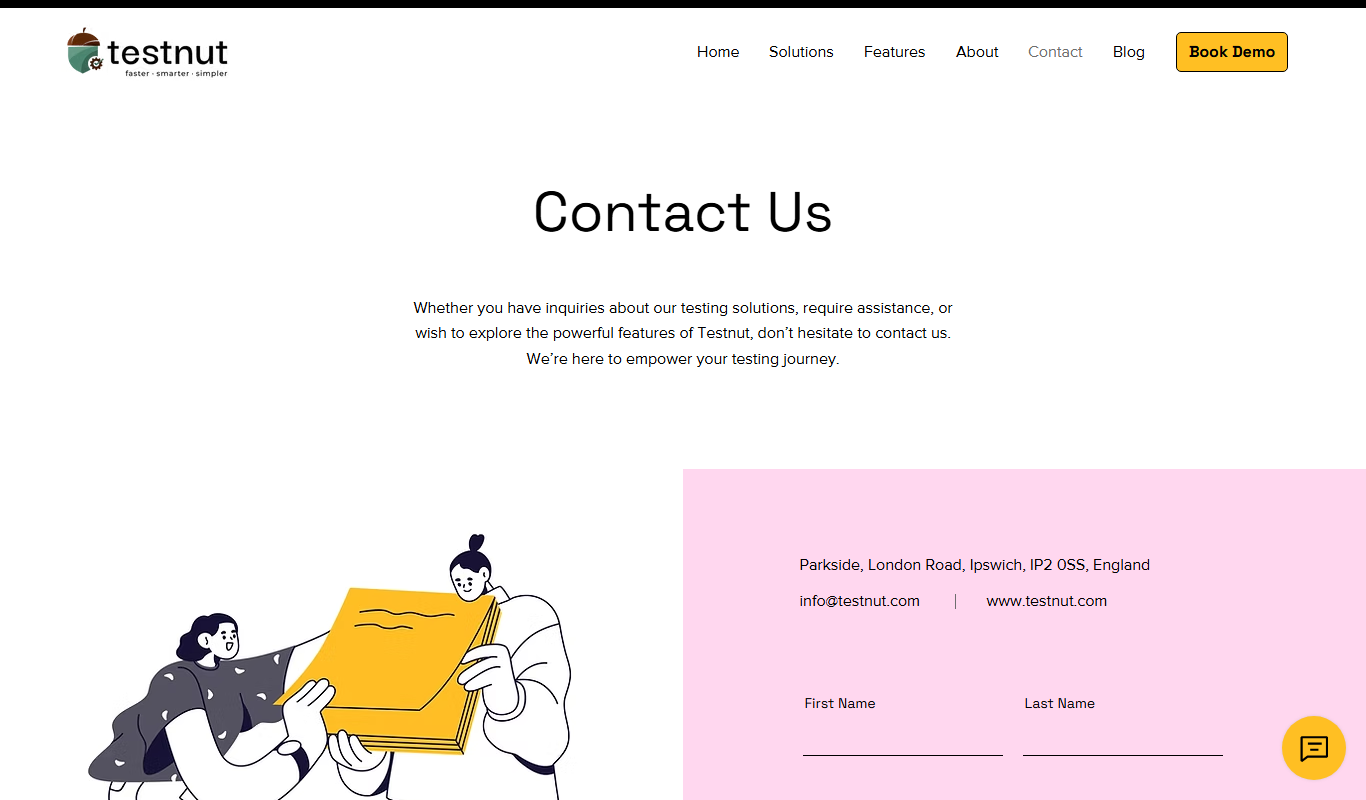
Testnut
Testnut is an online exam platform that enables secure, scalable assessments with remote proctoring, automated grading, and detailed analytics, suitable for education and corporate use.

Freemium
Testbook.ai
Testbook.ai is an AI-driven platform offering personalized study plans, mock tests, and live classes to help students prepare effectively for competitive exams.

Free
AICamp
AICamp is an AI education platform offering project-based learning to teach AI, machine learning, and data science through hands-on projects and community mentorship.
Free
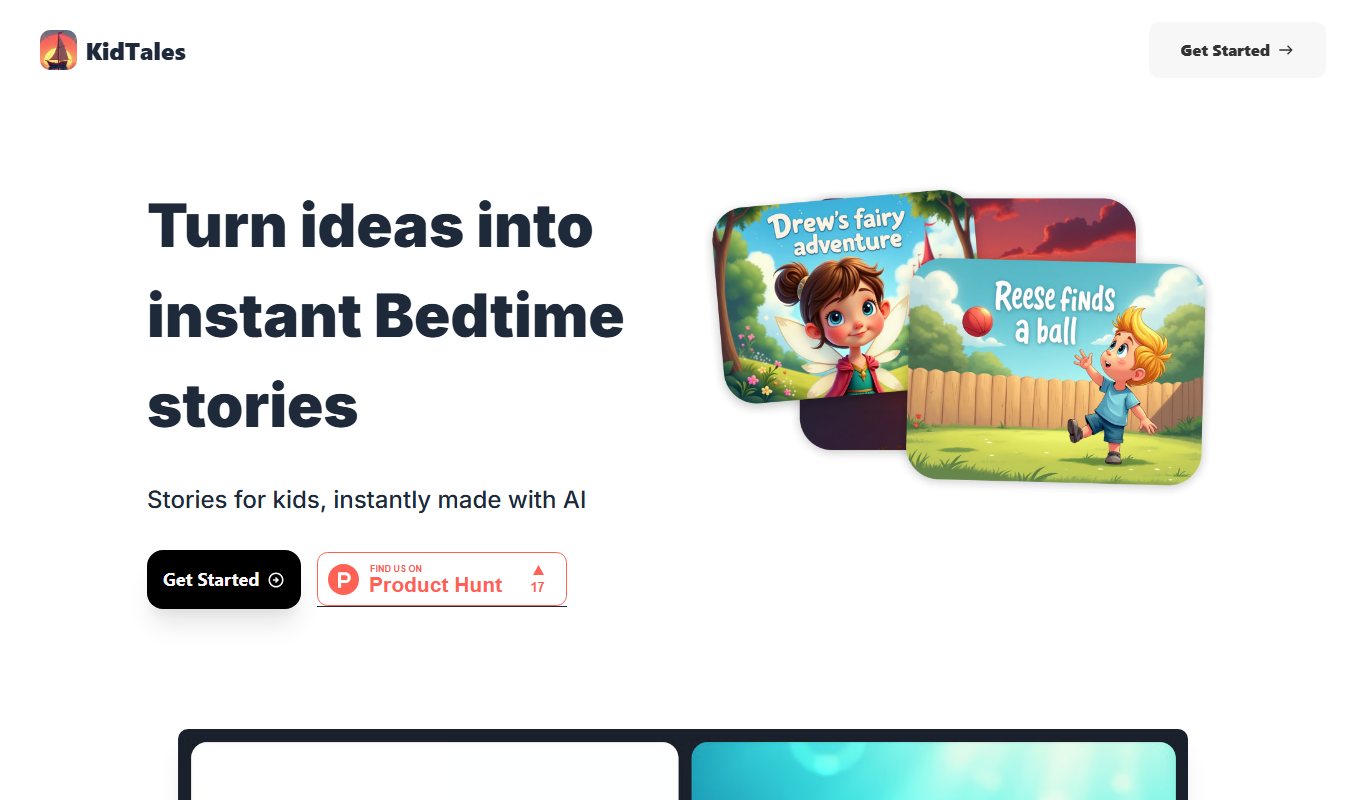
KidTales
KidTales AI is an online tool that generates personalized, age-appropriate stories for children to support creativity and learning.

Freemium
Mi Cuento Digital
Mi Cuento Digital is an online platform that lets you create personalized digital storybooks for children by adding names, photos, and custom details to engage young readers.

Free
Kidgeni
Kidgeni is an AI-powered tutoring platform designed to provide personalized learning and homework help for children, focusing on core subjects like math and reading through interactive sessions.

Freemium
flAI
flAI is an AI-driven language learning app that provides personalized speaking and writing practice with real-time feedback to help users improve fluency and confidence in multiple languages.