

IOTA Blockchain Platform for Scalable IoT and Data Integrity Solutions
IOTA is a decentralized blockchain infrastructure with solutions for digital identity, sustainability, supply chains and decentralized finance, built on a DAG-based ledger.
- Best for
- Trade and supply chains
- Key capability
- DAG ledger with Move
Save IOTA, follow its updates and vote on it — everything stays in your account.
Sign in or create a free account
What is IOTA?
IOTA is a decentralized blockchain infrastructure maintained by the IOTA Foundation for building trusted digital applications. Its mainnet combines Directed Acyclic Graph ledger technology with the Move programming language, lets operations occur in parallel, and supports solutions for digital identity, real-world asset tokenization, supply chains and decentralized finance.
Key features of IOTA
IOTA offers a Move-based Layer 1 mainnet with object-centric architecture, smart contracts written in the Move language, staking that helps secure the network, and products for digital identity, real-world asset tokenization, notarization and audit trails.
DAG ledger with Move
The mainnet combines Directed Acyclic Graph ledger technology with the Move programming language.
Low gas fees at scale
With horizontal scaling, IOTA adapts to increasing demand without compromising low gas fees.
Quantum-Resistant Security
Uses cryptographic algorithms designed to resist future quantum computing threats.
Real-world asset tokenization
IOTA Tokenization represents real-world assets on chain.
Smart Contracts and Digital Identities
Supports programmable contracts and identity management for decentralized applications.
Pros and cons of IOTA
Pros
- Parallel transaction processing with low gas fees
- Quantum-resistant cryptography enhances future security
- Open-source with active developer community
- Supports decentralized data marketplaces
- Enables new machine economy business models
Cons
- Relatively complex technology requiring developer expertise
- Adoption still growing compared to major blockchains
- Limited language support primarily in English
Key use cases for IOTA
Trade and supply chains
Seamless transfer of digital trade data across borders.
Supply Chain Transparency
Track and verify product provenance and logistics data immutably to improve transparency and reduce fraud.
Data Integrity and Validation
Ensure tamper-proof storage and validation of sensor data and digital records for auditing and compliance.
Decentralized finance
Building innovative DeFi products for new economies.
Smart City and Industry 4.0 Applications
Support decentralized applications for smart infrastructure, energy grids, and industrial automation.
How IOTA works
- 1
Choose a virtual machine
Build on the inbuilt MoveVM or on the Layer 2 IOTA EVM, according to your needs.
- 2
Write smart contracts
Write decentralized applications as smart contracts in Move.
- 3
Use IOTA products
Add products such as IOTA Identity and IOTA Tokenization to your application.
- 4
Stake to secure the network
Staking helps secure the IOTA network and provides rewards.
Who is using IOTA
IOTA pricing
Open Source
Free
Full access to IOTA protocol and tools without cost.
Plans and prices are as published by the vendor and can change. Check the official site before you buy. Open the pricing page (opens in a new tab)
Frequently asked questions about IOTA
Instead of relying on linear blocks processed at fixed intervals, IOTA uses a data structure that enables interaction at any point in time and lets operations occur in parallel.
Yes, IOTA’s feeless transactions allow efficient micropayments between devices and services.
The IOTA mainnet is secured by Delegated Proof of Stake consensus with up to 150 validators.
Yes, IOTA provides APIs, SDKs, and smart contract frameworks for developers.
It depends on your specific needs and how you plan to use the tool. The official website and documentation are the best sources for the latest details.
It depends on your specific needs and how you plan to use the tool. The official website and documentation are the best sources for the latest details.
Data handling and security practices vary by provider. Review the official privacy policy to understand how your data is stored and used.
Conclusion
Builders, enterprises and governments are the groups IOTA addresses, using its decentralized blockchain infrastructure to create DLT projects. Its mainnet combines Directed Acyclic Graph ledger technology with the Move programming language, so operations can run in parallel rather than in linear blocks. Developers write smart contracts in Move or work with the Layer 2 IOTA EVM.
Delegated Proof of Stake with up to 150 validators secures the network, and staking also provides rewards. On top of the ledger sit products for digital identity, real-world asset tokenization and verifiable on-chain records.
The IOTA Foundation lists trade and supply chains, decentralized finance and product lifecycle tracking among its focus areas. Transactions still carry gas fees, and horizontal scaling lets IOTA adapt to increasing demands without compromising low gas fees.
Sources
Sign in to review this tool.
Sign In to ReviewNo reviews yet
Be the first to share how this tool worked for you.
Ask about pricing, limits, or how it compares — or answer someone else.
Sign In to AskNo questions yet
Have a question about using or paying for this tool? Be the first to ask.
Featured on TiorAI



Alternative Tools
Explore similar AI tools that might fit your needs

Hyperledger Fabric
Hyperledger Fabric is an open-source, permissioned blockchain platform designed for enterprise use, offering modular architecture, smart contracts, and privacy controls.

VeChain
VeChain is a blockchain platform focused on supply chain management and enterprise solutions, integrating IoT devices and smart contracts to provide transparent, secure, and efficient business processes.
More Blockchain tools
Other tools in the same category, for when this one is not quite the fit.

GearChain
GearChain is inventory software for Google Sheets and Excel with barcode scanning and real-time sync, for tracking inventory, assets and supplies.

Anyoneswap
Anyoneswap is an online AI face swap service that swaps faces in photos, videos and GIFs, paid with credits.

Chainrel
Chainrel delivers smart contract events from EVM blockchains to your backend through webhooks, Slack or Discord.
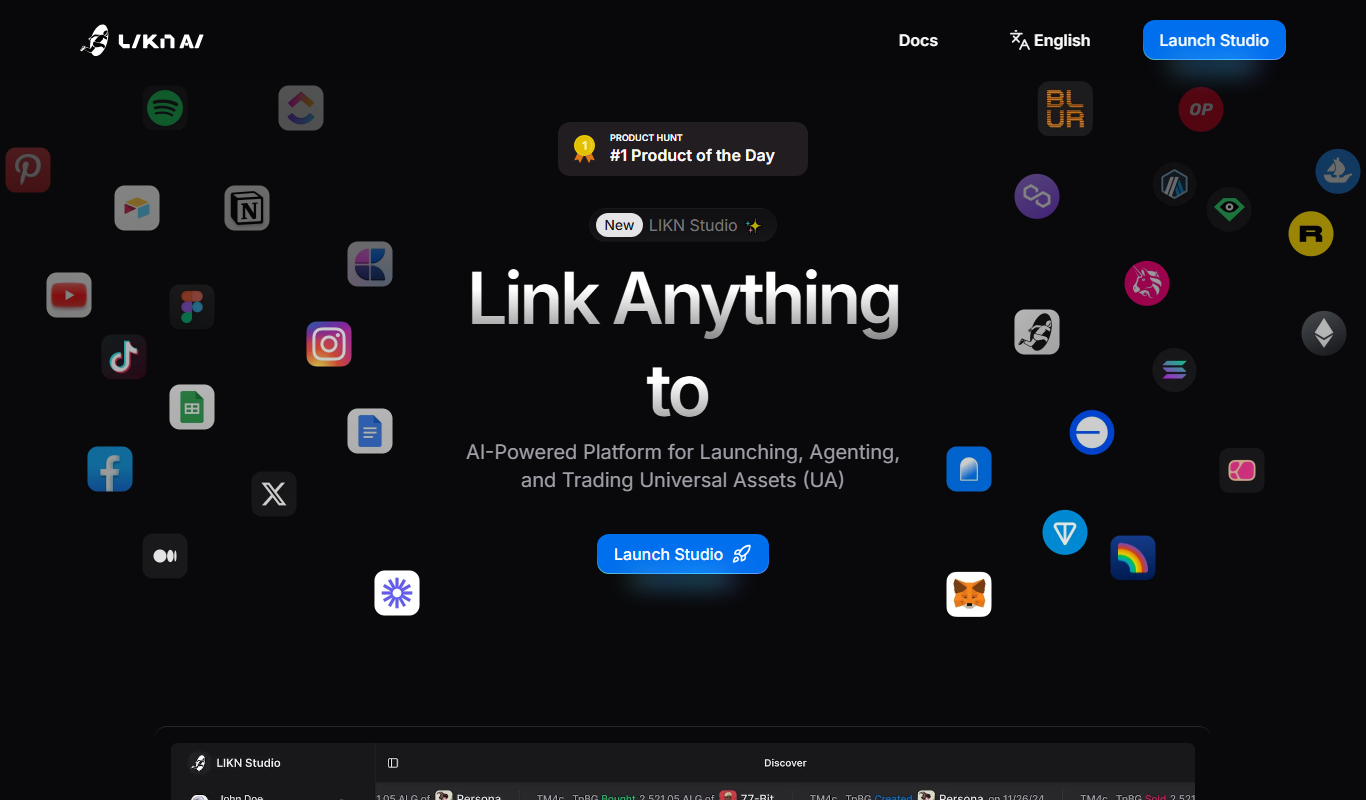
LIKN
LIKN is an AI-driven Universal Assets platform that connects everything to Web3, for launching, agenting and trading real-world and virtual assets.
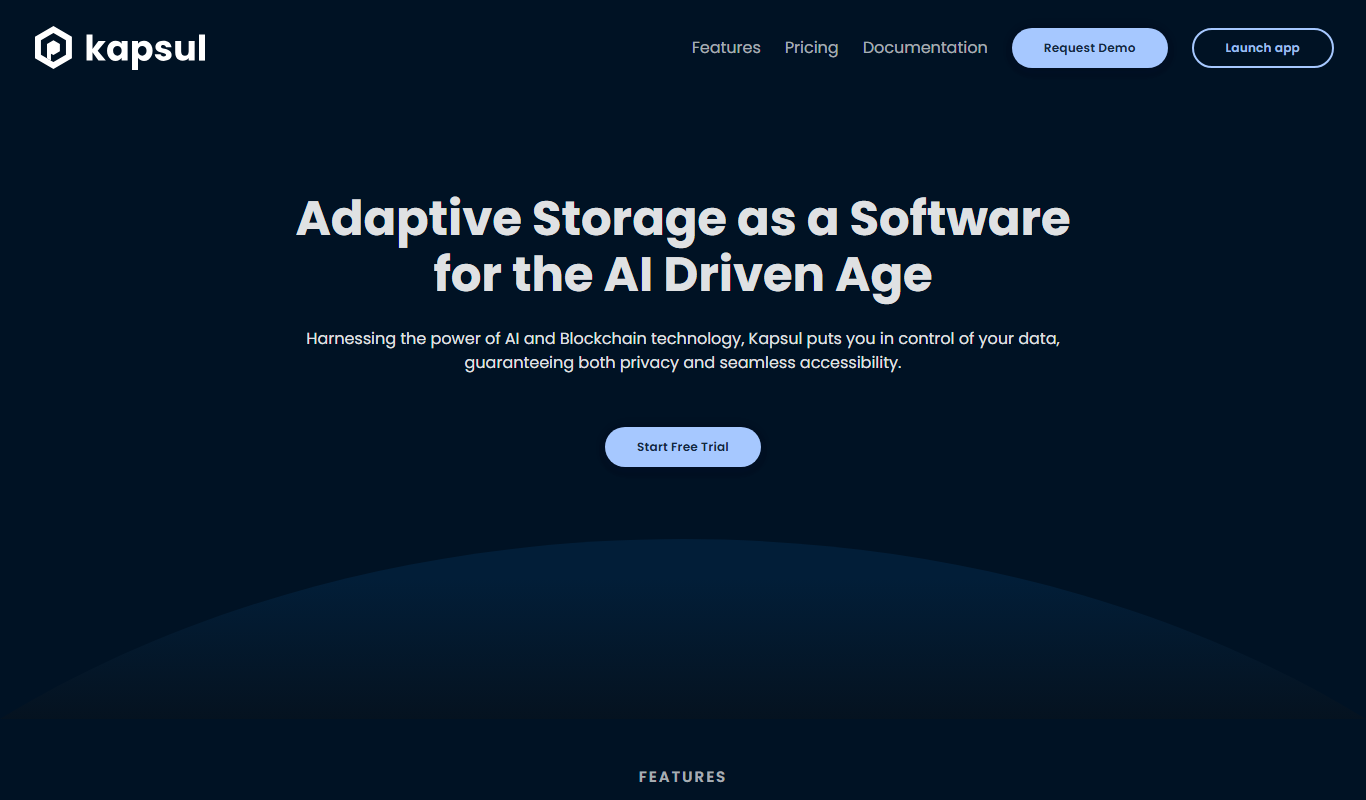
Kapsul
Kapsul is a decentralized platform providing Storage as a Software, with programmable storage for adaptive data management.

Nucleum AI
Nucleum AI lets you create algorithmic trading strategies by talking with AI, with backtests, real-time signals and a strategy marketplace for the crypto space.
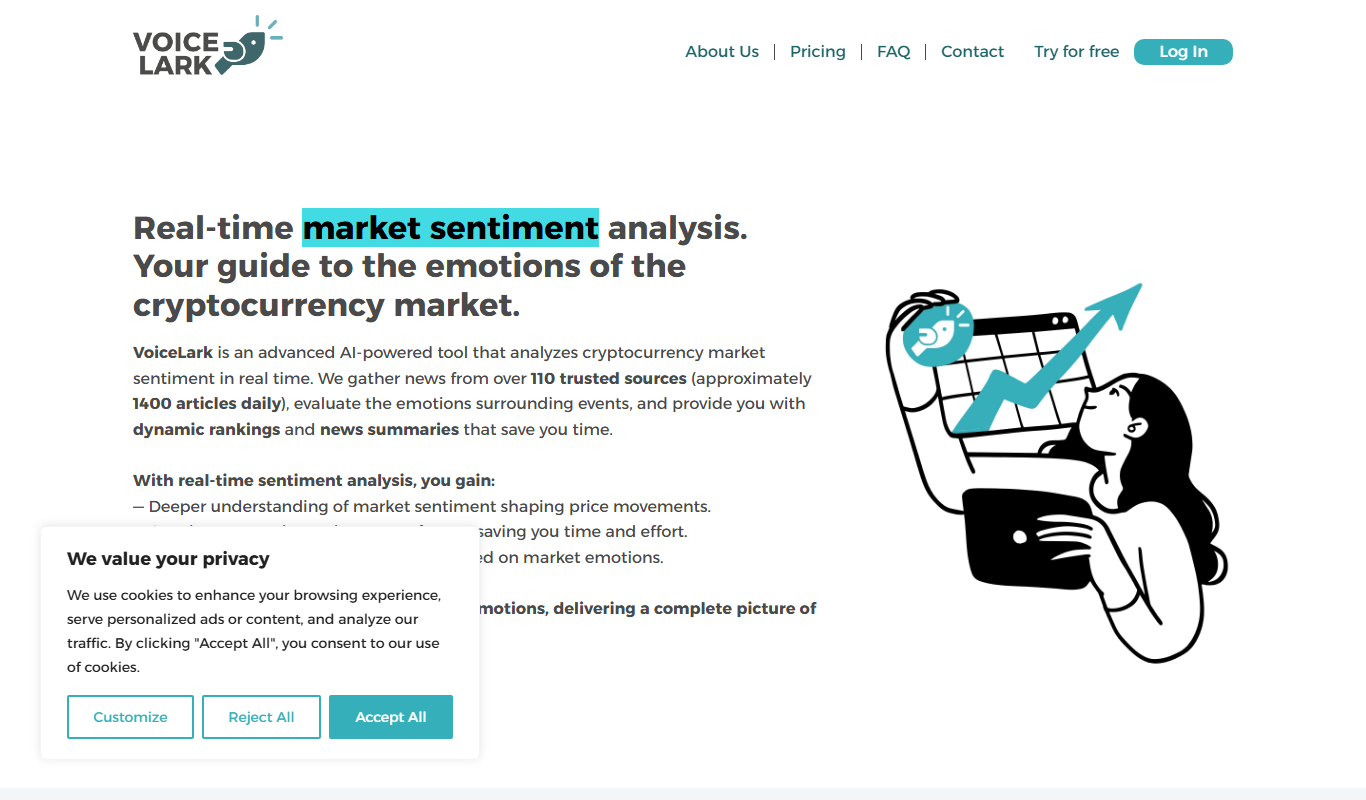
VoiceLark | Crypto news aggregator
VoiceLark is an AI-powered crypto market sentiment tool that aggregates news from over 110 sources in real time, rates the sentiment of each article and provides dynamic rankings and news summaries.

streamr
Streamr is a decentralized peer-to-peer network for real-time data streaming where developers build on live data streams and data stream subscriptions can be bought and sold.