

From my experience with Ceramic.ai, I found it excels at providing a robust decentralized data infrastructure that empowers developers to build dynamic Web3 applications with real-time, mutable data streams. Its support for decentralized identity and composable data models makes it particularly well-suited for blockchain startups and dApp builders seeking user-owned data solutions. However, the platform requires a solid understanding of decentralized identity concepts and blockchain technology, which can present a learning curve. Overall, if you need scalable, censorship-resistant data management for Web3 projects, Ceramic.ai delivers a powerful and flexible foundation.
Ceramic.ai AI Data Infrastructure Platform for Decentralized Applications
Ceramic.ai is a decentralized data network that enables developers to build Web3 applications with mutable, verifiable, and real-time data streams, supporting decentralized identity and content addressing.
- Best for
- Decentralized Identity Management
- Key capability
- Decentralized Data Streams
Your actions
Save Ceramic.ai, follow its updates and vote on it — everything stays in your account.
Sign in or create a free account
What is Ceramic.ai?
Ceramic.ai is a decentralized, open-source data network designed to enable developers to build Web3 applications with mutable, verifiable, and composable data streams. Unlike traditional databases, Ceramic provides a decentralized infrastructure that allows data to be owned and controlled by users rather than centralized entities. It supports real-time data synchronization, identity management, and content addressing, making it a foundational layer for decentralized applications (dApps) and blockchain ecosystems.
Key features of Ceramic.ai
Ceramic.ai offers features such as decentralized data streams, verifiable credentials for identity, real-time data updates, content addressing via IPFS, and interoperability across multiple dApps. Its protocol enables developers to create dynamic, user-controlled data experiences that are censorship-resistant and secure.
Decentralized Data Streams
Create and manage mutable, cryptographically verifiable data streams that are decentralized and censorship-resistant.
Self-Sovereign Identity
Support for decentralized identifiers (DIDs) and verifiable credentials to empower user-controlled identity.
Real-Time Synchronization
Instantly propagate data changes across the network, enabling dynamic and interactive dApps.
Content Addressing with IPFS
Integrate with IPFS for decentralized storage and content addressing to ensure data integrity.
Composable Data Models
Build complex data structures that can be composed and shared across multiple applications.
Pros and cons of Ceramic.ai
Pros
- Enables truly decentralized and user-owned data management
- Supports real-time data synchronization for dynamic applications
- Open-source with strong community and developer tools
- Integrates well with existing blockchain and Web3 ecosystems
Cons
- Requires understanding of decentralized identity and blockchain concepts
- Enterprise features and dedicated support come at a custom price
- Relatively new technology with evolving standards
Key use cases for Ceramic.ai
Decentralized Identity Management
Manage user identities across decentralized applications with verifiable credentials and self-sovereign identity.
Real-time Data Streaming
Stream and synchronize mutable data across distributed networks in real-time for dynamic dApps.
Content Addressable Storage
Store and retrieve content in a decentralized manner using content addressing and IPFS integration.
Cross-Application Data Sharing
Enable seamless data interoperability and sharing between multiple decentralized applications.
Building Web3 Applications
Develop scalable, secure, and composable Web3 apps leveraging Ceramic’s decentralized data network.
How Ceramic.ai works
- 1
Set Up Ceramic Node
Deploy or connect to a Ceramic node to interact with the decentralized network.
- 2
Create Data Streams
Define mutable data streams that represent user data, documents, or application state.
- 3
Authenticate Users
Use decentralized identifiers (DIDs) and verifiable credentials to authenticate and authorize users.
- 4
Read and Write Data
Applications read from and write to data streams, with changes propagated across the network in real-time.
- 5
Integrate with dApps
Leverage Ceramic’s APIs and SDKs to integrate decentralized data capabilities into Web3 applications.
Who is using Ceramic.ai
Web3 developers
Blockchain startups
Decentralized application builders
Identity management solution providers
Enterprises exploring decentralized data infrastructure
Ceramic.ai pricing
Free
$0/month
Access to public Ceramic network with basic usage limits suitable for developers and small projects.
Enterprise
Custom pricing
Dedicated infrastructure, enhanced support, and SLAs for businesses building production-grade applications.
Plans and prices are as published by the vendor and can change. Check the official site before you buy. Open the pricing page (opens in a new tab)
Frequently asked questions about Ceramic.ai
Ceramic.ai is used to build decentralized applications that require mutable, verifiable, and real-time data streams without relying on centralized databases.
Ceramic uses a peer-to-peer network with nodes running the Ceramic protocol, combined with blockchain-based decentralized identifiers and IPFS for storage, ensuring no single point of control.
Yes, Ceramic integrates with Ethereum-based decentralized identifiers and smart contracts to enable identity and data verification.
Absolutely, Ceramic supports decentralized identity standards like DIDs and verifiable credentials to enable self-sovereign identity solutions.
Yes, it can help with that use case depending on how you configure it and what features are available. You’ll get the best results with clear inputs and a defined goal.
Some tools offer a free plan or trial with limited features. Availability can vary, so confirm on the official website.
Integration support depends on the tool and its available connectors or API. Check the official documentation or integrations page to confirm what is supported.
Sign in to review this tool.
Sign In to ReviewNo reviews yet
Be the first to share how this tool worked for you.
Ask about pricing, limits, or how it compares — or answer someone else.
Sign In to AskNo questions yet
Have a question about using or paying for this tool? Be the first to ask.
Featured on TiorAI



Alternative Tools
Explore similar AI tools that might fit your needs

Free
OrbitDB
OrbitDB is an open-source, decentralized peer-to-peer database built on IPFS that enables Web3 applications to store and sync data without centralized servers, supporting offline-first use cases and automatic conflict resolution.

Free
The Graph
The Graph is a decentralized protocol that indexes and queries blockchain data using GraphQL, enabling developers to build fast and reliable decentralized applications.
More Blockchain tools
Other tools in the same category, for when this one is not quite the fit.

Freemium
Noiz
Noiz is a blockchain-based advertising platform that provides transparent, fraud-resistant digital marketing solutions by rewarding users with tokens for ad engagement.

Free
Anyoneswap
Anyoneswap is a decentralized exchange platform that facilitates secure cross-chain token swaps without intermediaries, allowing users to trade cryptocurrencies across multiple blockchains while retaining control of their assets.
Free
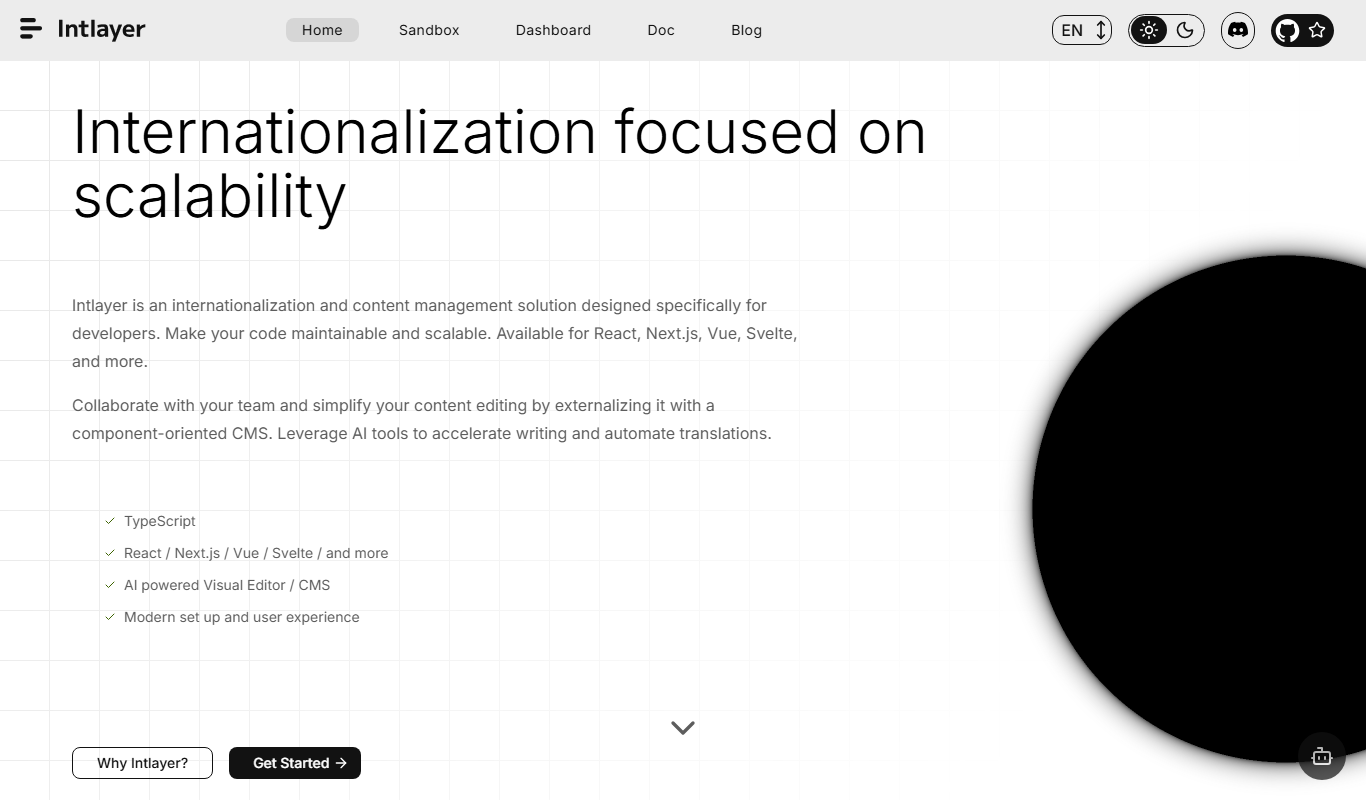
Inltayer
Intlayer is an open-source blockchain protocol designed to enable secure cross-chain tokenization and decentralized payments, facilitating interoperability between different blockchain networks.
Free
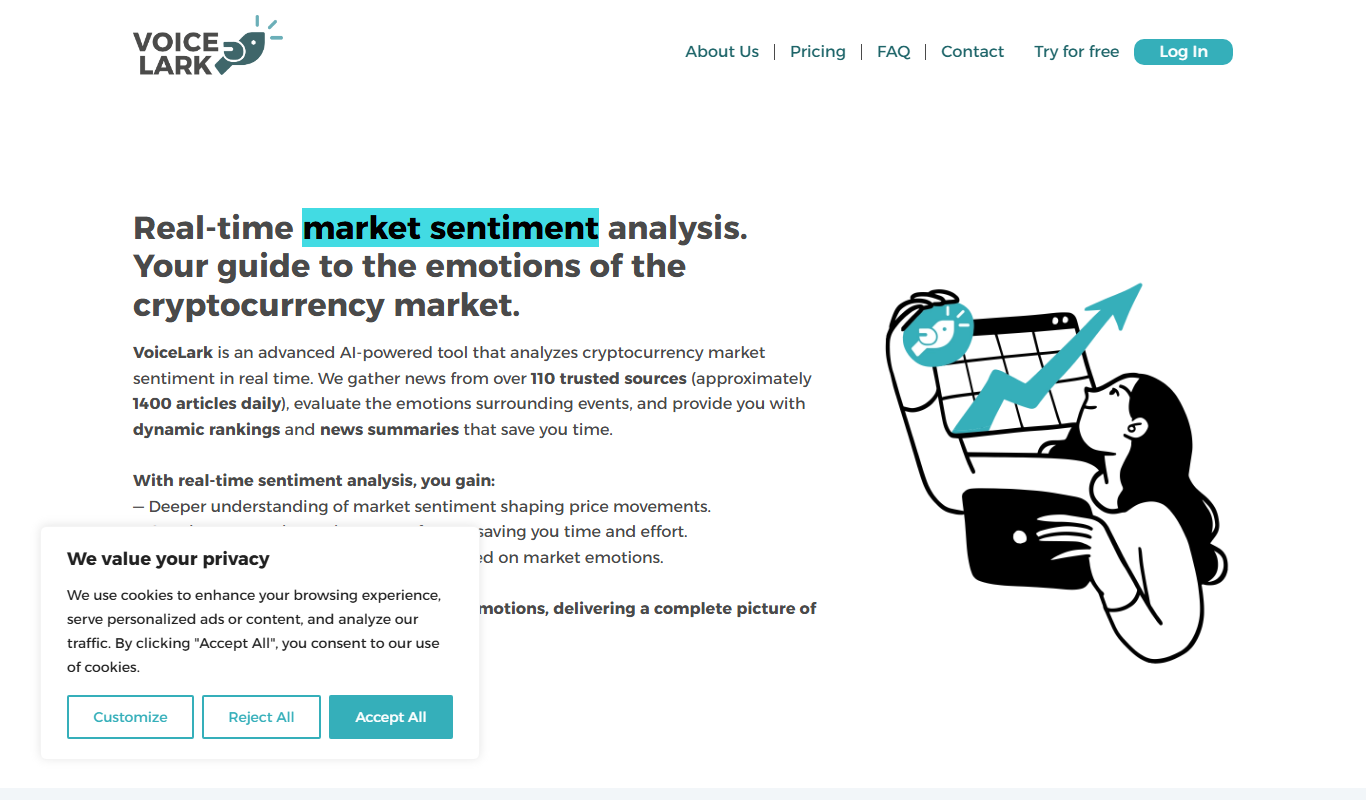
VoiceLark | Crypto news aggregator
VoiceLark is a free web-based crypto news aggregator that collects and displays real-time news from multiple sources, allowing users to filter by cryptocurrency and stay updated on blockchain developments.

Free
RIDO Protocol
RIDO Protocol is a blockchain platform enabling decentralized finance applications and NFT marketplaces with cross-chain compatibility and developer tools.
Free
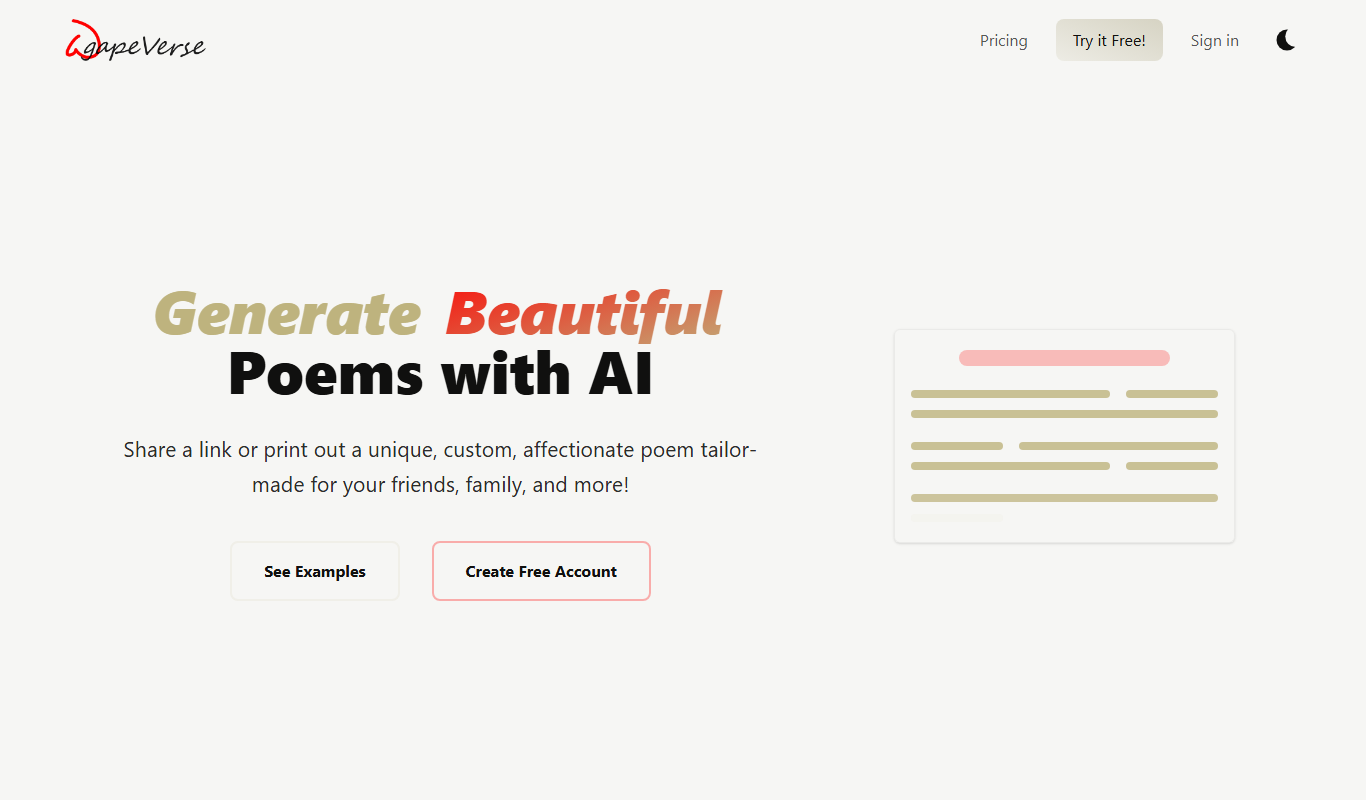
AgapeVerse.app
AgapeVerse.app is a web-based NFT marketplace that allows users to mint, buy, sell, and manage digital art and collectibles securely on the blockchain.
Free
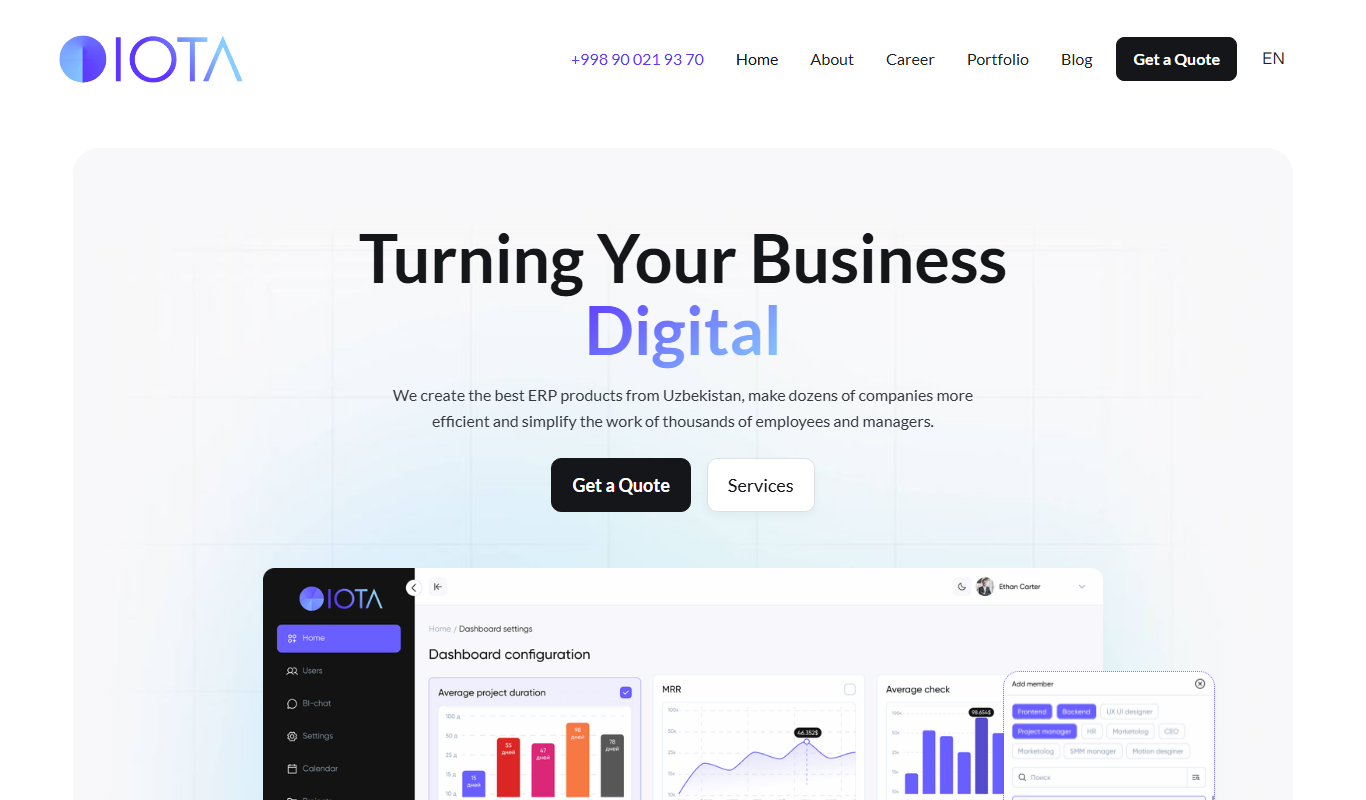
IOTA
IOTA is a distributed ledger technology using the Tangle, a DAG structure, to enable feeless, scalable transactions and secure data transfer for IoT devices and applications.

Contact for pricing
GearChain
GearChain is a blockchain platform designed to improve supply chain transparency, product authenticity, and process automation using smart contracts.