What Is Virtual Try-On?
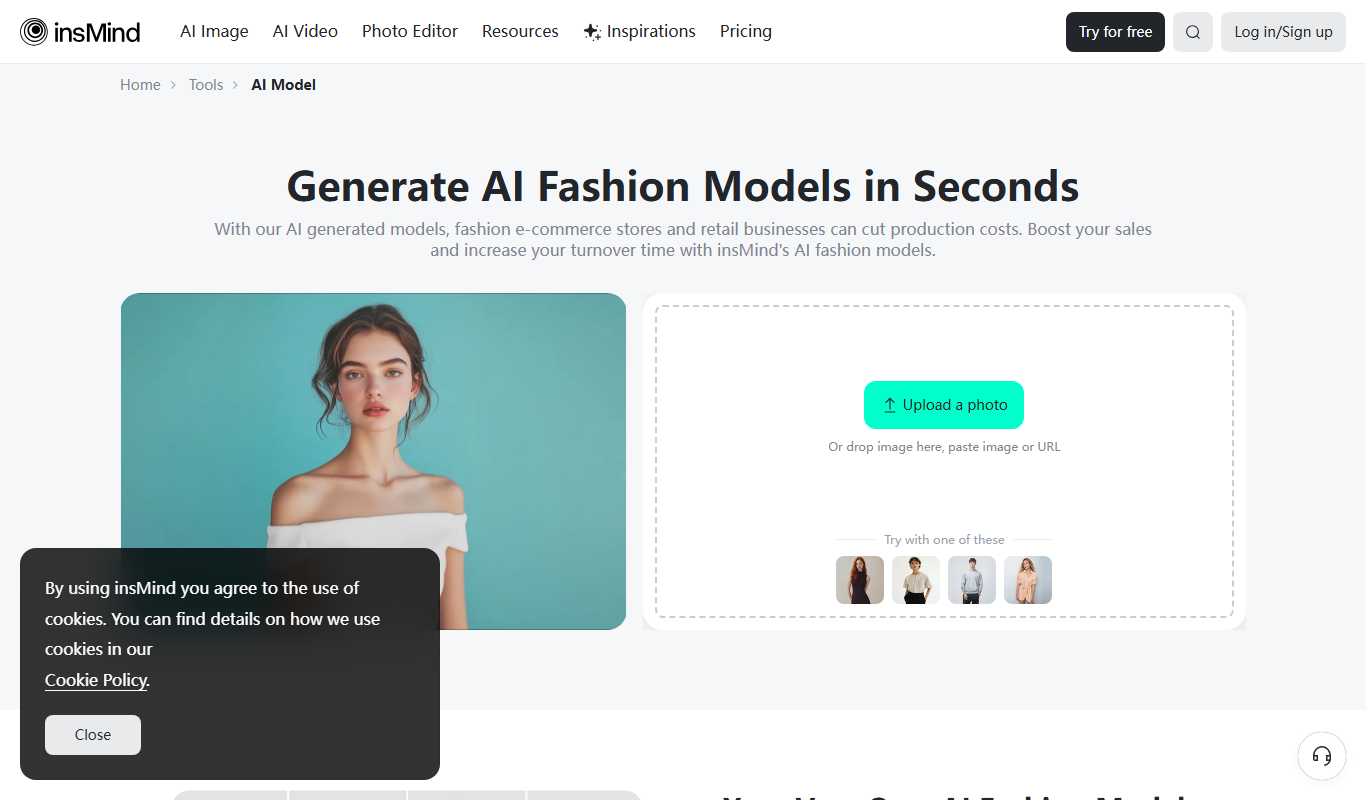
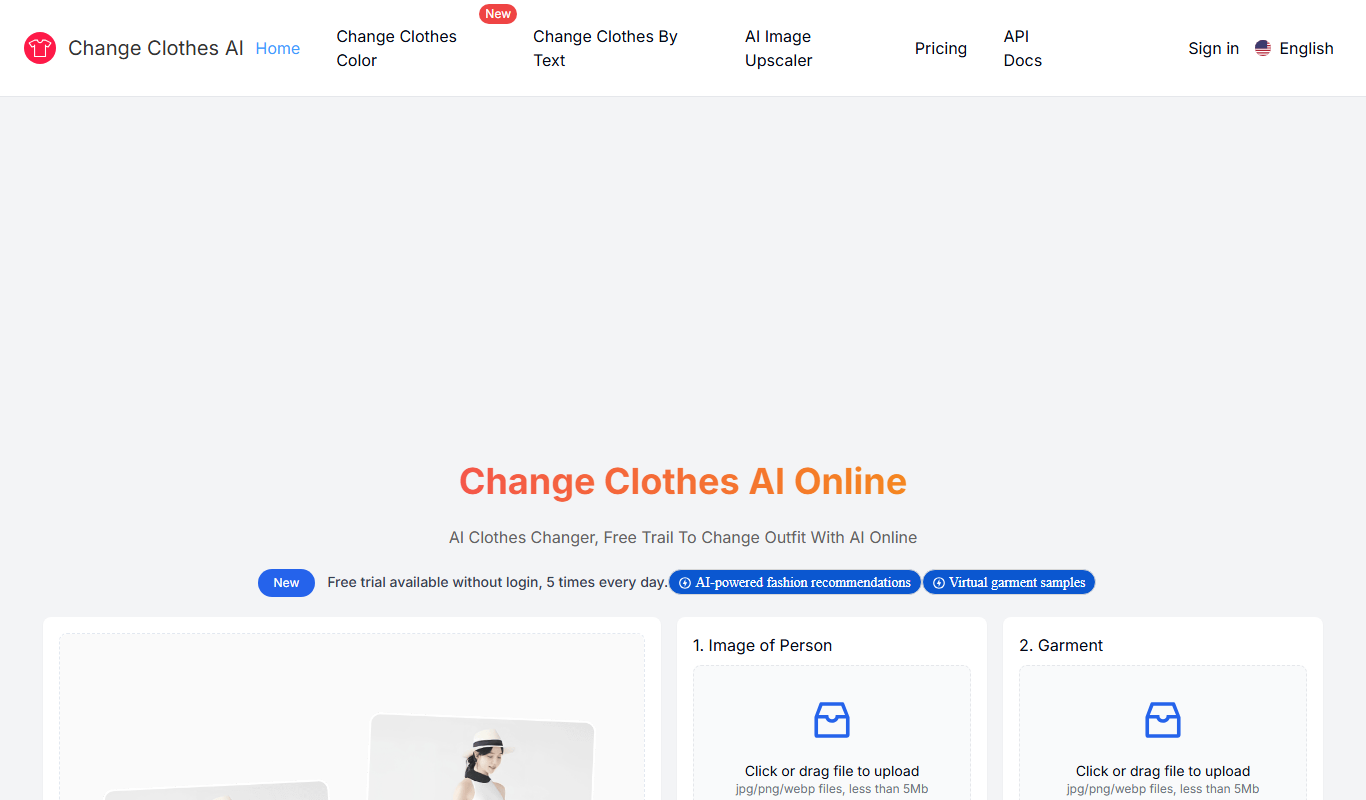
Virtual Try-On is an interactive technology that lets consumers visualize how products will look on them using their device’s camera or uploaded images. It uses augmented reality (AR), artificial intelligence (AI), and 3D modeling to simulate items such as eyeglasses, apparel, shoes, or cosmetics in real time. This technology bridges the gap between online shopping and in-store experiences, enabling users to make more informed decisions by “trying” products without physically wearing them.
Why Is Virtual Try-On Important?
Virtual Try-On enhances user engagement and reduces purchase hesitation by providing a realistic preview of products. It helps increase conversion rates and lowers return rates by ensuring customers are satisfied with their choices before buying. For brands, it creates a unique selling proposition and builds trust through interactive, personalized shopping experiences.
- Boosts customer confidence by allowing realistic product previews.
- Reduces product returns by minimizing sizing or style mismatches.
- Enhances online shopping experience, increasing sales and loyalty.
Key Characteristics of Virtual Try-On
- Real-Time Interaction: Users can see instant visualizations of products on themselves or models through cameras or avatars.
- Augmented Reality Integration: Combines digital objects with real-world environments seamlessly for a natural look and feel.
- Personalization: Adjusts product size, color, and style based on user preferences and body features for accurate representation.
How Virtual Try-On Works (Step-by-Step)
- The user activates the virtual try-on feature via a website or app, granting camera access or uploading a photo.
- The software maps facial features, body dimensions, or hand shapes using AI and AR technology.
- The selected product is overlaid and adjusted in real time to fit the user’s image, allowing exploration from different angles.
Real-World Examples of Virtual Try-On
- Eyewear Retailers: Brands like Warby Parker let customers try glasses virtually to find the best frame shape and color.
- Cosmetic Brands: Sephora’s app allows users to test different lipstick shades or eye makeup without physical samples.
Virtual Try-On in SEO, Marketing, or Business Context
In digital marketing, Virtual Try-On serves as an interactive content strategy that increases user dwell time and engagement, positively impacting SEO rankings. It supports omnichannel retail by blending online convenience with experiential shopping, driving higher conversion rates and reducing cart abandonment. For businesses, it provides valuable data on customer preferences and behavior, enabling targeted marketing and product development.
Common Mistakes or Misunderstandings About Virtual Try-On
- Assuming it only applies to fashion or beauty products, when it can extend to furniture, eyewear, and more.
- Overlooking the importance of accurate sizing and lighting calibration, which can lead to unrealistic product representations.
Related Terms
- Augmented Reality (AR)
- E-commerce
- 3D Modeling
FAQs About Virtual Try-On
It allows customers to see how products look on them, reducing uncertainty and improving purchase confidence.
Yes, some platforms use uploaded photos or avatars to simulate the try-on experience.
Summary
Virtual Try-On is a transformative technology that enhances online retail by letting customers visualize products on themselves digitally. By combining augmented reality and AI, it creates immersive and personalized shopping experiences that boost sales, reduce returns, and foster brand loyalty. As consumer expectations evolve, Virtual Try-On remains a vital tool for businesses aiming to connect with customers in engaging and innovative ways.