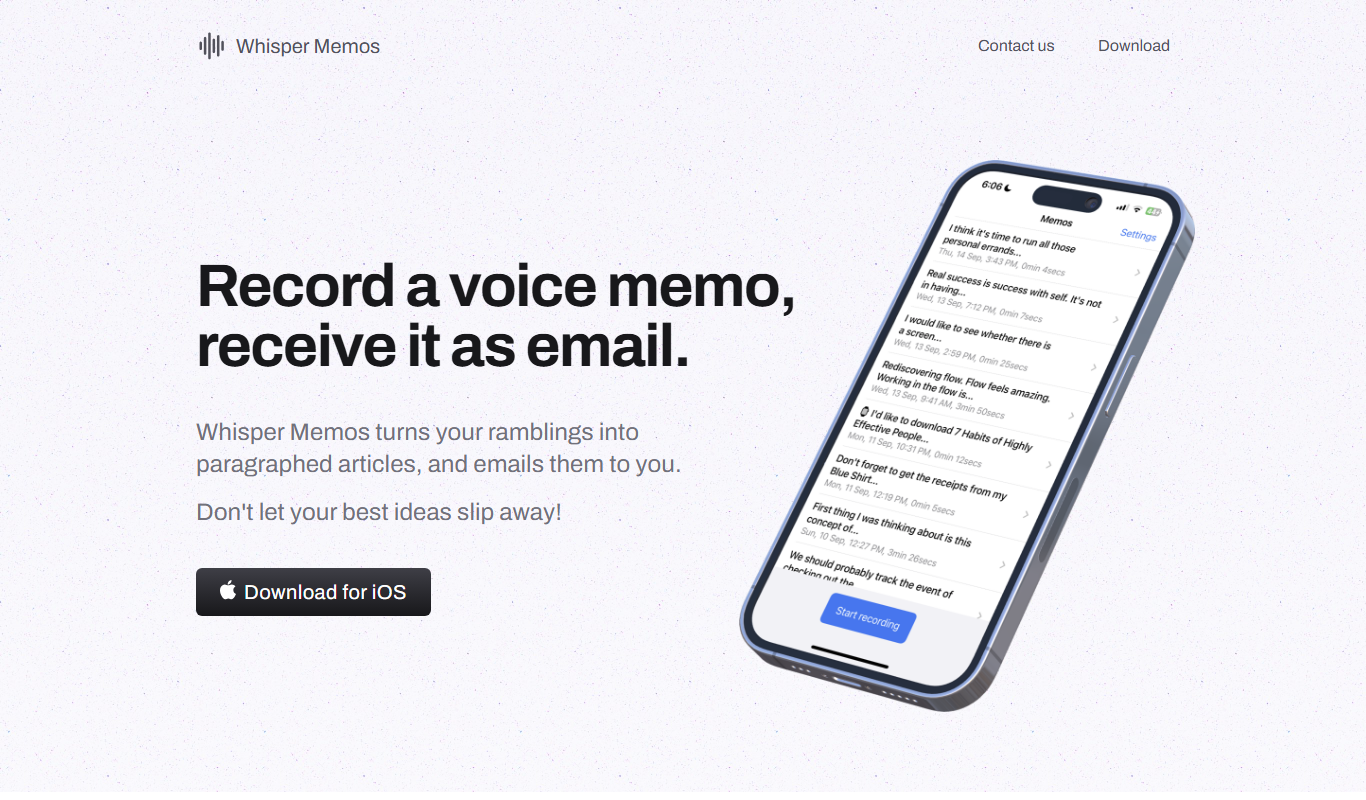
What Is Speech-to-Text?
Speech-to-Text, also known as voice recognition or speech recognition, is a technology that listens to spoken words and transcribes them into digital text. It uses algorithms and machine learning models to identify sounds, words, and sentences from audio input. This technology powers applications such as voice assistants, transcription services, and real-time captions, making communication more accessible and efficient by turning natural speech into readable text.
Why Is Speech-to-Text Important?
Speech-to-Text technology bridges the gap between spoken and written communication, enhancing accessibility, productivity, and user experience. It enables hands-free device control, allows faster content creation, and supports people with disabilities by transforming voice into text efficiently.
- Improves accessibility for users with hearing or mobility challenges.
- Speeds up transcription and documentation processes in business and media.
- Facilitates natural interaction with devices via voice commands.
Key Characteristics of Speech-to-Text
- Accuracy: The ability to correctly recognize and transcribe spoken words, influenced by language models and audio quality.
- Real-Time Processing: Converts speech as it is spoken, enabling live captions and instant responses.
- Language and Accent Support: Handles multiple languages and diverse accents for global usability.
How Speech-to-Text Works (Step-by-Step)
- Audio Capture: The system records the spoken input through a microphone or audio file.
- Signal Processing: The audio is analyzed and broken down into phonemes and sound patterns.
- Text Generation: Algorithms match sounds to words and sentences, producing the written text output.
Real-World Examples of Speech-to-Text
- Virtual Assistants: Devices like Siri and Google Assistant convert voice commands to text to execute tasks.
- Transcription Services: Tools that convert meetings, interviews, or lectures into searchable text documents.
Speech-to-Text in SEO, Marketing, or Business Context
In marketing and business, Speech-to-Text enhances content creation by enabling faster transcription of interviews and meetings, improving SEO through voice search optimization, and creating accessible video captions. It helps brands engage users through voice-driven interactions and supports multilingual communication strategies.
Common Mistakes or Misunderstandings About Speech-to-Text
- Assuming 100% accuracy without considering background noise or speech clarity.
- Believing Speech-to-Text can fully replace human editing for nuanced or specialized content.
Related Terms
- Natural Language Processing (NLP)
- Voice Recognition Technology
- Machine Learning
FAQs About Speech-to-Text
Accuracy depends on audio quality, language complexity, and the system used, typically requiring some editing for perfect results.
Yes, many systems support multiple languages and dialects, though performance varies by language and accent.
Summary
Speech-to-Text technology transforms spoken words into digital text, enabling hands-free communication, faster content creation, and improved accessibility. Its growing accuracy and real-time capabilities make it essential for modern digital marketing, business workflows, and user engagement through voice interfaces.