What Is Route Optimization?
Route Optimization is a technique used to determine the best possible routes for vehicles or deliveries by analyzing various constraints like distance, traffic, delivery windows, and vehicle capacity. Imagine planning a road trip where you want to visit multiple cities quickly and without backtracking—that’s essentially what route optimization does for businesses managing fleets or deliveries. It uses algorithms and data to reduce travel time and expenses, improving overall operational efficiency.
Why Is Route Optimization Important?
Efficient route planning directly impacts a business’s bottom line by cutting fuel costs, reducing delivery times, and enhancing customer satisfaction. For companies handling logistics, it balances workload and maximizes resource use, which is crucial in competitive markets. Optimized routes also contribute to sustainability by lowering carbon emissions through reduced travel distances.
- Reduces transportation and operational costs
- Improves delivery speed and reliability
- Enhances customer experience through timely service
Key Characteristics of Route Optimization
- Algorithm-Driven: Utilizes complex algorithms like the Traveling Salesman Problem and Vehicle Routing Problem to compute the most efficient routes.
- Constraint-Based: Considers variables such as delivery time windows, vehicle capacity, and traffic conditions to tailor routes.
- Dynamic Adjustment: Allows real-time updates and re-routing based on live data such as traffic jams or last-minute order changes.
How Route Optimization Works (Step-by-Step)
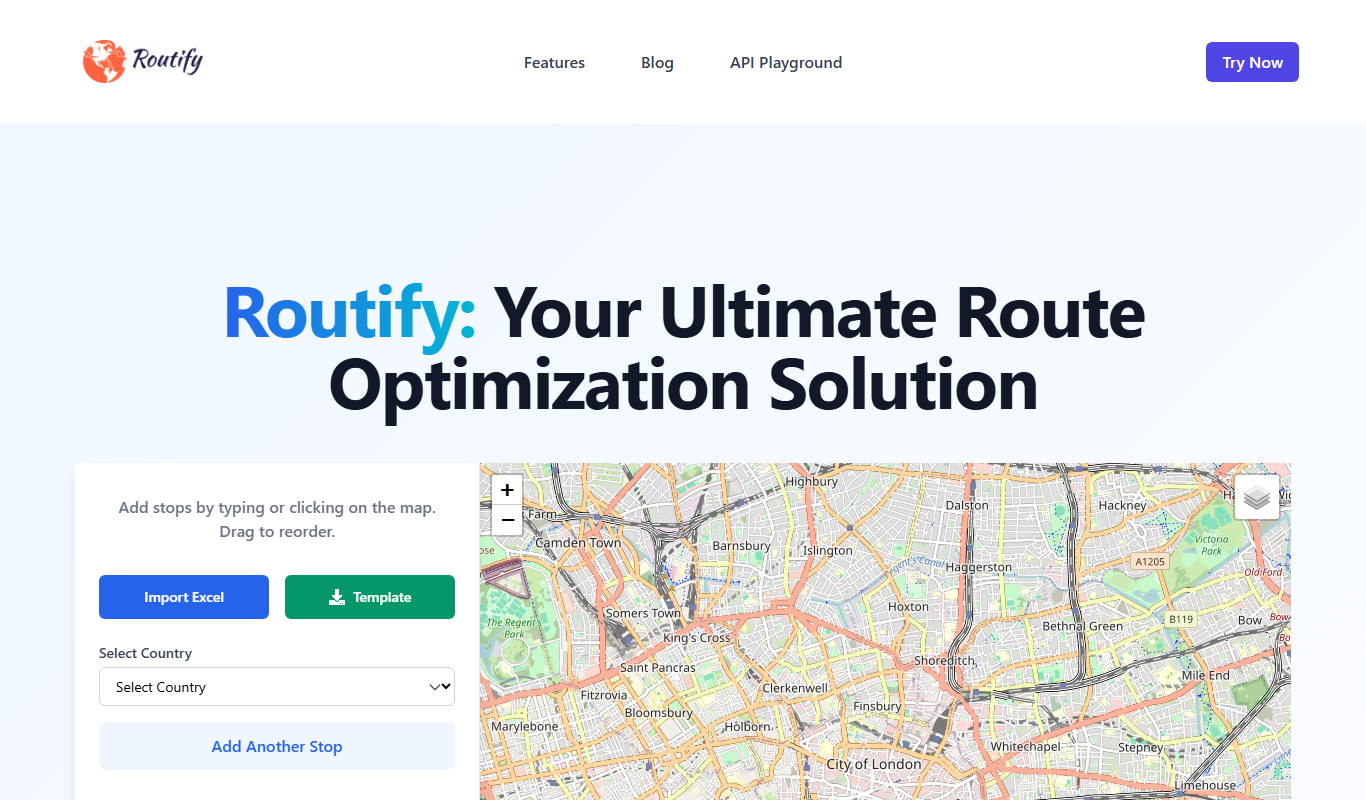
- Input data including delivery locations, vehicle details, and constraints.
- Algorithm processes the data to evaluate possible route combinations.
- Outputs the optimized routes, which can be adjusted dynamically as conditions change.
Real-World Examples of Route Optimization
- Courier Services: Companies like FedEx use route optimization to plan daily deliveries, ensuring parcels arrive quickly without extra mileage.
- Food Delivery: Apps like Uber Eats optimize driver routes to deliver meals promptly while minimizing wait times and travel distance.
Route Optimization in SEO, Marketing, or Business Context
In business and marketing, route optimization supports logistics and supply chain efficiency, which can improve service levels and brand reputation. For e-commerce companies, faster deliveries through optimized routes enhance customer retention and conversion rates. From an SEO perspective, local businesses that offer prompt, reliable delivery service can rank higher in local search results due to better customer reviews and engagement.
Common Mistakes or Misunderstandings About Route Optimization
- Assuming the shortest distance is always the fastest route without considering traffic or road conditions.
- Neglecting real-time data updates, which can lead to inefficient routing during unexpected delays.
Related Terms
- Logistics Management
- Supply Chain Optimization
- Fleet Management
FAQs About Route Optimization
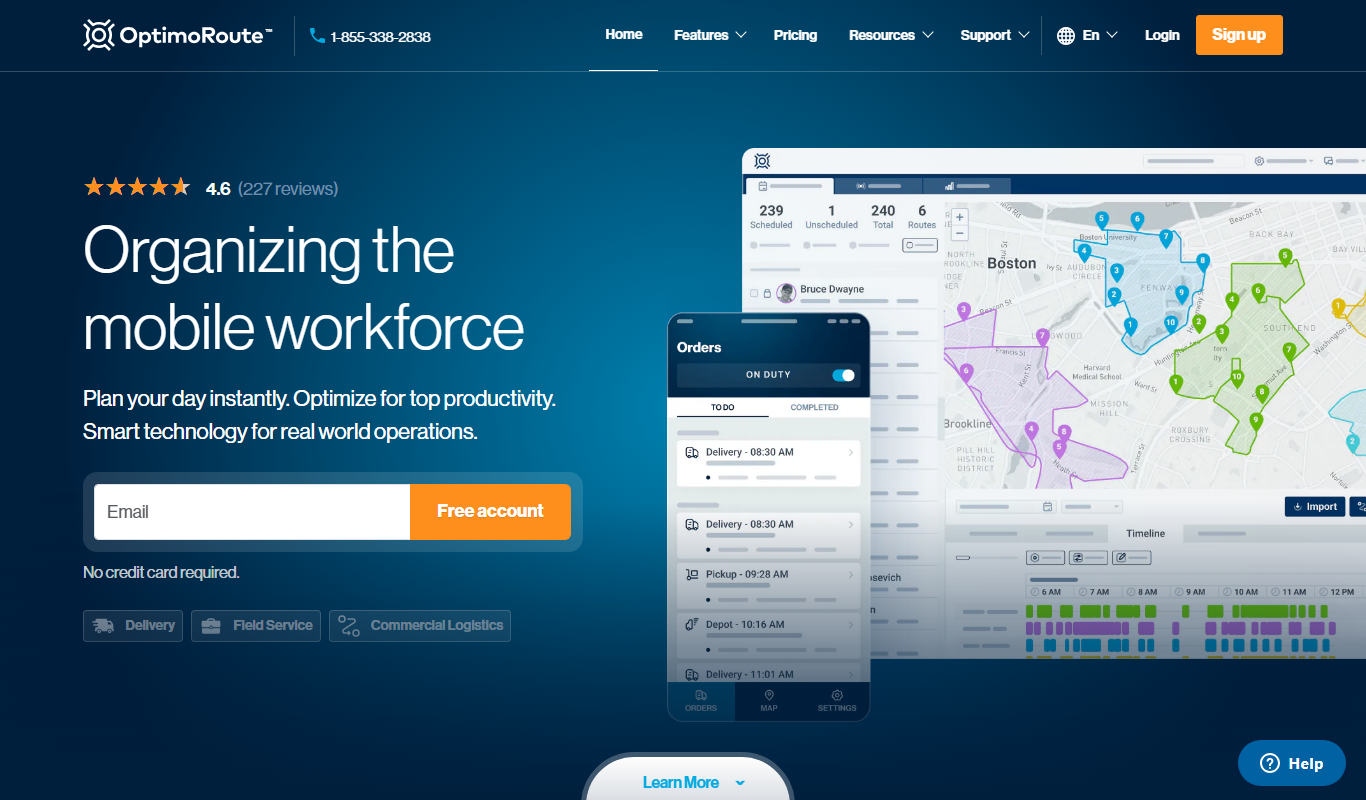
Popular tools include software like Route4Me, OptimoRoute, and Google Maps APIs with custom algorithms.
By reducing travel distance and time, it lowers fuel consumption and vehicle wear, cutting overall operational costs.
Summary
Route Optimization is a crucial process that leverages data and algorithms to plan the most efficient travel paths for deliveries or service routes. It plays a vital role in reducing costs, improving customer satisfaction, and supporting sustainable business practices. By understanding and implementing route optimization, companies can enhance their operational efficiency and gain a competitive edge in logistics and delivery services.