What Is Real-Time Translation?
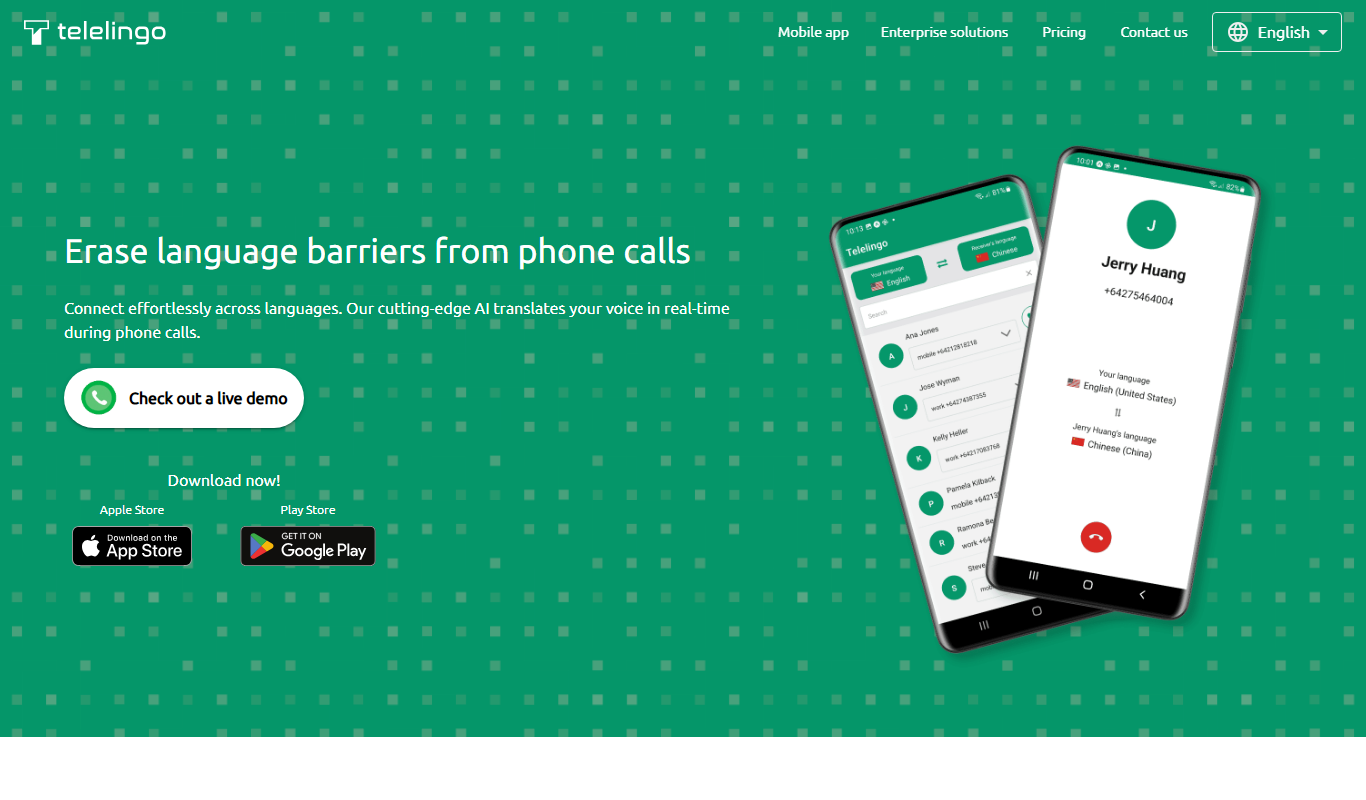
Real-Time Translation refers to the technology and processes that enable immediate interpretation or conversion of language during live conversations, broadcasts, or written text exchanges. Unlike traditional translation that happens after content is produced, real-time translation works on the fly using advanced algorithms, speech recognition, and natural language processing to bridge language gaps instantly. This technology supports various formats including voice calls, video conferences, live chat, and even live subtitles, making global communication seamless and efficient.
Why Is Real-Time Translation Important?
Real-Time Translation is crucial in today’s globalized world where businesses, educators, and individuals interact across different languages daily. It breaks down language barriers, enabling smoother collaboration, faster decision-making, and broader audience reach. For digital marketers and content creators, it opens new markets without the delay of manual translation. Moreover, it enhances customer experience by providing immediate multilingual support.
- Accelerates cross-cultural communication and collaboration.
- Enables instant customer service in multiple languages.
- Expands global reach for marketing and business operations.
Key Characteristics of Real-Time Translation
- Speed: Translates language instantly without noticeable delay, essential for live conversations.
- Accuracy: Balances speed with contextual understanding to maintain meaning and tone.
- Multi-Modal Support: Works across spoken language, text, and multimedia formats like subtitles or chat.
How Real-Time Translation Works (Step-by-Step)
- Speech or text input is captured through microphones or digital interfaces.
- Machine learning models analyze the input to recognize language and context.
- The system generates an immediate translation output in the target language, delivered via audio or text.
Real-World Examples of Real-Time Translation
- Video Conferencing Tools: Platforms like Zoom and Microsoft Teams offer live subtitle translation to help participants communicate across languages.
- Customer Support Chatbots: AI-powered bots translate customer queries instantly to provide relevant responses in different languages.
Real-Time Translation in SEO, Marketing, or Business Context
In SEO and marketing, real-time translation facilitates global campaigns by localizing content instantly for diverse audiences, improving engagement and conversion rates. Businesses leverage it to provide real-time multilingual customer support, enhancing satisfaction and loyalty. It also helps in market research by enabling immediate understanding of foreign consumer feedback and social media interactions.
Common Mistakes or Misunderstandings About Real-Time Translation
- Assuming real-time translation is always perfectly accurate without human review.
- Overlooking the nuances of cultural context and idiomatic expressions that machines may misinterpret.
Related Terms
- Machine Translation
- Natural Language Processing
- Simultaneous Interpretation
FAQs About Real-Time Translation
Real-time translation happens instantly as communication occurs, while traditional translation is done after content is created.
While improving, real-time translation may struggle with complex terminology and benefits from domain-specific training or human oversight.
Summary
Real-Time Translation is a powerful tool that enables immediate language conversion, fostering seamless communication across linguistic borders. It plays a vital role in global business, marketing, and customer service by breaking down language barriers quickly and efficiently. While it offers speed and convenience, understanding its limitations helps maximize its effectiveness in practical applications.