What Is Interactive Storytelling?
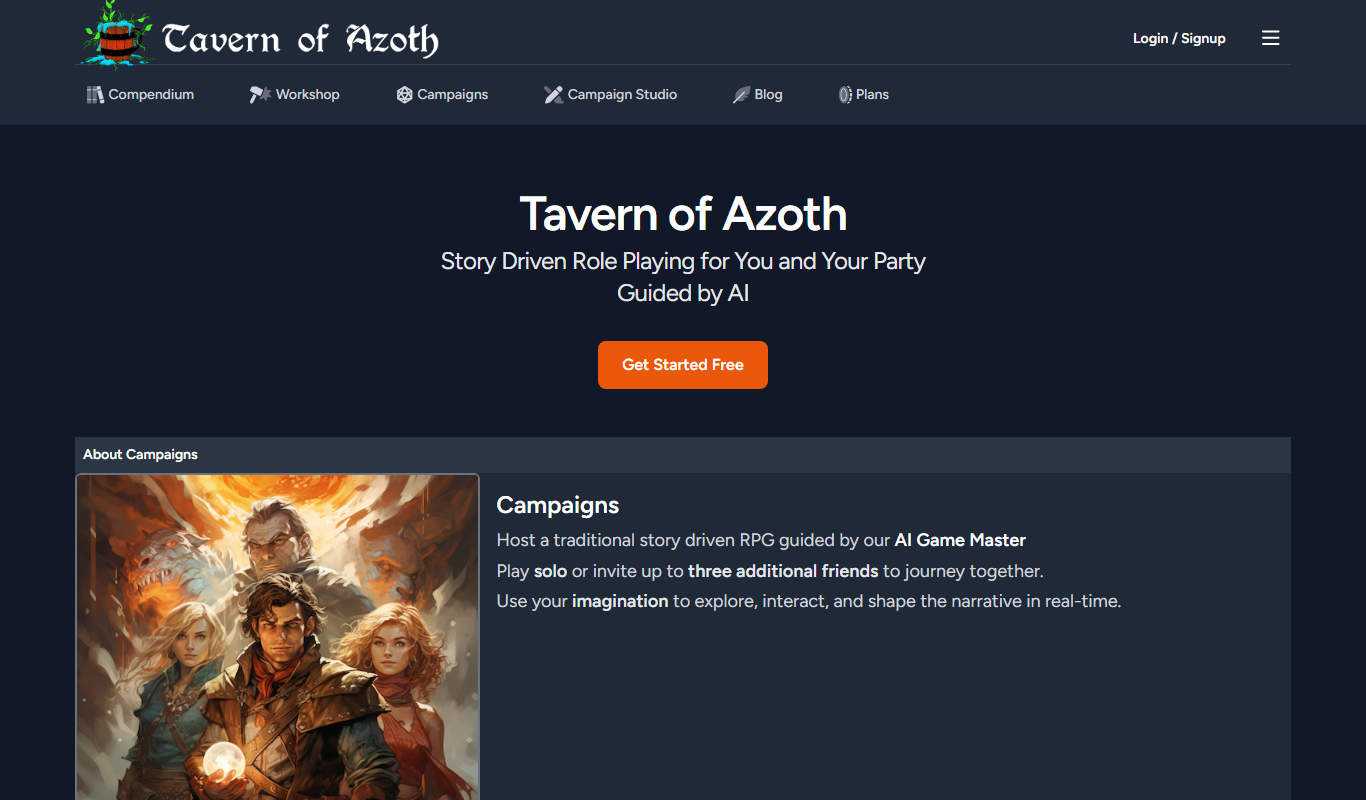
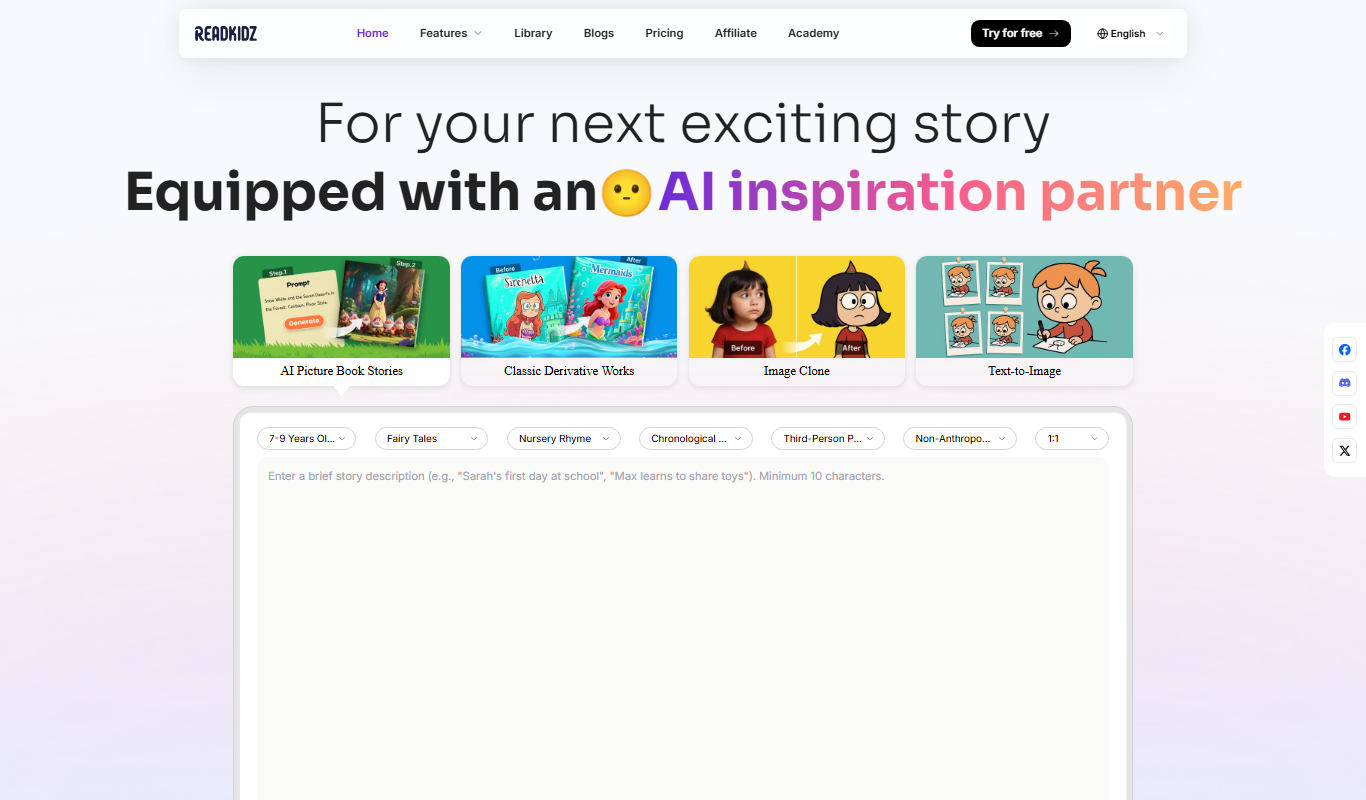
Interactive storytelling blends traditional narrative with user participation, allowing individuals to influence plot developments, character choices, or environments. Unlike passive reading or watching, this approach invites readers, viewers, or players to engage directly, making the story dynamic and personalized. It’s commonly found in video games, digital media, and marketing campaigns where branching storylines or decision trees create unique experiences tailored to each participant’s input.
Why Is Interactive Storytelling Important?
Interactive storytelling enhances engagement by empowering audiences to co-create narratives, increasing emotional investment and retention. For brands and creators, it offers a compelling way to connect with users, gather insights, and foster loyalty through memorable experiences. It also supports diverse storytelling possibilities by adapting to user choices, which can drive deeper understanding and more meaningful communication.
- Boosts user engagement by making audiences active participants.
- Enables personalized and memorable narrative experiences.
- Facilitates data collection on audience preferences and behaviors.
Key Characteristics of Interactive Storytelling
- User Agency: Audiences have control over key story decisions, influencing plot and outcomes.
- Branching Narratives: Multiple story paths and endings depend on user choices, creating diversity in experience.
- Dynamic Content: Story elements adapt in real-time based on interactions, keeping the narrative fresh and engaging.
How Interactive Storytelling Works (Step-by-Step)
- Introduce a story framework with decision points that require audience input.
- Collect and process user choices to determine the next narrative branch.
- Deliver tailored story content that reflects the participant’s decisions, creating a unique story arc.
Real-World Examples of Interactive Storytelling
- Choose-Your-Own-Adventure Books: Readers decide the actions of characters, leading to different endings.
- Interactive Marketing Campaigns: Brands engage users with stories where choices unlock personalized promotions or product recommendations.
Interactive Storytelling in SEO, Marketing, or Business Context
In digital marketing, interactive storytelling is a powerful tool to captivate audiences, increase time-on-site, and drive conversions by turning passive visitors into active participants. It supports brand storytelling by making narratives immersive and personalized, which enhances customer loyalty and word-of-mouth promotion. SEO benefits arise as interactive content often encourages sharing, backlinks, and repeat visits, improving search rankings and online visibility.
Common Mistakes or Misunderstandings About Interactive Storytelling
- Assuming it only applies to gaming or entertainment, when it also benefits marketing and education.
- Neglecting user experience by creating overly complex or confusing decision paths that frustrate participants.
Related Terms
- Branching Narrative
- Content Personalization
- User Experience (UX)
FAQs About Interactive Storytelling
Interactive storytelling involves audience participation that influences the story’s direction or outcome.
Businesses use it to engage customers, personalize experiences, and enhance brand loyalty through dynamic narratives.
Summary
Interactive storytelling transforms traditional narratives into engaging, personalized experiences by involving the audience in decision-making. This approach increases engagement, supports brand connection, and enhances SEO through dynamic, shareable content. By understanding its core principles and avoiding common pitfalls, marketers and creators can craft compelling stories that resonate deeply with their audiences.