What Is AI-Assisted Learning?
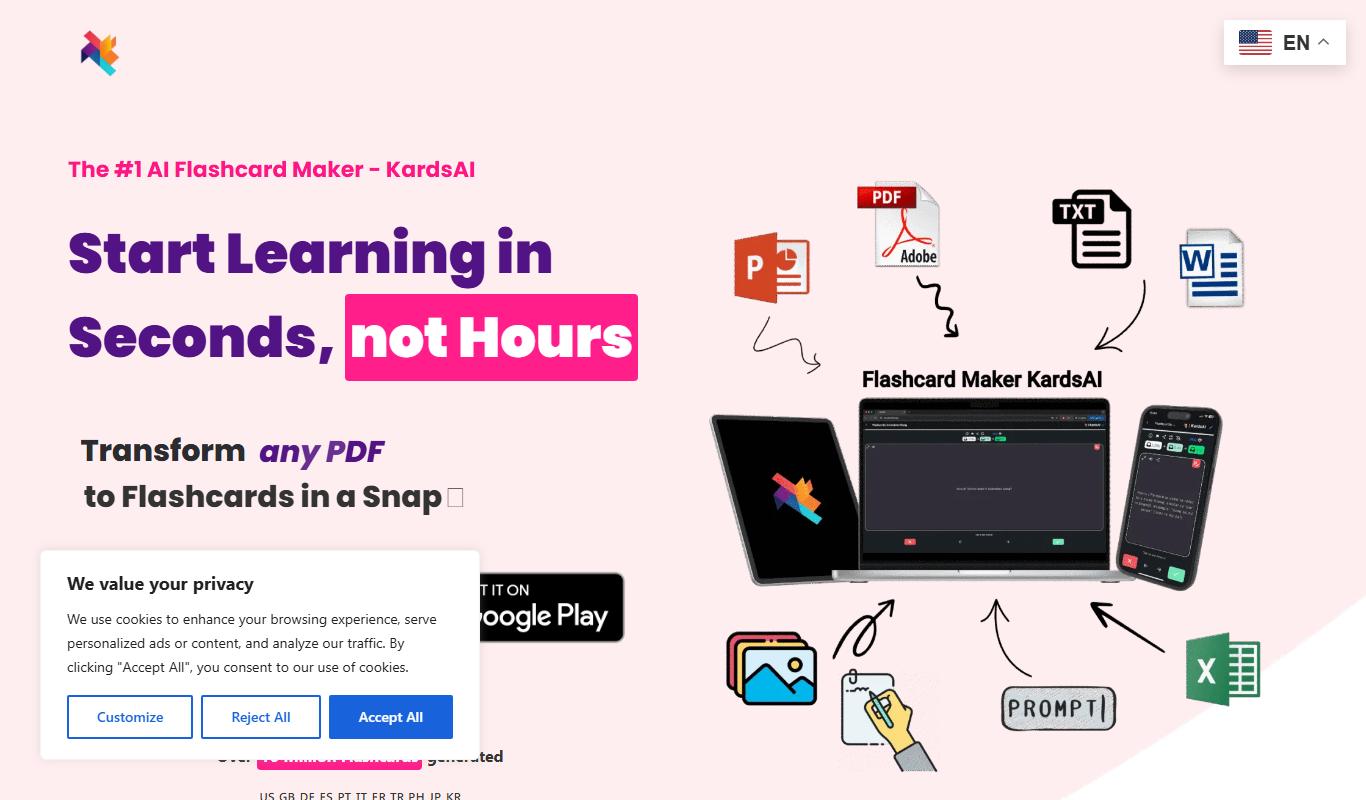
AI-Assisted Learning refers to applying artificial intelligence tools and algorithms to support and improve the process of education. It personalizes lessons, adapts to student needs, automates administrative tasks, and provides real-time feedback. Think of it like having a digital tutor that understands your learning pace and style, offering customized help and resources. This approach leverages technologies such as natural language processing, machine learning, and data analytics to make learning more efficient, engaging, and scalable across different subjects and educational levels.
Why Is AI-Assisted Learning Important?
AI-Assisted Learning is transforming education by making it more accessible, personalized, and effective. It addresses the diverse needs of learners, reducing the one-size-fits-all approach traditionally seen in classrooms. For educators, it streamlines grading and content creation, freeing up time for more meaningful interaction. For businesses and marketers in the e-learning space, AI-assisted learning offers opportunities to deliver tailored content and improve user engagement through smart recommendations and adaptive learning paths.
- Enhances personalized learning experiences by adapting to individual student needs.
- Improves efficiency for educators through automation of routine tasks.
- Enables scalable education that can reach diverse and global audiences.
Key Characteristics of AI-Assisted Learning
- Personalization: Tailors content and pacing to fit each learner’s unique profile and progress.
- Interactivity: Engages learners through dynamic feedback, quizzes, and adaptive exercises.
- Data-Driven Insights: Uses learner data to optimize teaching strategies and track outcomes.
How AI-Assisted Learning Works (Step-by-Step)
- Data Collection: The system gathers information on the learner’s performance, preferences, and behavior.
- Analysis and Adaptation: AI algorithms analyze this data to identify strengths, weaknesses, and learning gaps.
- Content Delivery: Customized lessons, quizzes, and resources are presented to the learner to optimize engagement and retention.
Real-World Examples of AI-Assisted Learning
- Adaptive Learning Platforms: Tools like Smart Sparrow or DreamBox adjust difficulty and content based on real-time learner inputs.
- AI Tutors and Chatbots: Virtual assistants help answer questions and guide learners through complex topics anytime.
AI-Assisted Learning in SEO, Marketing, or Business Context
In the digital marketing and business world, AI-Assisted Learning powers smarter e-learning platforms that increase user retention and satisfaction. Marketers use these tools to analyze user behavior and optimize course offerings, while businesses deploy AI-driven training to upskill employees efficiently. SEO professionals benefit by creating content optimized for AI-driven educational queries, ensuring their learning materials rank higher where AI tools recommend personalized resources.
Common Mistakes or Misunderstandings About AI-Assisted Learning
- Believing AI replaces human educators rather than augmenting their capabilities.
- Assuming AI solutions are one-size-fits-all without considering quality of content and implementation.
Related Terms
- Adaptive Learning
- Educational Technology (EdTech)
- Machine Learning
FAQs About AI-Assisted Learning
It personalizes education to fit individual learner needs, enhancing engagement and outcomes.
By analyzing learner data, AI adapts content, pace, and feedback to optimize the learning experience.
Summary
AI-Assisted Learning leverages artificial intelligence to create a more personalized, interactive, and data-driven educational experience. It helps learners by adapting to their unique needs while supporting educators with automation and insights. In business and marketing, AI-assisted learning enhances training and content delivery, making education more effective and scalable.