

Dynamiq: enterprise platform to build, govern and deploy AI agents
Dynamiq is an enterprise platform for building, governing and deploying chat, voice and workflow AI agents, in the cloud or on-prem.
- Best for
- Customer service by chat and voice
- Key capability
- Agent builder
Save Dynamiq, follow its updates and vote on it — everything stays in your account.
Sign in or create a free account
What is Dynamiq?
Dynamiq is an enterprise platform for building, governing and deploying AI agents, including chat agents, voice agents and workflow agents. Teams build agents on a visual canvas or in a Python SDK, ground them in company knowledge and app integrations, govern them with guardrails, approvals, evals and observability, and deploy them in the cloud or on-prem.
Key features of Dynamiq
Dynamiq offers an AI coworker, voice agents, a visual and Python agent builder, knowledge bases, 2,100+ app integrations, an AI gateway for model providers, guardrails and approvals, evals and observability, with deployment in the cloud or on-prem.
Agent builder
Design an agent on a visual canvas or in the open-source Python SDK; both run on the same engine.
Voice agents
Voice agents answer calls on the phone, the web or your own backend and speak back.
Knowledge and integrations
Ground agents in knowledge bases and connect them to 2,100+ app integrations, databases and MCP servers.
Guardrails, evals and observability
Detect PII and prompt injection, pause steps for human approval, score agents with evals and trace every run.
Flexible deployment
Run in Dynamiq Cloud or self-host on AWS, Azure, GCP, IBM Cloud, Red Hat OpenShift or any Kubernetes 1.32+ cluster.
Pros and cons of Dynamiq
Pros
- Runs in Dynamiq Cloud, your own cloud or your data center
- Open-source Python SDK under Apache-2.0
- Built-in guardrails, approvals, evals and tracing
- Free plan to build your first agents
Cons
- Free plan has usage limits on apps, knowledge bases and monthly activity
- Enterprise pricing is custom and scoped with the team
Key use cases for Dynamiq
Customer service by chat and voice
Run chat and contact center voice agents for customer support.
Back-office and finance operations
Automate accounts payable, invoices, document review and underwriting.
Research and knowledge assistants
Give employees agents grounded in company knowledge.
Claims and KYC processing
Handle insurance claims processing and KYC customer onboarding with governed agents.
How Dynamiq works
- 1
Build the agent
Design it on the visual canvas or in the Python SDK.
- 2
Ground it in knowledge
Turn your documents into a searchable knowledge base and connect the apps it should act in.
- 3
Govern and evaluate
Add guardrails and approvals, and score the agent on a dataset before you ship.
- 4
Deploy and observe
Deploy as an app called over HTTP, a chat widget or a scheduled job, and trace every run.
Who is using Dynamiq
Dynamiq pricing
Free
$0 to start
A Dynamiq Cloud workspace, agents built on the canvas or in Python, core platform features within usage limits, and the open-source SDK.
Enterprise
Custom
Everything in Free, deployed where you need it, with SSO, forward-deployed engineers, compliance paperwork and support with an SLA.
Professional
$149/month
Advanced features including multi-channel support and analytics for growing teams.
Enterprise
Custom pricing
Tailored solutions with dedicated support and custom integrations.
Plans and prices are as published by the vendor and can change. Check the official site before you buy. Open the pricing page (opens in a new tab)
Frequently asked questions about Dynamiq
An enterprise platform for building, governing and deploying chat, voice and workflow AI agents, with knowledge retrieval, integrations, guardrails, approvals, evals and observability in one place.
Yes. Use Dynamiq Cloud, or self-host on AWS, Azure, GCP, IBM Cloud, Red Hat OpenShift or any Kubernetes 1.32+ cluster.
Yes. The free plan costs $0 to start and includes a Dynamiq Cloud workspace with core platform features within usage limits.
29 model providers through the SDK, the most-used models behind one AI gateway endpoint, and open models you host and fine-tune yourself.
The core Python SDK is open source under Apache-2.0 and runs on the same engine as the platform.
Enterprise pricing depends on the deployment model, usage and the engineering support you need.
Yes. Forward-deployed engineers run a bootcamp in your environment, build the first production agent with your team and hand it over.
Dynamiq states SOC 2, HIPAA, GDPR and CASA Tier 2.
Conclusion
Enterprise teams use Dynamiq to build chat, voice and workflow agents in one governed place instead of stitching separate tools together. Business users design on a visual canvas while engineers write in an open-source Python SDK, and both compile to the same engine. Agents draw on knowledge bases and more than 2,100 app integrations, and they ship as HTTP apps, chat widgets, voice lines or scheduled jobs.
Governance is central: guardrails catch PII and prompt injection, sensitive steps can wait for human approval, and every run is traced. Regulated sectors such as financial services, insurance, government and healthcare are the focus, with deployment in Dynamiq Cloud, a customer’s own cloud or a data center. A free plan with usage limits covers first agents, while Enterprise pricing is scoped around deployment, usage and engineering support.
Sources
Sign in to review this tool.
Sign In to ReviewNo reviews yet
Be the first to share how this tool worked for you.
Ask about pricing, limits, or how it compares — or answer someone else.
Sign In to AskNo questions yet
Have a question about using or paying for this tool? Be the first to ask.
Featured on TiorAI



More AI Automation & Workflow Tools tools
Other tools in the same category, for when this one is not quite the fit.

Outplayhq
OutplayHQ is a sales engagement platform that automates multi-channel outreach including email, calls, SMS, and social media, integrates with major CRMs, and provides analytics to improve sales team performance.
Fadr
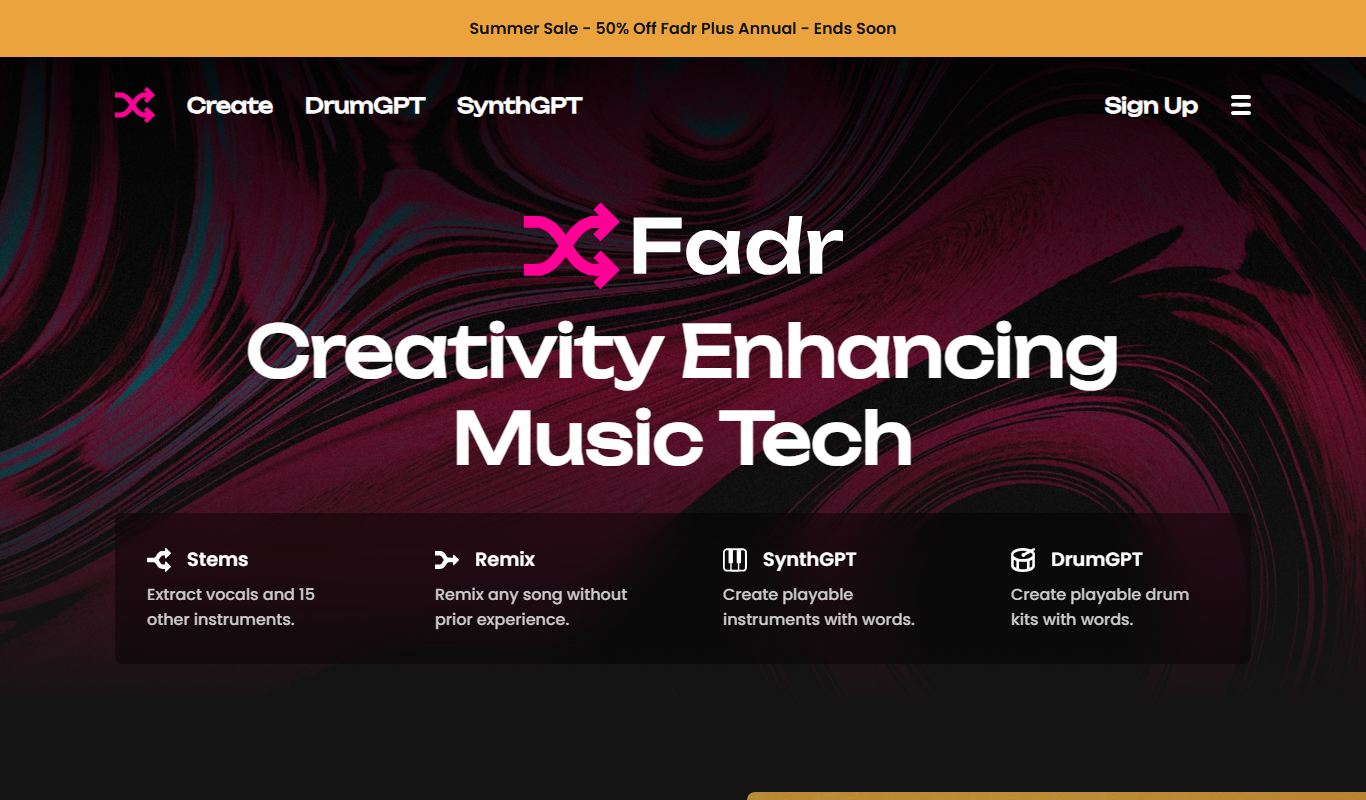
Fadr is a music tech platform with a vocal remover, stem splitter, key and tempo detector, remix and mashup makers, a DJ controller and DrumGPT.

Remagine AI
Remagine AI is a web-based platform that uses artificial intelligence to generate marketing content and automate marketing workflows, helping businesses create SEO-friendly and brand-consistent materials efficiently.

Postly
Postly is an AI social media and blog scheduler that publishes across social media, blogs and email, with Postly CRM, Bio Pages and Analytics in one workspace.

Emly Labs
Emly Labs offers a no-code AI framework to build AI chatbots and predictive AI models and to prepare data.

Midjourney API
Midjourney API is available through TTAPI, which gives access to Midjourney and 100+ AI models through one unified REST API with one API key, one balance and pay as you go billing.

Socialdude.ai
Socialdude.ai uses 15 hyper-personalized AI Agents to instantly generate tailored social media content from a selected feature and a description of your audience and business.

lempod.com
Lempod is a LinkedIn engagement automation tool that uses engagement pods to increase likes and comments on your posts, helping grow your network and visibility organically.