

Chainlink Oracle Network for Secure Blockchain Data Integration and Smart Contracts
Chainlink is a decentralized oracle network that securely connects smart contracts to external data sources, APIs, and payment systems, enabling reliable blockchain applications.
- Best for
- Smart Contract Data Feeds
- Key capability
- Decentralized Oracle Network
Save Chainlink, follow its updates and vote on it — everything stays in your account.
Sign in or create a free account
What is Chainlink?
Chainlink is a decentralized oracle network that enables smart contracts on any blockchain to securely connect to external data sources, APIs, and traditional bank payments. It solves the problem of blockchains being isolated from real-world data by providing tamper-resistant inputs and outputs through a network of independent oracle nodes.
Key features of Chainlink
Chainlink offers decentralized oracle services including secure data feeds, verifiable randomness, cross-chain interoperability, and external API connectivity. Its decentralized architecture ensures high reliability and security for smart contract execution.
Decentralized Oracle Network
Multiple independent nodes provide data to prevent single points of failure and manipulation.
Secure Data Feeds
Reliable, tamper-proof price feeds and external data for DeFi and other blockchain applications.
Verifiable Random Function (VRF)
Provably fair and verifiable randomness for gaming, lotteries, and unpredictable smart contract outcomes.
Cross-Chain Compatibility
Supports multiple blockchain platforms enabling interoperability and data sharing.
Customizable Oracle Solutions
Developers can create tailored oracle networks for specific data requirements and security needs.
Pros and cons of Chainlink
Pros
- Highly secure decentralized oracle network
- Supports multiple blockchain platforms
- Enables real-world data integration for smart contracts
- Provides verifiable randomness for fair outcomes
- Strong developer community and extensive documentation
Cons
- Costs can vary and increase with high usage
- Complexity in setting up custom oracle networks
- Dependent on external data providers’ reliability
Key use cases for Chainlink
Smart Contract Data Feeds
Provide reliable, tamper-proof external data to smart contracts for DeFi, insurance, gaming, and more.
Cross-Chain Interoperability
Enable communication and data transfer between different blockchain networks securely.
Decentralized Finance (DeFi)
Power DeFi applications with accurate price feeds, random number generation, and external API access.
Enterprise Blockchain Integration
Connect enterprise systems and legacy data sources to blockchain applications using secure oracles.
Verifiable Randomness
Generate provably fair and tamper-proof random numbers for gaming and lottery smart contracts.
How Chainlink works
- 1
Deploy Smart Contract
Develop and deploy a smart contract that requires external data or off-chain computation.
- 2
Request Data via Chainlink
The smart contract sends a request to the Chainlink oracle network for specific data or computation.
- 3
Oracle Nodes Fetch Data
Multiple independent Chainlink nodes retrieve data from external APIs or data providers.
- 4
Data Aggregation and Validation
Chainlink aggregates responses from multiple nodes to ensure accuracy and prevent manipulation.
- 5
Deliver Data to Smart Contract
Validated data is sent back to the smart contract, triggering contract execution based on real-world inputs.
Who is using Chainlink
Chainlink pricing
Free
$0
Access to Chainlink documentation, developer tools, and testnet usage.
Usage-based
Varies
Pay per oracle request or data feed usage depending on network demand and node operators.
Plans and prices are as published by the vendor and can change. Check the official site before you buy. Open the pricing page (opens in a new tab)
Frequently asked questions about Chainlink
Chainlink is used to connect smart contracts with real-world data, APIs, and payment systems securely and reliably.
By using multiple independent oracle nodes and aggregating their responses, Chainlink prevents data manipulation and single points of failure.
Chainlink supports Ethereum, Binance Smart Chain, Polygon, Avalanche, and many other blockchain platforms.
Developers can access Chainlink tools and testnets for free, but production use involves paying node operators based on usage.
It depends on your specific needs and how you plan to use the tool. The official website and documentation are the best sources for the latest details.
It depends on your specific needs and how you plan to use the tool. The official website and documentation are the best sources for the latest details.
It depends on your specific needs and how you plan to use the tool. The official website and documentation are the best sources for the latest details.
It depends on your specific needs and how you plan to use the tool. The official website and documentation are the best sources for the latest details.
Conclusion
When a smart contract needs external data or computation, it sends a request to the Chainlink oracle network. Multiple independent nodes retrieve the data from external APIs or data providers, and their responses are aggregated before validated data is sent back to trigger contract execution. Aggregating responses from multiple nodes is how the network aims to prevent data manipulation and single points of failure. Besides data feeds, it provides verifiable randomness for gaming and lottery outcomes.
Supported blockchains include Ethereum, Binance Smart Chain, Polygon and Avalanche, among many others. The oracle services target blockchain developers, DeFi platforms and enterprise blockchain integrators. Developers can access tools and testnets for free, while production use involves paying node operators per oracle request or data feed usage, and costs can increase with high usage. Setting up custom oracle networks adds complexity, and results depend on the reliability of external data providers.
Sources
Sign in to review this tool.
Sign In to ReviewNo reviews yet
Be the first to share how this tool worked for you.
Ask about pricing, limits, or how it compares — or answer someone else.
Sign In to AskNo questions yet
Have a question about using or paying for this tool? Be the first to ask.
Featured on TiorAI



Alternative Tools
Explore similar AI tools that might fit your needs

The Graph
The Graph is a decentralized protocol that indexes and queries blockchain data using GraphQL, enabling developers to build fast and reliable decentralized applications.
More AI API tools
Other tools in the same category, for when this one is not quite the fit.

Ares
Ares by Traversaal.ai is a real-time AI answer engine API that returns detailed answers plus the source URLs used to generate them.

HireBase
Hirebase indexes millions of jobs daily from company websites and serves them through job search, resume matching and market data APIs and a web search tool.

Captide
Captide offers enterprise APIs and agentic AI built on public companies' disclosures, turning financial filings into source-cited insights for hedge funds and investment banks.

ReceiptUp
ReceiptUp is a receipt and invoice OCR API that converts receipt and invoice images into structured data through a JSON REST API.

Myple
Myple is a developer platform to build, deploy and secure AI applications such as AI agents and RAG chatbots, with SDKs, a CLI and a free Hacker plan.
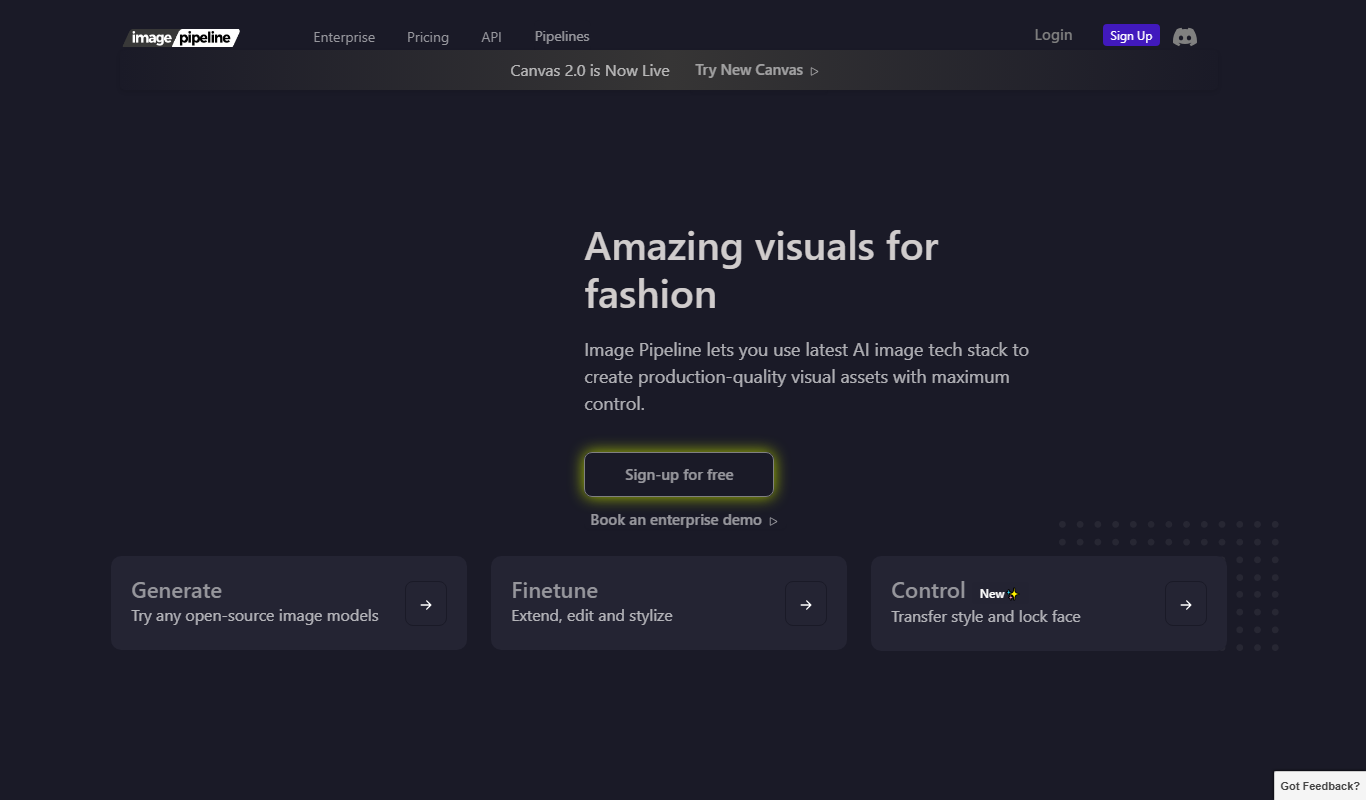
Image Pipeline
ImagePipeline is the image AI API for ecommerce and fashion teams: on-model imagery, virtual try-on, background and relight, and ad creative from one API key.

KawniX
Kawnix is a protocol for agent-to-agent commerce: discover verified agent endpoints, lock escrow and settle tasks with signed receipts.

SpamCheck.ai
SpamCheckAI is a spam detection API for free-form JSON and form submissions, with IP filtering, email validation and content analysis; it powers Basin.