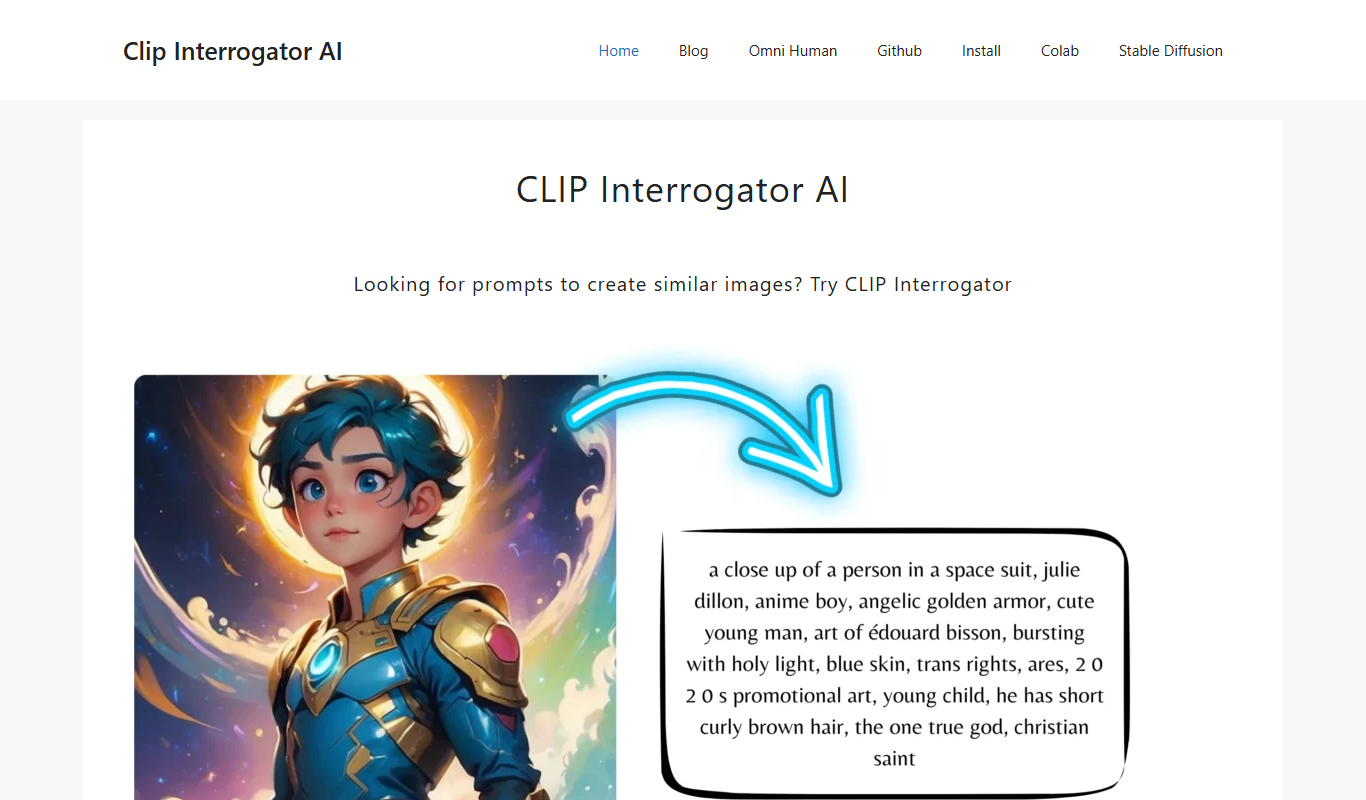
What Is Image Captioning?
Image captioning involves creating meaningful and concise text descriptions for images. This technique combines computer vision to interpret the visual elements and natural language processing to generate human-like sentences. Essentially, it enables machines to “see” an image and “describe” it in words, making images more accessible and searchable.
Why Is Image Captioning Important?
Image captioning plays a crucial role in enhancing user experience, improving accessibility, and boosting SEO. Captions help visually impaired users understand image content and assist search engines in indexing images more effectively. Additionally, it supports content creators by automating metadata generation and enriching multimedia content with relevant context.
- Improves website accessibility for users with disabilities
- Enhances search engine optimization by providing textual context to images
- Supports automated content management and improves user engagement
Key Characteristics of Image Captioning
- Multimodal Understanding: Combines visual data analysis with natural language generation to produce accurate descriptions.
- Context Awareness: Captions consider the scene, objects, and relationships within an image to provide relevant details.
- Conciseness and Clarity: Generates brief, clear, and meaningful text that conveys the image’s core message effectively.
How Image Captioning Works (Step-by-Step)
- Image analysis using computer vision techniques to identify objects, scenes, and attributes.
- Feature extraction where visual data is converted into a form suitable for language models.
- Natural language generation creates a coherent and contextually relevant caption describing the image.
Real-World Examples of Image Captioning
- Social Media Platforms: Automatically generating captions for user-uploaded images to improve engagement and accessibility.
- Content Management Systems: Enhancing image metadata for better searchability and organization within digital libraries.
Image Captioning in SEO, Marketing, or Business Context
In SEO and digital marketing, image captioning is a powerful tool to increase organic traffic by making images discoverable through relevant keywords and descriptive text. Marketers use captions to enrich content, improve user retention, and ensure compliance with accessibility standards. Businesses leverage it to streamline content workflows and provide better customer experiences across multimedia channels.
Common Mistakes or Misunderstandings About Image Captioning
- Assuming image captions are just decorative rather than essential for SEO and accessibility.
- Relying solely on automated captions without reviewing for accuracy and relevance.
Related Terms
FAQs About Image Captioning
Image captioning provides a visible description of an image for all users, while alt text is hidden and primarily used by screen readers for accessibility.
It adds relevant textual content that search engines can index, helping images rank better in search results.
Summary
Image captioning bridges the gap between visual content and textual understanding by generating descriptive, context-aware captions. It enhances accessibility, supports SEO efforts, and enriches user experience across digital platforms. By understanding how image captioning works and its importance, marketers and content creators can leverage this technology to improve content discoverability and engagement effectively.