

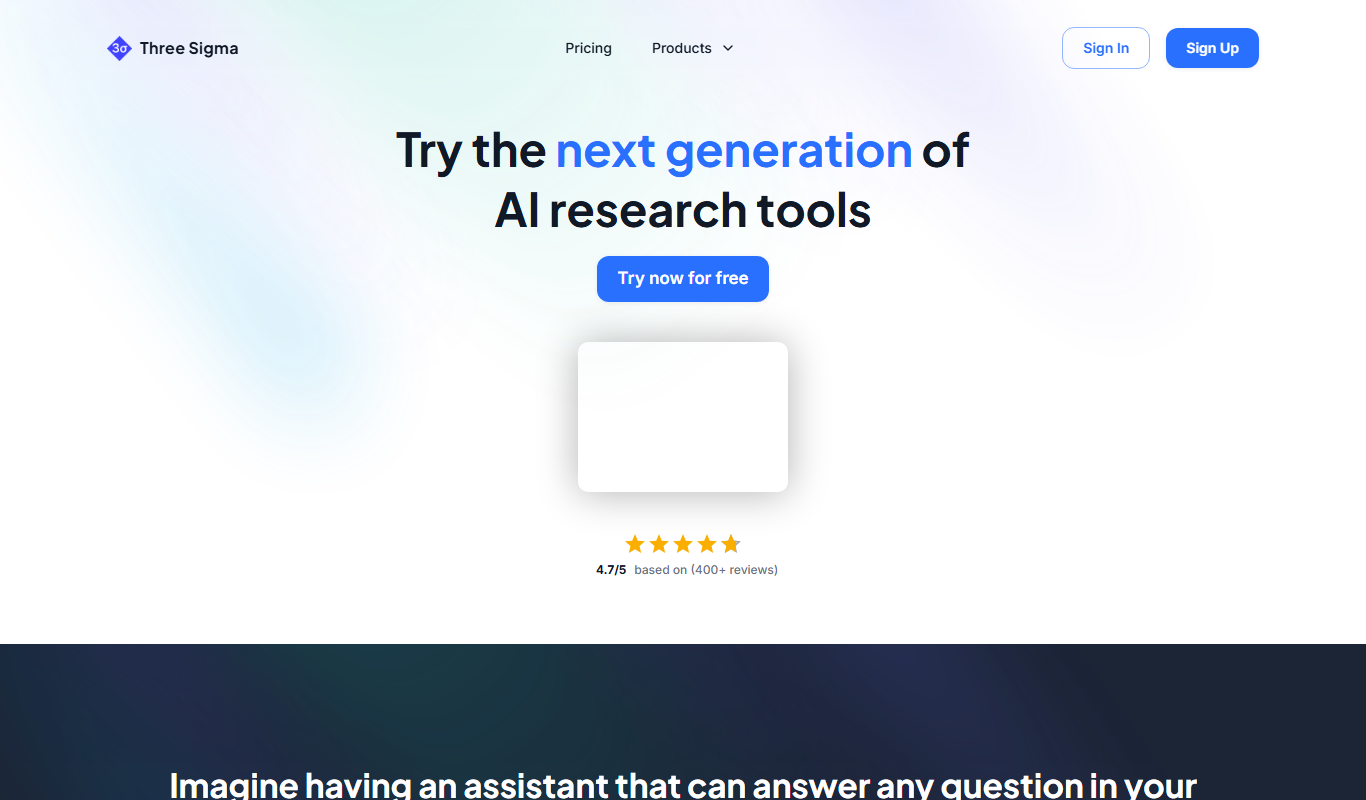
From my experience with Three Sigma, I found it excels at automating complex machine learning workflows, which significantly reduces the time data scientists spend on repetitive tasks like feature engineering and model tuning. The platform’s focus on explainability and collaboration makes it a strong choice for enterprise teams aiming to deploy reliable AI models with transparency. However, the lack of publicly available pricing and limited technical details may require direct contact for evaluation. Overall, if you need an end-to-end AutoML solution that supports deployment and team collaboration, Three Sigma delivers a robust and user-friendly platform.
Three Sigma AI Platform for Data Science Automation and Model Deployment
Three Sigma is an AI-driven platform that automates the machine learning lifecycle, including data preparation, model training, explainability, and deployment, designed for data scientists and enterprises.
- Best for
- Automated Machine Learning
- Key capability
- AutoML Pipeline
Do you recommend this tool?
What is Three Sigma?
Three Sigma is an AI-powered data science platform designed to automate and streamline the end-to-end machine learning lifecycle. It helps data scientists and business analysts build, deploy, and manage machine learning models efficiently without extensive coding. The platform focuses on automating data preparation, model training, hyperparameter tuning, and deployment, enabling faster insights and decision-making.
Key features of Three Sigma
Three Sigma offers automated machine learning (AutoML), data preprocessing, feature engineering, model explainability, and deployment tools. It supports collaboration among data teams and provides a user-friendly web interface to manage projects and workflows.
AutoML Pipeline
Automates the entire machine learning pipeline from data cleaning to model tuning.
Feature Engineering Automation
Automatically generates and selects relevant features to improve model accuracy.
Explainability Tools
Provides insights into model decisions to increase transparency.
Collaboration Workspace
Enables teams to work together on projects with shared access and version control.
Model Deployment
Simplifies deploying models as APIs or integrating with existing systems.
Pros and cons of Three Sigma
Pros
- Automates complex machine learning workflows
- Supports model explainability for transparency
- Facilitates collaboration among data teams
Cons
- Pricing details are not publicly available
- Limited information on integrations and tech stack
Key use cases for Three Sigma
Automated Machine Learning
Enables data scientists and analysts to automate the process of building, training, and tuning machine learning models.
Model Deployment
Provides tools to deploy machine learning models into production environments seamlessly.
Data Preparation and Feature Engineering
Offers automated data preprocessing and feature engineering capabilities to improve model accuracy.
Collaboration for Data Science Teams
Supports team collaboration by allowing multiple users to work on projects and share insights.
Explainable AI
Includes features to interpret and explain model predictions to ensure transparency and trust.
How Three Sigma works
- 1
Upload Data
Users upload datasets to the platform for analysis and model building.
- 2
Automated Model Building
The platform automatically preprocesses data, engineers features, and trains multiple models.
- 3
Model Evaluation and Selection
Users review model performance metrics and select the best model for their use case.
- 4
Deploy Model
Deploy the selected model into production environments directly from the platform.
- 5
Monitor and Manage
Continuously monitor model performance and update models as needed.
Who is using Three Sigma
Data scientists
Business analysts
Machine learning engineers
Enterprise data teams
AI project managers
Three Sigma pricing
Contact for Pricing
Custom pricing
Pricing available upon request tailored to enterprise needs.
Plans and prices are as published by the vendor and can change. Check the official site before you buy. Open the pricing page (opens in a new tab)
Frequently asked questions about Three Sigma
Yes, the platform automates feature engineering to enhance model performance.
Yes, Three Sigma provides tools to deploy models into production environments.
While some familiarity with data science helps, the platform is designed to minimize coding through automation.
This tool is designed to help users accomplish its core tasks more efficiently. It is typically used by individuals or teams looking to improve productivity and workflow.
It depends on your specific needs and how you plan to use the tool. The official website and documentation are the best sources for the latest details.
Yes, it can help with that use case depending on how you configure it and what features are available. You’ll get the best results with clear inputs and a defined goal.
It depends on your specific needs and how you plan to use the tool. The official website and documentation are the best sources for the latest details.
Sign in to review this tool.
Sign In to ReviewNo reviews yet
Be the first to share how this tool worked for you.
Ask about pricing, limits, or how it compares — or answer someone else.
Sign In to AskNo questions yet
Have a question about using or paying for this tool? Be the first to ask.
Featured on TiorAI



More AI Automation & Workflow Tools tools
Other tools in the same category, for when this one is not quite the fit.
Free Trial
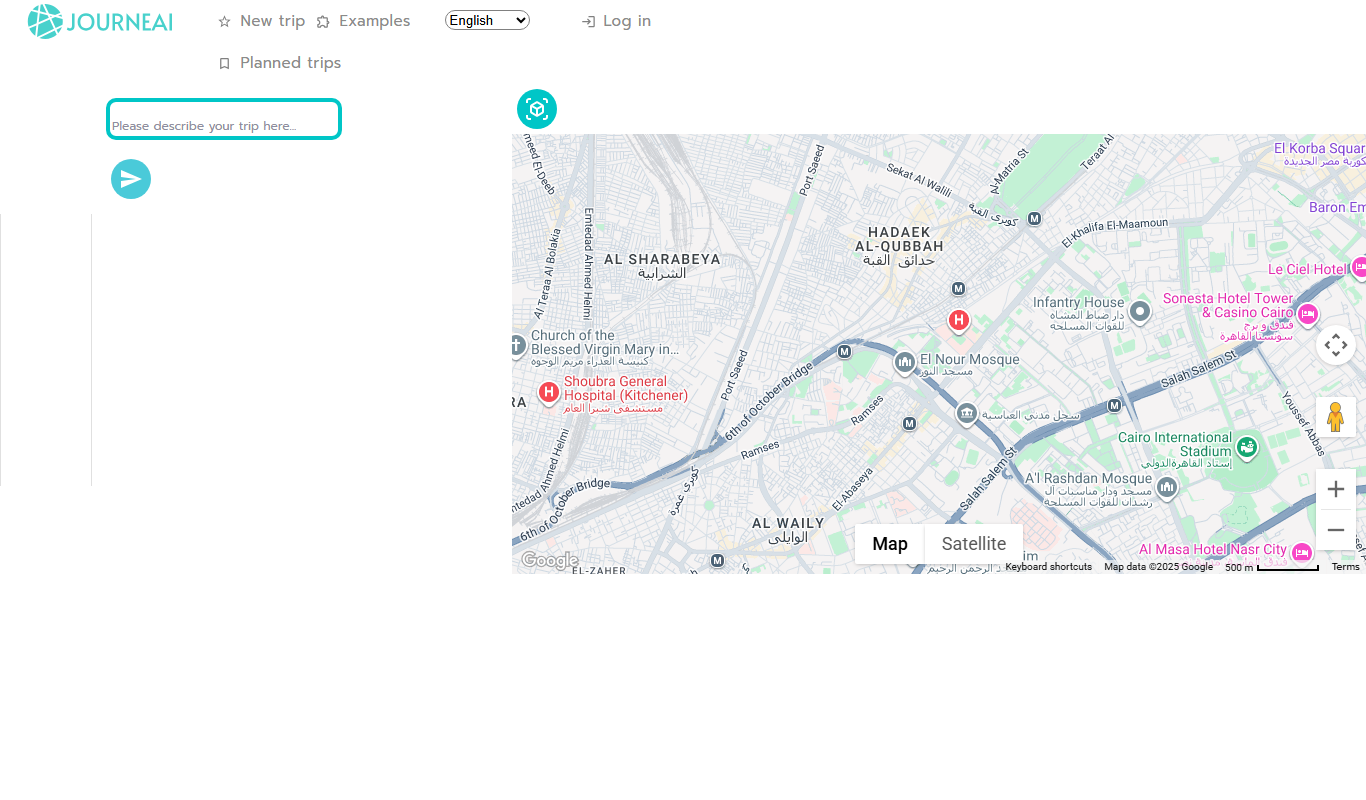
Journeai
Journeai is an AI-powered software that automatically maps customer journeys across multiple marketing channels, providing real-time analytics and insights to optimize marketing strategies.

Freemium
Meoweler
Meoweler is an AI chatbot platform that helps businesses automate customer support and engagement through no-code chatbot creation and natural language processing.

Free
Momo
Momo is an AI-powered assistant that automates workflows, manages tasks, and enhances team collaboration by integrating with popular productivity tools.

Contact for pricing
QUINETICS
Quinetics is an AI platform that provides businesses with advanced data analytics, workflow automation, and custom machine learning model development to optimize operations and decision-making.
Free Trial
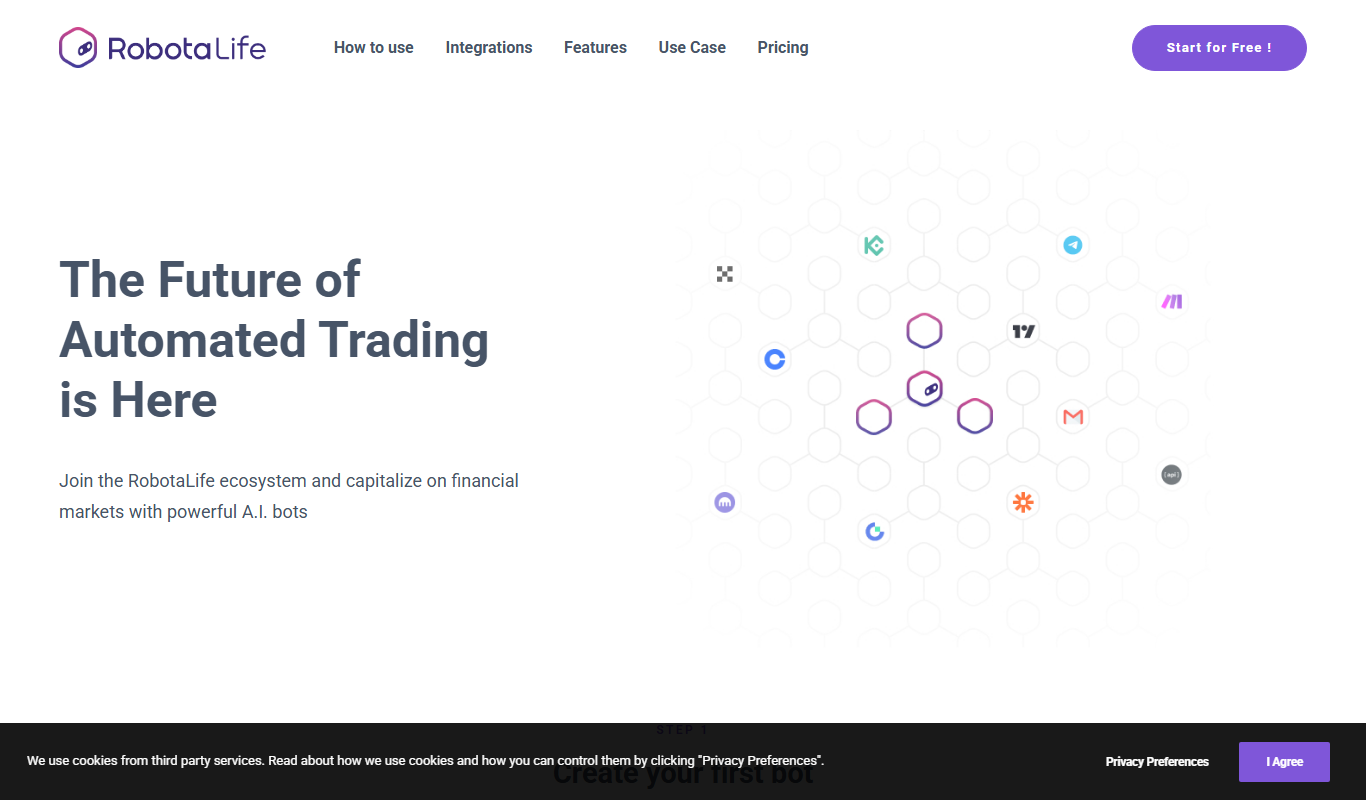
RobotaLife
RobotaLife is an AI chatbot platform that enables businesses to automate customer interactions, generate leads, and improve support efficiency through customizable conversational agents.
Freemium
Ai & Stuff
Ai & Stuff is a web platform providing multiple AI-powered tools for generating text and images, automating content tasks, and assisting creative workflows.

Freemium
Saleswise | AI Tools for Real Estate Agents
Saleswise is an AI-driven sales assistant platform designed for real estate agents to automate lead qualification, follow-ups, and pipeline management, improving sales efficiency.

Free
ChatGBT
ChatGBT is an AI chatbot platform that helps businesses automate customer support and engagement through customizable chatbots integrated on websites.