

From my experience researching Tempus, it stands out as a robust AI platform that effectively integrates complex clinical and genomic data to support precision medicine, especially in oncology. Its strength lies in delivering actionable insights that help clinicians personalize patient treatment and accelerate research. However, the platform’s focus on oncology and custom pricing model may limit accessibility for smaller organizations or broader medical fields. Overall, for healthcare providers and researchers seeking advanced data analytics to improve patient outcomes, Tempus offers a powerful, data-driven solution.
Tempus AI Platform for Clinical Data Analytics and Precision Medicine Insights
Tempus is an AI-powered platform that integrates clinical and genomic data to provide actionable insights for precision medicine, primarily in oncology.
- Best for
- Clinical Data Analysis
- Key capability
- Genomic Data Integration

Do you recommend this tool?
What is Tempus?
Tempus is a technology company specializing in artificial intelligence-driven clinical data analytics and precision medicine. It aggregates and analyzes molecular and clinical data to provide actionable insights that improve patient outcomes, particularly in oncology. Tempus combines genomic sequencing, clinical data, and AI to support personalized treatment decisions and accelerate medical research.
Key features of Tempus
Tempus offers a comprehensive platform that integrates clinical and molecular data, advanced AI analytics, and real-world evidence generation. Key features include genomic sequencing data analysis, clinical data aggregation, AI-powered insights for treatment optimization, and tools for research and drug development support.
Genomic Data Integration
Combines genomic sequencing with clinical data for comprehensive patient profiles.
AI-Powered Clinical Insights
Uses machine learning to identify treatment options and predict patient outcomes.
Real-World Evidence Platform
Aggregates data to support drug development and regulatory submissions.
Customizable Analytics Dashboard
Provides users with tailored views and reports to meet specific clinical or research needs.
Pros and cons of Tempus
Pros
- Integrates diverse clinical and genomic data sources
- Advanced AI analytics tailored for precision medicine
- Supports oncology research and treatment optimization
Cons
- Pricing is not publicly disclosed and may be costly for smaller organizations
- Primarily focused on oncology and may have limited applications outside this field
Key use cases for Tempus
Clinical Data Analysis
Analyze large-scale clinical and molecular data to derive actionable insights for patient care.
Precision Medicine
Support personalized treatment decisions by integrating genomic and clinical data.
Real-World Evidence Generation
Leverage aggregated patient data to generate evidence supporting drug development and regulatory decisions.
Oncology Research
Facilitate cancer research through comprehensive data analytics and AI-driven insights.
Healthcare Provider Support
Assist healthcare providers with data-driven clinical decision-making tools.
How Tempus works
- 1
Data Collection
Tempus collects and aggregates clinical and molecular data from healthcare providers and research sources.
- 2
Data Processing
The platform processes and harmonizes diverse data types including genomic sequences and electronic health records.
- 3
AI Analysis
Advanced AI algorithms analyze the integrated data to identify patterns and generate clinical insights.
- 4
Insight Delivery
Actionable insights and reports are delivered to clinicians and researchers to support decision-making.
Who is using Tempus
Oncology researchers
Healthcare providers and clinicians
Pharmaceutical companies
Clinical trial sponsors
Medical data scientists
Tempus pricing
Custom Pricing
Contact for pricing
Pricing is customized based on client needs and scale of data integration.
Plans and prices are as published by the vendor and can change. Check the official site before you buy. Open the pricing page (opens in a new tab)
Frequently asked questions about Tempus
Tempus analyzes genomic sequencing data, clinical records, and other molecular data to provide comprehensive insights.
Healthcare providers, researchers, pharmaceutical companies, and clinical trial sponsors use Tempus for data-driven decision support.
Yes, Tempus adheres to HIPAA and other relevant regulations to ensure patient data privacy and security.
This tool is designed to help users accomplish its core tasks more efficiently. It is typically used by individuals or teams looking to improve productivity and workflow.
Yes, it can help with that use case depending on how you configure it and what features are available. You’ll get the best results with clear inputs and a defined goal.
Data handling and security practices vary by provider. Review the official privacy policy to understand how your data is stored and used.
Sign in to review this tool.
Sign In to ReviewNo reviews yet
Be the first to share how this tool worked for you.
Ask about pricing, limits, or how it compares — or answer someone else.
Sign In to AskNo questions yet
Have a question about using or paying for this tool? Be the first to ask.
Featured on TiorAI



Alternative Tools
Explore similar AI tools that might fit your needs

Custom Pricing
Flatiron Health
Flatiron Health provides a real-world oncology data platform that aggregates and curates cancer patient data from electronic health records to support research, clinical decision-making, and regulatory submissions.
More AI Analytics Assistant tools
Other tools in the same category, for when this one is not quite the fit.

Custom Pricing
Veraset
Veraset provides privacy-compliant, high-quality location data via API and web platform to support marketing, retail, and urban planning analytics.
Custom Pricing
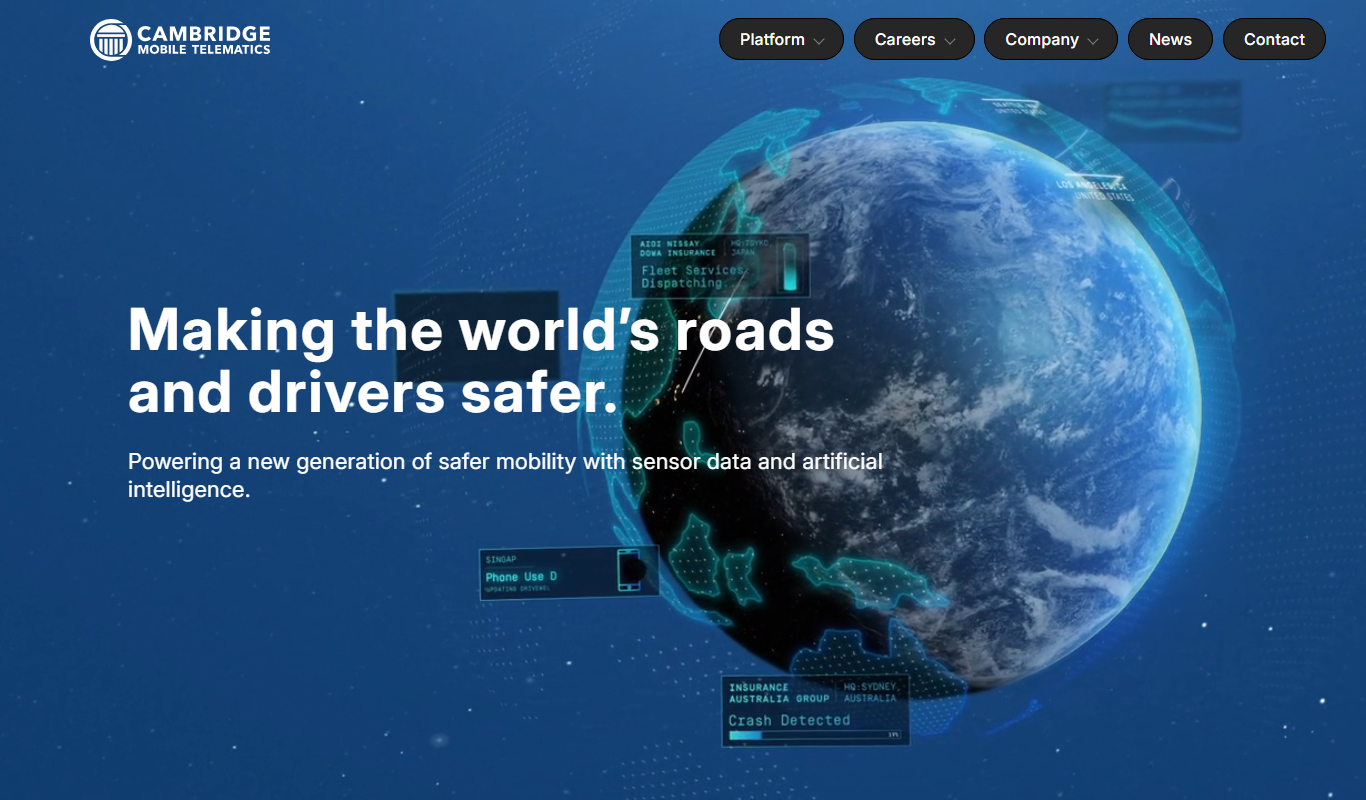
Cambridge Mobile Telematics
Cambridge Mobile Telematics provides a mobile telematics platform that uses smartphone sensors and AI to analyze driver behavior, enabling insurers and fleet managers to assess risk, improve safety, and reduce accidents.
Free
RadarBox
RadarBox is a real-time flight tracking platform offering live aircraft positions, flight history, and aviation data accessible via web and mobile apps.

Free
DeFiChain
DeFiChain is a blockchain platform focused on decentralized finance, enabling fast, secure, and low-cost DeFi applications integrated with Bitcoin.
Custom Pricing
Liquidnet
Liquidnet is a global institutional trading platform that connects asset managers and brokers to execute large block equity trades anonymously via a dark pool, providing liquidity and advanced analytics to optimize trade execution.

Free
Yearn Finance
Yearn Finance is a decentralized finance platform that automates yield farming strategies using smart contracts to maximize returns on Ethereum-based crypto assets.
Free
Stock Rover
Stock Rover is an investment research platform that provides advanced stock screening, portfolio analytics, and comprehensive financial data to help investors analyze and manage their investments effectively.
Free
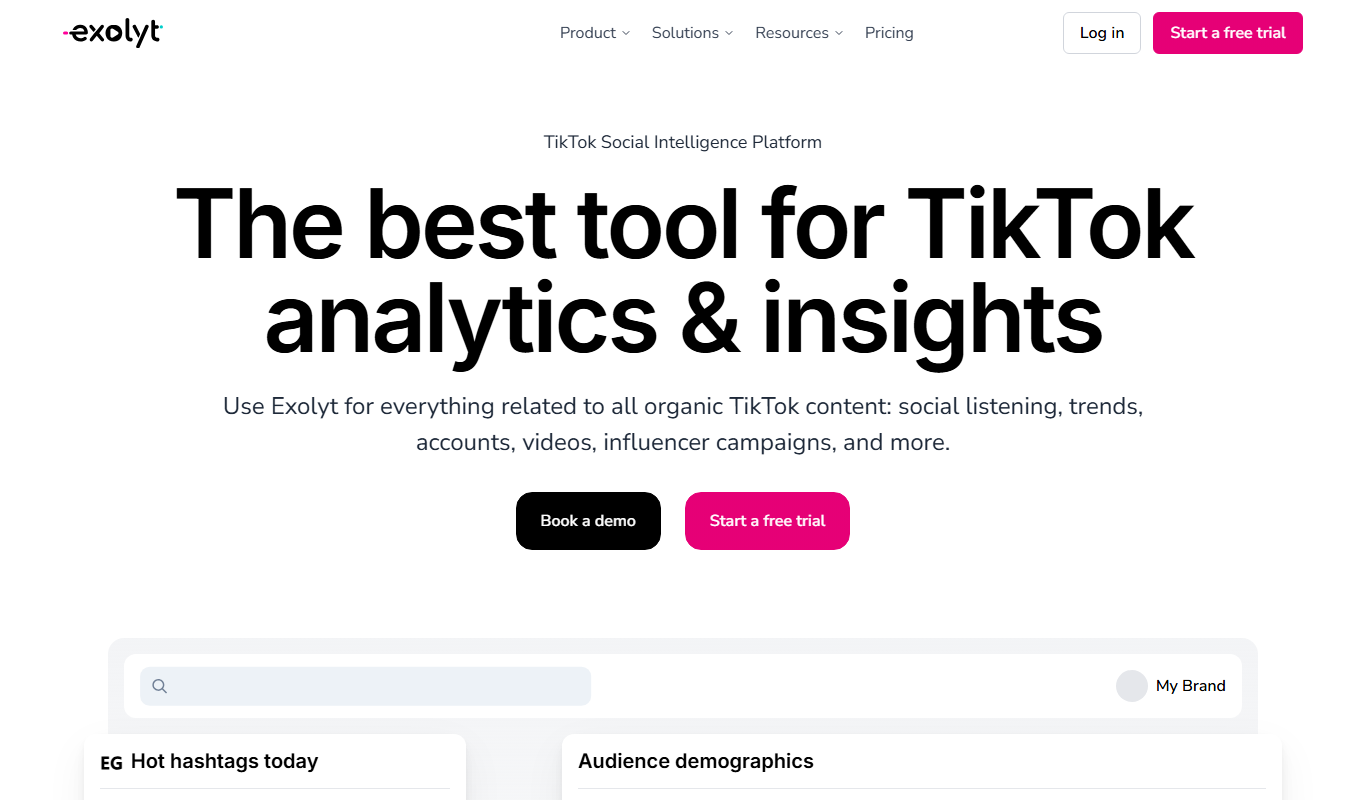
Exolyt
Exolyt is a TikTok analytics tool that helps marketers and influencers track video performance, analyze competitors, and monitor follower growth to optimize TikTok marketing strategies.