

From my experience with Sequel, I found it excels at bridging the gap between natural language and SQL, making database querying accessible to users without technical backgrounds. The intuitive interface and multi-database support streamline data analysis workflows effectively. However, the free plan limits query volume, which might restrict casual users. Overall, if you need to generate SQL queries quickly without writing code, Sequel offers a practical and user-friendly solution.
Sequel AI SQL Generator for Database Queries and Data Analysis
Sequel is an AI tool that transforms natural language questions into SQL queries, enabling users to interact with databases without needing SQL expertise.
- Best for
- SQL Query Generation
- Key capability
- Natural Language Processing
Your actions
Save Sequel, follow its updates and vote on it — everything stays in your account.
Sign in or create a free account
What is Sequel?
Sequel is an AI-powered SQL query generator that converts natural language questions into accurate SQL commands. It helps users interact with databases without deep SQL knowledge by translating plain English prompts into executable queries. This tool is designed to streamline data analysis, reporting, and database management tasks.
Key features of Sequel
Sequel offers natural language to SQL conversion, supports multiple database types, provides query optimization suggestions, and features an intuitive web interface for easy interaction with your data.
Natural Language Processing
Transforms everyday language into precise SQL queries.
Multi-Database Support
Compatible with popular databases like MySQL, PostgreSQL, and others.
Query Optimization
Suggests improvements to enhance query performance.
User-Friendly Interface
Clean, intuitive web app designed for both technical and non-technical users.
Pros and cons of Sequel
Pros
- Simplifies SQL query creation for non-technical users
- Supports multiple popular databases
- Offers query optimization suggestions
- Intuitive and clean user interface
Cons
- Limited free plan query volume
- Currently supports only English language
Key use cases for Sequel
SQL Query Generation
Automatically generate SQL queries from natural language prompts to simplify database querying.
Data Analysis
Analyze and extract insights from databases without needing advanced SQL skills.
Business Intelligence
Enable business users to interact with data directly by translating questions into SQL queries.
Database Management
Assist developers and analysts in writing complex queries faster and with fewer errors.
How Sequel works
- 1
Connect Your Database
Securely link your database to Sequel to enable query generation.
- 2
Enter Natural Language Query
Type your question or data request in plain English.
- 3
Generate SQL Query
Sequel’s AI converts your input into an optimized SQL query.
- 4
Review and Execute
Review the generated SQL, make adjustments if needed, and run it against your database.
Who is using Sequel
Data analysts
Business intelligence professionals
Developers
Small to medium businesses
Marketing teams
Sequel pricing
Free
$0/month
Basic access with limited queries and features.
Pro
$29/month
Unlimited queries, advanced features, and priority support.
Plans and prices are as published by the vendor and can change. Check the official site before you buy. Open the pricing page (opens in a new tab)
Frequently asked questions about Sequel
Sequel supports popular databases including MySQL, PostgreSQL, and others via standard connectors.
No, Sequel is designed to let you generate SQL queries using natural language without prior SQL experience.
Yes, Sequel uses secure connections and does not store your data beyond query processing.
It depends on your specific needs and how you plan to use the tool. The official website and documentation are the best sources for the latest details.
Data handling and security practices vary by provider. Review the official privacy policy to understand how your data is stored and used.
It depends on your specific needs and how you plan to use the tool. The official website and documentation are the best sources for the latest details.
Sign in to review this tool.
Sign In to ReviewNo reviews yet
Be the first to share how this tool worked for you.
Ask about pricing, limits, or how it compares — or answer someone else.
Sign In to AskNo questions yet
Have a question about using or paying for this tool? Be the first to ask.
Featured on TiorAI



More AI Ai Tools tools
Other tools in the same category, for when this one is not quite the fit.
Freemium
Debatia
Debatia is an AI-driven platform that facilitates structured debates by generating balanced arguments and providing feedback to improve critical thinking and communication skills.

Free
Presentify.ai
Presentify.ai is an AI-driven presentation software that helps users create professional slide decks quickly by generating content and optimizing design automatically.
Freemium
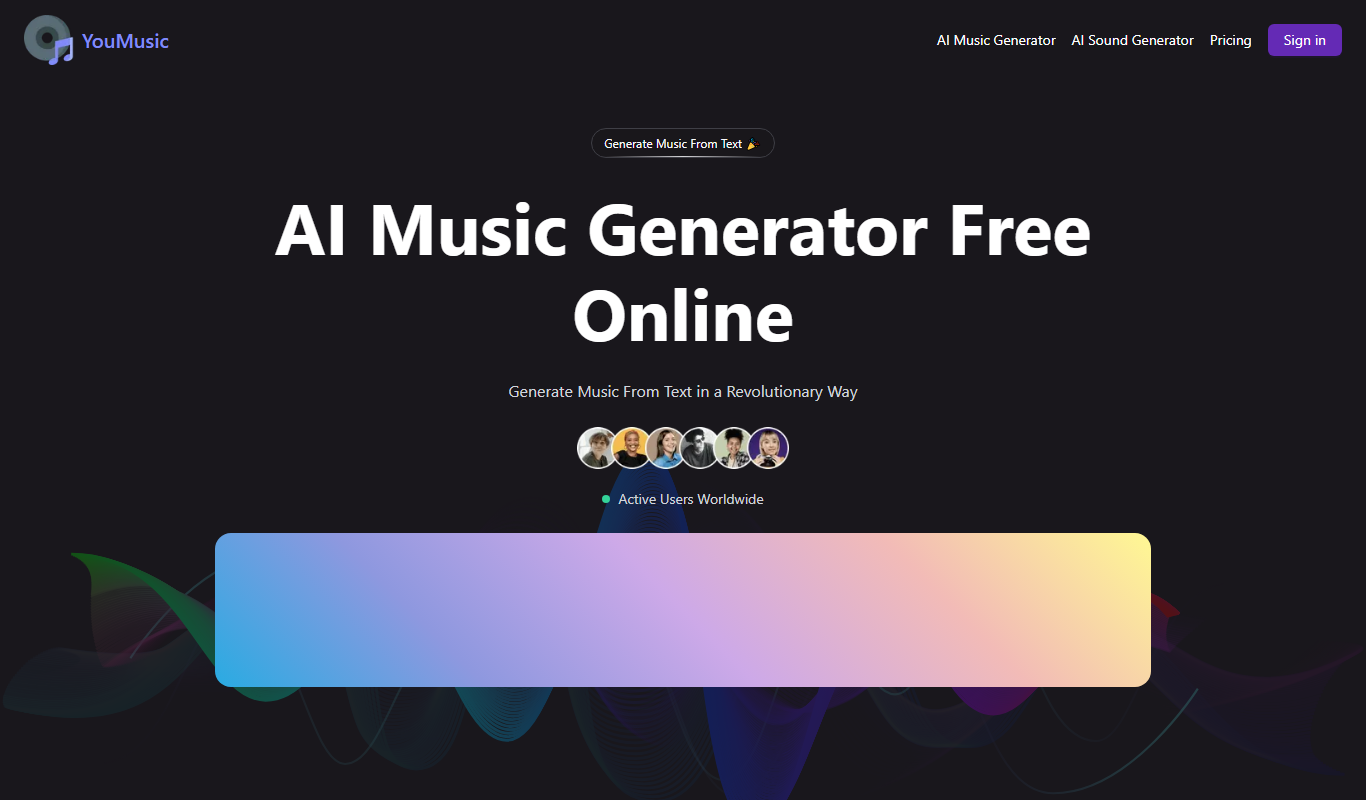
YouMusic.AI
YouMusic.AI turns text prompts or your own lyrics into complete songs, with free credits for new users and commercial rights on paid plans.

Free Trial
Wizard of Swipe for Tinder
Wizard of Swipe for Tinder is an AI-powered automation tool that automates swiping on Tinder based on user preferences to increase match chances and save time.

Free
AI Pickup Lines
AI Pickup Lines is a free web tool that instantly generates creative and humorous pickup lines to help users start conversations in dating or social settings.

Freemium
Anthropics Technology Ltd
Anthropics Technology Ltd offers AI-driven image editing software specializing in portrait retouching and photo enhancement, available for Windows and Mac with options for batch processing.
Contact for pricing
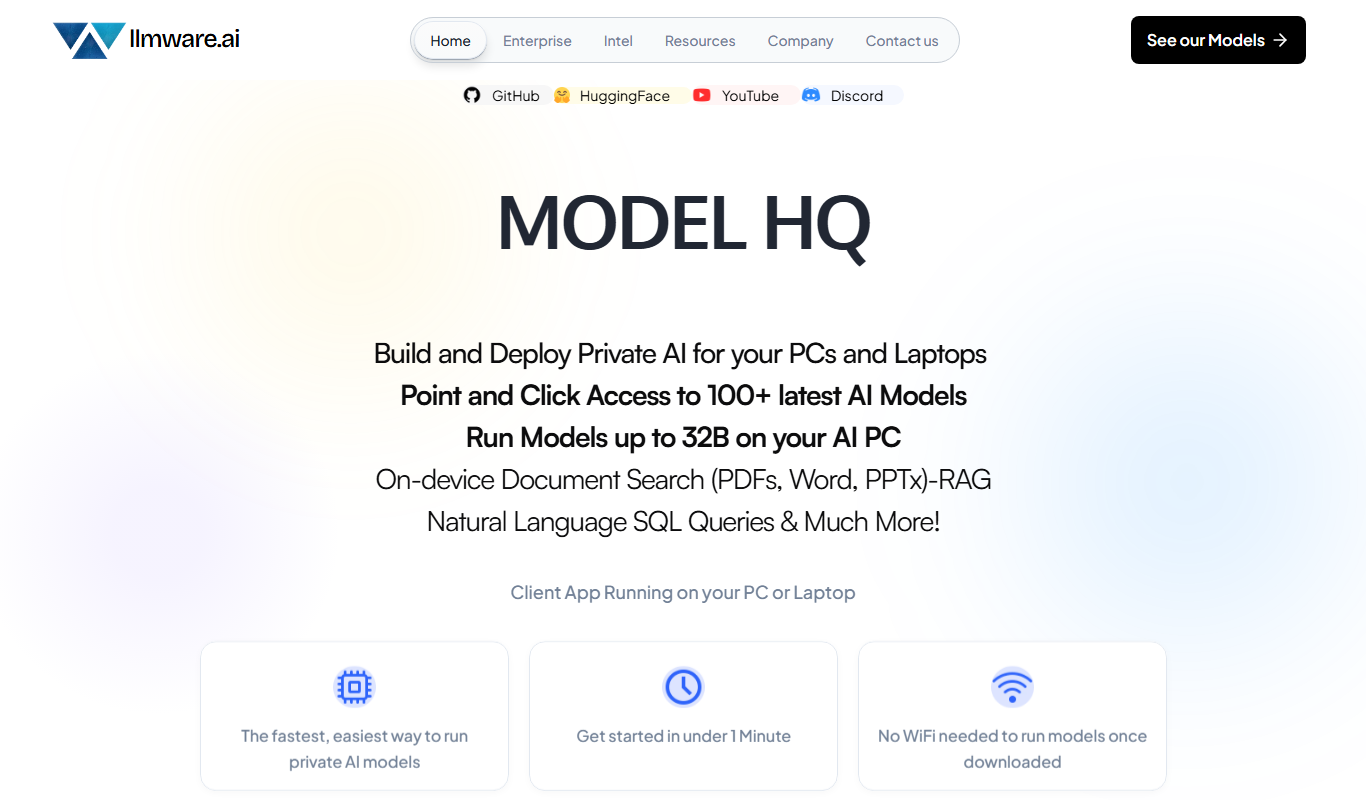
LLMWare
LLMWare is an AI platform that enables enterprises to deploy, manage, and scale large language models securely with flexible infrastructure and integration options.
Free
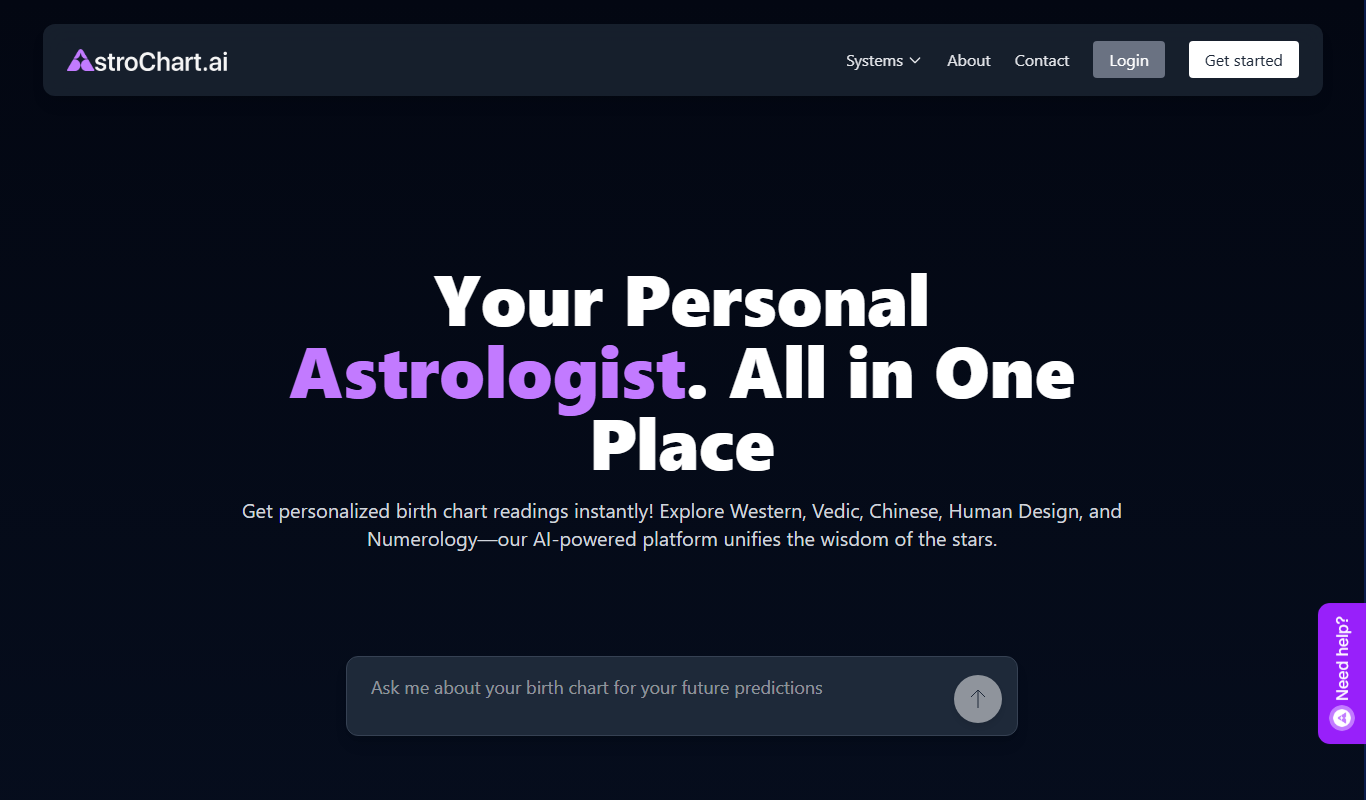
AstroChart.ai
AstroChart.ai is an AI-driven platform that creates personalized astrology birth charts and detailed interpretations based on your birth data, helping users understand their astrological profile easily online.