

From my experience with Seeing Machines, I found their driver monitoring technology excels at accurately detecting driver fatigue and distraction in real time, which is critical for improving fleet safety. The system’s integration capabilities and detailed analytics make it a valuable tool for fleet managers focused on compliance and risk reduction. However, the need for hardware installation and custom pricing may pose challenges for smaller operators. Overall, if you manage commercial fleets and prioritize driver safety, Seeing Machines offers a robust, data-driven solution that can significantly reduce accident risks.
Seeing Machines Driver Monitoring AI Solutions for Fleet Safety and Compliance
Seeing Machines provides AI-driven driver monitoring technology that detects fatigue and distraction in commercial vehicle drivers to improve safety and compliance.
- Best for
- Fleet Driver Safety Monitoring
- Key capability
- Fatigue and Distraction Detection

Do you recommend this tool?
What is Seeing Machines?
Seeing Machines is a technology company specializing in AI-powered driver monitoring systems designed to enhance safety and compliance in commercial vehicle fleets. Their solutions use computer vision and machine learning to track driver attention, fatigue, and distraction in real time, alerting drivers and fleet managers to risky behaviors. The technology integrates hardware cameras with cloud-based analytics and APIs to provide actionable insights that reduce accidents and improve operational efficiency.
Key features of Seeing Machines
Seeing Machines offers advanced driver monitoring features including fatigue and distraction detection, real-time alerts, driver identity verification, behavior analytics, and integration capabilities with fleet management systems. Their platform supports continuous monitoring and reporting to help fleets maintain safety standards and regulatory compliance.
Fatigue and Distraction Detection
AI algorithms analyze facial cues to detect drowsiness and inattention.
Real-Time Driver Alerts
Immediate warnings help drivers correct unsafe behaviors before incidents occur.
Driver Identity Verification
Ensures the correct driver is operating the vehicle for security and compliance.
Behavior Analytics Dashboard
Fleet managers access detailed insights on driver performance and risk trends.
API Integration
Seamlessly connects with existing fleet management and telematics systems.
Pros and cons of Seeing Machines
Pros
- Highly accurate fatigue and distraction detection
- Real-time alerts improve immediate driver safety
- Comprehensive analytics for fleet risk management
- Supports regulatory compliance requirements
- Scalable for fleets of various sizes
Cons
- Pricing details are not publicly disclosed
- Requires hardware installation in vehicles
- Primarily focused on commercial fleets, less suited for personal vehicles
Key use cases for Seeing Machines
Fleet Driver Safety Monitoring
Real-time monitoring of driver attention and fatigue to reduce accidents and improve road safety.
Regulatory Compliance
Helps commercial fleets comply with safety regulations by providing driver behavior data and alerts.
Insurance Risk Management
Provides data-driven insights to insurers for risk assessment and claims management.
Driver Coaching and Training
Enables fleet managers to identify risky driving behaviors and provide targeted coaching.
Automotive and Transportation Research
Supports research and development in driver behavior and human-machine interaction.
How Seeing Machines works
- 1
Install Hardware
Cameras and sensors are installed in vehicles to capture driver facial and behavioral data.
- 2
Data Processing
Captured data is processed locally and/or sent to the cloud for AI analysis.
- 3
Driver Monitoring
The system continuously monitors driver attention, fatigue, and distraction levels.
- 4
Alerts and Reporting
Real-time alerts are sent to drivers and fleet managers; detailed reports are generated for review.
Who is using Seeing Machines
Commercial fleet operators
Transportation safety managers
Insurance companies
Logistics and delivery companies
Automotive researchers
Seeing Machines pricing
Custom Pricing
Contact for quote
Pricing tailored based on fleet size, hardware needs, and service level.
Plans and prices are as published by the vendor and can change. Check the official site before you buy. Open the pricing page (opens in a new tab)
Frequently asked questions about Seeing Machines
Seeing Machines solutions are designed for commercial vehicles including trucks, buses, and heavy machinery.
Yes, the hardware and AI algorithms are optimized to function effectively in various lighting conditions.
Data is processed securely with compliance to privacy regulations; only authorized personnel access sensitive information.
Yes, Seeing Machines offers APIs to integrate with many third-party fleet and telematics platforms.
It depends on your specific needs and how you plan to use the tool. The official website and documentation are the best sources for the latest details.
Integration support depends on the tool and its available connectors or API. Check the official documentation or integrations page to confirm what is supported.
It depends on your specific needs and how you plan to use the tool. The official website and documentation are the best sources for the latest details.
Sign in to review this tool.
Sign In to ReviewNo reviews yet
Be the first to share how this tool worked for you.
Ask about pricing, limits, or how it compares — or answer someone else.
Sign In to AskNo questions yet
Have a question about using or paying for this tool? Be the first to ask.
Featured on TiorAI



Alternative Tools
Explore similar AI tools that might fit your needs

Custom Pricing
Nauto
Nauto is an AI-driven fleet safety platform that uses in-vehicle cameras and sensors to monitor driver behavior and road conditions in real-time, providing alerts and coaching to reduce accidents and improve fleet safety.
Custom Pricing
SmartDrive Systems
SmartDrive Systems is an AI-driven video telematics platform that uses AI to monitor driver behavior, detect risky events, and provide actionable insights to improve fleet safety and operational efficiency.

Custom Pricing
Lytx
Lytx provides AI-driven video telematics and fleet management solutions that improve driver safety by detecting risky behaviors, enabling real-time alerts, and supporting driver coaching to reduce accidents and operational costs.
More AI Analytics Assistant tools
Other tools in the same category, for when this one is not quite the fit.

Custom Pricing
Veraset
Veraset provides privacy-compliant, high-quality location data via API and web platform to support marketing, retail, and urban planning analytics.
Custom Pricing
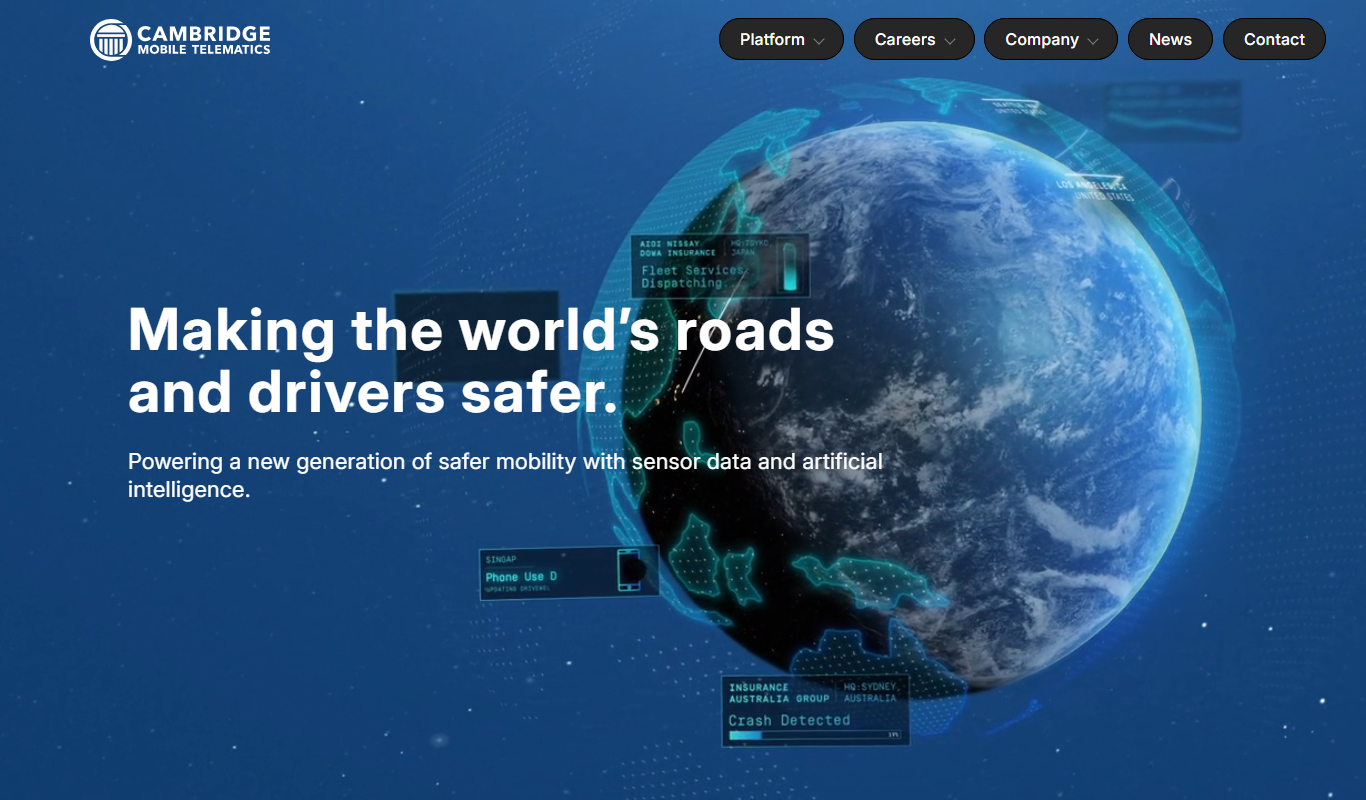
Cambridge Mobile Telematics
Cambridge Mobile Telematics provides a mobile telematics platform that uses smartphone sensors and AI to analyze driver behavior, enabling insurers and fleet managers to assess risk, improve safety, and reduce accidents.
Free
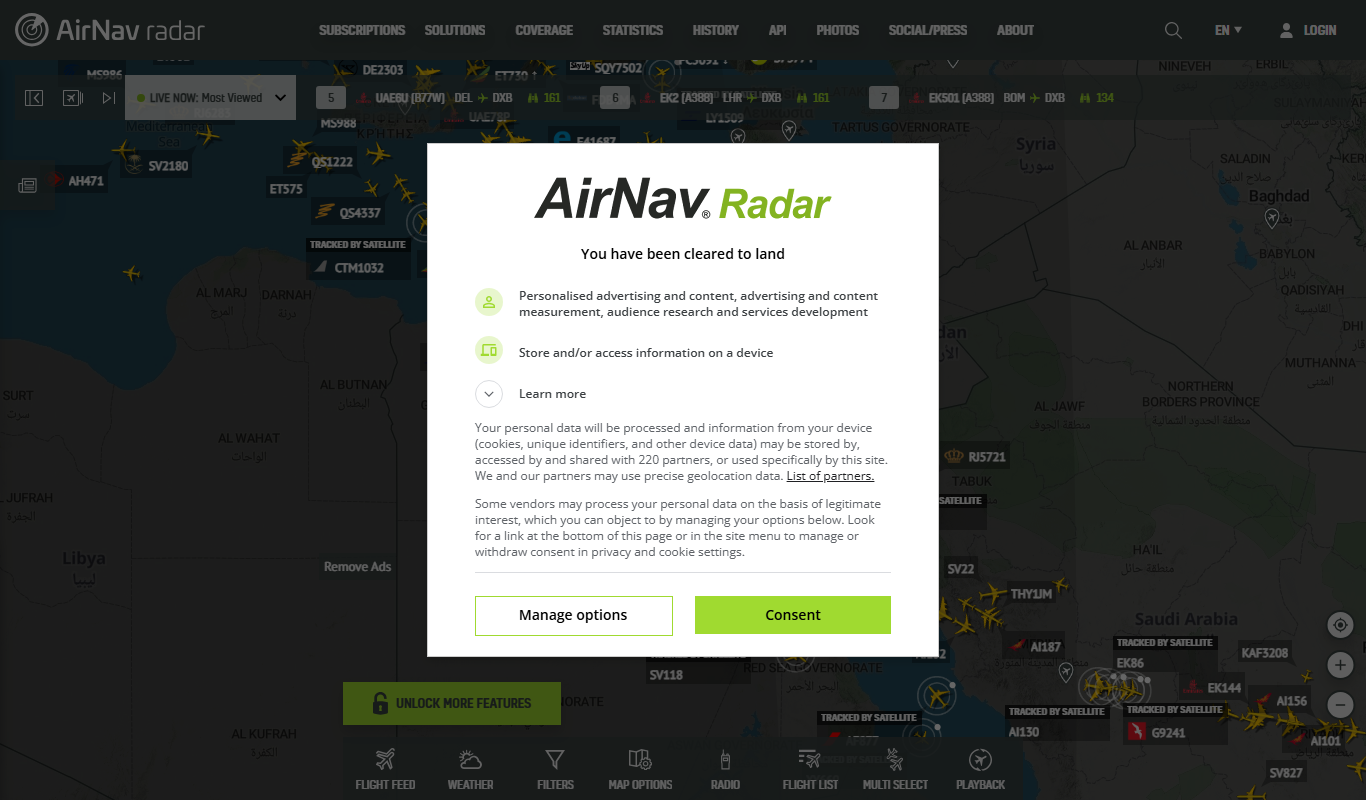
RadarBox
RadarBox is a real-time flight tracking platform offering live aircraft positions, flight history, and aviation data accessible via web and mobile apps.

Free
DeFiChain
DeFiChain is a blockchain platform focused on decentralized finance, enabling fast, secure, and low-cost DeFi applications integrated with Bitcoin.
Custom Pricing
Liquidnet
Liquidnet is a global institutional trading platform that connects asset managers and brokers to execute large block equity trades anonymously via a dark pool, providing liquidity and advanced analytics to optimize trade execution.

Free
Yearn Finance
Yearn Finance is a decentralized finance platform that automates yield farming strategies using smart contracts to maximize returns on Ethereum-based crypto assets.
Free
Stock Rover
Stock Rover is an investment research platform that provides advanced stock screening, portfolio analytics, and comprehensive financial data to help investors analyze and manage their investments effectively.
Free
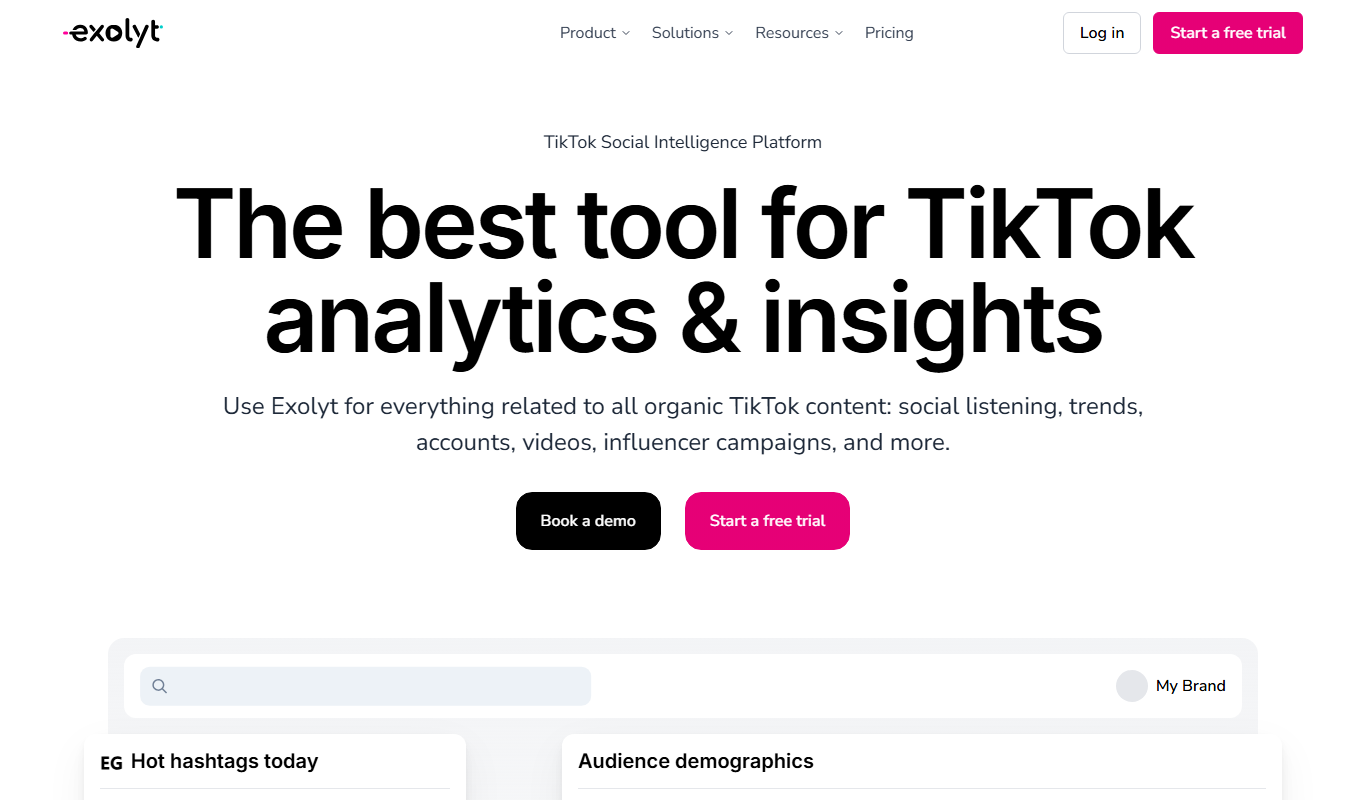
Exolyt
Exolyt is a TikTok analytics tool that helps marketers and influencers track video performance, analyze competitors, and monitor follower growth to optimize TikTok marketing strategies.