

From my experience with Secoda AI, I found it excels at simplifying data discovery and governance for modern data teams. The platform’s intuitive data lineage visualization and collaborative documentation features make understanding complex data ecosystems much easier. After spending time with Secoda AI, I can say it’s particularly well-suited for data engineers, analysts, and governance teams who need a centralized, user-friendly catalog. However, a trade-off is that pricing details for advanced plans are not transparent and require contacting sales, which may slow decision-making. Overall, if you need a streamlined data catalog with strong collaboration and governance capabilities, Secoda AI delivers solid results.
Secoda AI Data Catalog Platform for Modern Data Teams and Governance
Secoda AI is a data catalog platform that centralizes metadata, visualizes data lineage, and supports collaboration and governance for data teams.
- Best for
- Data Discovery
- Key capability
- Automated Metadata Ingestion
Your actions
Save Secoda AI, follow its updates and vote on it — everything stays in your account.
Sign in or create a free account
What is Secoda AI?
Secoda AI is a modern data catalog platform designed to help data teams discover, understand, and govern their data assets efficiently. It centralizes metadata from various data sources, enabling better collaboration, data governance, and compliance. By providing a unified view of data lineage, documentation, and usage, Secoda AI empowers organizations to make data-driven decisions with confidence.
Key features of Secoda AI
Secoda AI offers features such as automated metadata ingestion, data lineage visualization, collaborative documentation, powerful search capabilities, and integration with popular data tools. These features streamline data discovery and governance workflows for data engineers, analysts, and data scientists.
Automated Metadata Ingestion
Automatically pulls metadata from various data sources to keep the catalog up to date.
Data Lineage Visualization
Displays the flow and transformation of data across systems for transparency.
Collaborative Documentation
Allows teams to annotate and document datasets directly within the platform.
Advanced Search
Enables users to quickly locate datasets using keywords, filters, and tags.
Access and Usage Monitoring
Helps enforce data governance by tracking who accesses data and how it is used.
Pros and cons of Secoda AI
Pros
- Easy integration with multiple data sources
- Intuitive data lineage visualization
- Supports team collaboration and documentation
- Free plan available for small teams
- Improves data governance and compliance
Cons
- Pricing details for Pro plan require contacting sales
- Limited platform availability (web only)
- No disclosed mobile app support
Key use cases for Secoda AI
Data Discovery
Helps data teams quickly find and understand datasets across multiple sources.
Metadata Management
Centralizes metadata to improve data quality and governance.
Data Governance
Supports compliance and data policies by tracking data lineage and access.
Collaboration
Enables teams to annotate, document, and share insights about data assets.
Data Lineage Visualization
Visualizes data flow and transformations to improve transparency and trust.
How Secoda AI works
- 1
Connect Data Sources
Integrate Secoda AI with your data warehouses, databases, and BI tools to ingest metadata automatically.
- 2
Catalog and Organize Data
Secoda AI indexes and organizes datasets, tables, and columns with rich metadata and lineage information.
- 3
Collaborate and Document
Teams can add annotations, comments, and documentation to data assets to improve understanding.
- 4
Search and Discover
Use powerful search and filtering to quickly find relevant data for analysis or reporting.
- 5
Govern and Monitor
Track data usage, lineage, and access to ensure compliance with governance policies.
Who is using Secoda AI
Data engineers
Data analysts
Data scientists
Data governance teams
Business intelligence teams
Secoda AI pricing
Free
$0/month
Basic data catalog features with limited integrations and users.
Pro
Contact for pricing
Advanced features, unlimited integrations, enhanced support, and governance tools.
Plans and prices are as published by the vendor and can change. Check the official site before you buy. Open the pricing page (opens in a new tab)
Frequently asked questions about Secoda AI
Secoda AI supports popular data warehouses, databases, and BI tools including Snowflake, BigQuery, Redshift, and more.
Yes, Secoda AI offers a free plan with basic features suitable for small teams.
It provides data lineage, access monitoring, and metadata management to support compliance and governance policies.
Yes, users can add annotations, comments, and documentation to datasets to facilitate collaboration.
This tool is designed to help users accomplish its core tasks more efficiently. It is typically used by individuals or teams looking to improve productivity and workflow.
Data handling and security practices vary by provider. Review the official privacy policy to understand how your data is stored and used.
Some tools offer a free plan or trial with limited features. Availability can vary, so confirm on the official website.
Data handling and security practices vary by provider. Review the official privacy policy to understand how your data is stored and used.
Sign in to review this tool.
Sign In to ReviewNo reviews yet
Be the first to share how this tool worked for you.
Ask about pricing, limits, or how it compares — or answer someone else.
Sign In to AskNo questions yet
Have a question about using or paying for this tool? Be the first to ask.
Featured on TiorAI



Alternative Tools
Explore similar AI tools that might fit your needs

Custom Pricing
Alation
Alation is an enterprise data catalog platform that centralizes metadata, enabling data discovery, governance, and collaboration to improve analytics and compliance.

Enterprise
Collibra
Collibra is a cloud-based data governance platform, now presented as an Enterprise AI Control Plane, that helps enterprises manage data quality, compliance and collaboration through a centralized data catalog.
Free
DataHub
DataHub is an open-source metadata platform that helps organizations discover, manage, and govern their data assets by providing a centralized catalog with rich metadata, lineage visualization, and access controls.
More AI Website Builder tools
Other tools in the same category, for when this one is not quite the fit.

Freemium
newroom.io
newroom.io is an AI-powered content collaboration platform designed to help teams and agencies co-create, manage, and optimize content workflows efficiently.
Free Trial
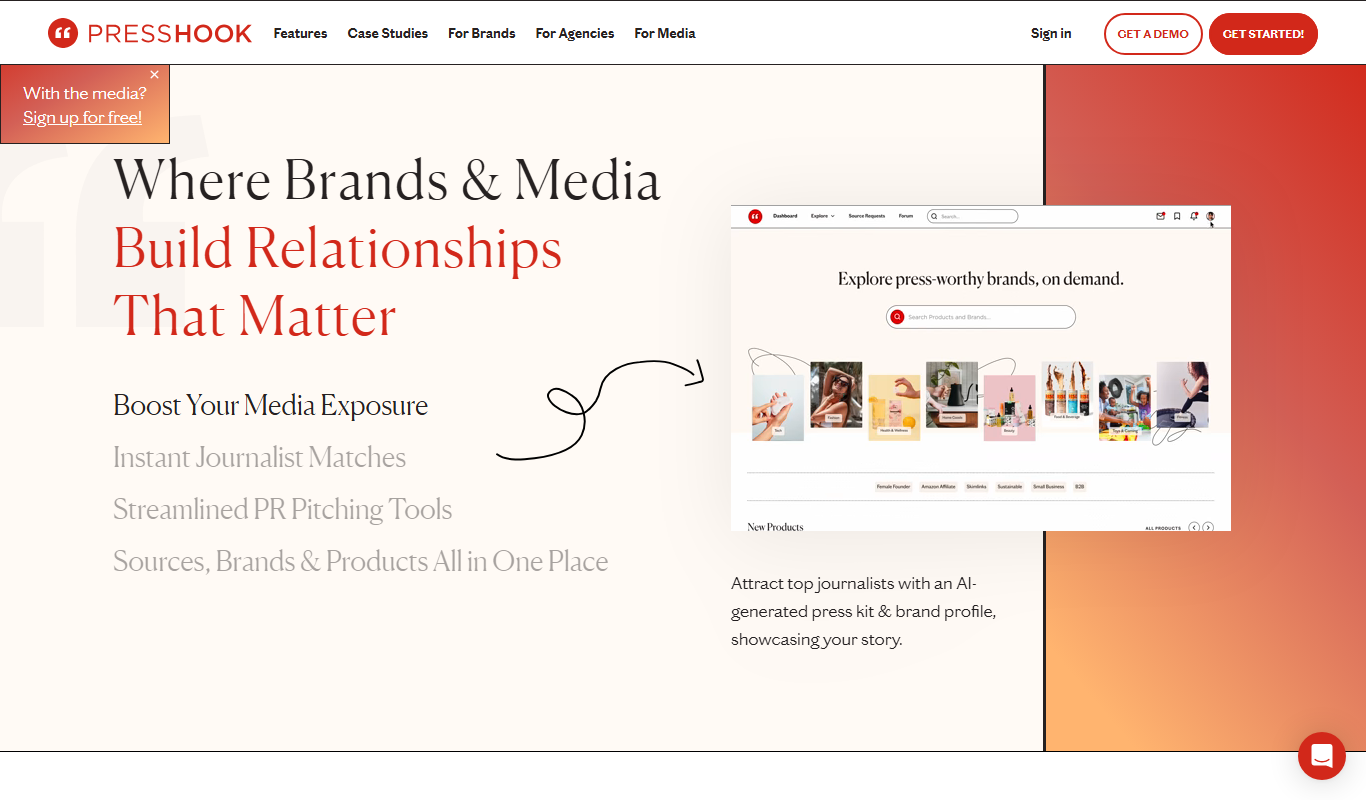
Press Hook
Press Hook is a public relations platform that helps brands and PR professionals connect with journalists through a comprehensive media database, targeted outreach, and press release distribution tools.

Custom Pricing
Maintain-AI – Good Roads Cost Less
Maintain-AI is an AI-powered platform that automates road condition assessment and helps agencies plan and prioritize road maintenance efficiently.
Freemium
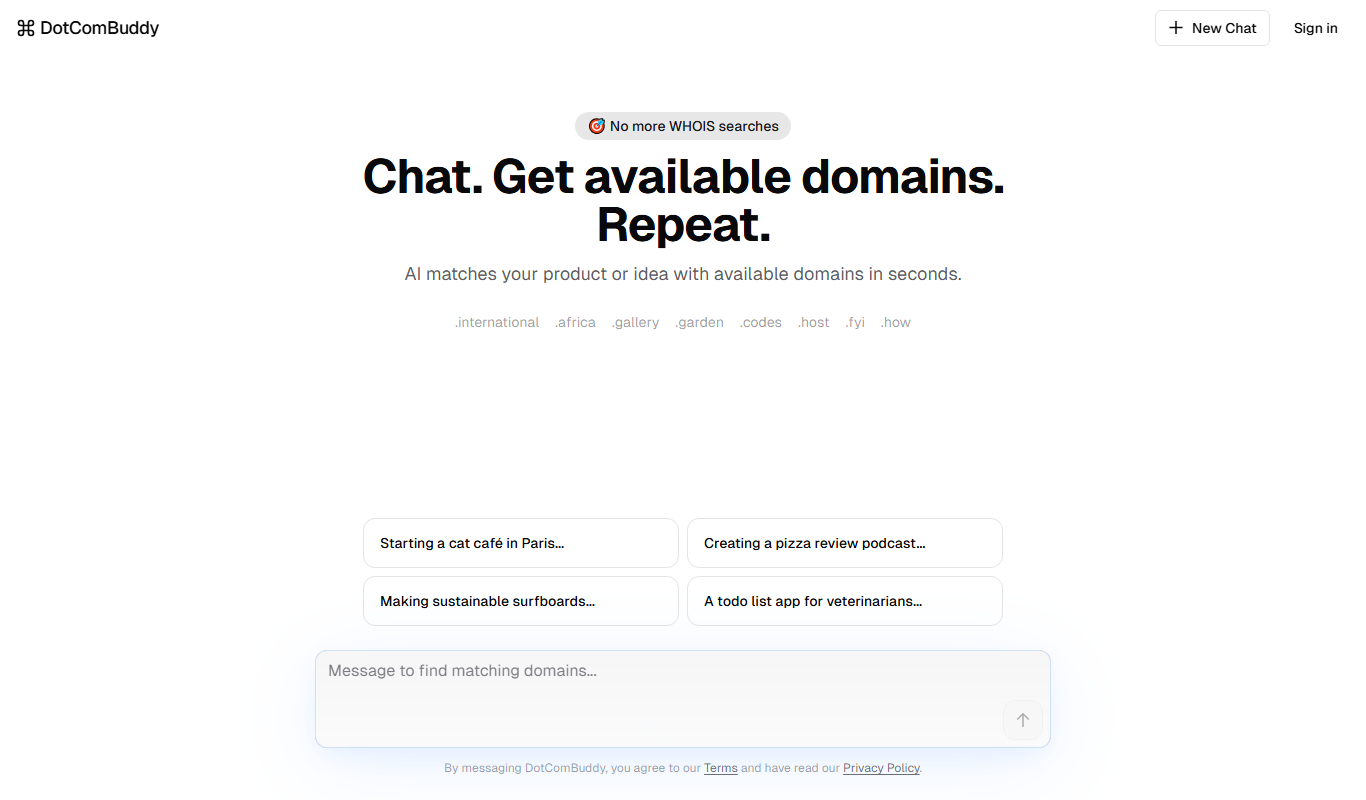
DotComBuddy
DotComBuddy is an affordable all-in-one website builder and hosting platform designed for small businesses and individuals to create professional websites without coding.
Free Trial
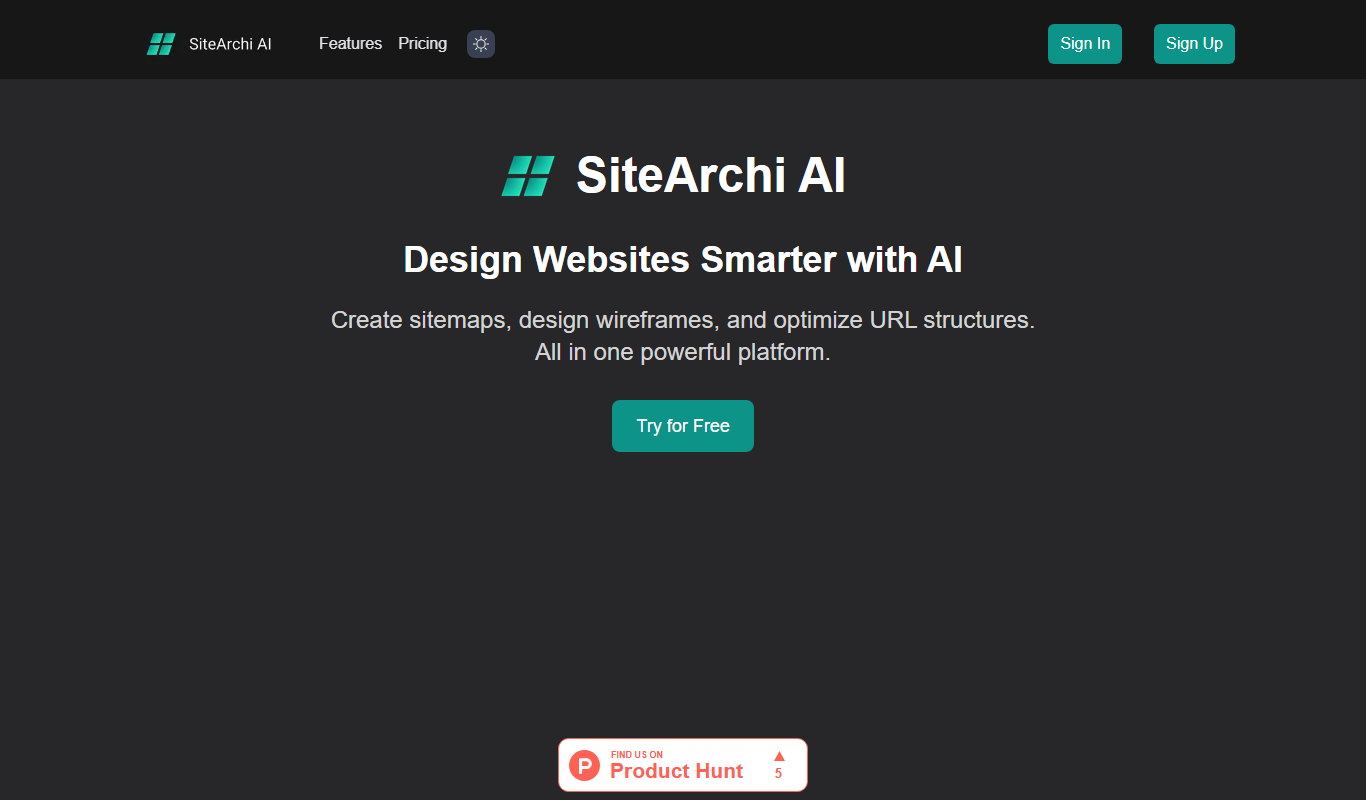
SiteArchi AI
SiteArchi AI is a web-based tool that uses artificial intelligence to create optimized website architectures, improving SEO and user experience through automated site map generation and visual planning.

Free Trial
Limecube AI Website Builder
Limecube AI Website Builder is a web platform that uses artificial intelligence to help users create customized, responsive websites quickly without coding, featuring drag-and-drop editing, SEO tools, and integrated hosting.

Freemium
PrograSEO
PrograSEO is an SEO automation platform designed for developers, providing automated audits, keyword research, backlink monitoring, and reporting to integrate SEO into programming workflows.
Free
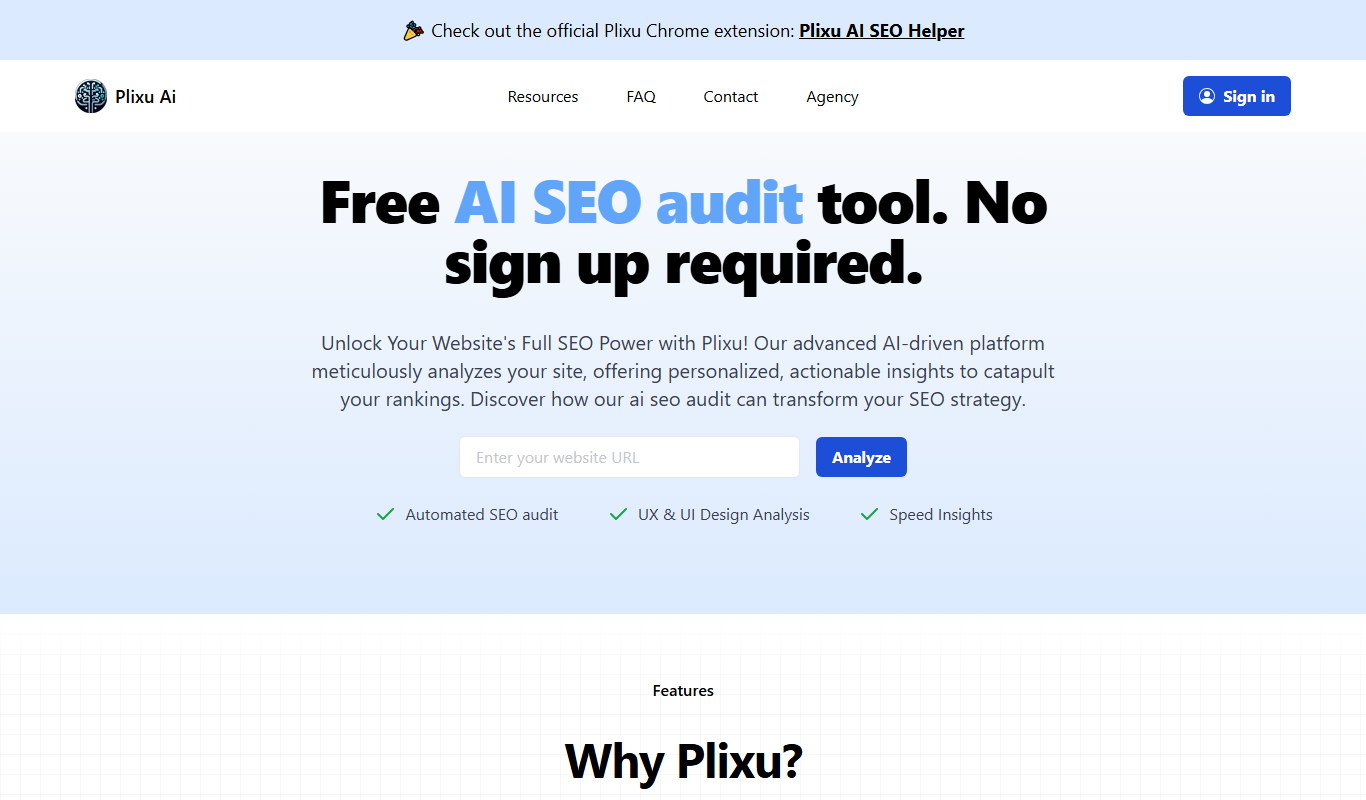
Plixu.com
Plixu is an AI chatbot platform that helps businesses automate customer support and engagement through customizable chatbots with natural language processing and easy integration.