

From my experience with Salesforce Sustainability Cloud, I found it excels at providing a comprehensive and integrated platform for corporate carbon tracking and ESG reporting. The seamless connection with Salesforce CRM and the ability to automate complex emissions calculations make it particularly well-suited for large enterprises aiming to embed sustainability into their operations. However, the platform’s pricing model requires direct consultation and may be less accessible for smaller businesses. Overall, if your organization needs robust sustainability data management combined with powerful reporting aligned to global standards, this tool delivers reliable and actionable insights.
Salesforce Sustainability Cloud for Corporate Carbon Tracking and Reporting
Salesforce Sustainability Cloud is a platform that enables companies to measure, analyze, and report their carbon emissions and sustainability metrics, integrating data from multiple sources to support ESG goals and compliance.
- Best for
- Carbon Emissions Tracking
- Key capability
- Automated Carbon Footprint Calculation
Your actions
Do you recommend this tool?
What is Sustainability Cloud?
Salesforce Sustainability Cloud is a cloud-based platform designed to help organizations measure, analyze, and report their environmental impact, particularly carbon emissions. It enables businesses to collect data from various sources, calculate their carbon footprint, and generate comprehensive sustainability reports aligned with global standards. The tool supports companies in managing their environmental, social, and governance (ESG) initiatives by providing actionable insights and facilitating transparent communication with stakeholders.
Key features of Sustainability Cloud
The platform offers features such as automated carbon accounting, customizable dashboards, data integration capabilities, compliance reporting, and goal tracking. It leverages Salesforce’s CRM infrastructure to integrate sustainability data with business operations, enabling organizations to embed environmental responsibility into their workflows.
Automated Carbon Footprint Calculation
Streamlines emissions measurement using verified calculation methods.
Customizable Dashboards
Enables tailored visualization of sustainability data for different user roles.
Integration with Salesforce CRM
Links sustainability data with customer and operational data for holistic insights.
Compliance Reporting
Supports generation of reports compliant with global sustainability standards.
Science-Based Target Tracking
Facilitates setting and monitoring of emissions reduction goals aligned with climate science.
Pros and cons of Sustainability Cloud
Pros
- Comprehensive carbon accounting with automated calculations
- Strong integration with Salesforce CRM ecosystem
- Supports multiple global sustainability reporting standards
- Customizable dashboards for diverse stakeholder needs
Cons
- Pricing is not transparent and requires direct consultation
- Primarily designed for medium to large enterprises, less accessible for small businesses
- Limited language support beyond English
Key use cases for Sustainability Cloud
Carbon Emissions Tracking
Monitor and measure your company’s carbon footprint across operations and supply chains to identify reduction opportunities.
Sustainability Reporting
Generate detailed environmental, social, and governance (ESG) reports compliant with global standards for stakeholders and regulators.
Data Integration and Visualization
Aggregate sustainability data from multiple sources and visualize it in customizable dashboards for real-time insights.
Goal Setting and Progress Monitoring
Set science-based targets for emissions reduction and track progress toward sustainability goals over time.
Stakeholder Engagement
Communicate sustainability performance transparently with investors, customers, and employees through accessible reporting tools.
How Sustainability Cloud works
- 1
Data Collection
Connect and import data from energy usage, transportation, supply chain, and other relevant sources.
- 2
Carbon Accounting
Automatically calculate greenhouse gas emissions using standardized methodologies.
- 3
Dashboard Visualization
Visualize emissions data and key sustainability metrics through interactive dashboards.
- 4
Reporting
Generate reports aligned with frameworks like GHG Protocol, CDP, and SASB for regulatory and stakeholder communication.
- 5
Goal Management
Set reduction targets and monitor progress with alerts and analytics.
Who is using Sustainability Cloud
Large enterprises with sustainability goals
Corporate sustainability officers
Environmental consultants
ESG reporting teams
Supply chain managers focused on carbon footprint
Sustainability Cloud pricing
Custom Pricing
Contact Salesforce for pricing
Pricing tailored based on company size, data complexity, and integration needs.
Plans and prices are as published by the vendor and can change. Check the official site before you buy. Open the pricing page (opens in a new tab)
Frequently asked questions about Sustainability Cloud
It tracks Scope 1, Scope 2, and Scope 3 greenhouse gas emissions across various business activities.
Yes, it supports frameworks such as the GHG Protocol, CDP, SASB, and TCFD.
Yes, it integrates with Salesforce CRM and can connect to external data sources via APIs.
Yes, the platform includes tools to help organizations set and track progress toward science-based emissions reduction targets.
It depends on your specific needs and how you plan to use the tool. The official website and documentation are the best sources for the latest details.
Yes, it can help with that use case depending on how you configure it and what features are available. You’ll get the best results with clear inputs and a defined goal.
Integration support depends on the tool and its available connectors or API. Check the official documentation or integrations page to confirm what is supported.
It depends on your specific needs and how you plan to use the tool. The official website and documentation are the best sources for the latest details.
Sign in to review this tool.
Sign In to ReviewNo reviews yet
Be the first to share how this tool worked for you.
Ask about pricing, limits, or how it compares — or answer someone else.
Sign In to AskNo questions yet
Have a question about using or paying for this tool? Be the first to ask.
Featured on TiorAI



More AI Analytics Assistant tools
Other tools in the same category, for when this one is not quite the fit.

Custom Pricing
Veraset
Veraset provides privacy-compliant, high-quality location data via API and web platform to support marketing, retail, and urban planning analytics.
Custom Pricing
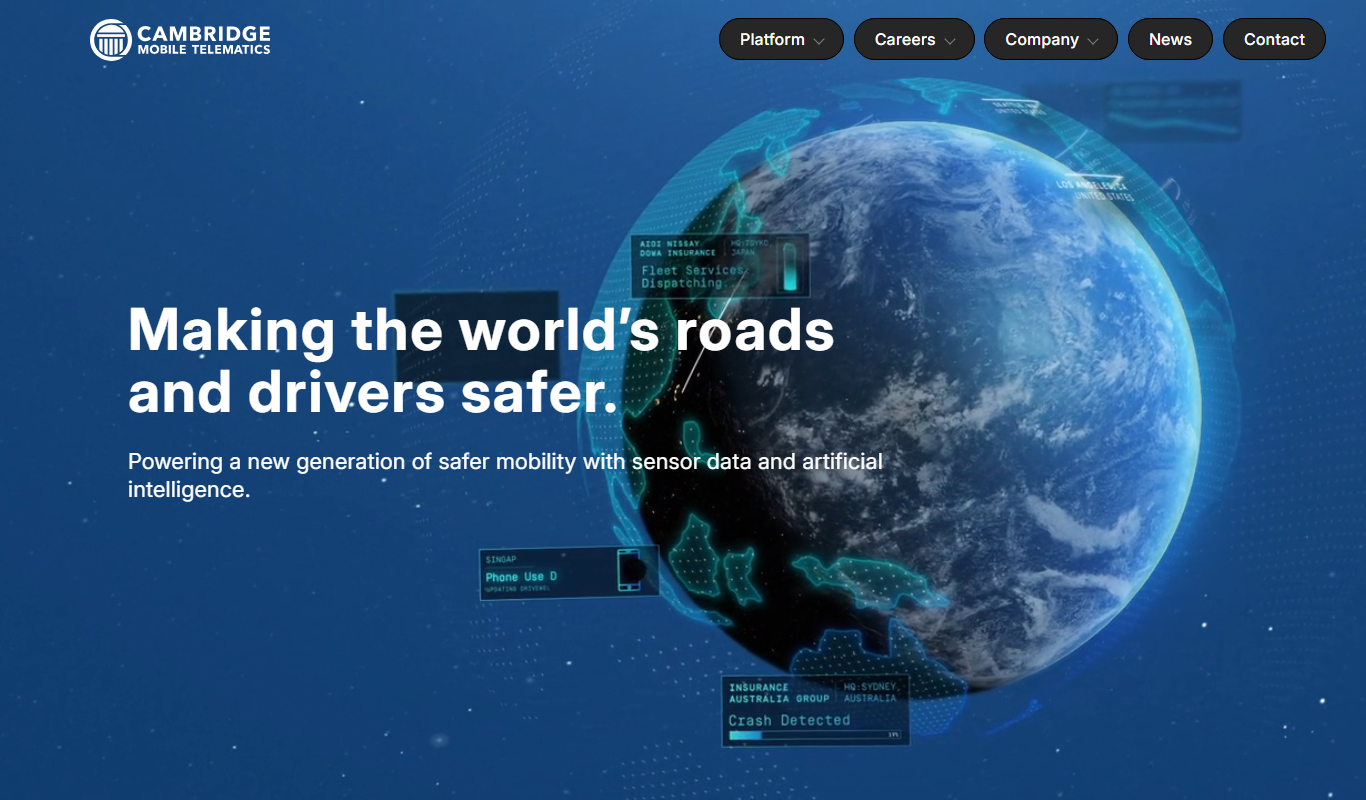
Cambridge Mobile Telematics
Cambridge Mobile Telematics provides a mobile telematics platform that uses smartphone sensors and AI to analyze driver behavior, enabling insurers and fleet managers to assess risk, improve safety, and reduce accidents.
Free
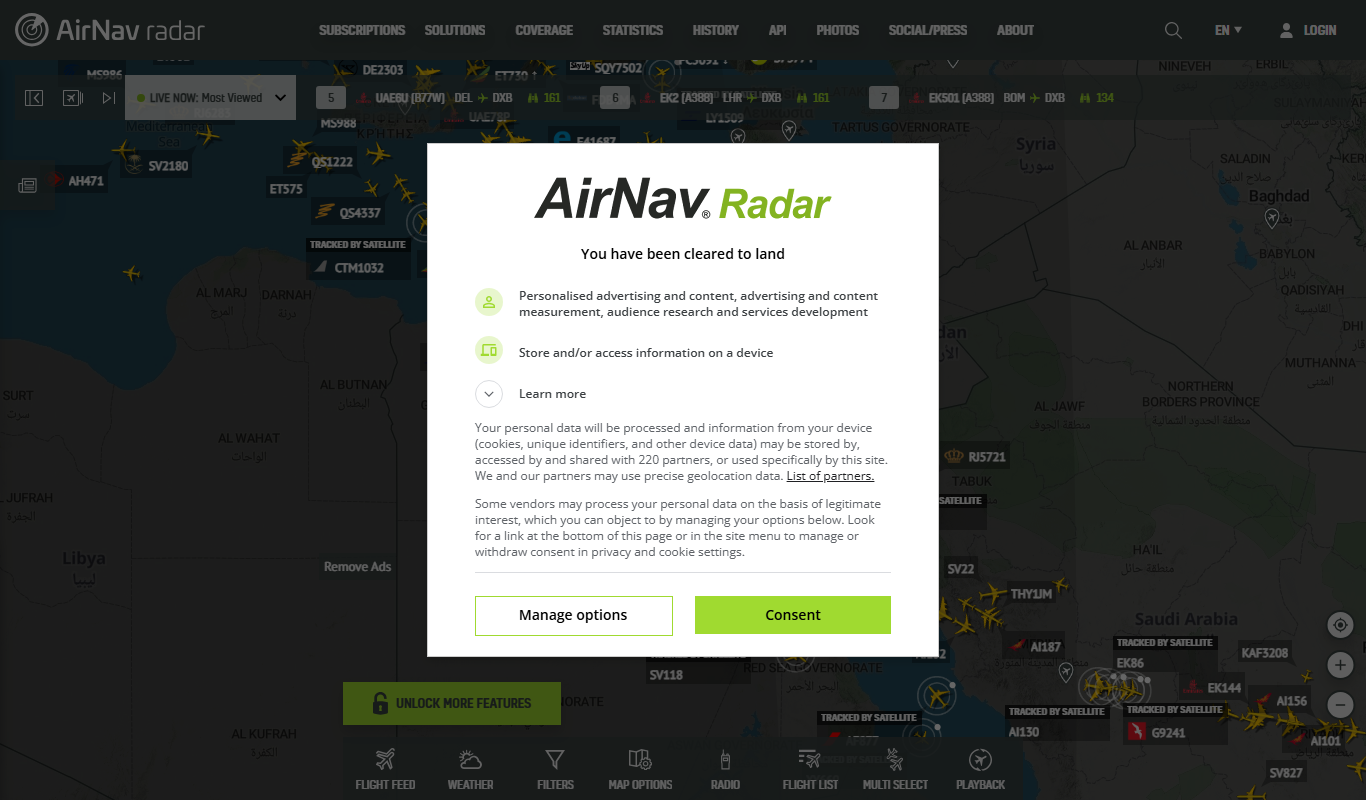
RadarBox
RadarBox is a real-time flight tracking platform offering live aircraft positions, flight history, and aviation data accessible via web and mobile apps.

Free
DeFiChain
DeFiChain is a blockchain platform focused on decentralized finance, enabling fast, secure, and low-cost DeFi applications integrated with Bitcoin.
Custom Pricing
Liquidnet
Liquidnet is a global institutional trading platform that connects asset managers and brokers to execute large block equity trades anonymously via a dark pool, providing liquidity and advanced analytics to optimize trade execution.

Free
Yearn Finance
Yearn Finance is a decentralized finance platform that automates yield farming strategies using smart contracts to maximize returns on Ethereum-based crypto assets.
Free
Stock Rover
Stock Rover is an investment research platform that provides advanced stock screening, portfolio analytics, and comprehensive financial data to help investors analyze and manage their investments effectively.
Free
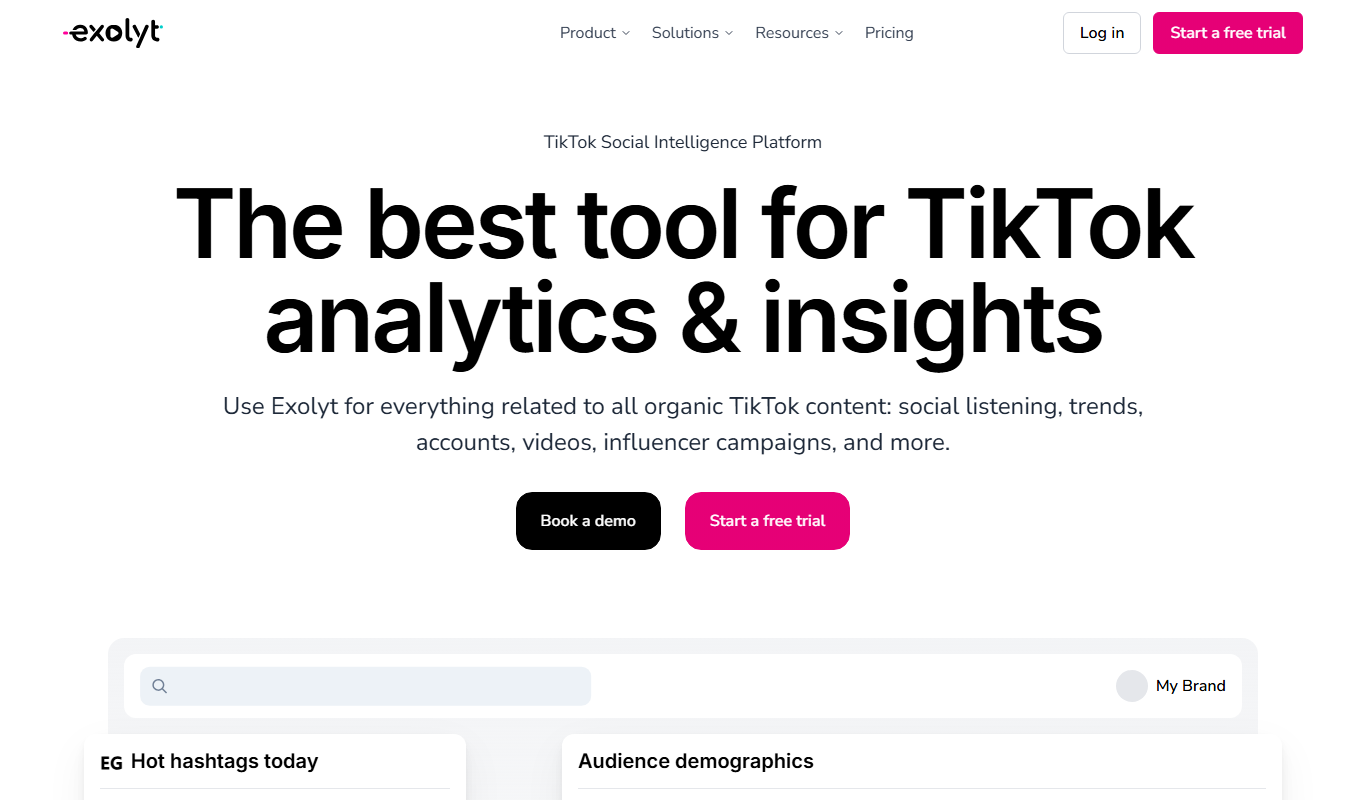
Exolyt
Exolyt is a TikTok analytics tool that helps marketers and influencers track video performance, analyze competitors, and monitor follower growth to optimize TikTok marketing strategies.