
From my experience with Retinello, I found it excels at automating visual regression testing with AI, significantly reducing false positives compared to traditional pixel-based methods. Its detailed annotated reports make it easier to identify and fix UI issues quickly. The platform is particularly well-suited for development and QA teams looking to integrate visual testing into their CI/CD pipelines. However, the need to contact sales for pricing details may slow down evaluation for some users. Overall, Retinello delivers reliable and intelligent visual quality assurance for software projects.
Retinello AI Image Quality Analysis Tool for Automated Visual Testing
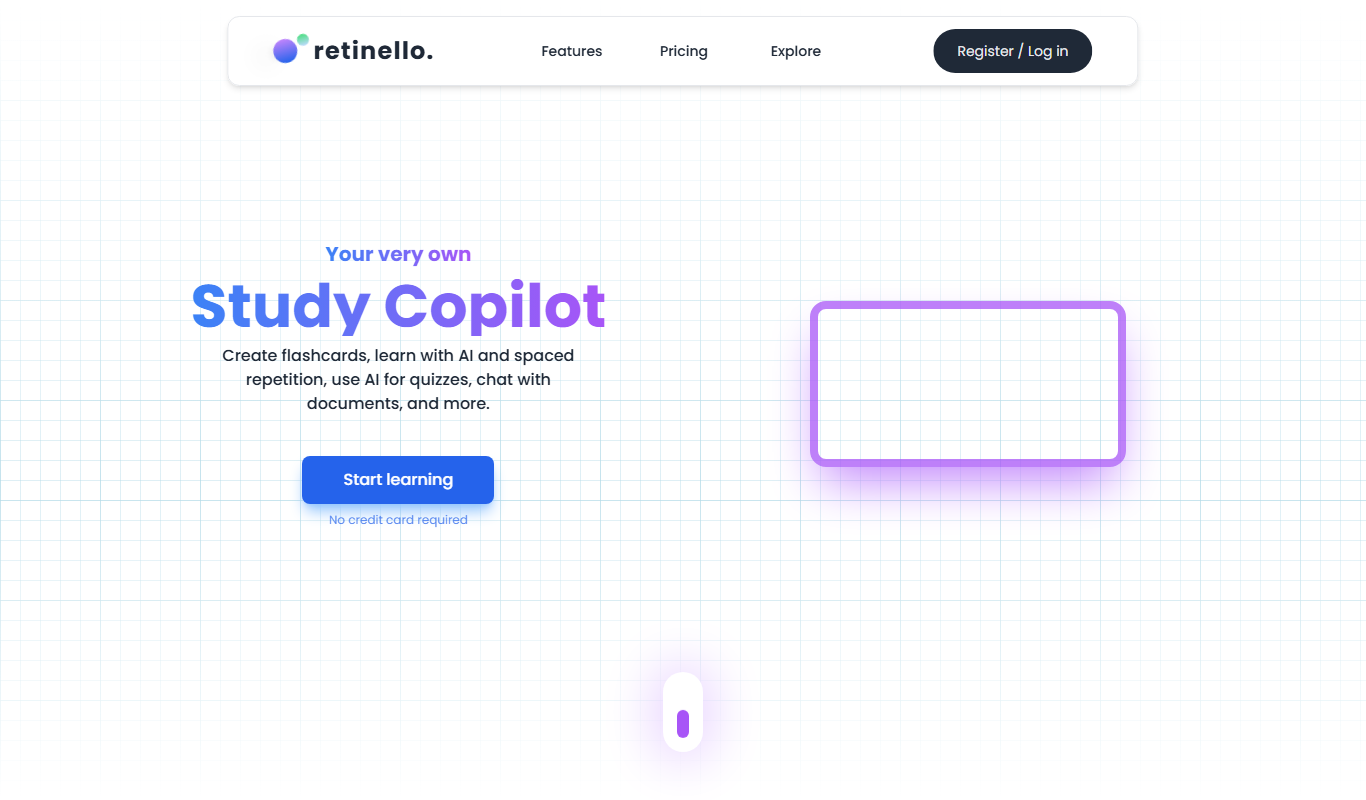
Retinello is an AI-based visual testing tool that automates detection of UI regressions and image quality issues by comparing screenshots with machine learning algorithms.
Tech Stack:
JavaScript
Machine Learning
Python
What is Retinello?
Retinello is an AI-driven visual testing platform designed to automate the detection of visual defects and regressions in software interfaces and images. It leverages machine learning algorithms to compare images intelligently, identifying subtle differences that traditional pixel-based methods might miss. This helps developers and QA teams ensure consistent UI quality and image integrity across releases.
Key Features of Retinello
AI-Based Visual Regression
Detects subtle UI changes and regressions beyond pixel-by-pixel comparison using machine learning.
Image Quality Detection
Identifies blurriness, compression artifacts, and other image defects automatically.
API Access
Provides a REST API for seamless integration with existing testing and development tools.
Detailed Reporting
Generates comprehensive reports with annotated screenshots to facilitate quick issue resolution.
CI/CD Pipeline Integration
Supports integration with popular CI/CD tools to automate visual testing workflows.
Pros and Cons of Retinello
Pros
- AI-powered detection reduces false positives compared to pixel-based tools
- Easy integration with existing development workflows via API
- Detailed visual reports speed up debugging
- Supports automated testing in CI/CD pipelines
Cons
- Pricing details require direct contact, which may be a barrier for some users
- Currently supports only English language interface
Key Use Cases for Retinello
Automated Visual Regression Testing
Detect visual differences and regressions in UI components automatically using AI-powered image comparison.
Image Quality Assurance
Ensure images meet quality standards by detecting blurriness, compression artifacts, and other defects.
Cross-Device UI Validation
Validate that UI elements render consistently across different devices and screen sizes.
Continuous Integration Testing
Integrate Retinello into CI/CD pipelines to automate visual testing as part of software delivery.
Bug Detection in Visual Content
Identify visual bugs early in development to reduce manual QA effort and improve product quality.
How Retinello Works
-
1
Upload or Integrate Images
Users upload screenshots or images manually or integrate Retinello via API into their testing workflows.
-
2
AI-Powered Image Analysis
The platform analyzes images using machine learning to detect visual differences, quality issues, and regressions.
-
3
Review Results
Users receive detailed reports highlighting detected issues with visual annotations for easy review.
-
4
Integrate with CI/CD
Retinello can be integrated into continuous integration pipelines to automate visual testing during development.
Who's Using Retinello
Software developers
QA engineers
DevOps teams
Product managers
Digital agencies
Retinello Pricing
Free Trial
$0 for 14 days
Full feature access for 14 days to evaluate the platform.
Professional
Contact for pricing
Subscription plan with advanced features, API access, and priority support.
Frequently Asked Questions About Retinello
Retinello supports common image formats such as PNG, JPEG, and screenshots from web and mobile applications.
Yes, Retinello provides API access and integrations to automate visual testing within CI/CD workflows.
Yes, it can automatically detect blurriness, compression artifacts, and other visual defects.
Retinello offers a 14-day free trial with full feature access.
It depends on your specific needs and how you plan to use the tool. The official website and documentation are the best sources for the latest details.
Integration support depends on the tool and its available connectors or API. Check the official documentation or integrations page to confirm what is supported.
Yes, it can help with that use case depending on how you configure it and what features are available. You’ll get the best results with clear inputs and a defined goal.
Share your review
Reviews are limited to one per logged-in user and are published after moderation.
You need an account to review this tool.
0.0
★
★
★
★
★
0 reviews
5 star
0
4 star
0
3 star
0
2 star
0
1 star
0
No reviews yet
Be the first to share how this tool worked for you.
Questions from the community
Read questions and answers about this tool, or ask your own.
No questions yet
Start the conversation by asking the first question about this tool.
Is this tool helpful?
Alternative Tools
Explore similar AI tools that might fit your needs

Free
Percy
Percy is a visual testing platform that automates UI regression testing by capturing and comparing screenshots to detect visual changes, integrating with CI/CD pipelines for continuous quality assurance.

Free Trial
Applitools
Applitools is an AI-driven visual testing platform that automates UI validation by comparing screenshots to detect visual bugs and regressions across multiple browsers and devices.

Free Trial
nuvo No-Code Data Pipelines
Nuvo is a no-code data pipeline platform that allows users to visually build and automate data workflows connecting multiple sources without coding.
Free Trial
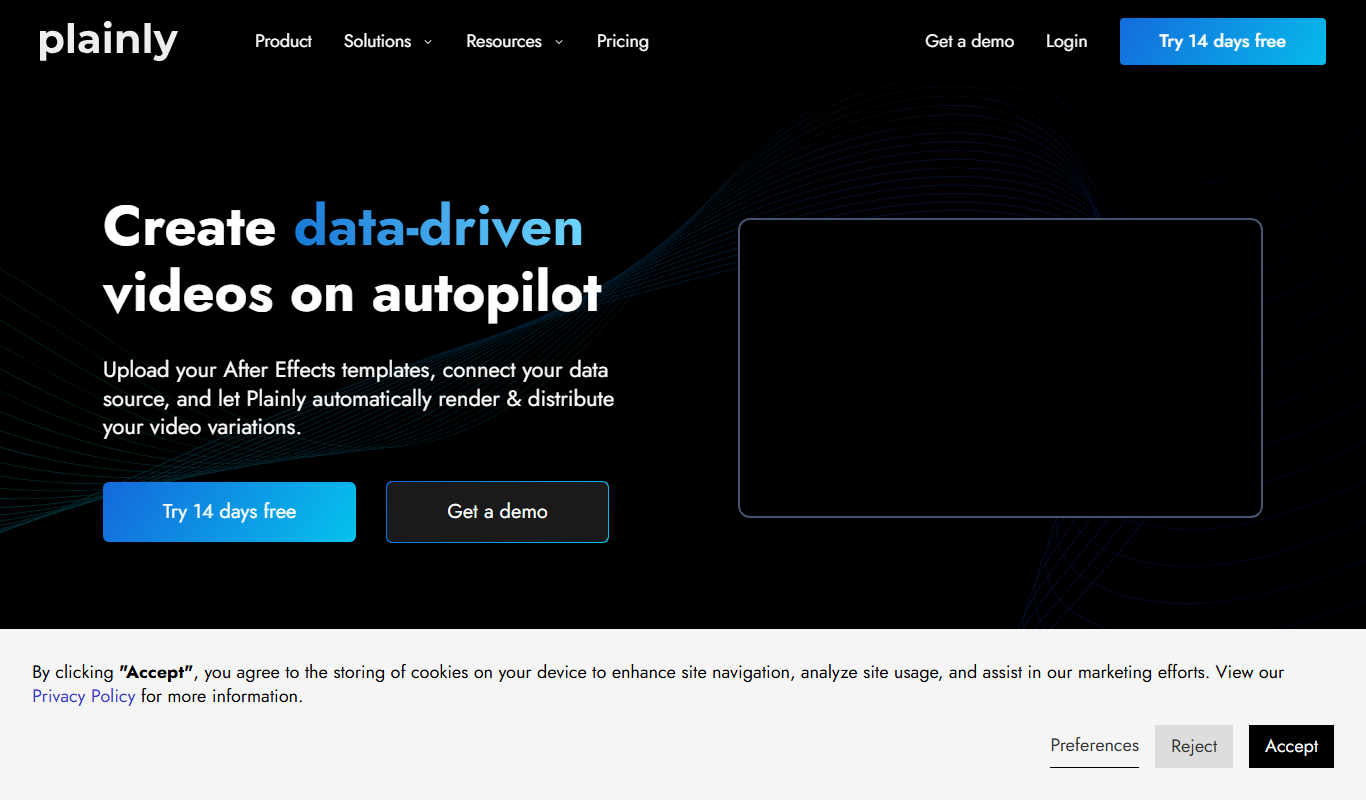
Plainly AI
Plainly AI is a web-based platform that uses AI to help users create animated explainer videos quickly and easily, ideal for marketing, education, and social media content.

Freemium
Let’s Enhance
Let's Enhance is an AI-based online tool that upscales and enhances images by increasing resolution, reducing noise, and improving colors automatically through a user-friendly web interface.
Free Trial
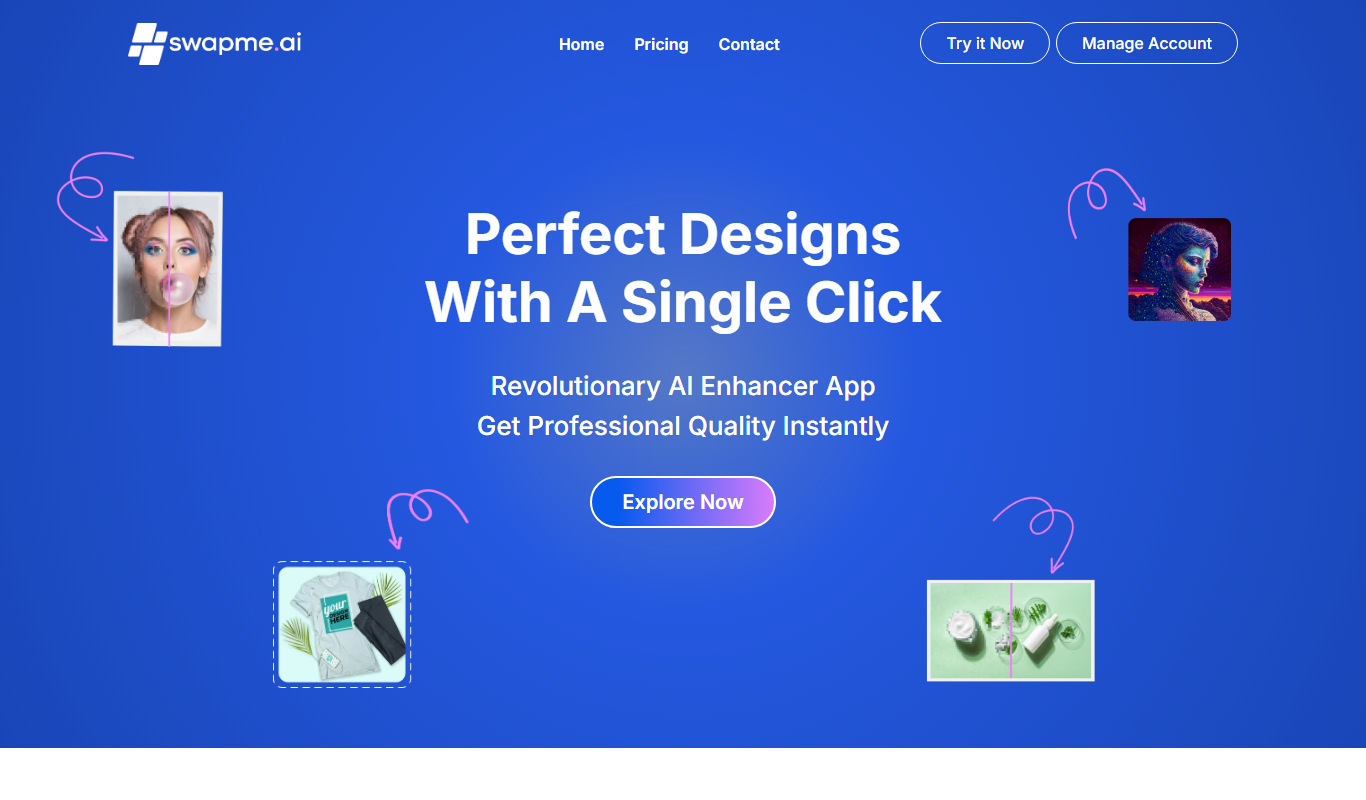
swapme.ai
SwapMe.ai is a web-based AI voice cloning tool that creates realistic synthetic voices from short audio samples, enabling text-to-speech conversion with personalized voices.

Custom Pricing
enhencer.com
Enhencer is an AI-powered platform that automates customer segmentation and predicts behaviors like churn and lifetime value to enable personalized marketing.

Freemium
Image Enhancer AI
Image Enhancer AI is a web-based tool that uses artificial intelligence to upscale images, reduce noise, and enhance photo quality quickly and easily.
Free
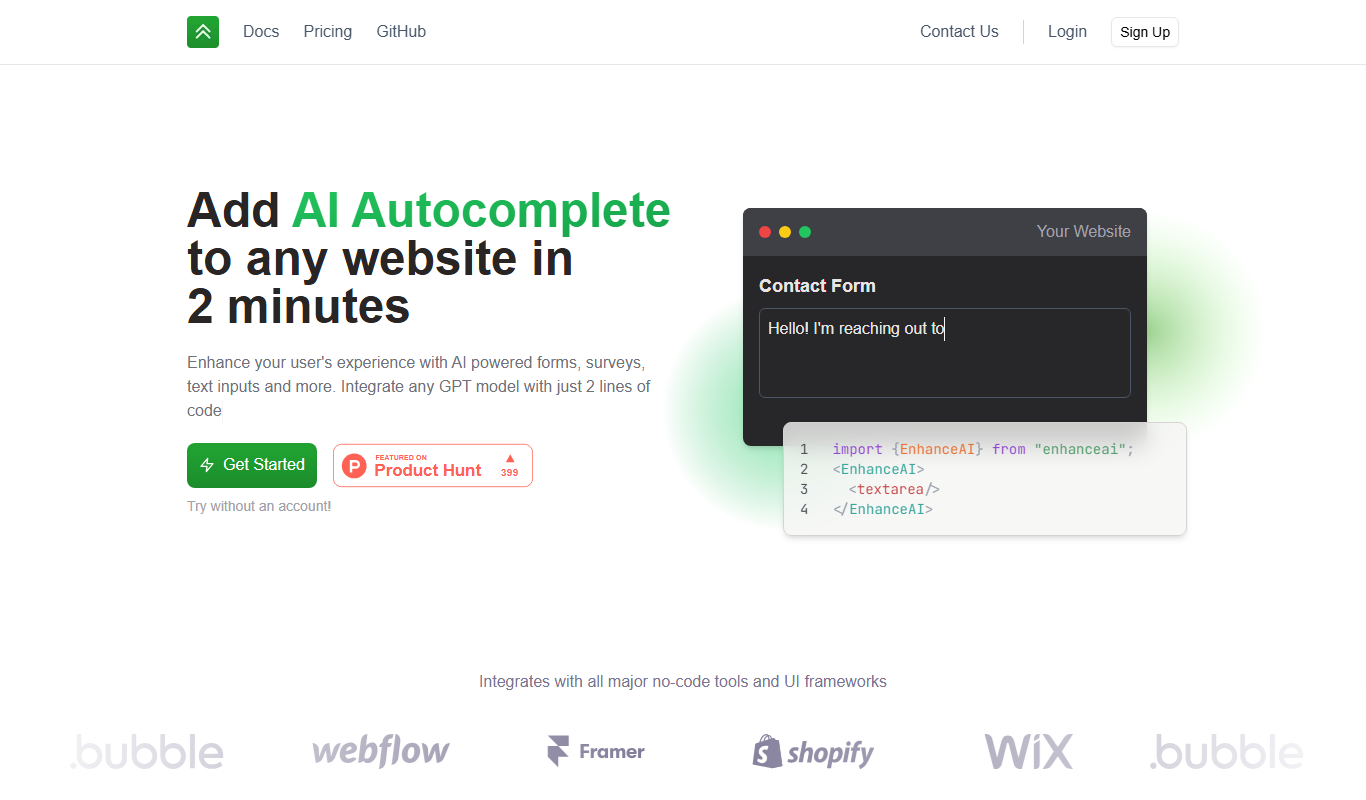
EnhanceAI
EnhanceAI is a web-based AI tool that upscales and enhances images by increasing resolution and reducing noise automatically.

Contact for pricing
deci.ai
Deci AI is a platform that automates deep learning model optimization and deployment, enabling faster inference and reduced resource use while maintaining accuracy.