

From my experience with Recorded Future, it stands out as a robust platform for aggregating and analyzing cyber threat intelligence in real time. Its strength lies in integrating diverse data sources, including dark web monitoring, and delivering actionable insights that help security teams prioritize risks effectively. I found it particularly well-suited for enterprise security operations centers and risk management professionals who require comprehensive threat visibility. However, the platform’s complexity and custom pricing model may pose challenges for smaller organizations or those new to threat intelligence. Overall, Recorded Future delivers solid value for organizations aiming to enhance their cybersecurity posture with data-driven intelligence.
Recorded Future Cyber Threat Intelligence Platform for Security Analytics
Recorded Future is a cyber threat intelligence platform that aggregates and analyzes real-time data from multiple sources to help organizations detect, prioritize, and respond to cyber threats effectively.
- Best for
- Threat Intelligence Gathering
- Key capability
- Real-Time Threat Intelligence

What is Recorded Future?
Recorded Future is a comprehensive cyber threat intelligence platform that collects, analyzes, and delivers real-time information about cyber threats. It aggregates data from a vast array of sources including open web, dark web, and technical feeds, providing security teams with actionable insights to anticipate, detect, and mitigate cyber risks effectively.
Key features of Recorded Future
The platform offers automated data collection, natural language processing, machine learning analytics, and integration capabilities with existing security tools. It enables organizations to visualize threat landscapes, prioritize risks, and respond proactively to cyber incidents.
Real-Time Threat Intelligence
Continuous monitoring and analysis of cyber threats from multiple data sources.
Threat Scoring and Prioritization
Automated scoring to help focus on the most critical risks.
Dark Web Monitoring
Detection of threat actor activity and compromised data on dark web forums.
Integration APIs
APIs to connect Recorded Future data with existing security infrastructure.
Customizable Dashboards and Reports
Visualize threat data tailored to organizational needs.
Pros and cons of Recorded Future
Pros
- Comprehensive real-time threat data aggregation
- Strong integration capabilities with security tools
- Effective prioritization of cyber risks
- Includes dark web monitoring
- Customizable dashboards for diverse needs
Cons
- Pricing is not transparent and may be costly for smaller organizations
- Primarily suited for enterprises with mature security operations
- Steep learning curve for new users
Key use cases for Recorded Future
Threat Intelligence Gathering
Collect and analyze real-time cyber threat data from open, dark, and technical sources to identify emerging risks.
Security Operations Enhancement
Integrate threat intelligence into security operations centers (SOC) to improve incident detection and response times.
Vulnerability Management
Prioritize vulnerabilities based on threat context and exploitability to focus remediation efforts effectively.
Third-Party Risk Assessment
Evaluate the cyber risk posture of vendors and partners using continuous monitoring and intelligence insights.
Fraud Detection and Investigation
Leverage threat intelligence to detect fraud patterns and support investigations with actionable data.
How Recorded Future works
- 1
Data Aggregation
Recorded Future continuously collects data from diverse sources such as news, social media, dark web forums, and technical sensors.
- 2
Data Analysis
The platform applies machine learning and natural language processing to identify relevant threats, trends, and indicators of compromise.
- 3
Threat Scoring
Threats and vulnerabilities are scored based on severity, exploitability, and relevance to the organization’s environment.
- 4
Integration
Insights are integrated into security tools like SIEMs, SOARs, and ticketing systems to streamline workflows.
- 5
Actionable Intelligence
Security teams receive alerts, reports, and dashboards to prioritize and respond to threats efficiently.
Who is using Recorded Future
Recorded Future pricing
Custom Enterprise Pricing
Contact for pricing
Tailored pricing based on organizational size, data needs, and integration requirements.
Plans and prices are as published by the vendor and can change. Check the official site before you buy. Open the pricing page (opens in a new tab)
Frequently asked questions about Recorded Future
Recorded Future aggregates data from open web, dark web, technical sensors, social media, and proprietary sources.
Yes, it offers APIs and connectors for SIEM, SOAR, and other security platforms.
The platform is primarily designed for medium to large enterprises with dedicated security teams.
It uses machine learning algorithms to score threats based on severity, exploitability, and relevance.
This tool is designed to help users accomplish its core tasks more efficiently. It is typically used by individuals or teams looking to improve productivity and workflow.
It depends on your specific needs and how you plan to use the tool. The official website and documentation are the best sources for the latest details.
Integration support depends on the tool and its available connectors or API. Check the official documentation or integrations page to confirm what is supported.
Sign in to review this tool.
Sign In to ReviewNo reviews yet
Be the first to share how this tool worked for you.
Ask about pricing, limits, or how it compares — or answer someone else.
Sign In to AskNo questions yet
Have a question about using or paying for this tool? Be the first to ask.
Featured on TiorAI



More AI Analytics Assistant tools
Other tools in the same category, for when this one is not quite the fit.

Veraset
Veraset provides privacy-compliant, high-quality location data via API and web platform to support marketing, retail, and urban planning analytics.
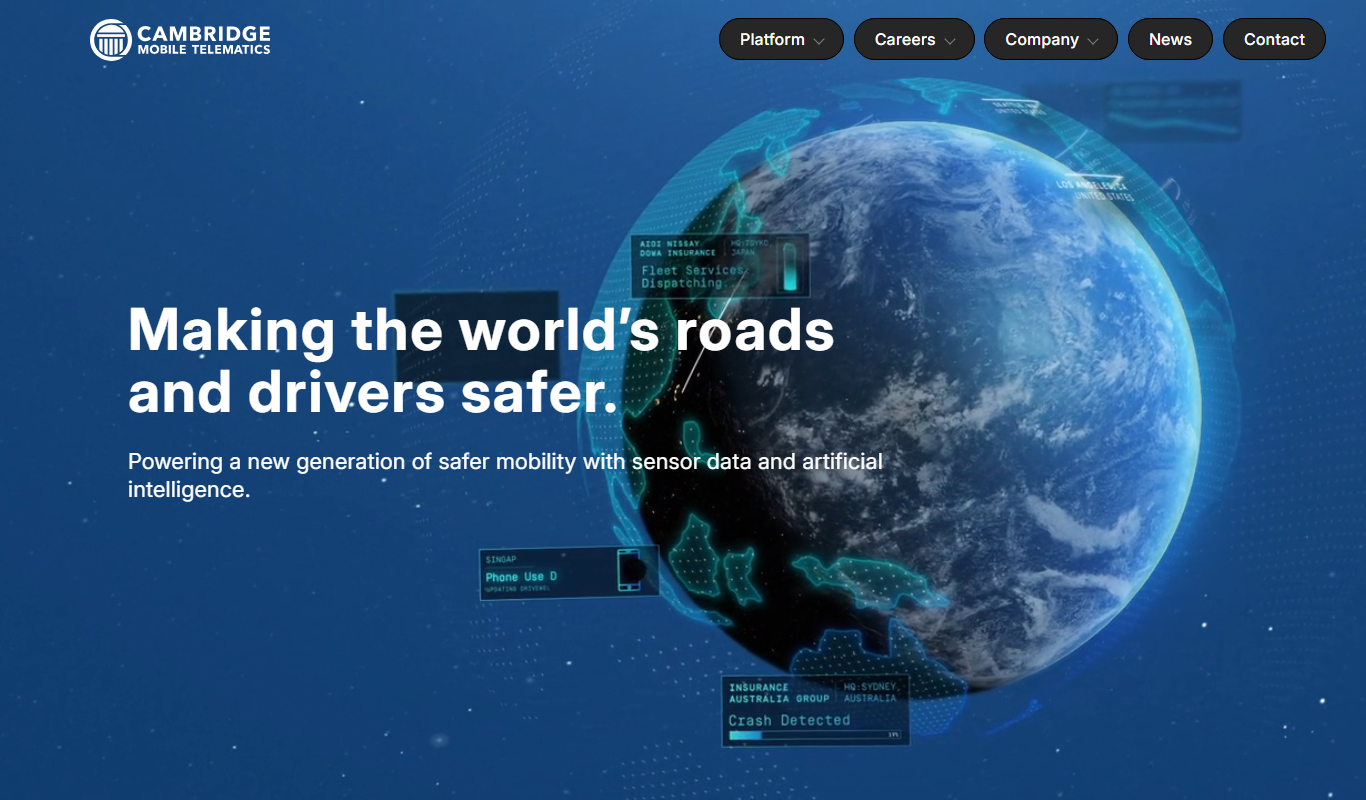
Cambridge Mobile Telematics
Cambridge Mobile Telematics provides a mobile telematics platform that uses smartphone sensors and AI to analyze driver behavior, enabling insurers and fleet managers to assess risk, improve safety, and reduce accidents.
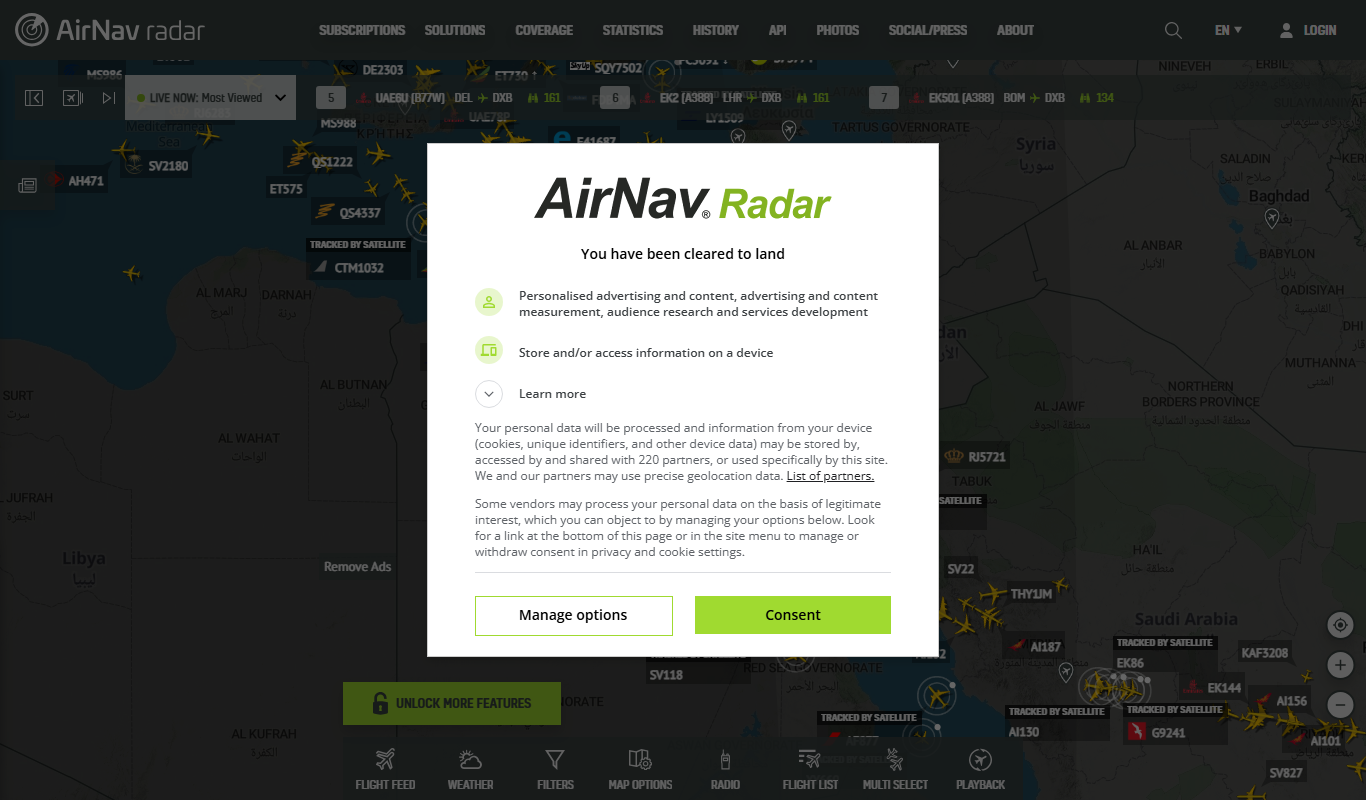
RadarBox
RadarBox is a real-time flight tracking platform offering live aircraft positions, flight history, and aviation data accessible via web and mobile apps.

DeFiChain
DeFiChain is a blockchain platform focused on decentralized finance, enabling fast, secure, and low-cost DeFi applications integrated with Bitcoin.
Liquidnet
Liquidnet is a global institutional trading platform that connects asset managers and brokers to execute large block equity trades anonymously via a dark pool, providing liquidity and advanced analytics to optimize trade execution.

Yearn Finance
Yearn Finance is a decentralized finance platform that automates yield farming strategies using smart contracts to maximize returns on Ethereum-based crypto assets.
Stock Rover
Stock Rover is an investment research platform that provides advanced stock screening, portfolio analytics, and comprehensive financial data to help investors analyze and manage their investments effectively.
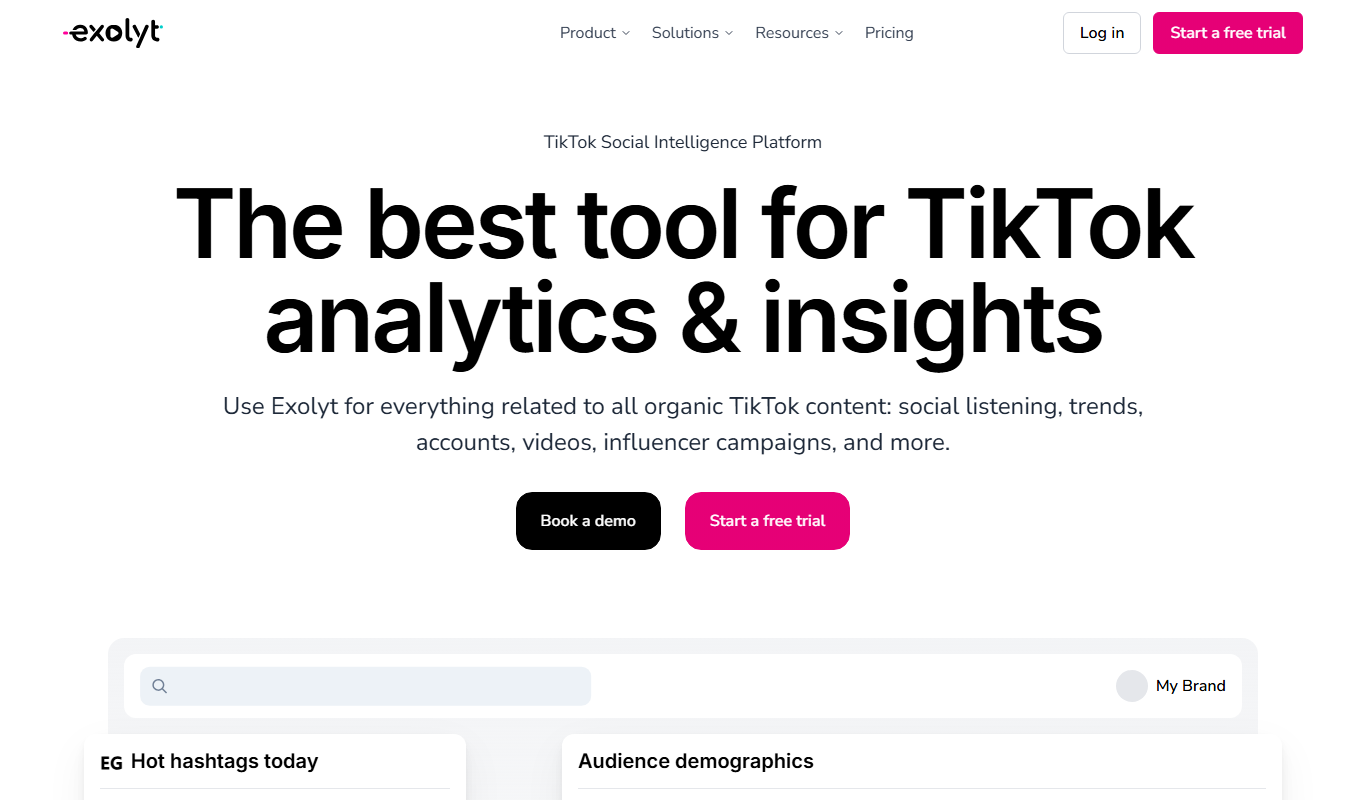
Exolyt
Exolyt is a TikTok analytics tool that helps marketers and influencers track video performance, analyze competitors, and monitor follower growth to optimize TikTok marketing strategies.