

Qventus AI Healthcare Operations Platform for Hospital Workflow Optimization
Qventus is an AI-driven healthcare operations platform that optimizes hospital workflows by analyzing real-time data to improve patient flow, resource allocation, and staff coordination.
- Best for
- Hospital Patient Flow Optimization
- Key capability
- Real-Time Patient Flow Monitoring
Save Qventus, follow its updates and vote on it — everything stays in your account.
Sign in or create a free account
What is Qventus?
Qventus is an AI-powered healthcare operations platform designed to improve hospital workflow and patient care delivery. It leverages real-time data and machine learning to provide actionable insights and automate operational decisions, enabling hospitals to optimize patient flow, resource allocation, and staff coordination.
Key features of Qventus
The platform offers real-time analytics dashboards, predictive modeling for patient surges, automated alerts for operational bottlenecks, and workflow automation tools tailored for hospital environments.
Real-Time Patient Flow Monitoring
Continuously tracks patient movement and status to identify delays and optimize throughput.
Predictive Surge Modeling
Forecasts patient volume surges to help hospitals prepare resources in advance.
Automated Alerts and Notifications
Sends timely alerts to staff about potential bottlenecks or resource shortages.
Operational Workflow Automation
Automates coordination tasks such as bed assignments and staff scheduling.
Customizable Dashboards
Provides tailored views for different hospital roles to monitor key performance indicators.
Pros and cons of Qventus
Pros
- Improves hospital operational efficiency with AI-driven insights
- Reduces patient wait times and optimizes resource use
- Customizable dashboards for different hospital roles
- Supports proactive decision-making with predictive analytics
Cons
- Pricing is not publicly disclosed and requires direct contact
- Primarily focused on hospital settings, less applicable for smaller clinics
Key use cases for Qventus
Hospital Patient Flow Optimization
Qventus uses AI to analyze real-time data and optimize patient flow, reducing wait times and improving throughput.
Emergency Department Operations
The platform helps emergency departments predict surges and allocate resources efficiently to improve care delivery.
Surgical Scheduling and Coordination
Qventus assists in managing surgical schedules by anticipating delays and coordinating staff and resources.
Bed Management
AI-driven insights help hospitals manage bed availability and patient placement to maximize capacity utilization.
Operational Decision Support
Provides actionable recommendations to hospital staff to proactively address bottlenecks and operational challenges.
How Qventus works
- 1
Data Integration
Qventus integrates with hospital IT systems to collect real-time operational data.
- 2
AI Analysis
Machine learning models analyze data to identify patterns and predict operational challenges.
- 3
Actionable Insights
The platform delivers alerts and recommendations to staff for proactive decision-making.
- 4
Workflow Automation
Automates routine operational tasks to streamline hospital processes and reduce manual effort.
Who is using Qventus
Qventus pricing
Custom Pricing
Contact for pricing
Pricing tailored to hospital size and operational needs.
Plans and prices are as published by the vendor and can change. Check the official site before you buy. Open the pricing page (opens in a new tab)
Frequently asked questions about Qventus
Qventus is designed for hospitals of various sizes, including large medical centers and community hospitals.
Yes, Qventus integrates with electronic health records (EHR), bed management systems, and other hospital IT infrastructure.
Qventus offers onboarding and training to ensure staff can effectively use the platform.
The platform complies with healthcare regulations such as HIPAA to protect patient information.
It depends on your specific needs and how you plan to use the tool. The official website and documentation are the best sources for the latest details.
It depends on your specific needs and how you plan to use the tool. The official website and documentation are the best sources for the latest details.
It depends on your specific needs and how you plan to use the tool. The official website and documentation are the best sources for the latest details.
Conclusion
Qventus draws real-time operational data from hospital IT systems, including electronic health records and bed management systems. Machine learning models then identify patterns and predict operational challenges such as patient volume surges, so hospitals can prepare resources in advance. The platform continuously tracks patient movement and status to identify delays and optimize throughput. Staff receive alerts and recommendations about potential bottlenecks or resource shortages, and coordination tasks such as bed assignments and staff scheduling are automated to reduce manual effort.
In emergency departments it helps predict surges and allocate resources, while in surgical scheduling it anticipates delays and coordinates staff and resources. Its insights also help hospitals manage bed availability and patient placement. Different hospital roles get tailored views of key performance indicators, and the platform complies with healthcare regulations such as HIPAA. Onboarding and training are offered so staff can use the platform effectively.
It is designed for hospitals of various sizes, from large medical centers to community hospitals, but is less applicable for smaller clinics. Pricing is tailored to hospital size and operational needs, and it is not publicly disclosed.
Sources
Sign in to review this tool.
Sign In to ReviewNo reviews yet
Be the first to share how this tool worked for you.
Ask about pricing, limits, or how it compares — or answer someone else.
Sign In to AskNo questions yet
Have a question about using or paying for this tool? Be the first to ask.
Featured on TiorAI



Alternative Tools
Explore similar AI tools that might fit your needs

Health Catalyst
Health Catalyst is a healthcare data analytics platform that integrates clinical and operational data to provide AI-driven insights for improving patient outcomes and operational efficiency.
More AI Analytics Assistant tools
Other tools in the same category, for when this one is not quite the fit.
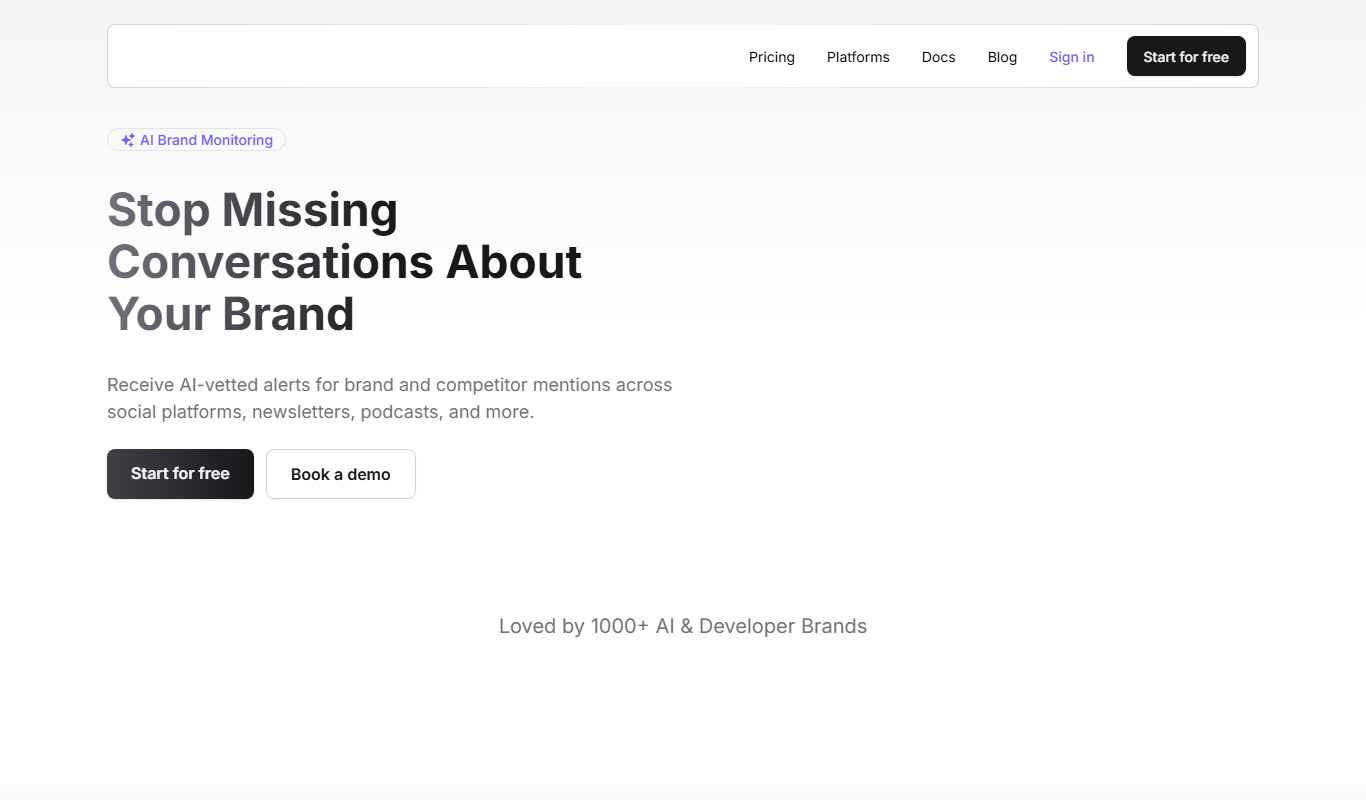
Octolens AI
Octolens is an AI social listening tool that tracks brand mentions across Reddit, X, LinkedIn and 10+ platforms, with API, MCP and webhooks on every plan.

Insight7
Insight7 analyzes customer calls, scores every conversation, coaches reps and deploys AI voice and chat agents for customer teams.

neuronsinc.com
Neurons is a neuromarketing AI that predicts attention, engagement and memorability of ad creatives before they go live, with heatmaps and behavioral scores.
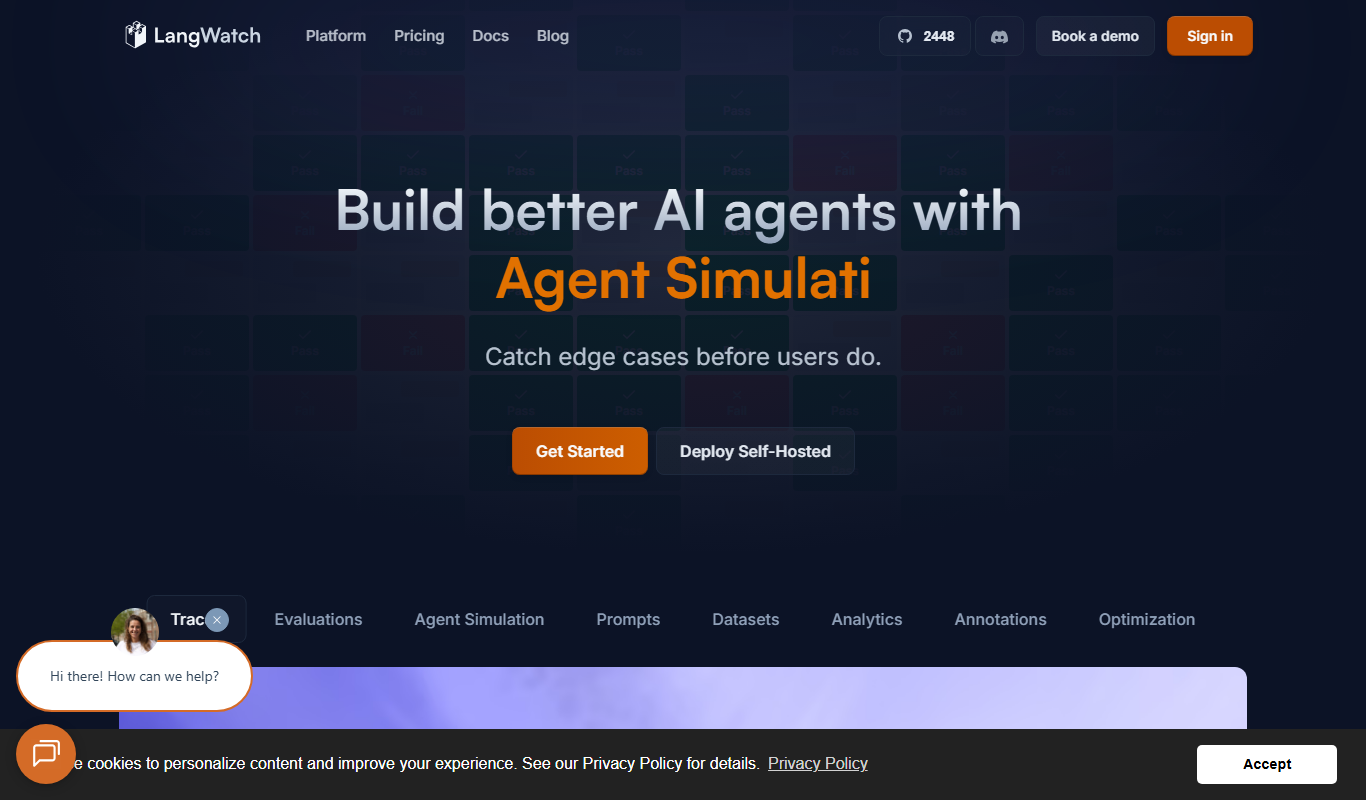
LangWatch
LangWatch is an AI agent testing and evaluation platform with simulations, evals, observability and prompt management, available in the cloud or self-hosted.

5-Out
5-Out helps restaurants boost profits with AI-powered sales forecasting, automated scheduling and purchasing based on predicted demand.

MUSICDATAK
MusicDatak is a music research platform that helps radio stations and brands track music trends, optimize playlists and grow radio audience share with tools like StationRadar.

ReviewHawk
ReviewHawk analyzes app store reviews with AI to show why users leave and what they want, so app makers can reduce churn.

StrongArm Technologies PPE AI
StrongArm Technologies offers the SafeWork Sensor, a wearable device that provides real-time haptic feedback and collects movement data, and SafeWork Training, a personalized safety training program.