

ProcessUnity GRC Platform for Risk Management and Compliance Automation
ProcessUnity is a cloud-based Governance, Risk, and Compliance platform that automates third-party risk management, compliance workflows, and audit processes for enterprises.
- Best for
- Third-Party Risk Management
- Key capability
- Third-Party Risk Management
Save ProcessUnity, follow its updates and vote on it — everything stays in your account.
Sign in or create a free account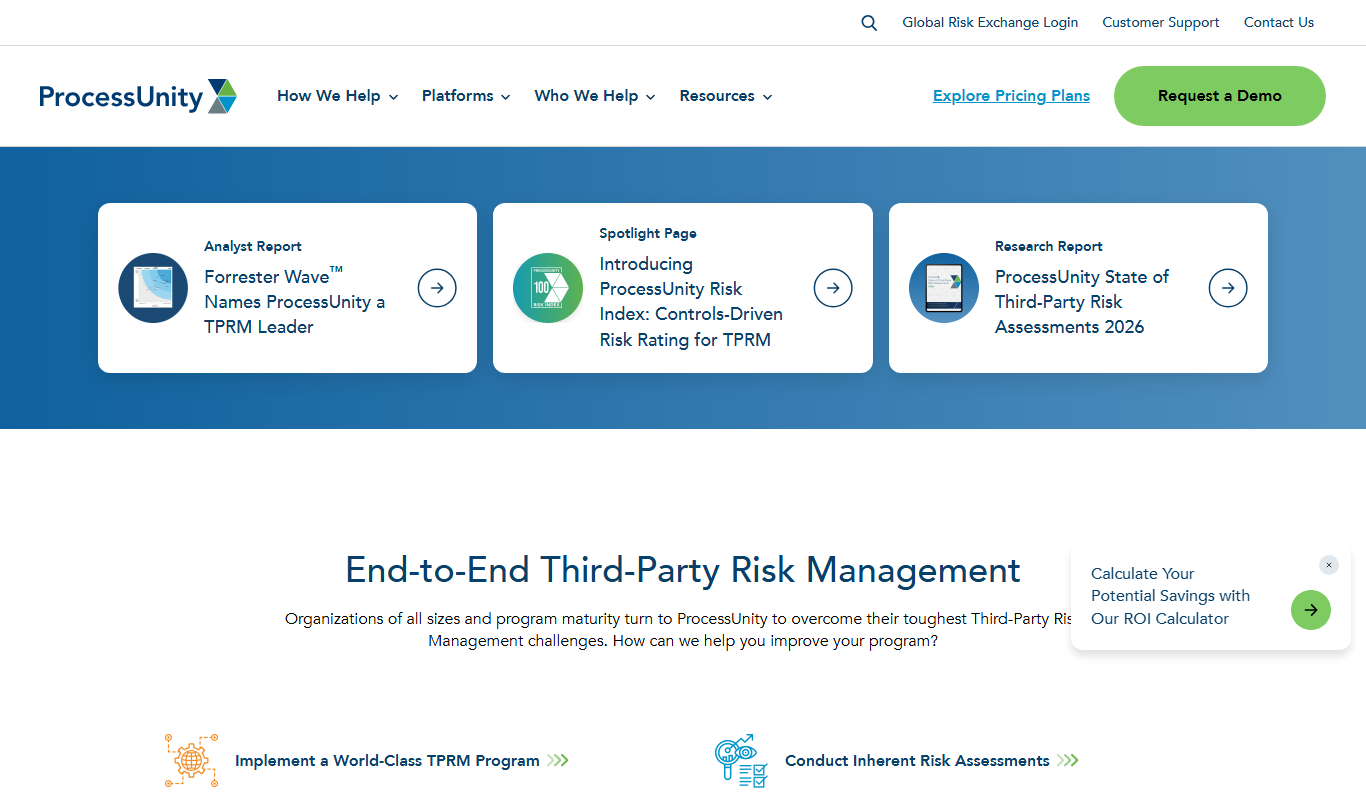
What is ProcessUnity?
ProcessUnity is a cloud-based Governance, Risk, and Compliance (GRC) platform designed to help organizations automate and streamline risk management, compliance, and audit processes. It enables businesses to manage third-party risks, internal audits, policies, and regulatory compliance through configurable workflows and centralized data management.
Key features of ProcessUnity
The platform offers comprehensive features including third-party risk management, compliance automation, audit management, policy management, and risk assessment. Its cloud-native architecture supports integration with various data sources and provides real-time reporting and dashboards for actionable insights.
Third-Party Risk Management
Automates vendor risk assessments with questionnaires, scoring, and continuous monitoring.
Compliance Automation
Streamlines compliance workflows and centralizes documentation for regulatory adherence.
Audit Management
Facilitates audit planning, execution, and issue tracking with comprehensive tools.
Policy and Document Management
Central repository for policies, procedures, and evidence supporting compliance efforts.
Customizable Risk Frameworks
Allows organizations to define and adapt risk criteria and assessment methodologies.
Pros and cons of ProcessUnity
Pros
- Comprehensive GRC functionality in a single platform
- Highly configurable risk and compliance workflows
- Cloud-based with real-time reporting and dashboards
- Strong focus on third-party risk management
- Supports audit and policy management
Cons
- Pricing is not transparent and requires contacting sales
- Primarily designed for larger organizations, may be complex for small businesses
- Limited language support (English only)
Key use cases for ProcessUnity
Third-Party Risk Management
Automate the assessment and monitoring of vendor risks to ensure compliance and reduce exposure.
Compliance Management
Streamline compliance processes with automated workflows and centralized documentation.
Audit Management
Manage internal and external audits efficiently with tracking, reporting, and issue remediation.
Policy and Document Management
Centralize policies and documents to ensure consistent governance and easy access.
Risk Assessment and Mitigation
Identify, assess, and mitigate enterprise risks through configurable risk frameworks.
How ProcessUnity works
- 1
Onboard Vendors and Third Parties
Import or add vendor information into the platform to begin risk assessments.
- 2
Configure Risk Frameworks
Set up risk criteria and compliance requirements tailored to your organization’s needs.
- 3
Automate Assessments and Workflows
Use automated questionnaires, workflows, and notifications to collect and analyze risk data.
- 4
Monitor and Report
Track risk status, compliance metrics, and audit findings through dashboards and reports.
- 5
Remediate Issues
Assign tasks and manage remediation efforts to address identified risks and compliance gaps.
Who is using ProcessUnity
ProcessUnity pricing
Custom Pricing
Contact Sales
Pricing tailored based on organization size, modules selected, and deployment needs.
Plans and prices are as published by the vendor and can change. Check the official site before you buy. Open the pricing page (opens in a new tab)
Frequently asked questions about ProcessUnity
Yes, ProcessUnity offers integrations with various ERP, CRM, and security platforms to streamline data flow.
ProcessUnity primarily targets mid-sized to large enterprises with complex risk and compliance needs.
Yes, the platform allows configuring risk frameworks and assessment questionnaires to fit your organization’s requirements.
This tool is designed to help users accomplish its core tasks more efficiently. It is typically used by individuals or teams looking to improve productivity and workflow.
It depends on your specific needs and how you plan to use the tool. The official website and documentation are the best sources for the latest details.
Conclusion
Vendor data is the starting point in ProcessUnity: organizations import or add third-party information, then configure risk criteria and compliance requirements. Automated questionnaires, workflows and notifications collect and analyze risk data, and assigned tasks manage remediation of identified risks and gaps. Beyond vendor risk, the platform covers audit planning and issue tracking, with a central repository for policies, procedures and evidence.
It serves risk management professionals, compliance officers, internal auditors and vendor management teams, primarily at mid-sized to large enterprises. Risk frameworks and assessment questionnaires can be configured, and integrations cover ERP, CRM and security platforms. Pricing is tailored to organization size, modules and deployment needs and requires contacting sales; the official site presents the product as a TPRM platform.
Sources
Sign in to review this tool.
Sign In to ReviewNo reviews yet
Be the first to share how this tool worked for you.
Ask about pricing, limits, or how it compares — or answer someone else.
Sign In to AskNo questions yet
Have a question about using or paying for this tool? Be the first to ask.
Featured on TiorAI



Alternative Tools
Explore similar AI tools that might fit your needs

LogicManager
LogicManager is a cloud-based governance, risk, and compliance software platform designed to help organizations identify, assess, and mitigate risks while ensuring regulatory compliance through audit, policy, and incident management tools.

MetricStream
MetricStream is an enterprise-grade Governance, Risk, and Compliance platform that helps organizations manage risks, ensure regulatory compliance, and streamline audits with real-time analytics and automated workflows.
More AI Workflow tools
Other tools in the same category, for when this one is not quite the fit.

MyChart
MyChart is a secure patient portal by Epic Systems that allows patients to access medical records, schedule appointments, message providers, and conduct telehealth visits online.

Practice Better
Practice Better is a client management platform designed for health and wellness professionals, offering scheduling, telehealth, billing, and client communication tools.
Satori
Satori is a data platform that provides secure, real-time access to data across multiple sources with centralized governance, dynamic masking, and auditing to ensure compliance and data security.

IDnow
IDnow is a digital identity verification platform that uses AI and biometric technology to securely verify customer identities for compliance and fraud prevention.
Foundant
Foundant is a cloud-based grant management software designed to help nonprofits and foundations manage grant applications, reviews, awards, and reporting efficiently.
MineralTree
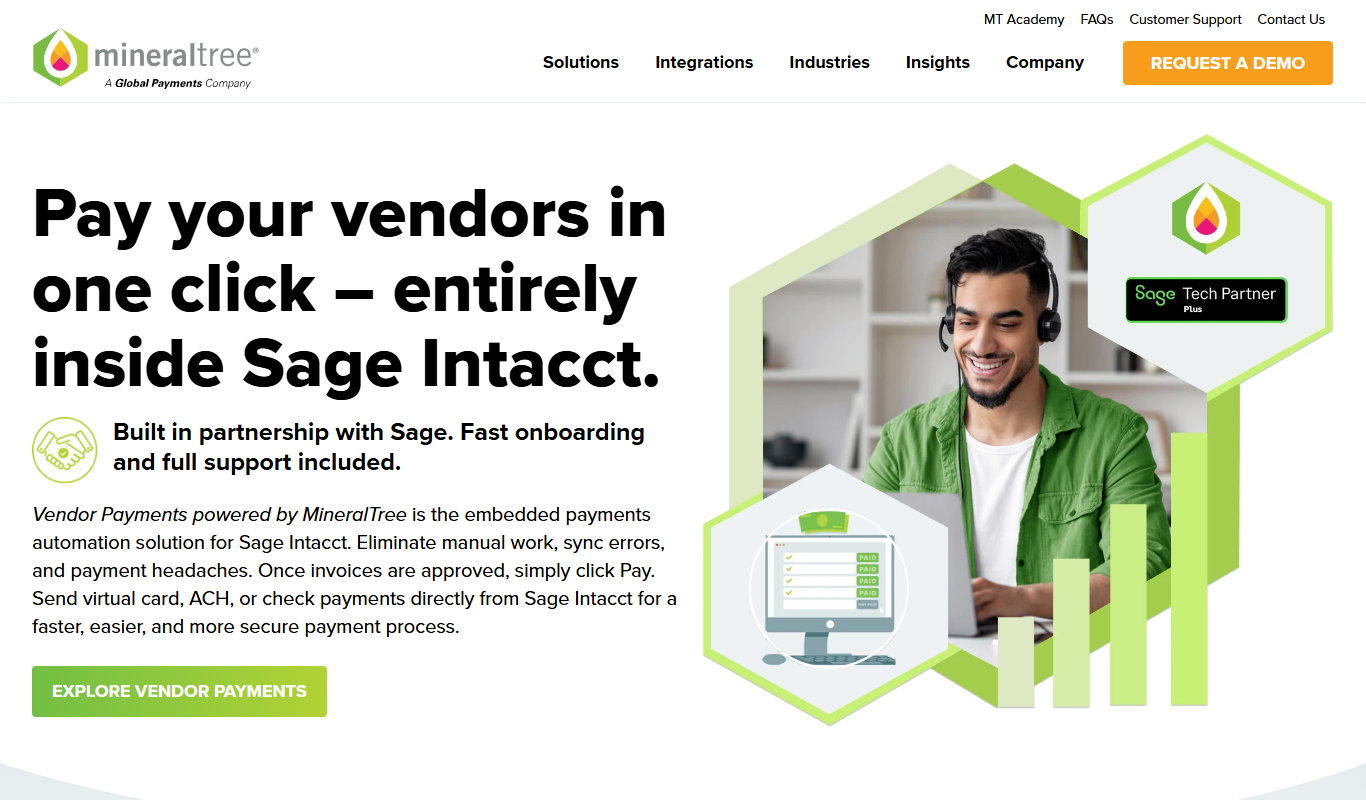
MineralTree is an accounts payable automation platform that streamlines invoice processing, approval workflows, and payment execution to improve efficiency and reduce fraud risk for finance teams.

Stampli
Stampli is an AI-driven accounts payable automation platform that streamlines invoice processing by automating data extraction, enabling collaborative invoice review, and integrating with ERP systems to accelerate approvals and payments.

Tipalti
Tipalti is a cloud-based platform that automates global accounts payable processes including supplier onboarding, tax compliance, invoice management, multi-currency payments, and reconciliation to help finance teams reduce manual work and errors.