

From my experience with OSeMOSYS, I found it excels at providing a transparent and flexible platform for energy system modeling that is accessible to a broad range of users. Its open-source nature and active community make it particularly well-suited for researchers, policymakers, and educators who need to explore sustainable energy futures without licensing constraints. However, the lack of a dedicated graphical user interface and the technical setup required for solvers can present a learning curve for beginners. Overall, if you need a robust, customizable tool for long-term energy planning and policy analysis, OSeMOSYS delivers solid, reliable results.
Open Source Energy Modeling System for Sustainable Planning and Analysis
OSeMOSYS is an open-source framework for building energy system optimization models to support sustainable planning and policy analysis.
- Best for
- Energy System Planning
- Key capability
- Open Source and Transparent

Do you recommend this tool?
What is OSeMOSYS?
OSeMOSYS (Open Source Energy Modeling System) is a free, open-source framework designed for building and solving energy system optimization models. It enables users to create transparent, flexible, and accessible models to support sustainable energy planning and policy analysis. The tool is widely used by researchers, policymakers, and planners to explore energy futures, assess technology options, and optimize resource allocation over long-term horizons.
Key features of OSeMOSYS
OSeMOSYS offers a modular and transparent modeling framework that supports multiple energy sectors and technologies. It provides a flexible input data structure, supports scenario analysis, and integrates with various solvers. Its open-source nature encourages collaboration and customization, making it suitable for academic, governmental, and consultancy applications.
Open Source and Transparent
Fully open-source code and data formats promote transparency and reproducibility.
Flexible Modeling Framework
Supports multiple energy sectors, technologies, and customizable constraints.
Scenario and Sensitivity Analysis
Easily compare different policy or technology scenarios to assess impacts.
Solver Agnostic
Compatible with various linear and mixed-integer programming solvers.
Community Driven
Active user and developer community providing support, documentation, and extensions.
Pros and cons of OSeMOSYS
Pros
- Completely open source with no licensing fees
- Highly flexible and customizable for diverse energy systems
- Strong community support and extensive documentation
Cons
- Requires some technical knowledge to set up and run models
- No official dedicated graphical user interface
- Solver installation and configuration can be complex for beginners
Key use cases for OSeMOSYS
Energy System Planning
Model and optimize long-term energy system development to support sustainable policy decisions.
Policy Analysis
Evaluate impacts of different energy policies and scenarios on emissions, costs, and energy supply.
Research and Education
Use as a teaching tool or research platform for energy system modeling and optimization studies.
Scenario Development
Create and compare multiple energy futures to inform stakeholders and decision makers.
Capacity Expansion Modeling
Analyze investment decisions for generation, transmission, and storage infrastructure.
How OSeMOSYS works
- 1
Define Model Parameters
Users specify energy technologies, demands, costs, and constraints through input files.
- 2
Set Up Scenarios
Create different scenarios by adjusting assumptions such as policy targets or technology availability.
- 3
Run Optimization
Use compatible solvers to optimize the energy system configuration over the planning horizon.
- 4
Analyze Results
Interpret outputs including capacity expansion, emissions, costs, and energy flows to inform decisions.
Who is using OSeMOSYS
Energy researchers and academics
Government energy planners and policymakers
Consultants in energy and sustainability
Non-governmental organizations focused on energy
Students studying energy systems modeling
OSeMOSYS pricing
Free
$0
Open-source software freely available for download and use.
Plans and prices are as published by the vendor and can change. Check the official site before you buy. Open the pricing page (opens in a new tab)
Frequently asked questions about OSeMOSYS
Yes, it is designed to be accessible with extensive documentation and tutorials, but some familiarity with energy systems and optimization is helpful.
OSeMOSYS supports multiple solvers including CBC, GLPK, and commercial solvers like Gurobi and CPLEX.
Yes, OSeMOSYS includes modules to model various renewable and conventional energy technologies.
OSeMOSYS primarily uses text-based input files, but third-party GUIs and integration with tools like Excel or Python exist.
This tool is designed to help users accomplish its core tasks more efficiently. It is typically used by individuals or teams looking to improve productivity and workflow.
Some tools offer a free plan or trial with limited features. Availability can vary, so confirm on the official website.
Yes, it can help with that use case depending on how you configure it and what features are available. You’ll get the best results with clear inputs and a defined goal.
It depends on your specific needs and how you plan to use the tool. The official website and documentation are the best sources for the latest details.
Sign in to review this tool.
Sign In to ReviewNo reviews yet
Be the first to share how this tool worked for you.
Ask about pricing, limits, or how it compares — or answer someone else.
Sign In to AskNo questions yet
Have a question about using or paying for this tool? Be the first to ask.
Featured on TiorAI



More AI Analytics Assistant tools
Other tools in the same category, for when this one is not quite the fit.

Custom Pricing
Veraset
Veraset provides privacy-compliant, high-quality location data via API and web platform to support marketing, retail, and urban planning analytics.
Custom Pricing
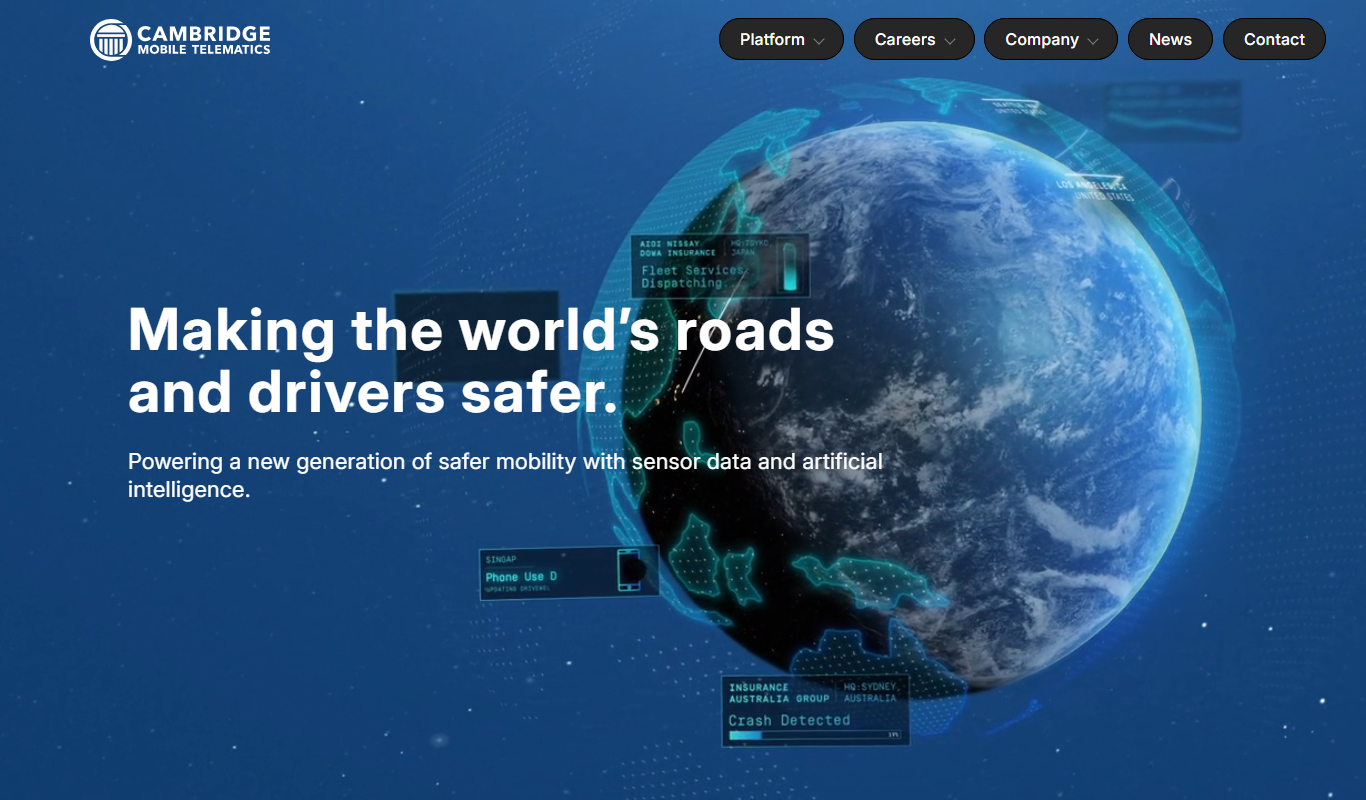
Cambridge Mobile Telematics
Cambridge Mobile Telematics provides a mobile telematics platform that uses smartphone sensors and AI to analyze driver behavior, enabling insurers and fleet managers to assess risk, improve safety, and reduce accidents.
Free
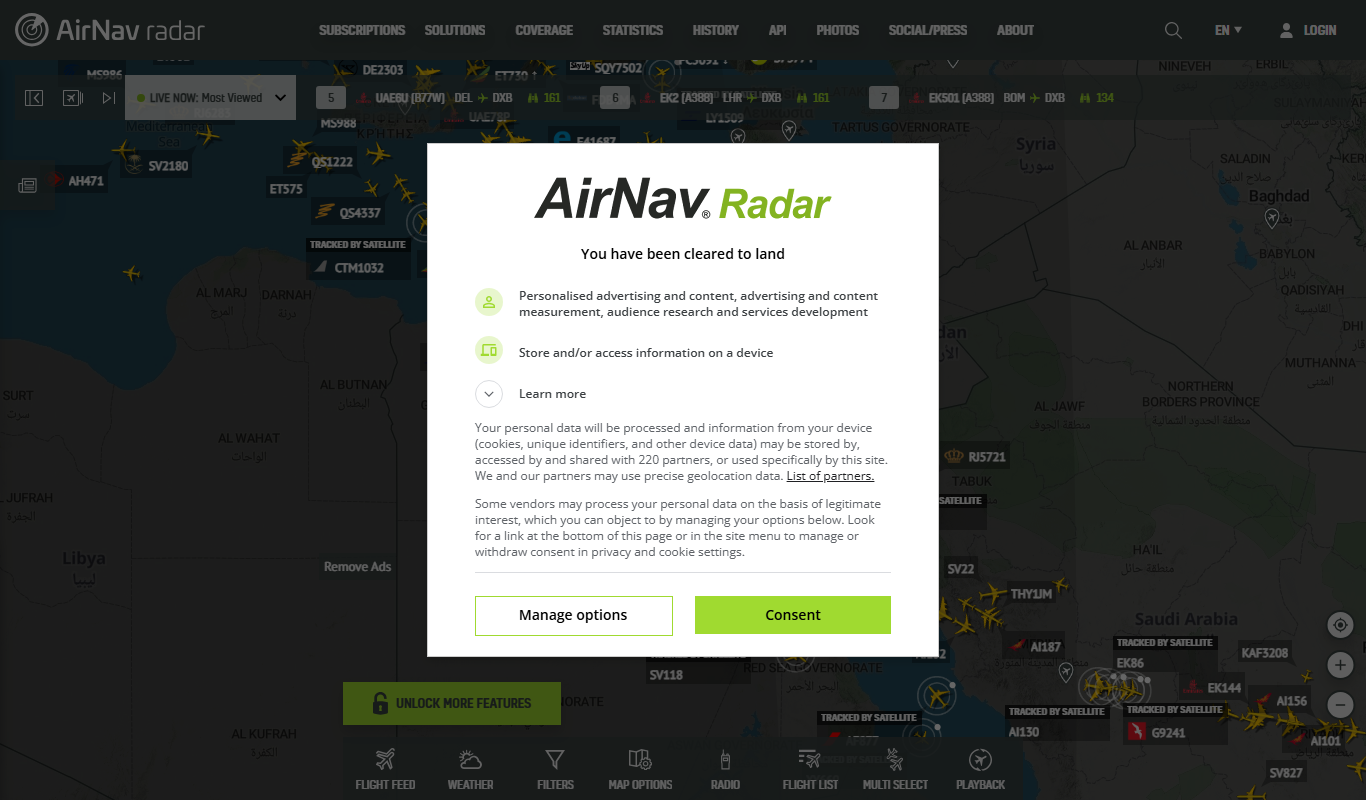
RadarBox
RadarBox is a real-time flight tracking platform offering live aircraft positions, flight history, and aviation data accessible via web and mobile apps.

Free
DeFiChain
DeFiChain is a blockchain platform focused on decentralized finance, enabling fast, secure, and low-cost DeFi applications integrated with Bitcoin.
Custom Pricing
Liquidnet
Liquidnet is a global institutional trading platform that connects asset managers and brokers to execute large block equity trades anonymously via a dark pool, providing liquidity and advanced analytics to optimize trade execution.

Free
Yearn Finance
Yearn Finance is a decentralized finance platform that automates yield farming strategies using smart contracts to maximize returns on Ethereum-based crypto assets.
Free
Stock Rover
Stock Rover is an investment research platform that provides advanced stock screening, portfolio analytics, and comprehensive financial data to help investors analyze and manage their investments effectively.
Free
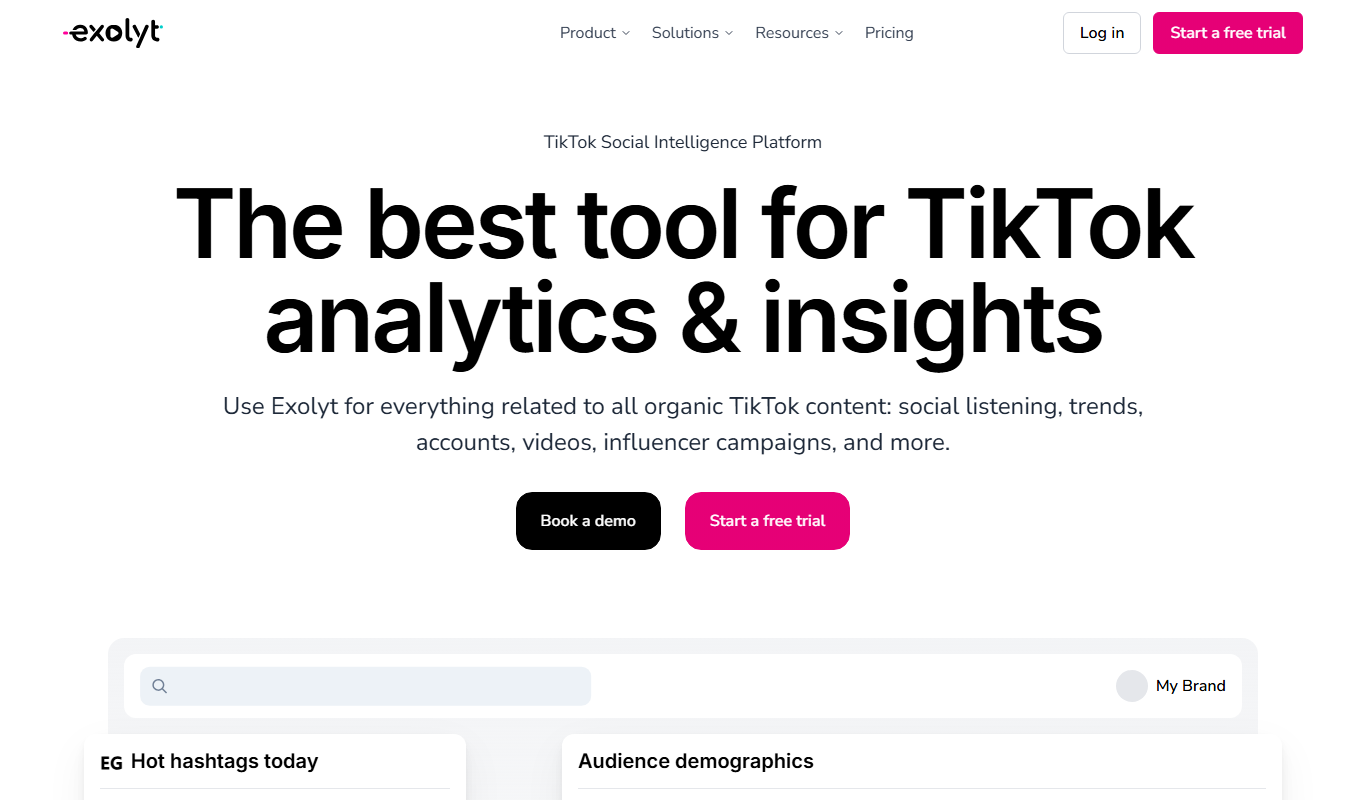
Exolyt
Exolyt is a TikTok analytics tool that helps marketers and influencers track video performance, analyze competitors, and monitor follower growth to optimize TikTok marketing strategies.