

From my experience with Huma AI, I found it excels at providing a robust platform for remote patient monitoring combined with AI-driven analytics that deliver actionable insights. The integration with wearable devices and focus on patient engagement make it a valuable tool for healthcare providers managing chronic conditions or conducting clinical trials. However, the lack of publicly available pricing information means organizations need to contact Huma directly for tailored quotes, which could slow initial evaluation. Overall, if your goal is to enhance patient care through continuous monitoring and data-driven decisions, Huma AI offers a comprehensive and secure solution.
Huma AI Healthcare Platform for Remote Patient Monitoring and Analytics
Huma AI is a digital health platform that enables remote patient monitoring and AI-driven analytics to improve healthcare outcomes by integrating wearable devices and providing actionable insights to clinicians.
- Best for
- Remote Patient Monitoring
- Key capability
- Remote Patient Monitoring
Your actions
Do you recommend this tool?
What is Huma AI?
Huma AI is a digital health platform that leverages artificial intelligence to enable remote patient monitoring and health data analytics. It integrates with wearable devices and mobile apps to collect real-time health metrics, providing healthcare professionals with actionable insights to improve patient care and outcomes.
Key features of Huma AI
The platform offers continuous remote monitoring, AI-driven analytics, customizable alerts, patient engagement tools, and secure data management to support healthcare providers in managing patient health outside traditional clinical settings.
Remote Patient Monitoring
Continuous tracking of vital signs and health metrics through connected devices.
AI-Powered Analytics
Advanced algorithms analyze patient data to identify risks and support clinical decisions.
Customizable Alerts
Set thresholds for health parameters to trigger notifications for care teams.
Patient Mobile App
Engage patients with easy access to their health information and communication tools.
Secure Data Management
Compliant with healthcare data regulations to ensure privacy and security.
Pros and cons of Huma AI
Pros
- Comprehensive remote monitoring capabilities
- AI-driven insights improve clinical decision-making
- Supports patient engagement with mobile app
- Strong focus on data security and compliance
Cons
- Pricing details are not publicly available
- Primarily targeted at healthcare organizations, less suitable for individual consumers
Key use cases for Huma AI
Remote Patient Monitoring
Enable healthcare providers to monitor patients’ health data remotely using connected devices and AI analytics.
Chronic Disease Management
Support management of chronic conditions by tracking patient vitals and symptoms continuously.
Clinical Trials and Research
Facilitate data collection and patient monitoring in clinical trials with real-time insights.
Post-Discharge Care
Improve patient outcomes by monitoring recovery remotely after hospital discharge.
Population Health Analytics
Analyze aggregated patient data to identify health trends and improve healthcare delivery.
How Huma AI works
- 1
Device Integration
Connect patients’ wearable devices and health apps to the Huma platform for data collection.
- 2
Data Aggregation
Collect and aggregate real-time health data securely in the cloud.
- 3
AI Analytics
Analyze data using AI algorithms to detect health trends and potential risks.
- 4
Alerts and Notifications
Send customizable alerts to healthcare providers for timely interventions.
- 5
Patient Engagement
Provide patients with access to their health data and personalized care plans.
Who is using Huma AI
Healthcare providers
Hospitals and clinics
Clinical researchers
Health insurers
Chronic disease management programs
Huma AI pricing
Custom Pricing
Contact for pricing
Pricing tailored based on organization size and deployment needs.
Plans and prices are as published by the vendor and can change. Check the official site before you buy. Open the pricing page (opens in a new tab)
Frequently asked questions about Huma AI
Huma AI supports integration with a wide range of wearable devices and health apps that track vital signs and activity data.
Yes, Huma AI complies with relevant healthcare data privacy and security standards, including GDPR.
Yes, the platform supports clinical trial monitoring by providing real-time patient data and analytics.
Yes, it can help with that use case depending on how you configure it and what features are available. You’ll get the best results with clear inputs and a defined goal.
Data handling and security practices vary by provider. Review the official privacy policy to understand how your data is stored and used.
Some tools offer a free plan or trial with limited features. Availability can vary, so confirm on the official website.
Sign in to review this tool.
Sign In to ReviewNo reviews yet
Be the first to share how this tool worked for you.
Ask about pricing, limits, or how it compares — or answer someone else.
Sign In to AskNo questions yet
Have a question about using or paying for this tool? Be the first to ask.
Featured on TiorAI



Alternative Tools
Explore similar AI tools that might fit your needs
Custom Pricing
Biofourmis
Biofourmis is an AI-powered health platform that uses wearable biosensors and machine learning to enable remote patient monitoring, predict health risks, and deliver personalized digital therapeutics for chronic disease management and post-acute care.
Custom Pricing
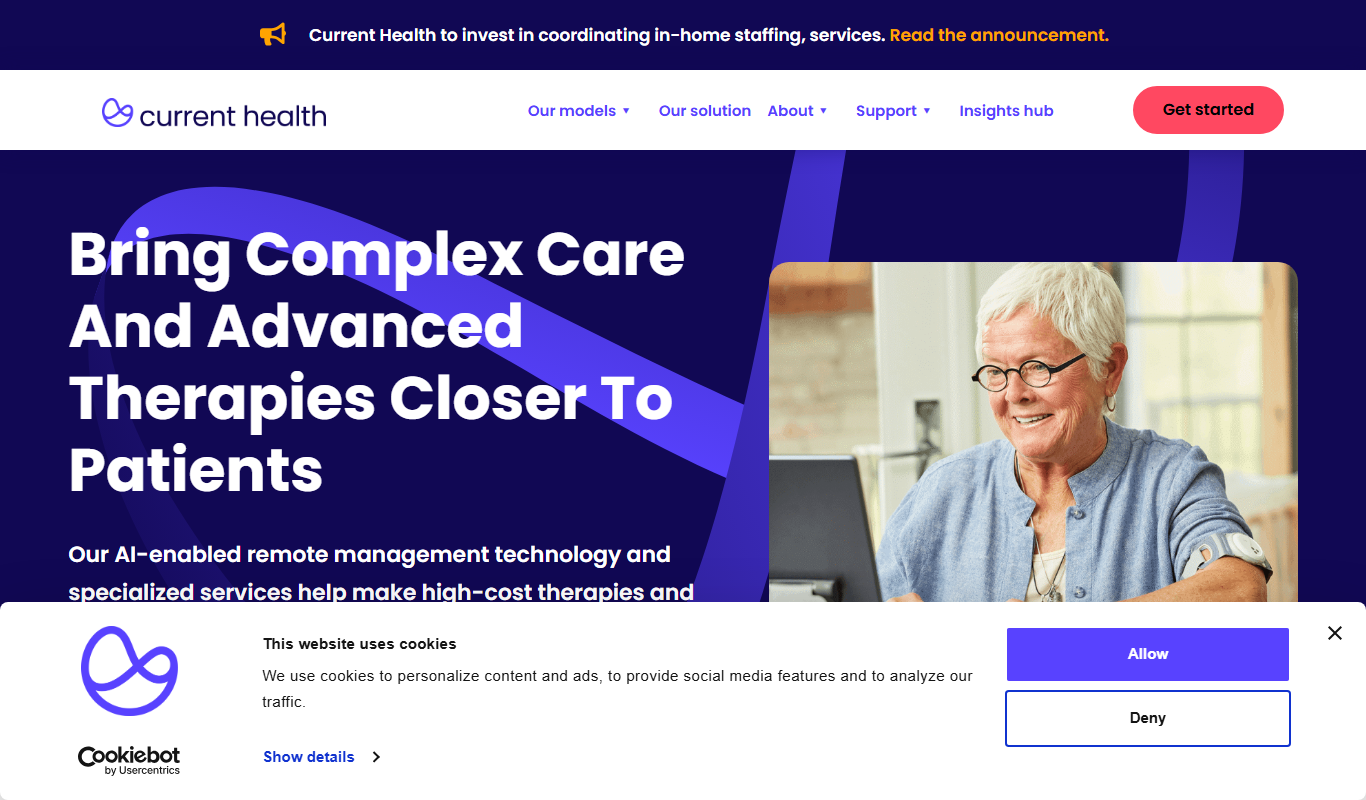
Current Health
Current Health is a remote patient monitoring platform that uses wearable devices and AI analytics to help healthcare providers monitor patients outside clinical settings, enabling early intervention and improved care management.
Custom Pricing
Vivify Health
Vivify Health is a remote patient monitoring platform that helps healthcare providers manage chronic diseases and post-acute care through connected devices, patient engagement tools, and real-time data analytics.
More AI Healthcare & Wellness Tools tools
Other tools in the same category, for when this one is not quite the fit.

Contact for pricing
Apollo Health MD
Apollo Health MD is an AI platform that analyzes medical images to assist radiologists and clinicians in diagnosing diseases more accurately and efficiently.

Free
ImFeeling
ImFeeling is a free web-based AI chatbot designed to provide empathetic emotional support and mental wellness assistance through conversational AI.

Subscription
amara
Amara Care is a cloud-based home health software that helps agencies manage caregiver scheduling, patient care, billing, payroll, and compliance efficiently.
Freemium
Medriva
Medriva is an AI medical assistant that provides symptom analysis and medical information through a conversational chatbot interface.
Free
Soulreply – Your mental supporter
Soulreply is an AI chatbot designed to provide empathetic mental health support and self-care guidance through anonymous conversations.

Free
psychoroid.com
Psychoroid is an AI-powered chatbot designed to provide empathetic mental health support and therapy assistance through conversational AI available 24/7 on the web.

Free
Jessie AI
Jessie AI is an AI-powered virtual therapist chatbot providing empathetic mental health support and therapeutic conversations accessible 24/7 via the web.

Freemium
Compassionate AI
Compassionate AI is an empathetic chatbot designed to provide mental health support through compassionate conversation, coping exercises, and mood tracking.