

Fit Analytics AI Size Recommendation Software for E-commerce Conversion
Fit Analytics is an AI-powered software that provides personalized size recommendations for online apparel and footwear shoppers, helping reduce returns and improve customer satisfaction.
- Best for
- E-commerce Size Recommendation
- Key capability
- Personalized Size Recommendations
Save Fit Analytics, follow its updates and vote on it — everything stays in your account.
Sign in or create a free account
What is Fit Analytics?
Fit Analytics is an AI-powered size recommendation software designed for online apparel and footwear retailers. It uses machine learning algorithms and extensive fit data to help customers find the right size, reducing guesswork and returns. The tool integrates seamlessly with e-commerce platforms via API, enhancing the shopping experience by providing personalized fit advice based on customer inputs and historical sizing data.
Key features of Fit Analytics
Fit Analytics offers personalized size recommendations, return rate analytics, multi-brand and multi-category support, and integration capabilities with e-commerce platforms. Its AI models continuously learn from customer feedback and purchase data to improve accuracy over time.
Personalized Size Recommendations
AI-driven suggestions tailored to individual body measurements and preferences.
Return Rate Analytics
Insights into return patterns to help retailers optimize sizing and inventory.
Multi-Brand Support
Supports size recommendations across various brands and product categories.
Seamless E-commerce Integration
Easy API integration with popular e-commerce platforms and custom setups.
Continuous AI Learning
Models improve over time using customer feedback and purchase data.
Pros and cons of Fit Analytics
Pros
- Highly accurate AI-driven size recommendations
- Reduces costly product returns
- Improves customer satisfaction and confidence
- Supports multiple brands and categories
- Seamless integration with e-commerce platforms
Cons
- Pricing is not transparent and requires direct contact
- Primarily focused on apparel and footwear, less applicable to other product types
Key use cases for Fit Analytics
E-commerce Size Recommendation
Helps online retailers provide personalized size recommendations to customers to reduce returns and increase conversion rates.
Return Rate Reduction
Minimizes product returns by improving size accuracy, saving costs related to logistics and restocking.
Customer Experience Enhancement
Improves shopper confidence and satisfaction by offering tailored fit advice based on AI-driven data analysis.
Data-Driven Insights
Provides retailers with analytics on sizing trends and customer preferences to optimize inventory and marketing.
How Fit Analytics works
- 1
Integration
Retailers integrate Fit Analytics via API or plugins into their e-commerce platform.
- 2
Customer Input
Shoppers provide basic fit information such as height, weight, and preferred fit.
- 3
AI Processing
The AI analyzes input data against a large database of fit profiles and product measurements.
- 4
Size Recommendation
The system delivers personalized size suggestions to the customer in real-time.
- 5
Feedback Loop
Post-purchase feedback and returns data are used to refine the AI models continuously.
Who is using Fit Analytics
Fit Analytics pricing
Custom Pricing
Contact for pricing
Pricing tailored based on retailer size, volume, and integration needs.
Plans and prices are as published by the vendor and can change. Check the official site before you buy. Open the pricing page (opens in a new tab)
Frequently asked questions about Fit Analytics
It uses AI algorithms analyzing customer data and product measurements to provide personalized size suggestions.
Fit Analytics offers API integration compatible with most major e-commerce platforms and custom solutions.
Yes, by improving size accuracy, it helps lower return rates and associated costs.
It supports multiple categories including apparel and footwear across various brands.
It depends on your specific needs and how you plan to use the tool. The official website and documentation are the best sources for the latest details.
Yes, it can help with that use case depending on how you configure it and what features are available. You’ll get the best results with clear inputs and a defined goal.
It depends on your specific needs and how you plan to use the tool. The official website and documentation are the best sources for the latest details.
Conclusion
Retailers add Fit Analytics to their ecommerce platform via API or plugins, and shoppers then provide basic fit information such as height, weight and preferred fit. That input is analyzed against a large database of fit profiles and product measurements to deliver a personalized size suggestion in real time. Customer feedback and purchase data are used to improve the models over time. Retailers also get insights into return patterns to help optimize sizing and inventory.
The software is built for online apparel retailers, footwear stores and fashion brands with multiple sizing options. Its stated aim is to reduce returns and increase conversion rates. Because it focuses on apparel and footwear, it is less applicable to other product types. Pricing is custom and depends on retailer size, volume and integration needs.
Sources
Sign in to review this tool.
Sign In to ReviewNo reviews yet
Be the first to share how this tool worked for you.
Ask about pricing, limits, or how it compares — or answer someone else.
Sign In to AskNo questions yet
Have a question about using or paying for this tool? Be the first to ask.
Featured on TiorAI



Alternative Tools
Explore similar AI tools that might fit your needs

True Fit
True Fit is an AI-driven personalization platform that helps apparel and footwear retailers provide accurate size and fit recommendations to customers, reducing returns and improving shopping experiences.

3DLOOK
3DLOOK is an AI-driven body scanning platform that creates accurate 3D body models and size recommendations from smartphone photos, helping apparel brands improve fit and reduce returns.
Bold Metrics
Bold Metrics is an AI-driven platform that predicts accurate clothing sizes using minimal customer data, helping apparel brands reduce returns and enhance fit accuracy through API integration.
More AI Analytics Assistant tools
Other tools in the same category, for when this one is not quite the fit.

AlsoAsked
AlsoAsked is an SEO tool that visualizes related search questions from Google's 'People Also Ask' feature to help users uncover keyword opportunities and understand search intent.

Cynet
Cynet is an AI-powered cybersecurity platform that provides automated threat detection, investigation, and response across endpoints, networks, and users to protect enterprises from advanced cyber threats.

Socialinsider
Socialinsider is a social media analytics platform that helps businesses track, analyze, and benchmark their social media performance against competitors across platforms like Facebook, Instagram, Twitter, LinkedIn, YouTube and TikTok.

Qualaroo
Qualaroo is a customer feedback software that helps businesses collect targeted website surveys and analyze user insights with AI-powered tools to improve customer experience.
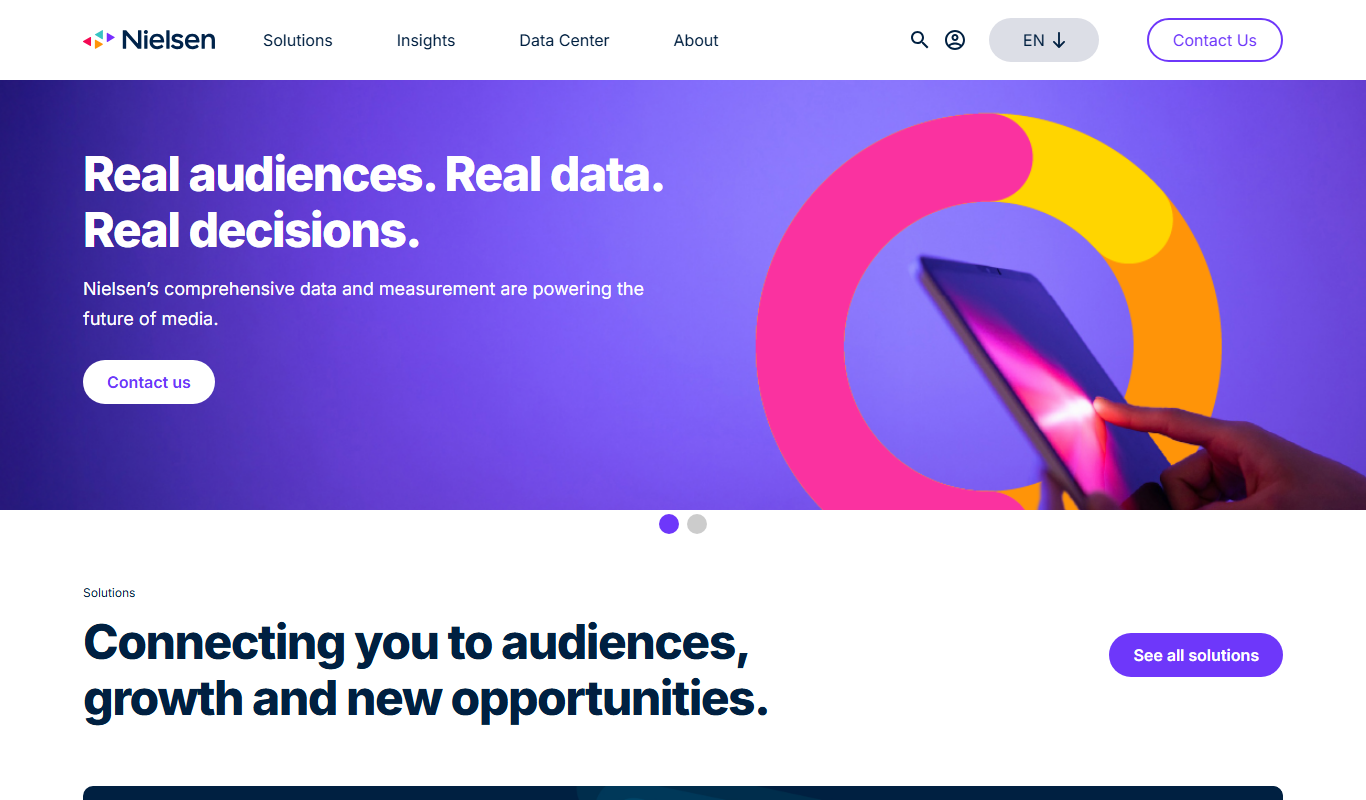
Nielsen Market Research
Nielsen Market Research provides detailed consumer and media data analytics to help businesses understand market trends, measure audience engagement, and optimize marketing strategies.

Coupler.io
Coupler.io is a no-code data integration tool that automates importing and syncing data between apps and data warehouses, enabling scheduled data refreshes and streamlined reporting without coding.

Zindi
Zindi is a free online platform hosting data science and machine learning competitions that connect organizations with a global community of data scientists to solve real-world problems.

Matomo
Matomo is an open-source web analytics platform that provides detailed visitor insights while ensuring full data ownership and privacy compliance, available as self-hosted or cloud solutions.