

From my experience with Facebook Prophet, I found it excels at simplifying complex time series forecasting tasks with minimal setup. Its ability to automatically model multiple seasonalities and incorporate holiday effects makes it highly practical for business and research forecasting needs. After spending time with the platform, I can say it’s particularly well-suited for data scientists and analysts who want reliable predictions without deep statistical modeling expertise. However, there’s a trade-off: Prophet is limited to univariate forecasting and is not designed for real-time streaming data. Overall, if you need robust batch forecasting with clear uncertainty estimates, this tool delivers solid results.
Facebook Prophet Time Series Forecasting Tool for Data Analysis and Prediction
Facebook Prophet is an open-source forecasting tool by Meta designed to produce reliable time series predictions with support for seasonality, holidays, and uncertainty intervals.
- Best for
- Business Forecasting
- Key capability
- Automatic Seasonality Detection

Do you recommend this tool?
What is prophet?
Facebook Prophet is an open-source forecasting tool designed for producing high-quality time series predictions. Developed by Facebook’s Core Data Science team, Prophet is built to handle common challenges in forecasting such as seasonality, holidays, and missing data. It is accessible via Python and R interfaces, making it popular among data scientists and analysts for business and research applications.
Key features of prophet
Prophet offers automated forecasting with intuitive parameters, supports multiple seasonalities, incorporates holiday effects, and provides uncertainty intervals. It is robust to missing data and shifts in trends, enabling users to generate reliable forecasts with minimal manual tuning.
Automatic Seasonality Detection
Automatically models daily, weekly, and yearly seasonal patterns without manual configuration.
Holiday Effects Integration
Allows users to include custom holiday and event effects to improve forecast accuracy.
Robust to Missing Data
Handles gaps and irregularities in time series data gracefully.
Uncertainty Intervals
Provides confidence intervals around forecasts to quantify prediction uncertainty.
Scalable and Fast
Efficiently processes large datasets suitable for production environments.
Pros and cons of prophet
Pros
- Easy to use with minimal configuration
- Handles complex seasonal patterns and holidays
- Open-source with active community support
- Provides uncertainty estimates for forecasts
Cons
- Limited to univariate time series forecasting
- Not optimized for real-time streaming data
- Requires some statistical knowledge for advanced tuning
Key use cases for prophet
Business Forecasting
Generate accurate forecasts for sales, inventory, and demand planning to optimize business operations.
Financial Market Prediction
Analyze historical financial data to predict stock prices, market trends, and economic indicators.
Resource Allocation
Forecast resource needs such as staffing or energy consumption based on historical usage patterns.
Event Impact Analysis
Model the effects of holidays, promotions, or other events on time series data to improve planning.
Anomaly Detection
Identify unusual patterns or outliers in time series data for monitoring and alerting purposes.
How prophet works
- 1
Install and Import
Install Prophet via package managers like pip or CRAN and import it into your Python or R environment.
- 2
Prepare Data
Format your historical time series data with timestamps and values in the required structure.
- 3
Fit Model
Use Prophet’s API to fit the forecasting model to your historical data, specifying any holidays or seasonalities.
- 4
Make Predictions
Generate future forecasts with confidence intervals using the trained model.
- 5
Visualize Results
Plot the forecasted values, trend components, and seasonal effects for interpretation.
Who is using prophet
Data scientists
Business analysts
Financial analysts
Operations managers
Researchers
prophet pricing
Free
$0
Open-source software available for free use under the MIT License.
Plans and prices are as published by the vendor and can change. Check the official site before you buy. Open the pricing page (opens in a new tab)
Frequently asked questions about prophet
Prophet supports Python and R programming languages.
Prophet is designed for batch forecasting and may require additional infrastructure for real-time use.
Yes, Prophet automatically models multiple seasonal patterns such as daily, weekly, and yearly.
Yes, Prophet is open-source and free under the MIT License.
It depends on your specific needs and how you plan to use the tool. The official website and documentation are the best sources for the latest details.
Some tools offer a free plan or trial with limited features. Availability can vary, so confirm on the official website.
It depends on your specific needs and how you plan to use the tool. The official website and documentation are the best sources for the latest details.
Data handling and security practices vary by provider. Review the official privacy policy to understand how your data is stored and used.
Sign in to review this tool.
Sign In to ReviewNo reviews yet
Be the first to share how this tool worked for you.
Ask about pricing, limits, or how it compares — or answer someone else.
Sign In to AskNo questions yet
Have a question about using or paying for this tool? Be the first to ask.
Featured on TiorAI



More AI Analytics Assistant tools
Other tools in the same category, for when this one is not quite the fit.

Custom Pricing
Veraset
Veraset provides privacy-compliant, high-quality location data via API and web platform to support marketing, retail, and urban planning analytics.
Custom Pricing
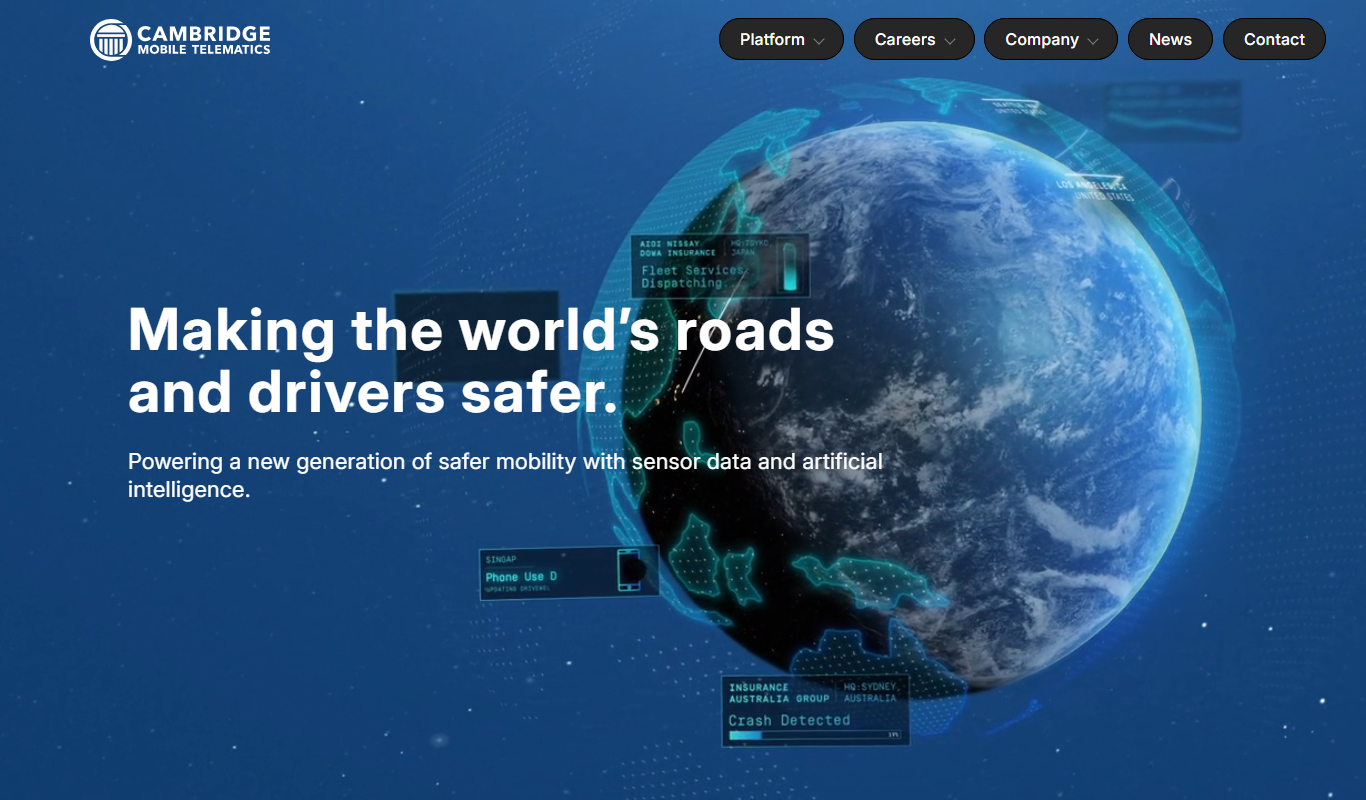
Cambridge Mobile Telematics
Cambridge Mobile Telematics provides a mobile telematics platform that uses smartphone sensors and AI to analyze driver behavior, enabling insurers and fleet managers to assess risk, improve safety, and reduce accidents.
Free
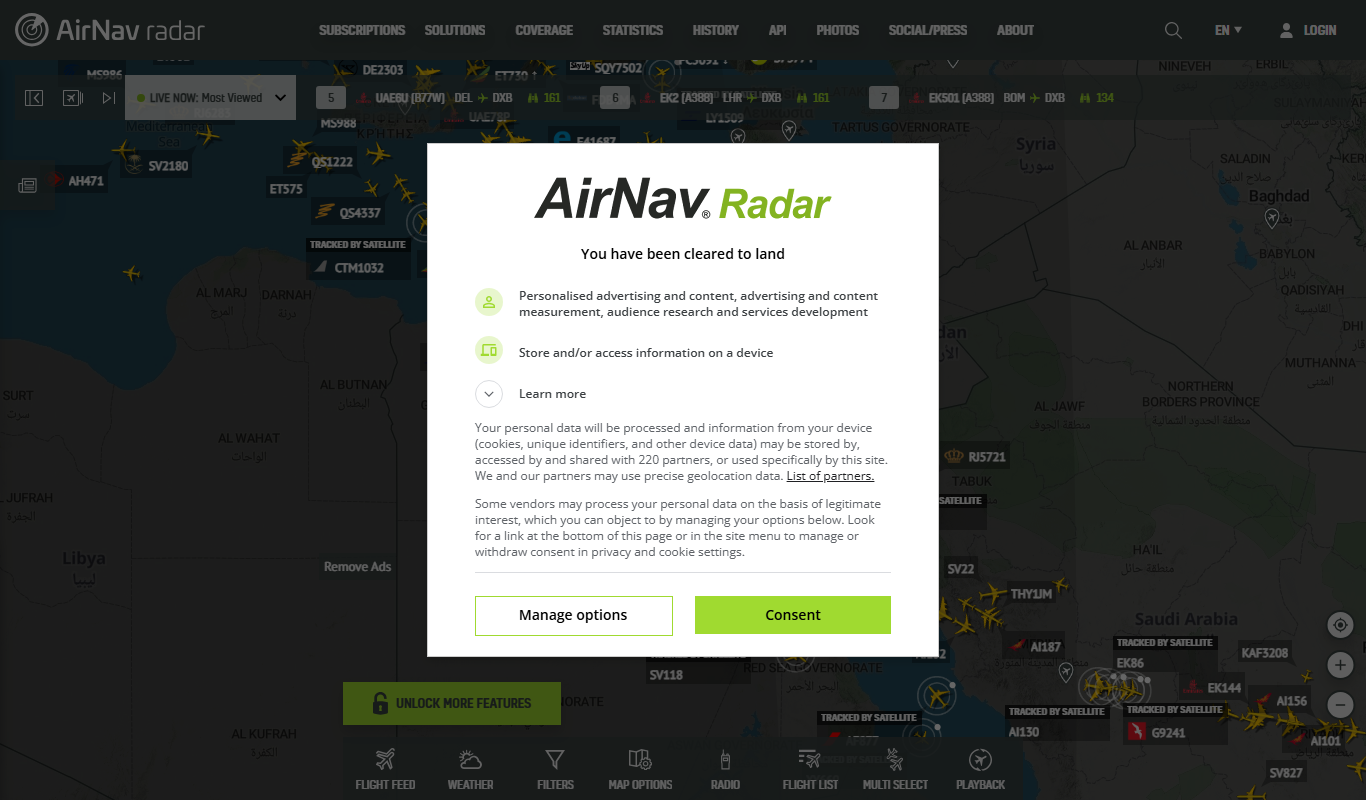
RadarBox
RadarBox is a real-time flight tracking platform offering live aircraft positions, flight history, and aviation data accessible via web and mobile apps.

Free
DeFiChain
DeFiChain is a blockchain platform focused on decentralized finance, enabling fast, secure, and low-cost DeFi applications integrated with Bitcoin.
Custom Pricing
Liquidnet
Liquidnet is a global institutional trading platform that connects asset managers and brokers to execute large block equity trades anonymously via a dark pool, providing liquidity and advanced analytics to optimize trade execution.

Free
Yearn Finance
Yearn Finance is a decentralized finance platform that automates yield farming strategies using smart contracts to maximize returns on Ethereum-based crypto assets.
Free
Stock Rover
Stock Rover is an investment research platform that provides advanced stock screening, portfolio analytics, and comprehensive financial data to help investors analyze and manage their investments effectively.
Free
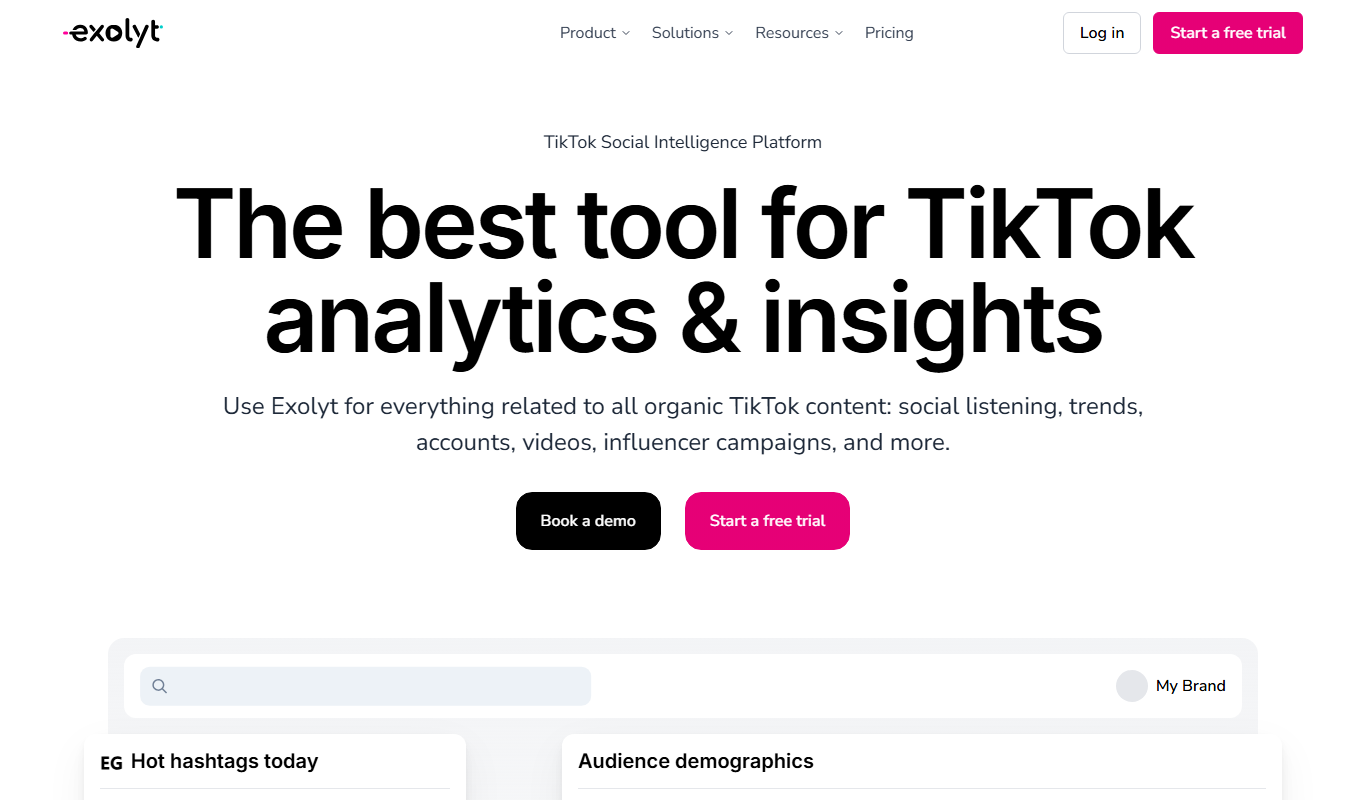
Exolyt
Exolyt is a TikTok analytics tool that helps marketers and influencers track video performance, analyze competitors, and monitor follower growth to optimize TikTok marketing strategies.