

From my experience with dMunity, it stands out for its clear focus on decentralized community governance and token integration. The platform’s user-friendly interface makes managing complex DAO structures accessible even for those new to blockchain technology. However, its web-only availability and limited language options might restrict accessibility for some users. Overall, if you’re looking to build or manage a transparent, tokenized community with decentralized decision-making, dMunity offers a solid and practical solution.
dMunity Platform for Decentralized Community Building and Engagement
dMunity is a decentralized platform that enables users to build and manage blockchain-based communities and DAOs with token integration and transparent governance.
- Best for
- Decentralized Community Building
- Key capability
- Decentralized Governance


Do you recommend this tool?
What is dMunity?
dMunity is a decentralized platform designed to empower communities by leveraging blockchain technology. It enables users to build, manage, and engage with communities in a transparent and democratic way, often through decentralized autonomous organizations (DAOs). The platform supports token integration, voting mechanisms, and other Web3 features to foster active participation and governance.
Key features of dMunity
dMunity offers tools for decentralized community creation, DAO governance, token-based incentives, and member engagement. Its blockchain foundation ensures transparency and security, making it suitable for communities seeking decentralized control and collaboration.
Decentralized Governance
Enables transparent decision-making through blockchain-based voting and proposal systems.
Token Integration
Supports cryptocurrency tokens to reward members and manage access rights.
Community Analytics
Provides insights into member activity and engagement to help optimize community growth.
User-Friendly Interface
Offers an intuitive web platform that simplifies managing complex decentralized communities.
Pros and cons of dMunity
Pros
- Enables transparent and democratic community governance
- Supports token-based incentives and access control
- User-friendly platform for managing complex decentralized communities
Cons
- Primarily web-based, no mobile app available
- Limited language support currently
- Subscription pricing may be high for small communities
Key use cases for dMunity
Decentralized Community Building
Create and manage communities that operate on blockchain technology, enabling transparent governance and member participation.
DAO Management
Facilitate decentralized autonomous organizations with tools for voting, proposals, and collective decision-making.
Member Engagement
Engage community members through interactive features, rewards, and transparent communication channels.
Token Integration
Integrate cryptocurrency tokens to incentivize participation and manage access within communities.
How dMunity works
- 1
Sign Up and Create a Community
Users register on dMunity and initiate a new decentralized community or join existing ones.
- 2
Set Up Governance Rules
Define voting protocols, membership criteria, and tokenomics to establish community governance.
- 3
Engage Members
Use built-in tools to communicate, propose initiatives, and incentivize participation with tokens.
- 4
Manage and Grow
Monitor community activity, adjust governance parameters, and expand membership organically.
Who is using dMunity
Blockchain enthusiasts
DAO organizers
Community managers
Crypto projects
Social groups seeking decentralized governance
dMunity pricing
Free
$0/month
Basic community creation and management features with limited token integrations.
Pro
$49/month
Advanced governance tools, full token integration, and priority support.
Plans and prices are as published by the vendor and can change. Check the official site before you buy. Open the pricing page (opens in a new tab)
Frequently asked questions about dMunity
dMunity is used to create and manage decentralized communities and DAOs with blockchain-based governance.
Yes, the platform supports integrating cryptocurrency tokens to incentivize community participation.
Yes, dMunity offers a user-friendly interface designed to simplify decentralized community management.
Yes, it can help with that use case depending on how you configure it and what features are available. You’ll get the best results with clear inputs and a defined goal.
Integration support depends on the tool and its available connectors or API. Check the official documentation or integrations page to confirm what is supported.
It depends on your specific needs and how you plan to use the tool. The official website and documentation are the best sources for the latest details.
Sign in to review this tool.
Sign In to ReviewNo reviews yet
Be the first to share how this tool worked for you.
Ask about pricing, limits, or how it compares — or answer someone else.
Sign In to AskNo questions yet
Have a question about using or paying for this tool? Be the first to ask.
Featured on TiorAI



Alternative Tools
Explore similar AI tools that might fit your needs

Free
Aragon
Aragon is a decentralized platform that enables users to create and manage DAOs on the Ethereum blockchain, providing tools for governance, voting, and treasury management through smart contracts.
Free
DAOstack
DAOstack is an open-source platform that enables the creation and management of decentralized autonomous organizations (DAOs) on Ethereum, providing modular governance frameworks, token-based voting, and transparent decision-making tools.
More AI Analytics Assistant tools
Other tools in the same category, for when this one is not quite the fit.

Custom Pricing
Veraset
Veraset provides privacy-compliant, high-quality location data via API and web platform to support marketing, retail, and urban planning analytics.
Custom Pricing
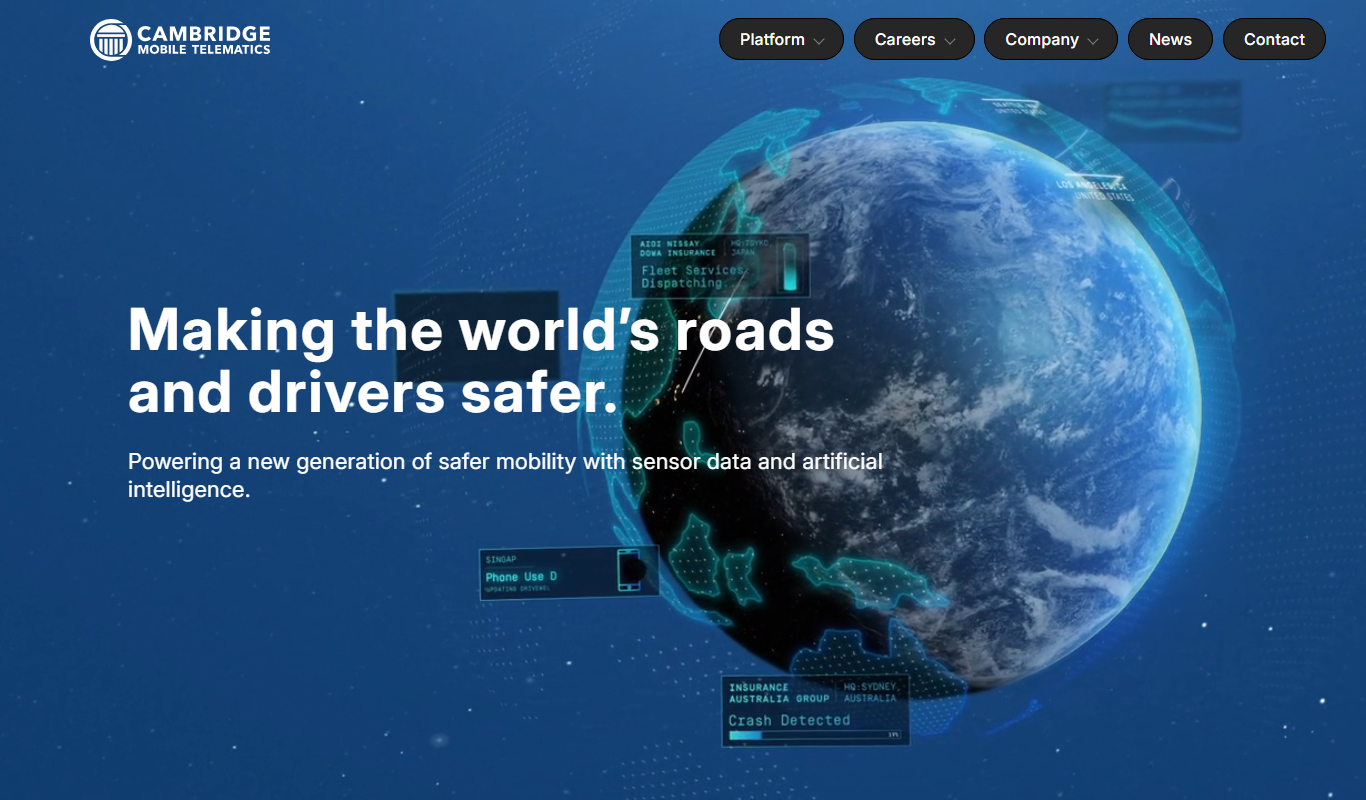
Cambridge Mobile Telematics
Cambridge Mobile Telematics provides a mobile telematics platform that uses smartphone sensors and AI to analyze driver behavior, enabling insurers and fleet managers to assess risk, improve safety, and reduce accidents.
Free
RadarBox
RadarBox is a real-time flight tracking platform offering live aircraft positions, flight history, and aviation data accessible via web and mobile apps.

Free
DeFiChain
DeFiChain is a blockchain platform focused on decentralized finance, enabling fast, secure, and low-cost DeFi applications integrated with Bitcoin.
Custom Pricing
Liquidnet
Liquidnet is a global institutional trading platform that connects asset managers and brokers to execute large block equity trades anonymously via a dark pool, providing liquidity and advanced analytics to optimize trade execution.

Free
Yearn Finance
Yearn Finance is a decentralized finance platform that automates yield farming strategies using smart contracts to maximize returns on Ethereum-based crypto assets.
Free
Stock Rover
Stock Rover is an investment research platform that provides advanced stock screening, portfolio analytics, and comprehensive financial data to help investors analyze and manage their investments effectively.
Free
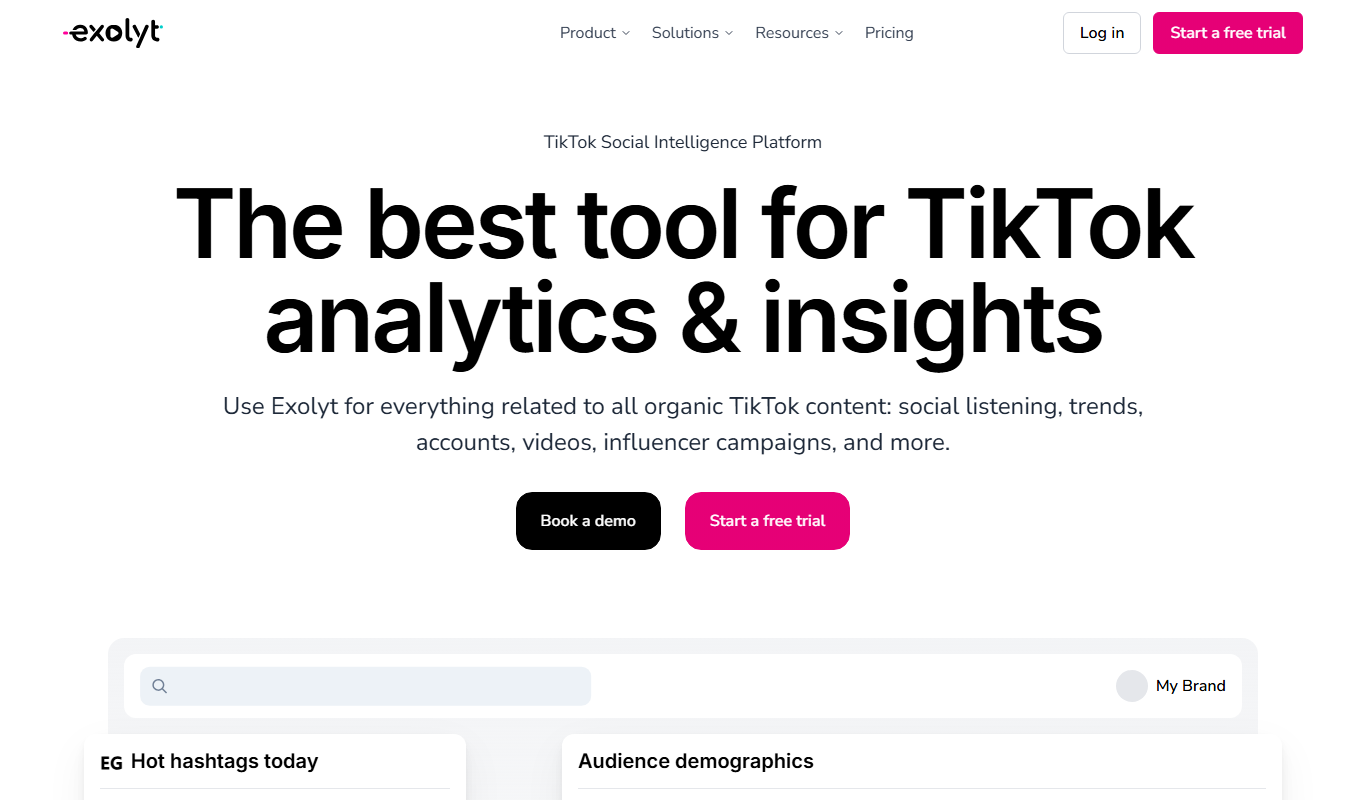
Exolyt
Exolyt is a TikTok analytics tool that helps marketers and influencers track video performance, analyze competitors, and monitor follower growth to optimize TikTok marketing strategies.