

From my experience with data.world, I found it excels at enabling collaborative data projects through its intuitive data catalog and governance features. The platform’s ability to integrate multiple data sources and provide a centralized workspace makes it particularly well-suited for data teams and enterprises aiming to improve data accessibility and compliance. However, the advanced governance and integration capabilities come with a learning curve and require paid plans, which might be a consideration for smaller teams. Overall, if your goal is to streamline data collaboration and governance in a secure environment, data.world delivers a robust and flexible solution.
Data.world Platform for Collaborative Data Management and Analytics
data.world is a cloud-based platform that enables teams to collaborate on data projects by providing data cataloging, governance, and analytics tools in one environment.
- Best for
- Data Collaboration
- Key capability
- Collaborative Data Workspaces

Do you recommend this tool?
What is Data.world?
data.world is a cloud-native data collaboration platform designed to help organizations discover, understand, and use data more effectively. It combines data cataloging, governance, and analytics in a single environment that supports teamwork and data sharing across departments and external partners.
Key features of Data.world
The platform offers a comprehensive data catalog, collaborative workspaces, query and visualization tools, data governance controls, and integrations with popular data sources and BI tools.
Collaborative Data Workspaces
Shared environments where teams can work together on datasets, queries, and dashboards.
Comprehensive Data Catalog
Organize datasets with rich metadata, lineage, and tagging for easy discovery.
Integrated Query and Visualization Tools
Run SQL queries and create visualizations directly within the platform.
Robust Data Governance
Control data access, track lineage, and ensure compliance with governance policies.
Extensive Integrations
Connect with databases, BI tools, cloud platforms, and APIs for seamless data workflows.
Pros and cons of Data.world
Pros
- Intuitive interface for data collaboration and cataloging
- Strong governance and security controls
- Supports integration with many data sources and BI tools
- Flexible pricing plans including a free tier
- Facilitates teamwork with shared workspaces and commenting
Cons
- Advanced features require paid plans with custom pricing
- Learning curve for users unfamiliar with data catalog concepts
- Limited language support, primarily English
Key use cases for Data.world
Data Collaboration
Enable teams and organizations to collaborate on data projects by sharing datasets, queries, and insights in a centralized platform.
Data Cataloging
Organize and catalog datasets with metadata, descriptions, and tags to improve discoverability and governance.
Data Analytics
Perform data analysis by connecting to various data sources and using integrated tools to query and visualize data.
Data Governance
Manage data access permissions, compliance, and quality controls to ensure secure and compliant data usage.
Data Integration
Connect and integrate data from multiple sources including databases, cloud storage, and APIs for unified analysis.
How Data.world works
- 1
Create an Account
Sign up on data.world to start building your data projects and collaborate with others.
- 2
Upload or Connect Data
Import datasets or connect live data sources such as databases and cloud storage.
- 3
Catalog and Document
Add metadata, tags, and descriptions to datasets to improve discoverability and governance.
- 4
Collaborate and Analyze
Invite team members to work together on queries, visualizations, and data projects.
- 5
Manage Access and Compliance
Set permissions and monitor data usage to ensure security and compliance.
Who is using Data.world
Data analysts and scientists
Business intelligence teams
Data governance professionals
Enterprise IT departments
Research organizations
Data.world pricing
Free
$0/month
Basic access with limited datasets and collaborators, suitable for individuals and small teams.
Team
Contact for pricing
Enhanced collaboration features, more storage, and support for growing teams.
Enterprise
Custom pricing
Advanced governance, security, integrations, and dedicated support for large organizations.
Plans and prices are as published by the vendor and can change. Check the official site before you buy. Open the pricing page (opens in a new tab)
Frequently asked questions about Data.world
Yes, data.world offers a free plan that is ideal for individuals and small teams to manage and share datasets.
Yes, data.world supports integrations with various databases and cloud data sources for live data connections.
Yes, the platform includes tools for managing data access, lineage, and compliance to support governance requirements.
Users can create shared workspaces, comment on datasets, and co-author queries and visualizations.
This tool is designed to help users accomplish its core tasks more efficiently. It is typically used by individuals or teams looking to improve productivity and workflow.
Data handling and security practices vary by provider. Review the official privacy policy to understand how your data is stored and used.
Data handling and security practices vary by provider. Review the official privacy policy to understand how your data is stored and used.
Some tools offer a free plan or trial with limited features. Availability can vary, so confirm on the official website.
Sign in to review this tool.
Sign In to ReviewNo reviews yet
Be the first to share how this tool worked for you.
Ask about pricing, limits, or how it compares — or answer someone else.
Sign In to AskNo questions yet
Have a question about using or paying for this tool? Be the first to ask.
Featured on TiorAI



Alternative Tools
Explore similar AI tools that might fit your needs

Enterprise
Alteryx
Alteryx is a no-code data analytics platform that enables users to prepare, blend, and analyze data through visual workflows, supporting predictive analytics and automation.

Subscription
Snowflake
Snowflake is a cloud-based data platform that provides scalable data warehousing, analytics, and secure data sharing with support for structured and semi-structured data.
More AI Analytics Assistant tools
Other tools in the same category, for when this one is not quite the fit.

Custom Pricing
Veraset
Veraset provides privacy-compliant, high-quality location data via API and web platform to support marketing, retail, and urban planning analytics.
Custom Pricing
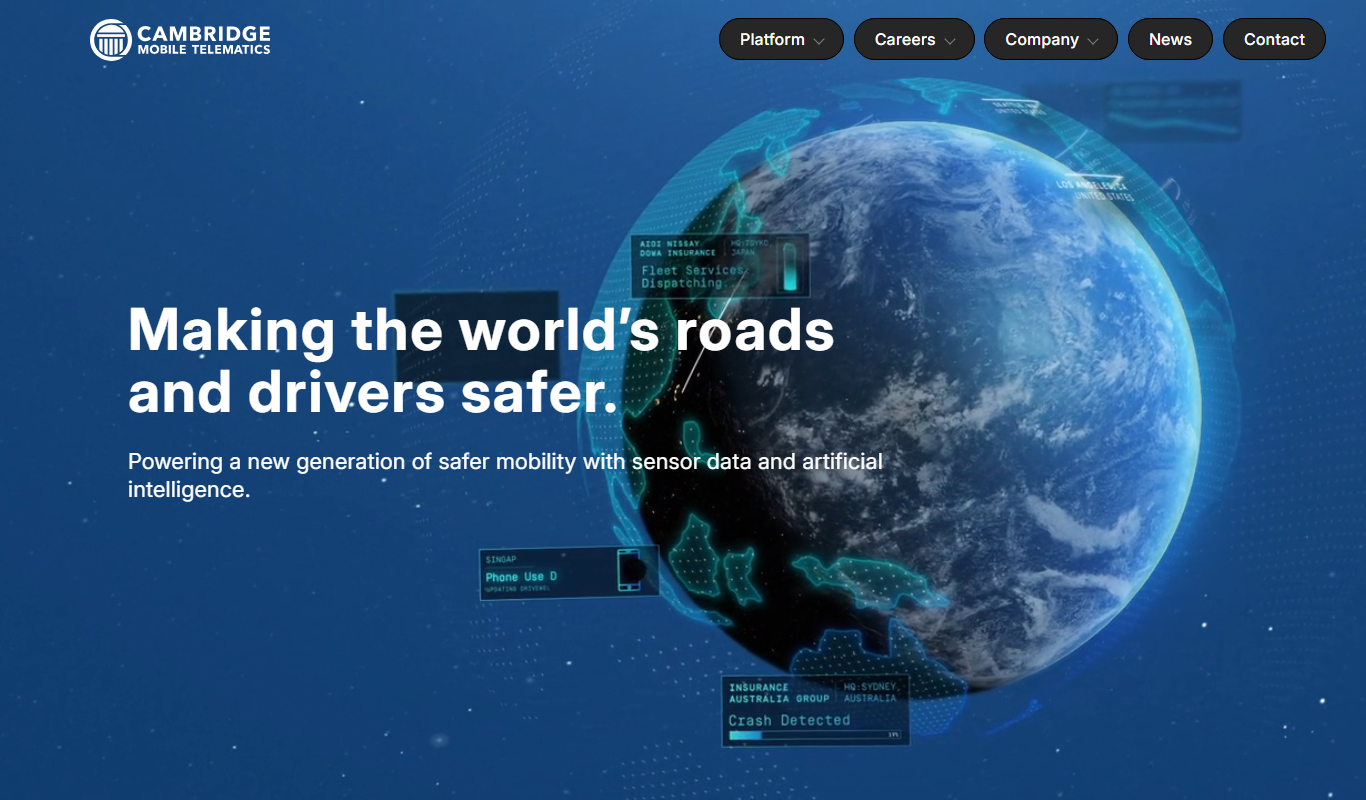
Cambridge Mobile Telematics
Cambridge Mobile Telematics provides a mobile telematics platform that uses smartphone sensors and AI to analyze driver behavior, enabling insurers and fleet managers to assess risk, improve safety, and reduce accidents.
Free
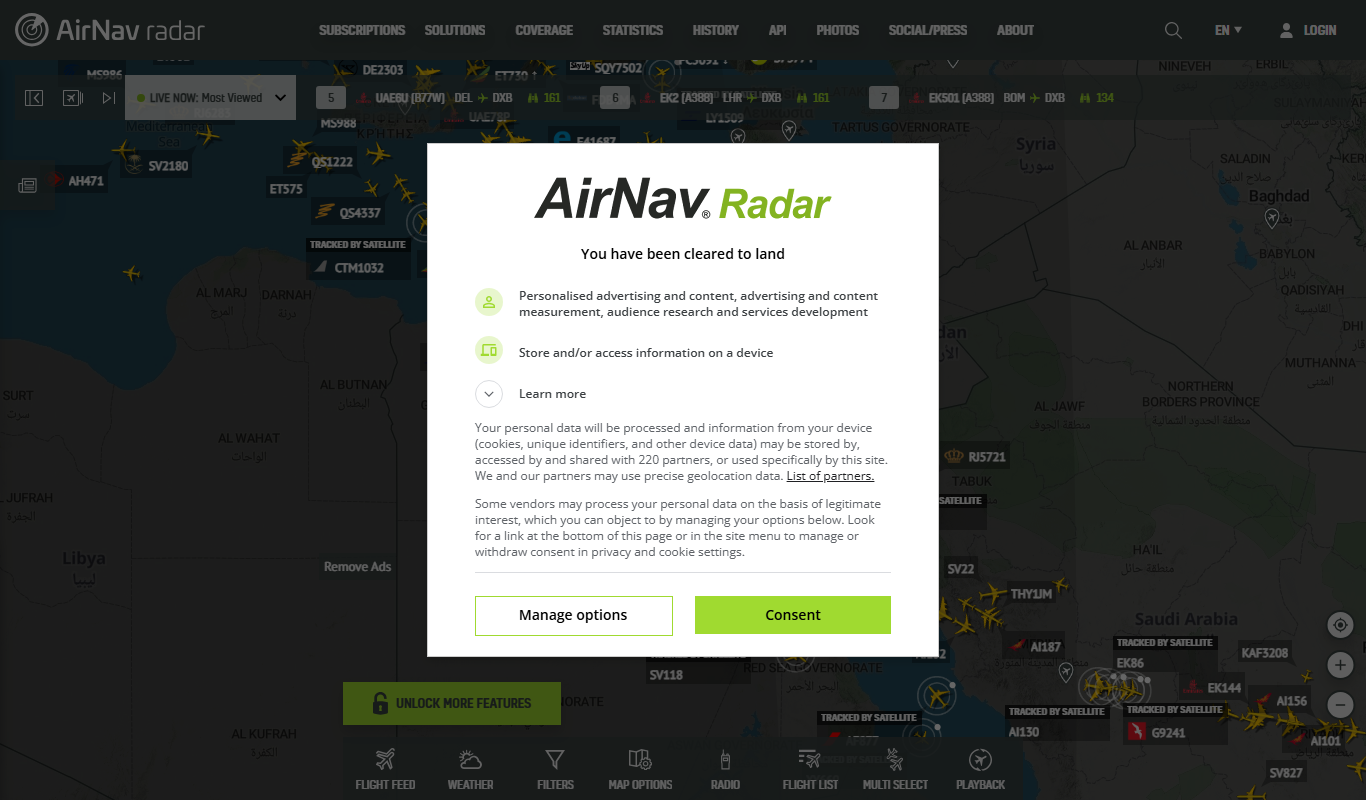
RadarBox
RadarBox is a real-time flight tracking platform offering live aircraft positions, flight history, and aviation data accessible via web and mobile apps.

Free
DeFiChain
DeFiChain is a blockchain platform focused on decentralized finance, enabling fast, secure, and low-cost DeFi applications integrated with Bitcoin.
Custom Pricing
Liquidnet
Liquidnet is a global institutional trading platform that connects asset managers and brokers to execute large block equity trades anonymously via a dark pool, providing liquidity and advanced analytics to optimize trade execution.

Free
Yearn Finance
Yearn Finance is a decentralized finance platform that automates yield farming strategies using smart contracts to maximize returns on Ethereum-based crypto assets.
Free
Stock Rover
Stock Rover is an investment research platform that provides advanced stock screening, portfolio analytics, and comprehensive financial data to help investors analyze and manage their investments effectively.
Free
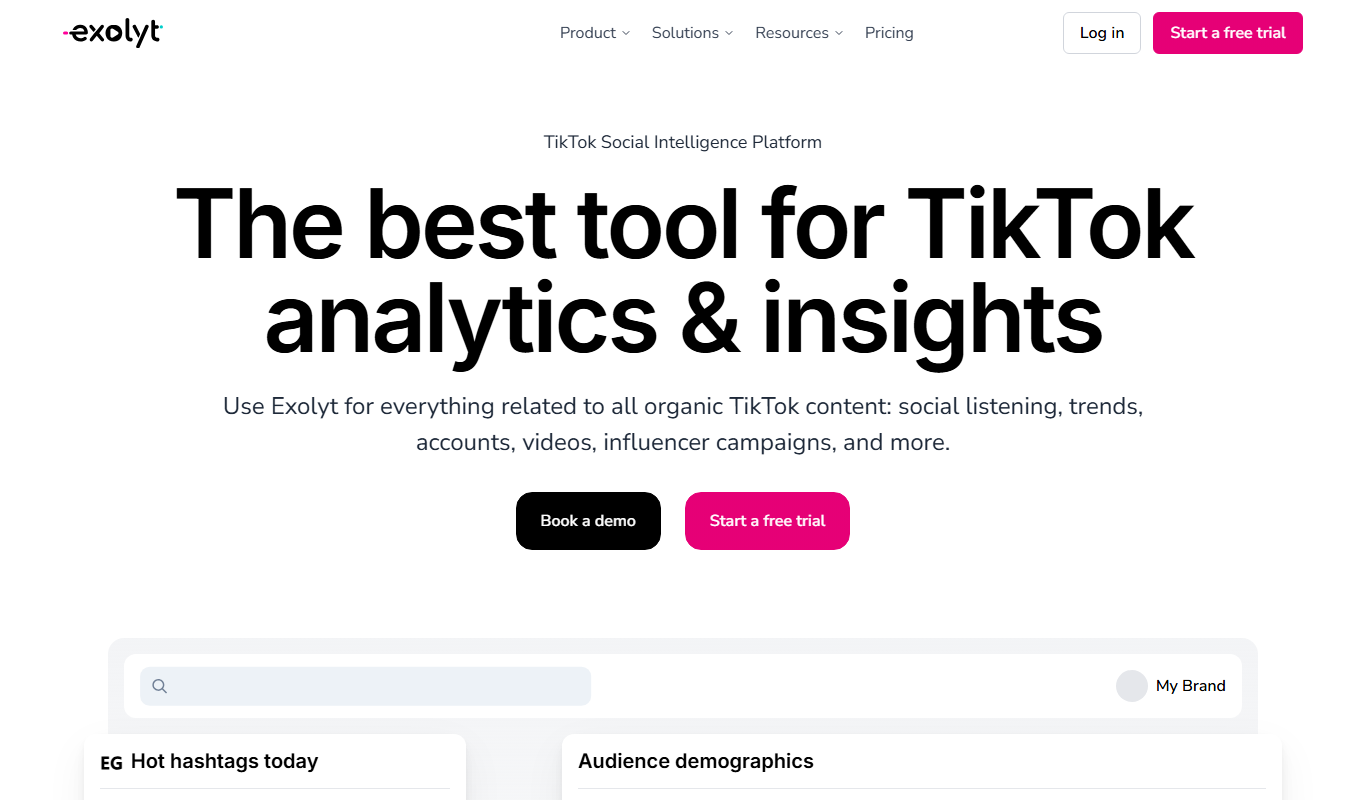
Exolyt
Exolyt is a TikTok analytics tool that helps marketers and influencers track video performance, analyze competitors, and monitor follower growth to optimize TikTok marketing strategies.