

From my experience with D-Sight, I found it excels at structuring complex decisions with clarity and transparency. The platform’s multi-criteria analysis capabilities combined with interactive visualizations make it easier to understand trade-offs and reach consensus among stakeholders. It’s particularly well-suited for business managers and project leaders who need to evaluate multiple options systematically. However, the lack of publicly available pricing and the learning curve for advanced features may require some upfront investment in training. Overall, if you need a robust tool to support collaborative, data-driven decision-making, D-Sight delivers reliable and insightful results.
D-Sight Decision-Making Software for Data-Driven Business Analysis
D-Sight is a decision-making software platform that uses multi-criteria decision analysis to help organizations evaluate options, collaborate, and make informed business decisions.
- Best for
- Multi-Criteria Decision Analysis
- Key capability
- Multi-Criteria Decision Analysis Engine

Do you recommend this tool?
What is D-Sight?
D-Sight is a decision-making software platform designed to support organizations in making complex, data-driven decisions. It leverages multi-criteria decision analysis (MCDA) techniques to help users evaluate alternatives against multiple factors, visualize results, and collaborate effectively. The tool is widely used in business management, project prioritization, supplier selection, and risk assessment contexts.
Key features of D-Sight
D-Sight offers interactive dashboards, customizable criteria weighting, scenario analysis, collaborative workflows, and comprehensive reporting tools. Its visual analytics help users understand trade-offs and sensitivities in decision options, enabling transparent and justifiable outcomes.
Multi-Criteria Decision Analysis Engine
Robust algorithms to evaluate alternatives across multiple weighted criteria.
Interactive Visualizations
Dynamic charts and graphs to illustrate trade-offs, rankings, and sensitivity analyses.
Collaborative Platform
Tools for team input, discussion, and consensus building within the decision process.
Scenario and Sensitivity Analysis
Explore how changes in criteria weights or data affect decision outcomes.
Customizable Reporting
Generate exportable reports tailored to stakeholder needs and decision documentation.
Pros and cons of D-Sight
Pros
- Facilitates transparent and structured decision-making
- Supports collaboration among diverse stakeholders
- Offers powerful visualization and scenario analysis
- Customizable to various decision contexts
- Strong support for multi-criteria evaluation
Cons
- Pricing details are not publicly disclosed
- May require training for complex decision setups
- Limited information on tech stack and integrations
Key use cases for D-Sight
Multi-Criteria Decision Analysis
Helps organizations evaluate and prioritize options based on multiple criteria to make informed decisions.
Collaborative Decision Making
Supports teams in sharing data, insights, and preferences to reach consensus on complex decisions.
Risk and Impact Assessment
Enables users to assess risks and impacts associated with different choices to optimize outcomes.
Project and Portfolio Management
Assists in selecting and prioritizing projects or investments aligned with strategic goals.
Supplier and Vendor Evaluation
Facilitates objective evaluation and ranking of suppliers based on customizable criteria.
How D-Sight works
- 1
Define Decision Context
Set up the decision problem by identifying alternatives and relevant evaluation criteria.
- 2
Assign Weights and Scores
Input data and assign weights to criteria to reflect their relative importance.
- 3
Analyze and Visualize
Use built-in analytics and visualization tools to compare alternatives and explore scenarios.
- 4
Collaborate and Refine
Share results with stakeholders, gather feedback, and adjust inputs to reach consensus.
- 5
Generate Reports
Produce detailed reports to document the decision process and support communication.
Who is using D-Sight
Business managers and executives
Project portfolio managers
Procurement and supply chain professionals
Consultants and analysts
Public sector decision-makers
D-Sight pricing
Standard
Contact for pricing
Access to core decision-making features suitable for small to medium organizations.
Enterprise
Contact for pricing
Advanced features, customization, and dedicated support for large organizations.
Plans and prices are as published by the vendor and can change. Check the official site before you buy. Open the pricing page (opens in a new tab)
Frequently asked questions about D-Sight
D-Sight is used across various sectors including manufacturing, energy, healthcare, and public administration.
Yes, D-Sight supports collaborative workflows allowing teams to contribute and review decisions.
D-Sight offers onboarding support and training resources to help users get started effectively.
Integration capabilities depend on the plan; custom integrations can be discussed with the vendor.
This tool is designed to help users accomplish its core tasks more efficiently. It is typically used by individuals or teams looking to improve productivity and workflow.
Yes, it can help with that use case depending on how you configure it and what features are available. You’ll get the best results with clear inputs and a defined goal.
It depends on your specific needs and how you plan to use the tool. The official website and documentation are the best sources for the latest details.
It depends on your specific needs and how you plan to use the tool. The official website and documentation are the best sources for the latest details.
Sign in to review this tool.
Sign In to ReviewNo reviews yet
Be the first to share how this tool worked for you.
Ask about pricing, limits, or how it compares — or answer someone else.
Sign In to AskNo questions yet
Have a question about using or paying for this tool? Be the first to ask.
Featured on TiorAI



Alternative Tools
Explore similar AI tools that might fit your needs

Custom Pricing
Decision Lens
Decision Lens is a cloud-based decision support tool that helps organizations prioritize projects and allocate resources efficiently through collaborative multi-criteria analysis and scenario modeling.
More AI Analytics Assistant tools
Other tools in the same category, for when this one is not quite the fit.

Custom Pricing
Veraset
Veraset provides privacy-compliant, high-quality location data via API and web platform to support marketing, retail, and urban planning analytics.
Custom Pricing
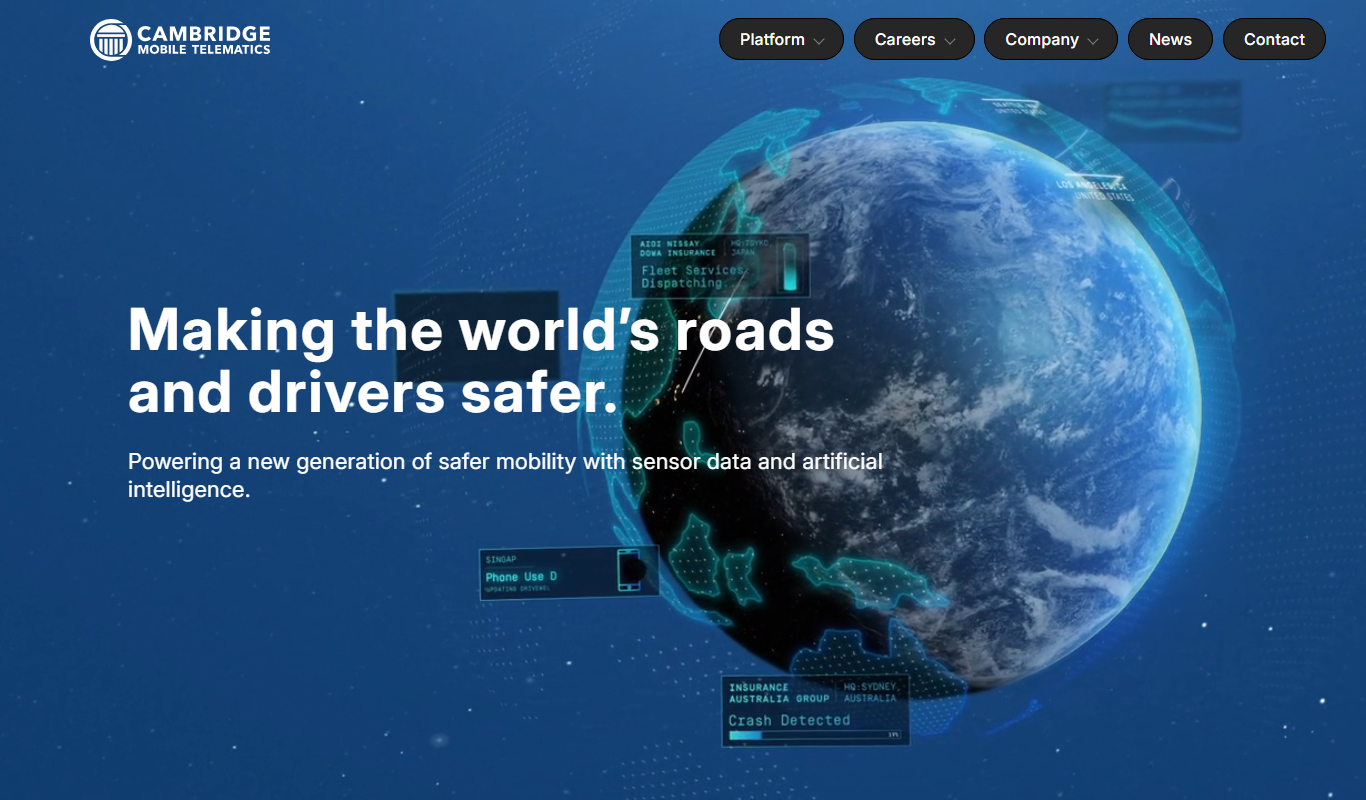
Cambridge Mobile Telematics
Cambridge Mobile Telematics provides a mobile telematics platform that uses smartphone sensors and AI to analyze driver behavior, enabling insurers and fleet managers to assess risk, improve safety, and reduce accidents.
Free
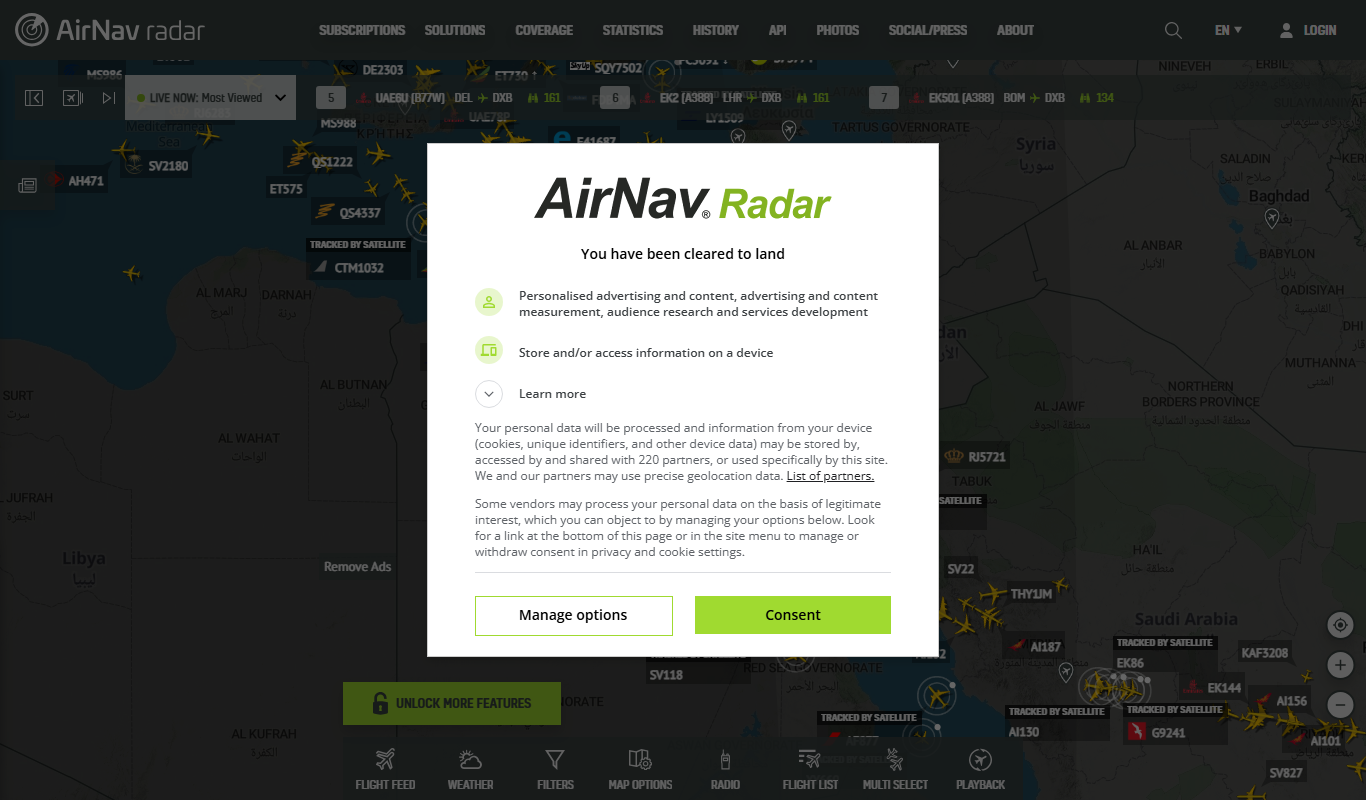
RadarBox
RadarBox is a real-time flight tracking platform offering live aircraft positions, flight history, and aviation data accessible via web and mobile apps.

Free
DeFiChain
DeFiChain is a blockchain platform focused on decentralized finance, enabling fast, secure, and low-cost DeFi applications integrated with Bitcoin.
Custom Pricing
Liquidnet
Liquidnet is a global institutional trading platform that connects asset managers and brokers to execute large block equity trades anonymously via a dark pool, providing liquidity and advanced analytics to optimize trade execution.

Free
Yearn Finance
Yearn Finance is a decentralized finance platform that automates yield farming strategies using smart contracts to maximize returns on Ethereum-based crypto assets.
Free
Stock Rover
Stock Rover is an investment research platform that provides advanced stock screening, portfolio analytics, and comprehensive financial data to help investors analyze and manage their investments effectively.
Free
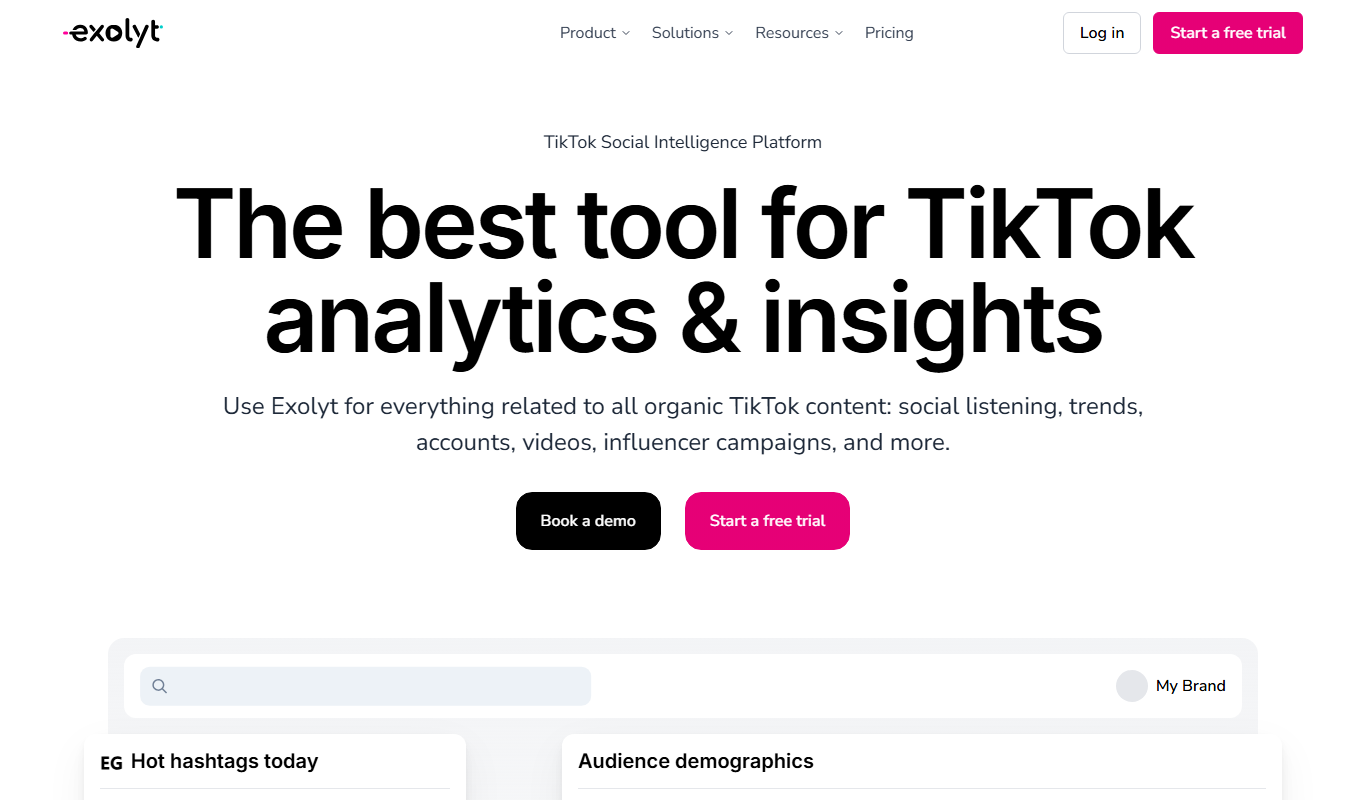
Exolyt
Exolyt is a TikTok analytics tool that helps marketers and influencers track video performance, analyze competitors, and monitor follower growth to optimize TikTok marketing strategies.