

BigID Data Privacy Platform for Enterprise Data Discovery and Compliance
BigID is an enterprise data intelligence platform that automates sensitive data discovery, classification, and privacy compliance to help organizations manage data risks and comply with regulations like GDPR and CCPA.
- Best for
- Data Discovery and Classification
- Key capability
- Automated Sensitive Data Discovery
Save BigID, follow its updates and vote on it — everything stays in your account.
Sign in or create a free accountWhat is BigID?
BigID is an enterprise data intelligence platform focused on data privacy, protection, and governance. It uses advanced machine learning and automation to discover, classify, and map sensitive data across complex IT environments. The platform helps organizations comply with privacy regulations, manage data risks, and enforce governance policies by providing a comprehensive view of personal and sensitive data.
Key features of BigID
BigID offers automated data discovery, sensitive data classification, privacy compliance workflows, risk analysis, and data subject rights management. It integrates with various data sources and systems to provide a unified data privacy and governance solution.
Automated Sensitive Data Discovery
Leverages machine learning to identify personal and sensitive data across structured and unstructured sources.
Comprehensive Data Mapping
Creates detailed data maps to visualize data flows and support privacy compliance.
Privacy Regulation Compliance
Supports GDPR, CCPA, HIPAA, and other regulations with tailored compliance workflows.
Data Subject Rights Automation
Automates handling of data subject access requests and consent management.
Risk and Impact Analytics
Provides dashboards and reports to assess privacy risks and data exposure.
Pros and cons of BigID
Pros
- Comprehensive automated data discovery and classification
- Strong support for multiple privacy regulations
- Scalable for large enterprise environments
- Robust data governance and risk analytics
- Automates complex privacy workflows
Cons
- Pricing is custom and may be expensive for smaller organizations
- Primarily targeted at enterprises, less suitable for small businesses
- Implementation can be complex depending on data environment
Key use cases for BigID
Data Discovery and Classification
Automatically identify and classify sensitive and personal data across enterprise data stores to support privacy compliance and risk management.
Privacy Compliance Management
Help organizations comply with global privacy regulations such as GDPR, CCPA, HIPAA by providing data mapping, consent management, and risk assessment.
Data Governance and Security
Enable data governance teams to enforce policies, monitor data access, and manage data lifecycle to reduce risk and improve data security.
Risk and Impact Analysis
Assess data privacy risks and potential impacts through automated analytics and reporting to support decision-making and audit readiness.
Data Subject Rights Management
Automate processes for responding to data subject access requests (DSARs) and other privacy-related inquiries efficiently.
How BigID works
- 1
Connect Data Sources
Integrate BigID with your enterprise data repositories, cloud services, and applications to enable data scanning.
- 2
Automated Data Discovery
BigID scans and identifies sensitive and personal data using machine learning and pattern recognition.
- 3
Classify and Map Data
Classify data based on sensitivity and regulatory requirements, and create data maps for compliance.
- 4
Manage Privacy and Compliance
Use built-in workflows to handle data subject requests, consent management, and compliance reporting.
- 5
Monitor and Mitigate Risks
Continuously monitor data usage and access to detect risks and enforce governance policies.
Who is using BigID
BigID pricing
Custom Enterprise Pricing
Contact for pricing
Tailored pricing based on organization size, data volume, and deployment needs.
Plans and prices are as published by the vendor and can change. Check the official site before you buy. Open the pricing page (opens in a new tab)
Frequently asked questions about BigID
BigID supports a wide range of data sources including databases, file systems, cloud storage, SaaS applications, and data lakes.
Yes, BigID provides features specifically designed to help organizations comply with GDPR, CCPA, HIPAA, and other privacy regulations.
BigID is primarily designed for medium to large enterprises with complex data environments and compliance requirements.
BigID automates the identification and retrieval of personal data to efficiently respond to data subject access requests.
This tool is designed to help users accomplish its core tasks more efficiently. It is typically used by individuals or teams looking to improve productivity and workflow.
Yes, it can help with that use case depending on how you configure it and what features are available. You’ll get the best results with clear inputs and a defined goal.
Data handling and security practices vary by provider. Review the official privacy policy to understand how your data is stored and used.
Conclusion
BigID connects to databases, file systems, cloud storage, SaaS applications and data lakes, then scans them for sensitive and personal data using machine learning and pattern recognition. That data is then classified by sensitivity and regulatory requirements, and detailed data maps visualize data flows. Discovery covers both structured and unstructured sources.
Built-in workflows handle data subject requests, consent management and compliance reporting for GDPR, CCPA, HIPAA and other regulations. Identification and retrieval of personal data for access requests is automated, and continuous monitoring of data usage and access is meant to detect risks and enforce governance policies. Dashboards and reports assess privacy risks and data exposure to support decision-making and audit readiness.
The aim is a comprehensive view of personal and sensitive data across complex IT environments. The platform is designed primarily for medium to large enterprises with complex data environments and compliance requirements, with privacy officers, data governance professionals and IT security teams among its intended users. Pricing is custom and based on organization size, data volume and deployment needs, and implementation can be complex depending on the data environment.
Sources
Sign in to review this tool.
Sign In to ReviewNo reviews yet
Be the first to share how this tool worked for you.
Ask about pricing, limits, or how it compares — or answer someone else.
Sign In to AskNo questions yet
Have a question about using or paying for this tool? Be the first to ask.
Featured on TiorAI



Alternative Tools
Explore similar AI tools that might fit your needs

OneTrust
OneTrust is a privacy management platform that helps organizations comply with global data privacy laws like GDPR and CCPA by automating privacy workflows, managing cookie consent, handling data subject requests, and assessing vendor risks.

Collibra
Collibra is a cloud-based data governance platform, now presented as an Enterprise AI Control Plane, that helps enterprises manage data quality, compliance and collaboration through a centralized data catalog.

TrustArc
TrustArc is a privacy compliance platform that helps organizations automate data protection assessments, manage vendor risks, and comply with regulations like GDPR and CCPA.
More AI Analytics Assistant tools
Other tools in the same category, for when this one is not quite the fit.

CB Insights
CB Insights is a market intelligence platform that uses AI to analyze data on private companies, investors, and market trends to support strategic business decisions.

Celonis
Celonis is a process mining and execution management platform that helps organizations visualize and optimize their business processes using AI-driven analytics and automation.
CloudHealth
CloudHealth by Broadcom is a cloud management platform that helps enterprises optimize cloud costs, enforce governance policies and manage multi-cloud environments.
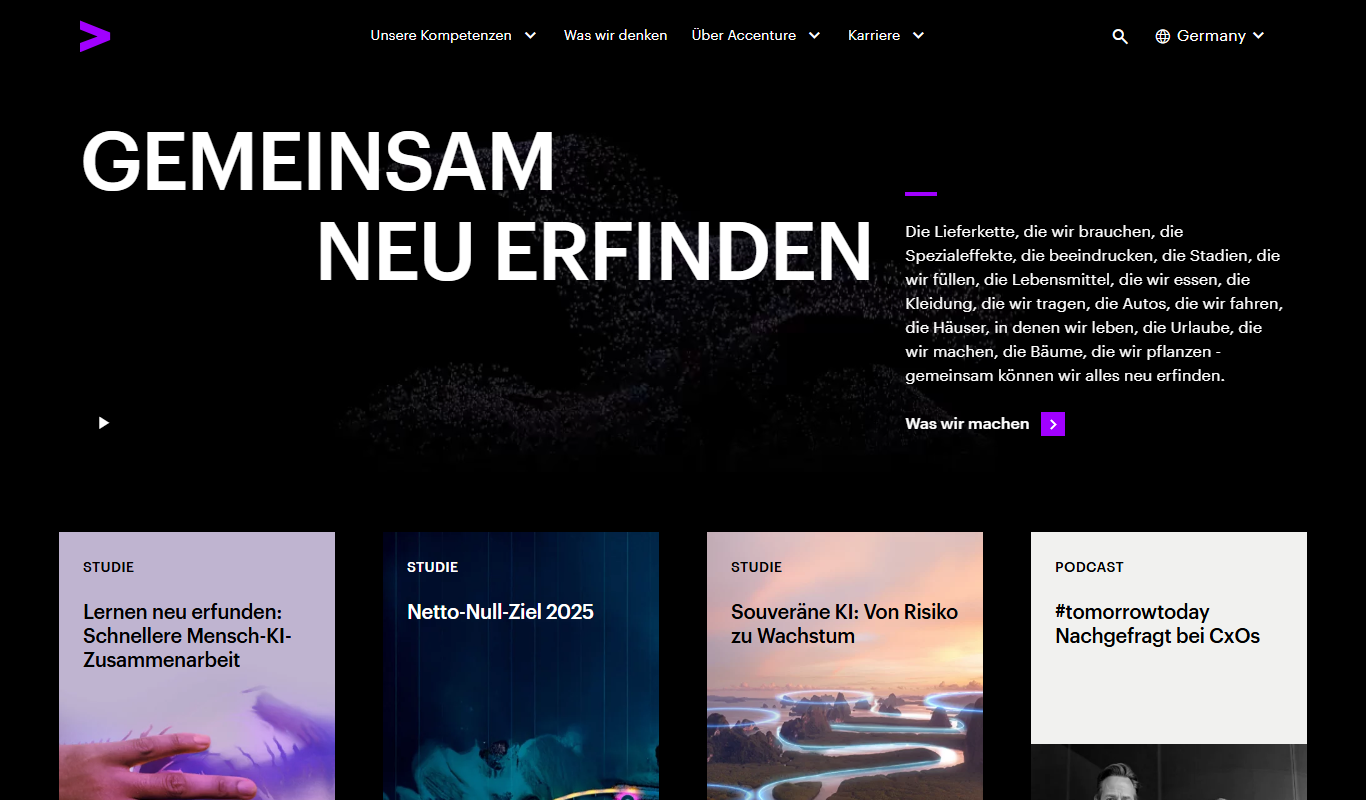
Accenture
Accenture is a global professional services company offering consulting, technology, and digital transformation services to help businesses innovate and improve operations.

Cognizant
Cognizant is a global IT services and consulting company specializing in digital transformation, AI, cloud migration, and custom software development for enterprises.

GosuGamers
GosuGamers is a free esports news and community platform offering real-time tournament coverage, player stats, and forums for competitive gaming fans.

Investing.com
Investing.com is a global financial platform offering real-time market data, news, analysis, and portfolio tracking for stocks, forex, commodities, and cryptocurrencies.

Financial Modeling Prep
Financial Modeling Prep is a financial data API platform providing real-time stock quotes, financial statements, and market data for developers and investors.