

From my experience with Augini, I found it excels at providing a straightforward, no-cost solution for generating synthetic tabular data to augment machine learning datasets. Its web-based interface makes it accessible without any setup, which is great for quick experimentation or privacy-conscious data sharing. However, the tool is limited to tabular data and lacks advanced customization or API integration, which may restrict its use in complex workflows. Overall, if you need a simple, free way to create synthetic data for improving model training or preserving privacy, Augini delivers solid, practical results.
Augini AI Data Augmentation Tool for Machine Learning Datasets
Augini is a free web-based AI tool that generates synthetic tabular data to augment machine learning datasets, enhancing model training and preserving data privacy.
- Best for
- Enhancing Machine Learning Datasets
- Key capability
- AI-Powered Synthetic Data Generation
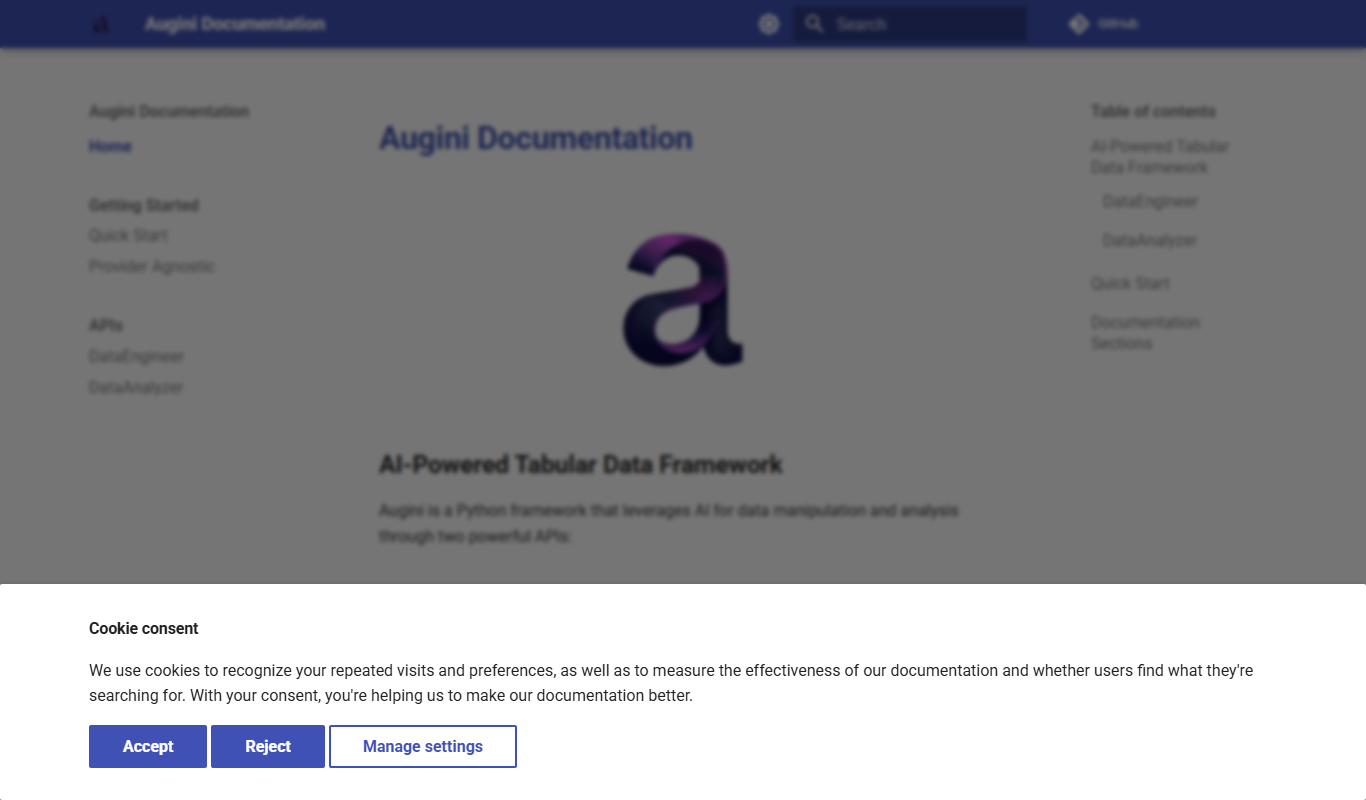

What is Augini?
Augini is a free web-based AI tool designed to generate synthetic tabular data for data augmentation purposes. It helps machine learning practitioners create realistic, diverse datasets to improve model robustness and performance without relying solely on limited or sensitive real-world data.
Key features of Augini
Augini offers an intuitive interface to upload tabular datasets and generate synthetic data that preserves the statistical properties of the original data. It supports multiple data types and provides options to customize the amount and quality of generated data.
AI-Powered Synthetic Data Generation
Leverages advanced AI techniques to produce realistic synthetic tabular data.
Supports Multiple Data Types
Handles numerical, categorical, and mixed data types effectively.
User-Friendly Web Interface
No installation required; accessible via any modern web browser.
Privacy-Preserving Data Augmentation
Generates synthetic data that protects sensitive information while maintaining utility.
Pros and cons of Augini
Pros
- Easy-to-use web interface with no installation
- Free access to synthetic data generation
- Supports various tabular data types
- Helps preserve data privacy
Cons
- Limited to tabular data only
- No advanced customization or API access
- Lacks detailed documentation or support channels
Key use cases for Augini
Enhancing Machine Learning Datasets
Generate synthetic tabular data to augment existing datasets, improving model training and performance.
Data Privacy Preservation
Create synthetic data that mimics real datasets without exposing sensitive information, useful for sharing and collaboration.
Testing and Validation
Produce diverse synthetic data samples to test machine learning models under various scenarios and edge cases.
Research and Experimentation
Use synthetic data to experiment with different data distributions and feature combinations without requiring real data.
How Augini works
-
1
Upload Dataset
Users upload their tabular dataset in CSV format to the Augini web interface.
-
2
Configure Generation
Set parameters such as the number of synthetic rows to generate and data type preferences.
-
3
Generate Synthetic Data
Augini uses AI models to create synthetic data that mimics the statistical distribution of the original dataset.
-
4
Download Results
Users can download the generated synthetic dataset for use in machine learning workflows.
Who is using Augini
Data scientists
Machine learning engineers
Researchers
Data analysts
AI practitioners
Augini pricing
Free
$0
Full access to Augini's synthetic data generation features without cost.
Plans and prices are as published by the vendor and can change. Check the official site before you buy. Open the pricing page (opens in a new tab)
Frequently asked questions about Augini
Augini generates synthetic tabular data including numerical and categorical features.
Yes, Augini is completely free and accessible via the web.
By generating synthetic data that mimics statistical properties without replicating exact records, it helps protect sensitive information.
No installation is required; Augini runs entirely in the web browser.
This tool is designed to help users accomplish its core tasks more efficiently. It is typically used by individuals or teams looking to improve productivity and workflow.
Data handling and security practices vary by provider. Review the official privacy policy to understand how your data is stored and used.
Sign in to review this tool.
No reviews yet
Be the first to share how this tool worked for you.
Ask about pricing, limits, or how it compares — or answer someone else.
No questions yet
Have a question about using or paying for this tool? Be the first to ask.
Featured on TiorAI



Alternative Tools
Explore similar AI tools that might fit your needs

Free
Synthea
Synthea is an open-source software that generates realistic synthetic patient health records for research, testing, and education without using real patient data.

Custom Pricing
Mostly AI
Mostly AI is a synthetic data platform that generates privacy-compliant artificial datasets mimicking real data for AI model training and data sharing without exposing sensitive information.

Free
Gretel.ai
Gretel.ai is a synthetic data platform that helps developers generate privacy-preserving synthetic datasets for AI training and testing, ensuring compliance with data privacy regulations.
More AI Education & Learning Tools tools
Other tools in the same category, for when this one is not quite the fit.

Free
bentolingo
BentoLingo is an AI-driven language learning platform that provides personalized speaking practice and real-time feedback to help users improve fluency in multiple languages.

Free Trial
Testnut
Testnut is an online exam platform that enables secure, scalable assessments with remote proctoring, automated grading, and detailed analytics, suitable for education and corporate use.

Freemium
Testbook.ai
Testbook.ai is an AI-driven platform offering personalized study plans, mock tests, and live classes to help students prepare effectively for competitive exams.

Free
AICamp
AICamp is an AI education platform offering project-based learning to teach AI, machine learning, and data science through hands-on projects and community mentorship.
Free
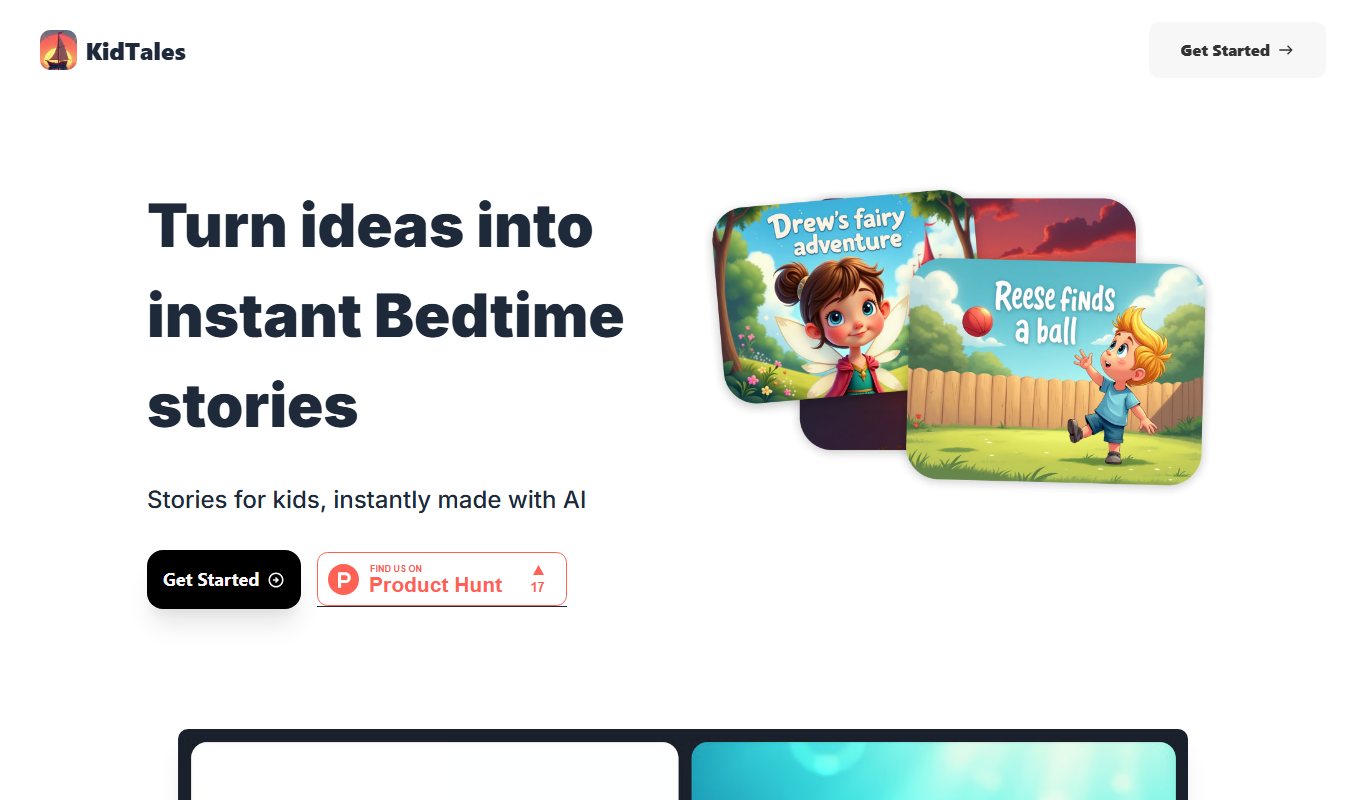
KidTales
KidTales AI is an online tool that generates personalized, age-appropriate stories for children to support creativity and learning.

Freemium
Mi Cuento Digital
Mi Cuento Digital is an online platform that lets you create personalized digital storybooks for children by adding names, photos, and custom details to engage young readers.

Free
Kidgeni
Kidgeni is an AI-powered tutoring platform designed to provide personalized learning and homework help for children, focusing on core subjects like math and reading through interactive sessions.

Freemium
flAI
flAI is an AI-driven language learning app that provides personalized speaking and writing practice with real-time feedback to help users improve fluency and confidence in multiple languages.