

From my experience with AIroMedical, I found it excels at enhancing radiology workflows by providing accurate AI-powered analysis of medical images. The platform’s ability to support multiple imaging modalities and integrate with hospital systems makes it a practical tool for healthcare providers aiming to improve diagnostic efficiency. However, the lack of publicly available pricing and the need for institutional onboarding may pose challenges for smaller clinics. Overall, if you are a radiologist or healthcare institution looking to leverage AI for medical imaging diagnostics, AIroMedical offers a robust and clinically oriented solution.
AIroMedical AI Healthcare Platform for Medical Imaging and Diagnostics
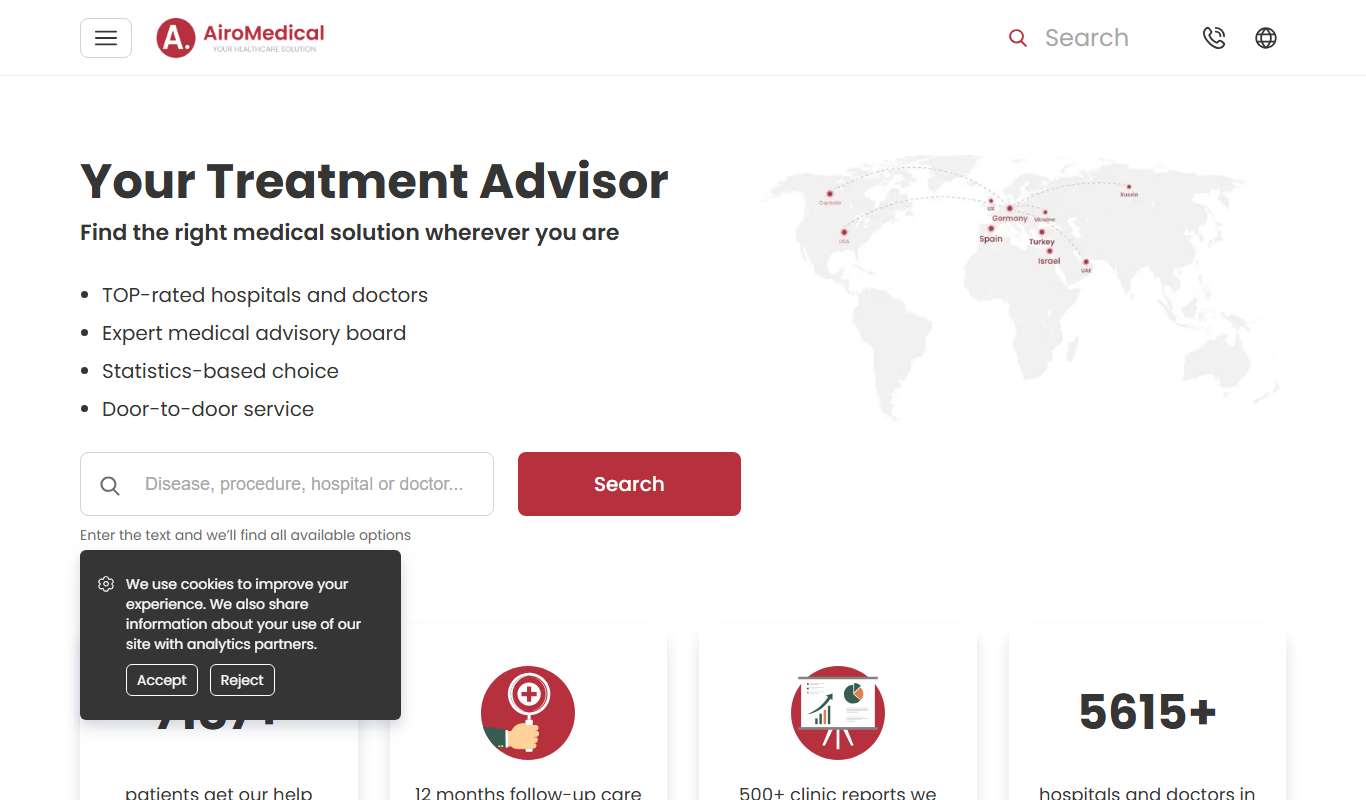
AIroMedical is an AI-driven platform that assists radiologists by analyzing medical images such as X-rays and CT scans to detect abnormalities and support diagnostic decisions.
- Best for
- Medical Imaging Analysis
- Key capability
- Multi-Modality Support

Do you recommend this tool?
What is AiroMedical?
AIroMedical is an AI-driven healthcare platform specializing in medical imaging analysis and diagnostic support. It uses advanced artificial intelligence algorithms to assist radiologists and clinicians in interpreting medical images more accurately and efficiently. The platform aims to improve diagnostic accuracy, reduce workload, and accelerate patient care through automated image processing and decision support tools.
Key features of AiroMedical
The platform offers automated detection of abnormalities in medical images, prioritization of urgent cases, integration with existing hospital systems, and detailed reporting features. It supports multiple imaging modalities and provides a user-friendly interface for clinicians to review AI findings alongside original images.
Multi-Modality Support
Supports analysis of various imaging types including X-ray, CT, and MRI.
Automated Abnormality Detection
AI algorithms identify potential abnormalities such as fractures, nodules, or lesions.
Prioritization and Triage
Automatically prioritizes urgent cases to improve patient outcomes.
Integration Capabilities
Seamlessly integrates with existing hospital PACS and electronic health records.
Detailed Reporting
Generates comprehensive reports with visual highlights and diagnostic suggestions.
Pros and cons of AiroMedical
Pros
- Improves diagnostic accuracy with AI assistance
- Supports multiple imaging modalities
- Streamlines radiology workflows
- Integrates with hospital IT systems
Cons
- Pricing details not publicly available
- Requires institutional onboarding and training
Key use cases for AiroMedical
Medical Imaging Analysis
AIroMedical provides AI-powered analysis of medical images such as X-rays, CT scans, and MRIs to assist radiologists in detecting abnormalities.
Diagnostic Support
The platform offers diagnostic decision support by highlighting potential areas of concern and suggesting possible diagnoses based on image data.
Workflow Optimization
AIroMedical helps healthcare providers optimize radiology workflows by automating image triage and prioritizing urgent cases.
Clinical Research
Researchers can leverage AIroMedical’s tools to analyze large datasets of medical images for clinical studies and development of new diagnostic criteria.
How AiroMedical works
- 1
Upload Medical Images
Clinicians upload patient imaging data such as X-rays or CT scans to the AIroMedical platform.
- 2
AI Analysis
The platform processes images using AI algorithms to detect abnormalities and generate diagnostic suggestions.
- 3
Review Results
Radiologists review AI-generated reports and highlighted areas within the images to assist in diagnosis.
- 4
Integrate with Workflow
Results can be integrated into hospital information systems to streamline clinical workflows and prioritize cases.
Who is using AiroMedical
Radiologists
Healthcare providers
Medical researchers
Hospitals and clinics
AiroMedical pricing
Contact for Pricing
Custom pricing
Pricing tailored based on institution size and usage requirements.
Plans and prices are as published by the vendor and can change. Check the official site before you buy. Open the pricing page (opens in a new tab)
Frequently asked questions about AiroMedical
AIroMedical supports X-rays, CT scans, and MRI images for analysis.
Yes, it offers integration with PACS and electronic health record systems.
Yes, researchers can use the platform to analyze large imaging datasets.
Yes, it can help with that use case depending on how you configure it and what features are available. You’ll get the best results with clear inputs and a defined goal.
It depends on your specific needs and how you plan to use the tool. The official website and documentation are the best sources for the latest details.
Integration support depends on the tool and its available connectors or API. Check the official documentation or integrations page to confirm what is supported.
Sign in to review this tool.
Sign In to ReviewNo reviews yet
Be the first to share how this tool worked for you.
Ask about pricing, limits, or how it compares — or answer someone else.
Sign In to AskNo questions yet
Have a question about using or paying for this tool? Be the first to ask.
Featured on TiorAI



Alternative Tools
Explore similar AI tools that might fit your needs
Custom Pricing
Aidoc
Aidoc is an AI-driven medical imaging software that helps radiologists detect abnormalities in CT and MRI scans, prioritize urgent cases, and improve diagnostic workflows.
More AI Healthcare & Wellness Tools tools
Other tools in the same category, for when this one is not quite the fit.

Contact for pricing
Apollo Health MD
Apollo Health MD is an AI platform that analyzes medical images to assist radiologists and clinicians in diagnosing diseases more accurately and efficiently.

Free
ImFeeling
ImFeeling is a free web-based AI chatbot designed to provide empathetic emotional support and mental wellness assistance through conversational AI.

Subscription
amara
Amara Care is a cloud-based home health software that helps agencies manage caregiver scheduling, patient care, billing, payroll, and compliance efficiently.

Freemium
Medriva
Medriva is an AI medical assistant that provides symptom analysis and medical information through a conversational chatbot interface.
Free
Soulreply – Your mental supporter
Soulreply is an AI chatbot designed to provide empathetic mental health support and self-care guidance through anonymous conversations.

Free
psychoroid.com
Psychoroid is an AI-powered chatbot designed to provide empathetic mental health support and therapy assistance through conversational AI available 24/7 on the web.

Free
Jessie AI
Jessie AI is an AI-powered virtual therapist chatbot providing empathetic mental health support and therapeutic conversations accessible 24/7 via the web.

Freemium
Compassionate AI
Compassionate AI is an empathetic chatbot designed to provide mental health support through compassionate conversation, coping exercises, and mood tracking.