

From my experience with Adaapt, I found it excels at delivering truly personalized learning experiences through its AI-driven adaptive technology. The platform’s ability to adjust content and assessments in real-time makes it particularly well-suited for educators aiming to meet diverse student needs effectively. However, the lack of transparent pricing and limited language options may pose challenges for some institutions. Overall, if your goal is to enhance student engagement and outcomes with adaptive education technology, Adaapt offers a robust and insightful solution.
Adaapt AI Platform for Personalized Learning and Adaptive Education Tools
Adaapt is an AI-driven adaptive learning platform that personalizes educational content and assessments to individual learner needs, enhancing engagement and outcomes.
- Best for
- Personalized Learning
- Key capability
- AI-Powered Personalization


Do you recommend this tool?
What is Adaapt?
Adaapt is an AI-driven adaptive learning platform designed to personalize education by dynamically adjusting content, assessments, and pacing to individual learner needs. It aims to improve learning outcomes by providing tailored educational experiences that respond in real-time to student performance and preferences.
Key features of Adaapt
Adaapt offers personalized learning pathways, adaptive assessments, real-time progress analytics, and curriculum customization tools powered by artificial intelligence to support educators and learners.
AI-Powered Personalization
Uses machine learning algorithms to tailor educational content to individual learner profiles.
Dynamic Adaptive Assessments
Adjusts question difficulty and topics based on learner responses to optimize evaluation.
Real-Time Analytics
Provides actionable insights into student progress and engagement for educators.
Curriculum Customization
Allows educators to create and modify adaptive learning pathways suited to their teaching goals.
Pros and cons of Adaapt
Pros
- Highly personalized learning experiences improve student engagement
- Real-time adaptation helps address individual learner challenges promptly
- Detailed analytics empower educators with actionable insights
Cons
- Pricing details are not publicly available, requiring direct contact
- Limited language support may restrict use in non-English speaking regions
- No publicly disclosed mobile app; platform is web-based only
Key use cases for Adaapt
Personalized Learning
Adaapt uses AI to tailor educational content and pacing to individual student needs, enhancing engagement and retention.
Adaptive Assessments
The platform dynamically adjusts quizzes and tests based on learner performance to accurately gauge understanding.
Curriculum Development Support
Educators can leverage Adaapt’s AI to design adaptive curricula that respond to diverse learning styles and progress.
Student Progress Tracking
Adaapt provides detailed analytics and insights on student learning paths and outcomes for educators and institutions.
How Adaapt works
- 1
User Registration
Students and educators create accounts to access the platform.
- 2
Initial Assessment
Learners complete a diagnostic test to establish baseline knowledge.
- 3
Personalized Content Delivery
The AI engine delivers customized lessons and exercises based on assessment results.
- 4
Continuous Adaptation
The platform adjusts difficulty and content in real-time as learners progress.
- 5
Progress Monitoring
Educators track student performance through detailed analytics dashboards.
Who is using Adaapt
K-12 schools
Higher education institutions
Educational technology providers
Tutoring centers
Curriculum developers
Adaapt pricing
Contact for Pricing
Custom pricing
Pricing tailored based on institution size and feature requirements.
Plans and prices are as published by the vendor and can change. Check the official site before you buy. Open the pricing page (opens in a new tab)
Frequently asked questions about Adaapt
Adaapt is designed to support a wide range of education levels, from K-12 to higher education, by adapting content complexity accordingly.
Yes, educators can design and adjust curricula to meet specific learning objectives using Adaapt’s tools.
Integration capabilities depend on the institution’s setup; contacting Adaapt directly is recommended for specific integration inquiries.
Currently, Adaapt primarily supports English.
It depends on your specific needs and how you plan to use the tool. The official website and documentation are the best sources for the latest details.
Yes, it can help with that use case depending on how you configure it and what features are available. You’ll get the best results with clear inputs and a defined goal.
Integration support depends on the tool and its available connectors or API. Check the official documentation or integrations page to confirm what is supported.
Sign in to review this tool.
Sign In to ReviewNo reviews yet
Be the first to share how this tool worked for you.
Ask about pricing, limits, or how it compares — or answer someone else.
Sign In to AskNo questions yet
Have a question about using or paying for this tool? Be the first to ask.
Featured on TiorAI



Alternative Tools
Explore similar AI tools that might fit your needs

Custom Pricing
Knewton
Knewton is an AI-driven adaptive learning platform that personalizes educational content and assessments to improve student outcomes through data analytics and integration with learning systems.

Subscription
DreamBox Learning
DreamBox Learning is an adaptive online math platform for K-8 students that personalizes lessons in real time to improve math proficiency.
More Adaptive Learning tools
Other tools in the same category, for when this one is not quite the fit.
Freemium
whizz.com
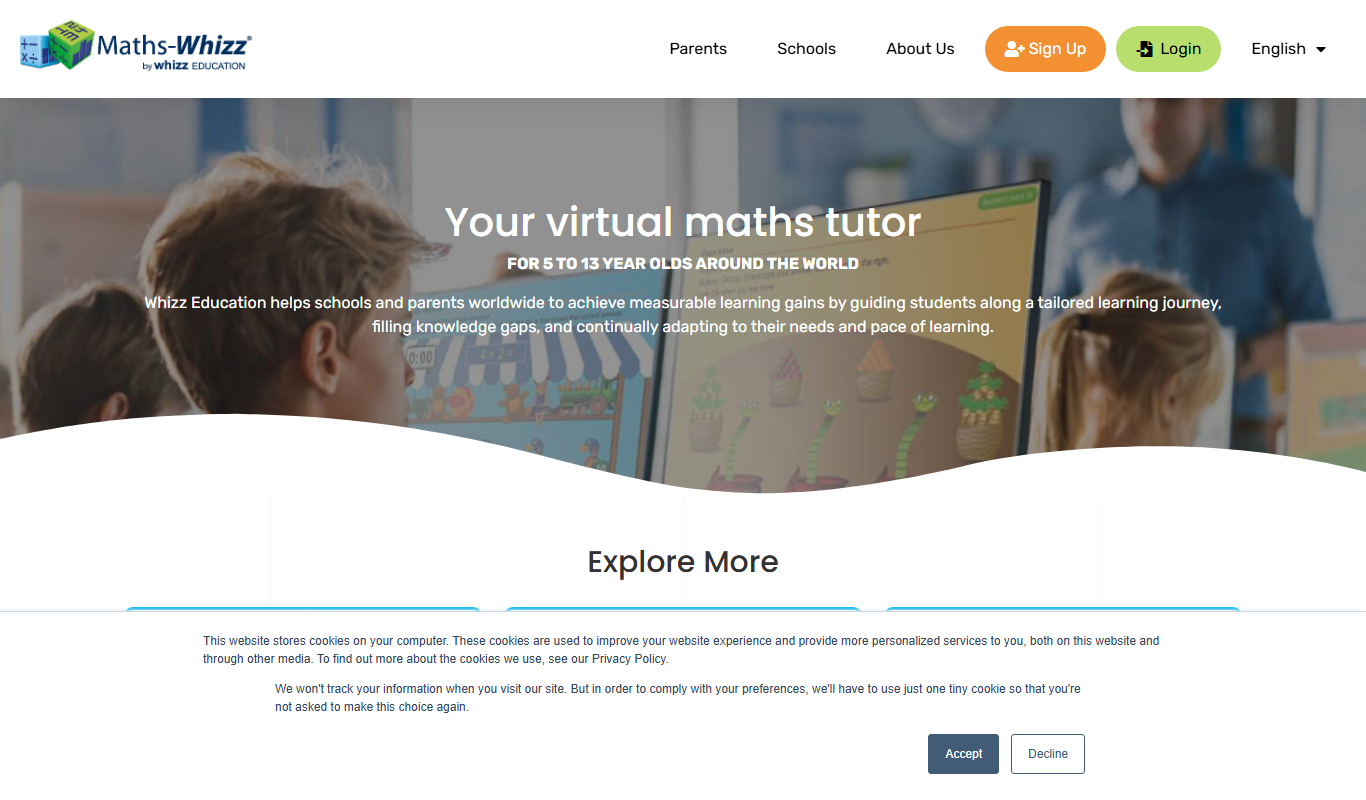
Whizz.com is an adaptive online math tutoring platform for children aged 5-13 that personalizes lessons based on student ability and provides progress tracking for parents and teachers.