What Is Image Transformation?
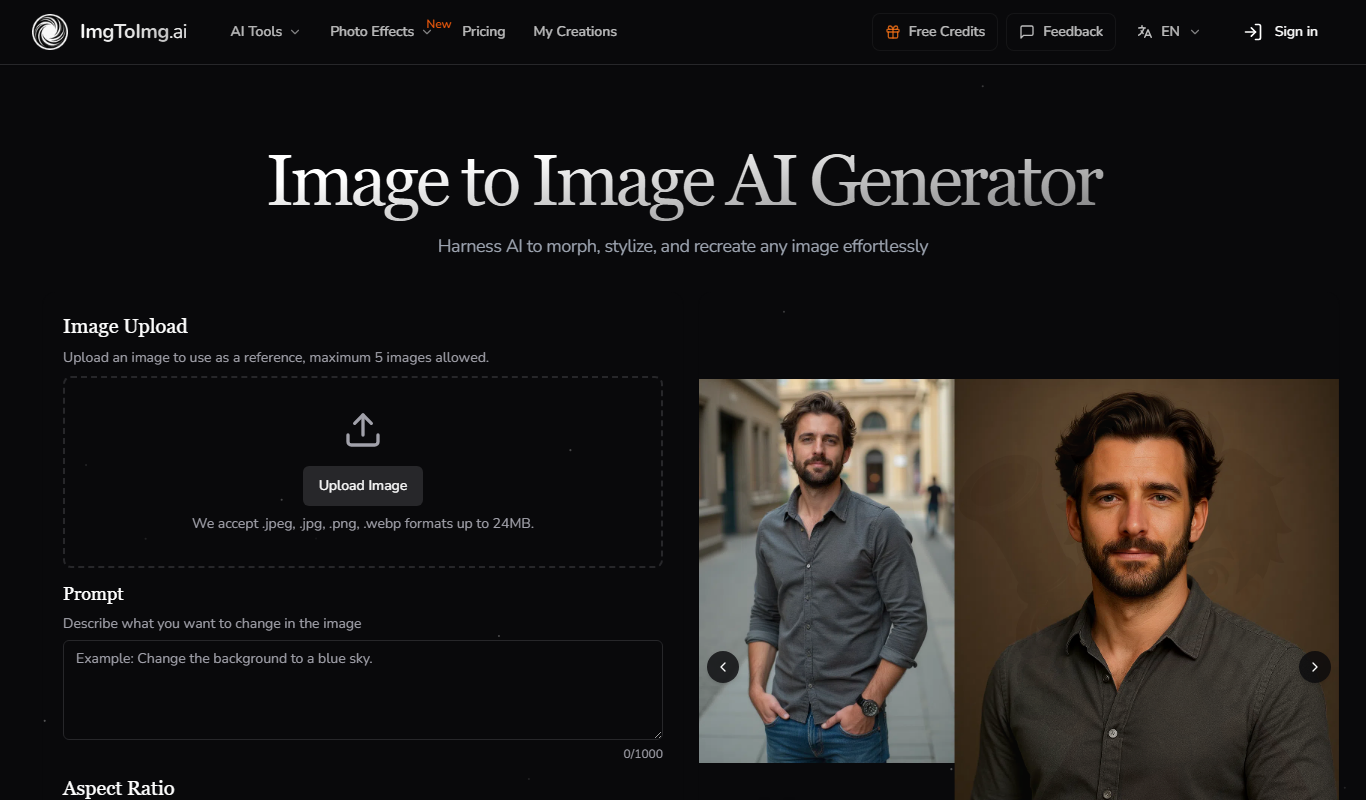
Image Transformation involves changing an image’s properties through operations such as scaling, rotating, cropping, color adjustment, or filtering. These methods manipulate the original pixels to achieve desired effects or extract useful information. Whether enhancing photo quality or preparing images for computer vision tasks, transformations help adapt images to specific needs.
Why Is Image Transformation Important?
Image Transformation is crucial because it enables better visual representation, data extraction, and compatibility across platforms. It allows marketers, designers, and developers to optimize images for faster loading, improved aesthetics, or automated analysis. In SEO and digital marketing, transformed images contribute to user experience and search engine rankings by improving page speed and accessibility.
- Enhances image quality and presentation for web and print use.
- Facilitates automated image recognition and analysis in AI applications.
- Optimizes images to improve website performance and SEO.
Key Characteristics of Image Transformation
- Pixel Manipulation: Directly alters the image’s pixel values to change visual features like brightness or contrast.
- Geometric Operations: Includes scaling, rotating, and cropping to modify image size and orientation.
- Color Space Conversion: Changes the image’s color model (e.g., RGB to grayscale) to suit different processing needs.
How Image Transformation Works (Step-by-Step)
- Input the original image into a software or algorithm capable of processing images.
- Apply the desired transformation techniques like resizing, filtering, or color adjustment.
- Output the modified image ready for use in marketing materials, websites, or machine learning models.
Real-World Examples of Image Transformation
- Thumbnail Creation: Automatically resizing images to smaller dimensions for faster website loading and better user experience.
- Image Filtering: Applying filters to product photos to enhance colors and attract customer attention in online stores.
Image Transformation in SEO, Marketing, or Business Context
In SEO and digital marketing, image transformation plays a vital role in optimizing images for faster page load times, which is a key ranking factor. Marketers use transformed images to create engaging content that attracts and retains visitors. Businesses also leverage transformations for automated image tagging and classification, improving their content management and searchability.
Common Mistakes or Misunderstandings About Image Transformation
- Assuming all transformations preserve image quality; some can degrade resolution or clarity if not applied carefully.
- Neglecting the impact of large transformed images on website speed, which can hurt SEO and user experience.
Related Terms
- Image Processing
- Computer Vision
- Digital Image Editing
FAQs About Image Transformation
Common types include scaling, rotating, cropping, filtering, and color adjustments.
Optimized image transformations reduce file size and improve loading speed, boosting SEO performance.
Summary
Image Transformation is a fundamental technique in digital marketing, SEO, and image analysis that modifies images to meet various practical needs. By understanding and applying these transformations thoughtfully, professionals can enhance image quality, improve website performance, and enable advanced image recognition—all contributing to more effective digital strategies.