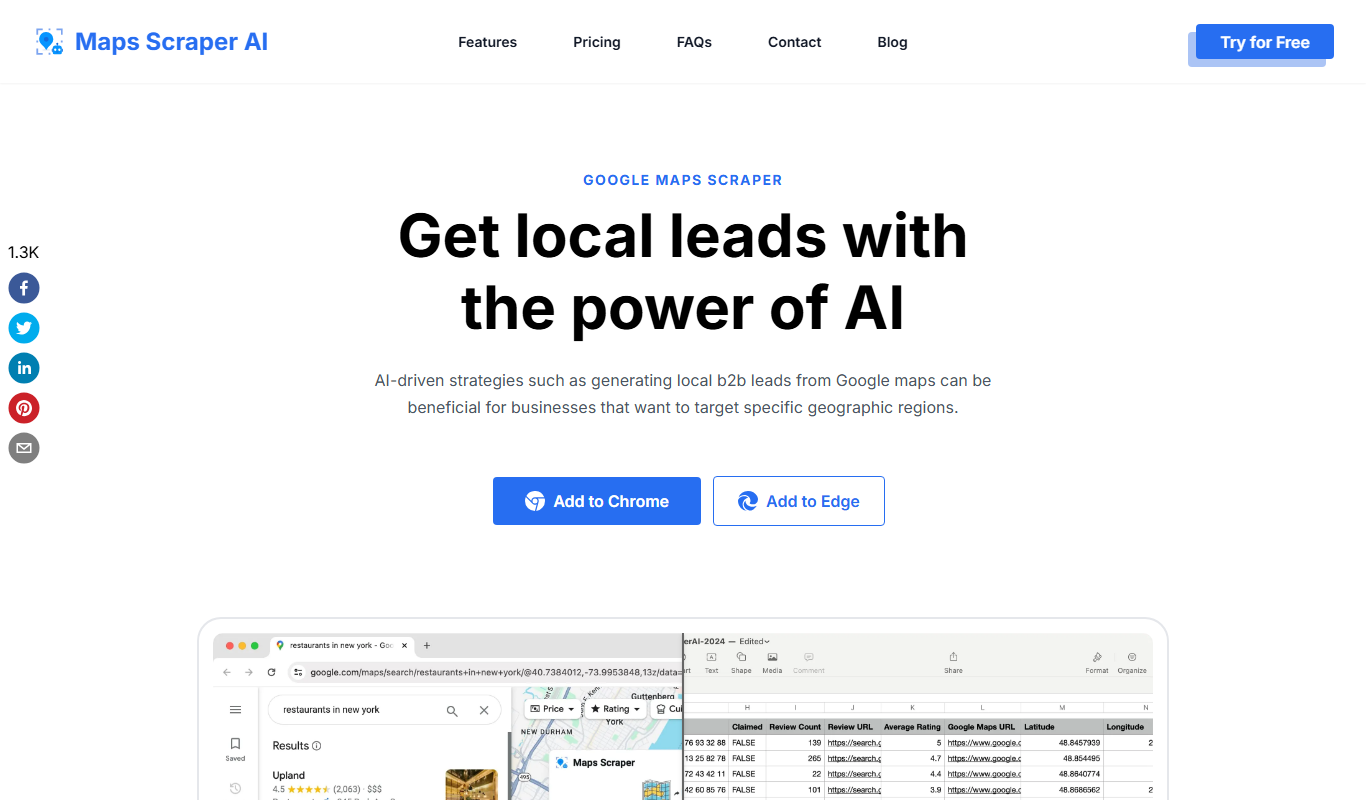
What Is Data Scraping?
Data scraping refers to using software tools or scripts to automatically retrieve data from web pages, documents, or databases. Instead of manually copying and pasting information, data scraping parses underlying HTML, APIs, or other data formats to gather relevant content like prices, reviews, or contact details. It simplifies data collection from diverse sources, allowing businesses and analysts to build datasets for research, market intelligence, or competitive analysis.
Why Is Data Scraping Important?
Data scraping is vital because it accelerates data gathering, reduces human error, and unlocks valuable insights hidden in unstructured or semi-structured web content. It empowers companies to monitor competitors, optimize pricing strategies, and fuel data-driven decisions by turning vast online information into actionable data.
- Enables efficient collection of large volumes of data from multiple sources
- Supports real-time updates and monitoring of dynamic information
- Facilitates competitive analysis, market research, and content aggregation
Key Characteristics of Data Scraping
- Automation: Uses software bots or scripts to extract data without manual input, increasing speed and consistency.
- Data Parsing: Involves interpreting HTML, JSON, XML, or other data formats to isolate relevant information accurately.
- Scalability: Can handle scraping from small websites to large-scale platforms with millions of pages efficiently.
How Data Scraping Works (Step-by-Step)
- Identify the target website or source and the specific data to extract.
- Develop or use a scraping tool to access and parse the source’s content.
- Extract and store the structured data in a usable format like CSV, JSON, or databases.
Real-World Examples of Data Scraping
- Price Comparison Websites: Automatically collect pricing and product details from multiple e-commerce sites to offer users the best deals.
- Lead Generation: Extract contact information from business directories or social media profiles to build marketing lists.
Data Scraping in SEO, Marketing, or Business Context
In SEO and marketing, data scraping is a powerful tactic for competitive analysis, keyword research, and content gap identification. Marketers can monitor competitor backlinks, track keyword rankings, or gather customer reviews to enhance their strategies. Businesses utilize scraped data to optimize pricing, improve product offerings, and personalize advertising campaigns based on real-time market trends.
Common Mistakes or Misunderstandings About Data Scraping
- Assuming all websites allow scraping without verifying legal or ethical restrictions.
- Overlooking data quality issues like duplicate, outdated, or incomplete scraped information.
Related Terms
- Web Crawling
- Data Mining
- API Integration
FAQs About Data Scraping
Web crawling involves systematically browsing websites to index content, while data scraping specifically extracts targeted data from those sites.
Legalities vary by jurisdiction and website terms; it’s important to respect copyright, privacy laws, and site policies when scraping data.
Summary
Data scraping is an essential technique for efficiently collecting structured information from web pages and digital sources. By automating data extraction, it empowers marketers, analysts, and businesses to access timely, relevant data that supports informed decision-making and competitive advantage. However, mindful use respecting legal and ethical boundaries is crucial for responsible data scraping practices.